How Five Parking Firms Got Your Details From the DVLA 7.2 Million Times Last Year


Private parking companies asked the DVLA for the names and addresses of 7.2 million vehicle keepers in just the first six months of the last financial year, working out at 41,000 requests a day. That figure, uncovered through RAC analysis of DVLA data, is 12 percent higher than the 6.5 million requests made in the same period the year before, and puts the industry on course to issue a record 14.5 million parking charge notices this year.
Just five companies are behind nearly half of those requests.
The five firms driving the numbers
ParkingEye made 1.1 million requests for keeper details, 16 percent of the total on its own. Euro Car Parks made 891,600, Horizon Parking made 439,896, Smart Parking made 423,809, and APCOA Parking made 367,465. Between them, those five firms account for 45 percent of all 7.2 million requests. Widen the list to the top ten companies and the figure rises to 64 percent, or 4.6 million requests, out of an industry made up of hundreds of operators.
Each request to the DVLA costs a parking firm £2.50, a fee designed to cover the cost of processing, but one that also means every letter that lands on a driver’s doormat began as a paid-for data request the firm judged worth making. With 7.2 million requests in six months, that is an industry spending close to £18 million every half year simply to find out who to send a parking charge notice to, a cost built directly into how aggressively some operators pursue drivers.
Why the rulebook meant to protect drivers still is not in force
Parliament passed a law in 2019 requiring private parking firms to follow a single, government-backed code of practice. That code was published in 2022, and immediately paused after two trade bodies representing debt recovery and parking firms launched a legal challenge, arguing the proposed cap on fees threatened their business models. The code has never come into force, and the industry has been left to police itself through voluntary codes in the years that followed.
RAC head of policy Simon Williams said the number of parking charge notices issued has more than doubled in the years after the 2019 law was passed specifically to rein the industry in. Eight in ten drivers surveyed by the RAC said they were frustrated that the promised code still has not arrived, more than five years after it was legislated for.
What the numbers look like on the ground
A charge notice usually starts at £60 to £100, reduced by half if paid within 14 days. Multiply that by 14.5 million notices and the private parking sector is looking at potential income somewhere between £870 million and £1.45 billion a year, before any additional debt recovery fees are added on top for drivers who miss the early payment window or choose to dispute the charge. Not every notice gets paid in full, and plenty are cancelled on appeal or written off, but the scale of the numbers explains why five companies alone are prepared to spend close to £8 million a year between them just on DVLA lookups.
What the industry says is really going on
The International Parking Community, a trade body for private parking operators, argues the rise in enforcement tracks a genuine rise in the amount of land being professionally managed, which it says has grown 475 percent in the years after 2012, alongside a 20.8 percent increase in the number of registered vehicles on the road over the same stretch. It also points to DVLA figures showing more than a third of all parking charges, 35 percent, are issued to repeat offenders rather than first-time, one-off mistakes.
Both things can be true at once. More car parks under formal management and more repeat offenders would explain some of the rise. It does not explain why a code of practice specifically written to curb unfair charging practices, confusing signage, and excessive debt recovery fees has been sitting unenforced for years while the volume of charges climbs regardless.
The gap drivers fall into
Without the statutory code in force, drivers are relying on a patchwork of voluntary codes published separately by the two main trade bodies, the British Parking Association and the International Parking Community, which merged their approaches into a single sector code in October 2024. Compliance with that code is a condition of trade body membership rather than a legal requirement, and a firm that leaves a trade body faces no regulator empowered to stop it operating.
Drivers appealing a charge from a firm outside either trade body find themselves with fewer options still, as the free appeals services run by both bodies only cover their own members. A firm that has been expelled, or that never joined a trade body in the first place, can leave a driver facing debt collection letters with no independent appeals route to turn to at all, short of ignoring the charge and waiting to see whether the firm follows through with court action.
The Competition and Markets Authority has separately opened an investigation into Euro Car Parks over how it handles appeals and additional debt recovery fees, and has written to other operators raising the same concerns, though it can only take formal enforcement action where it finds specific breaches of consumer law. A genuine, legally binding Private Parking Code of Practice is expected to finally take effect by December 2026, giving operators until then to fall in line or face real consequences for the first time.
How to fight back
Do not ignore a parking charge notice, even one you believe is unfair, as failing to respond within the stated window can remove your right to appeal and allow the charge to escalate. Most private parking firms give 28 days to pay at a reduced rate or to challenge the charge before adding a debt recovery fee, so acting inside that window protects your options.
Photograph the signage at the car park before you leave, including any pay machine, on the day you park. Confusing, poorly lit, or missing signage is one of the most common grounds on which parking charge notices are successfully overturned, and a photograph taken later is far weaker evidence than one taken at the time.
Check which trade body the operator belongs to. If it is the British Parking Association, you can appeal to POPLA, the free, independent appeals service. If it is the International Parking Community, use the equivalent IAS appeals service. Both are free to use and do not require legal representation.
Never pay a debt recovery or admin fee added on top of the original charge without first checking whether it is permitted under the operator’s own trade body code, as many such fees have been successfully challenged and removed on appeal. If a firm threatens court action, remember that a parking charge notice on private land is a civil contract matter, not a criminal fine, and firms pursuing hotly disputed charges through the small claims court do not always win.
Keep every letter a firm sends, including envelopes with postmarks, as gaps or delays in a firm’s own paperwork can form the basis of a successful appeal on procedural grounds alone. If you receive a request for your details from the DVLA on a firm’s behalf, you are entitled to ask that firm, in writing, why it needed your data and on what date the alleged contravention took place, and a firm unwilling to answer plainly has weakened its own case before an appeal is even lodged.
For more on how private parking enforcement is being challenged, read our earlier coverage: Just 0.32% of Unfair Parking Charges Ever Get Overturned by Drivers and Watchdog Investigates Parking Firm Fining Drivers for Queuing at Petrol Stations.
Sources:
- https://www.fleetnews.co.uk/news/rise-in-dvla-driver-data-requests-suggests-record-year-for-parking-fines
- https://www.rac.co.uk/drive/news/
- https://www.moneysavingexpert.com/news/2026/07/cma-private-parking-charges/

Leave a Comment
More in News

Why a 13-Year-Old Car Is Nearly Three Times More Likely to Fail Its MOT

Private Parking Firms Issued a Record 16.9 Million Tickets Worth £4.6 Million a Day

DfT Could Make Learner Drivers Wait Before Their Test After 273 Deaths
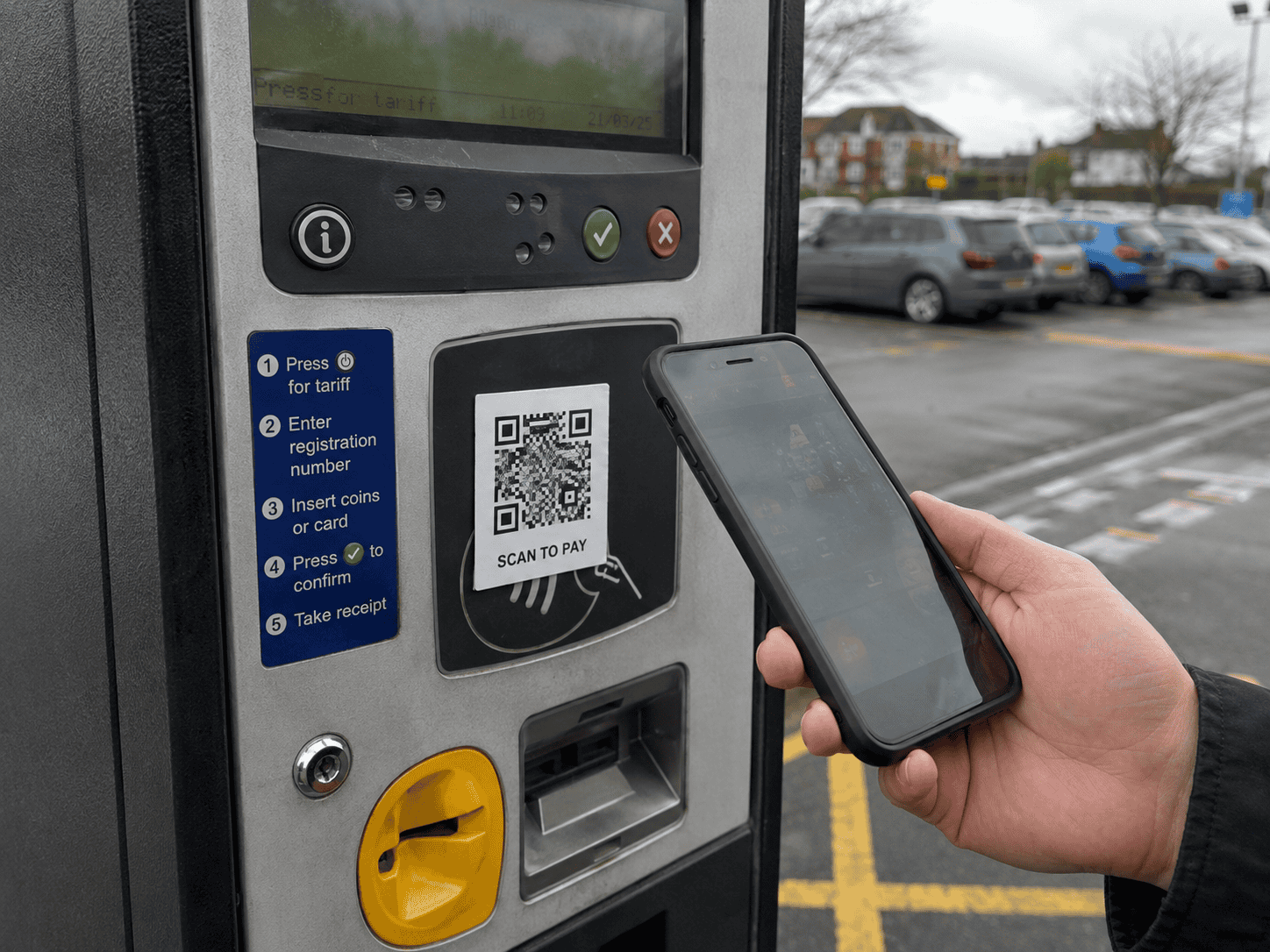
Edinburgh Drivers Paid £46.6 Million in Parking Income, Up 46 Percent in Three Years
Drivers Claimed £10.2 Million for Pothole Damage but County Councils Paid 6%, Quotezone Shows
Trending on Motoring Chronicle

Why 45 Percent of Clean Air Zone Fines Are Overturned by Britain’s Parking Tribunal

Why Gas Costs $2.44 More Per Gallon in California Than Indiana Right Now
Why Brake Fluid Goes Bad Before You Ever Think to Change It

Used Car Complaints to the Motor Ombudsman Jumped 14 Percent Last Year