
Watchdog Investigates Parking Firm Fining Drivers for Queuing at Petrol Stations
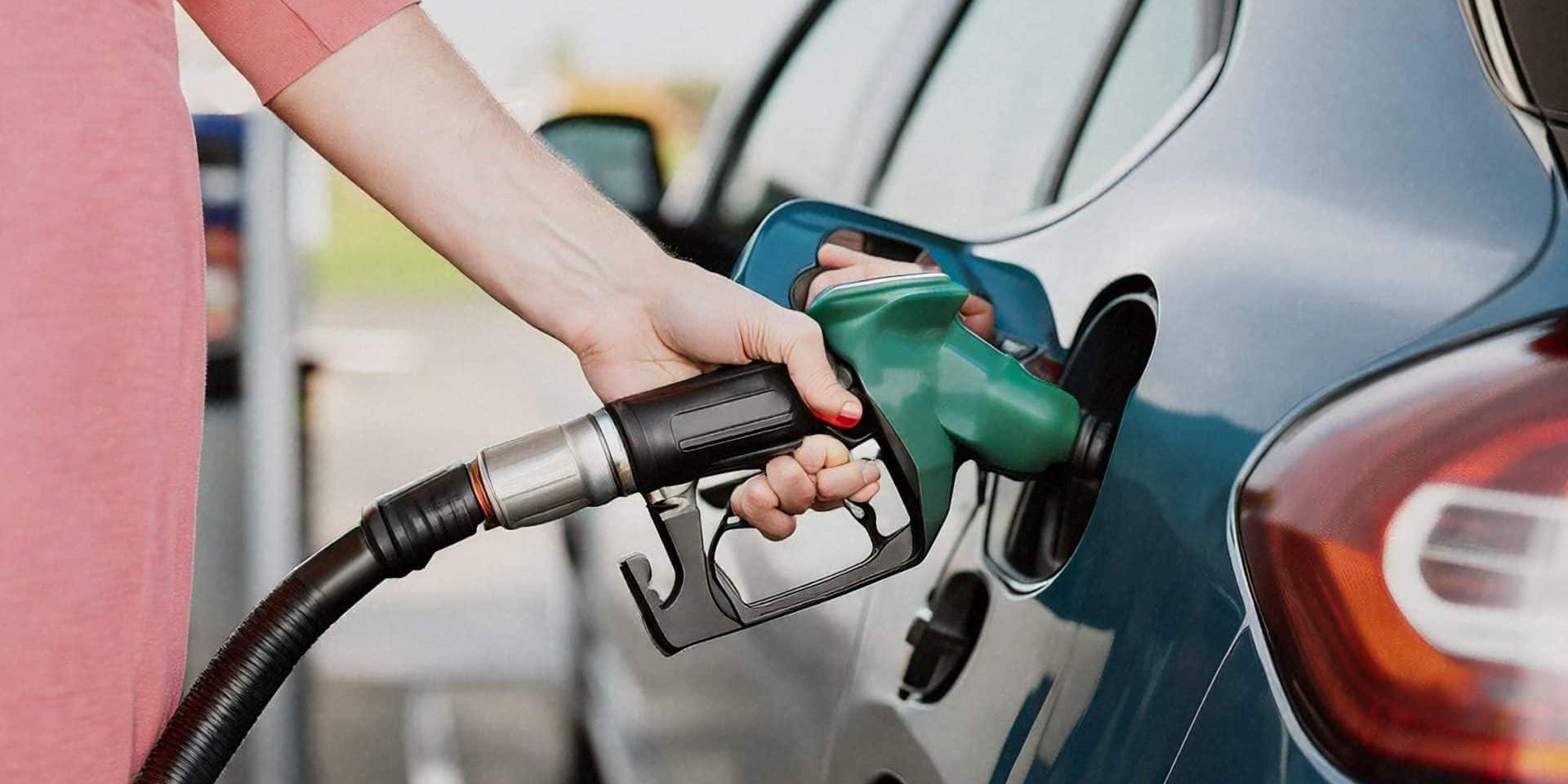
A driver pulls onto a forecourt, joins a queue for the only working pump, waits ten minutes to fill up, and later finds a parking charge notice on the doormat. The reason: the car sat on private land for longer than the free period allowed, and nobody told the driver that the clock started the moment the car crossed onto the site, not the moment it reached a pump.
That scenario sits at the centre of a new investigation launched by the Competition and Markets Authority into Euro Car Parks, one of the UK’s largest private parking operators. The watchdog announced on 16 July that it wants to know whether the firm’s practices at petrol stations, and the way it handles appeals, break consumer protection law.
This is not an isolated complaint. Private parking operators issued around 14.4 million tickets in 2024/25 across supermarkets, gyms, restaurants and retail parks, according to research cited by the CMA. That is more than double the number issued just six years ago. Drivers are not imagining that tickets have become more common. The data confirms it, and the CMA’s decision to open a formal investigation is a direct response to how sharply that number has climbed.
Who Is Being Caught Out
The CMA says it has received a stream of complaints about unclear signage, broken ticket machines and faulty apps. Motorists frequently report being charged for time spent queuing to reach a pump, using an air line, or waiting for an electric vehicle charger to free up, none of which they would reasonably expect to count against a stated time limit.
Euro Car Parks was previously fined £473,000 by the CMA for failing to respond properly to a legal information notice at an earlier stage of scrutiny. That penalty is under appeal and relates only to the firm’s handling of the CMA’s request for information, not to any finding about how it treats drivers. The new investigation is separate and is still at an early stage, and the CMA stresses it has reached no conclusions about whether the company has broken the law.
What makes this different from the usual rewrite of a parking story is the specific practice under scrutiny: charging drivers for time spent on forecourts while they queue for fuel, rather than while they park a car and walk away. A petrol station car park works differently from a supermarket car park. Drivers do not choose how long a queue for a pump takes, and many never leave their vehicle at all.
A Doubling in Six Years
The scale of the wider problem is what pushed the CMA to act on the whole sector, not just one operator. Research from the RAC shows private parking firms are on track to issue close to 14.5 million tickets a year, roughly double the volume of six years ago. Retail parks, gyms and restaurants have increasingly handed enforcement to third-party operators paid on a commission basis, which creates an incentive to issue as many tickets as possible rather than to run a fair, well-signed car park.
The CMA has written to other private parking operators, not just Euro Car Parks, setting out concerns about appeals processes and about additional fees added on top of the original charge when firms chase unpaid tickets. It has also written to the trade associations that oversee the sector’s Code of Practice, asking them to raise standards immediately rather than wait for new government rules.
Separately, the regulator has sent recommendations to government on a proposed new Code of Practice for the industry, including a requirement that operators make drivers aware of their rights and run appeals processes that are fair and consistent.
The Money Behind the Tickets
A parking charge notice on private land typically starts at £100, reduced to £60 if paid within 14 days under the industry’s early payment discount. Multiply that by 14.4 million tickets and the sector is generating well over a billion pounds a year in charges, even before late fees and debt recovery costs are added. Some of those charges, the CMA believes, should never have been issued in the first place.
Drivers who ignore a ticket can find additional charges piling up if the operator passes the debt to a collections agency. The CMA’s concern about “additional fees applied when seeking to recover unpaid parking charges” points directly at this practice, where a £100 charge can grow substantially before a driver even realises there is a dispute worth having.
New Powers, Bigger Fines
What gives the CMA’s intervention real teeth is a change in the law that came into force under the new consumer protection regime. Previously, the CMA had to go to court to establish that a company had broken consumer law, a slow process that could take years. Under the current rules, the CMA can investigate and decide for itself whether a firm has broken the law, and can fine a company up to 10% of its global turnover, or £300,000 if that figure is higher. For an operator the size of Euro Car Parks, a 10% turnover fine would dwarf the £473,000 penalty already handed down over the unrelated information notice dispute.
That change is significant, as it removes one of the industry’s long-standing defences: that individual disputes were too small and too numerous for a regulator to pursue through the courts one case at a time. A single CMA investigation covering appeals handling across an entire operator’s business can now address a pattern of behaviour affecting hundreds of thousands of drivers in one go, rather than leaving each motorist to fight their own £100 ticket in isolation.
How to Fight Back
Anyone who receives a parking charge notice they believe is unfair has the right to challenge it, and the process does not cost anything.
Check the signage first. Photograph every sign in the car park, including the small print about time limits, grace periods and what counts as a valid stay. Operators are supposed to make the rules clear at the point of entry, and inconsistent or hidden signage is one of the strongest grounds for appeal.
Keep evidence of anything that went wrong. If a payment machine was broken, an app would not load, or a pump queue ate into the free period, take photos and screenshots at the time. A receipt showing a fuel purchase timestamped close to the ticket issue time can undermine a claim that a vehicle overstayed.
Appeal within 14 days. Appealing to the parking operator first keeps a driver eligible for the early payment discount if the appeal fails, and it is the required first step before escalating further. If the operator rejects the appeal, drivers can take the case to an independent service: POPLA for operators who are members of the British Parking Association, or the Independent Appeals Service for members of the International Parking Community. Both are free and their decisions are binding on the operator, though not on the driver.
Know when a charge should be reduced or cancelled outright. Under the industry’s own Appeals Charter, a charge should be cancelled if a driver has evidence of an exemption, such as a genuine emergency, and should be reduced to £20 in some circumstances, including cases where a driver paid but mistyped their registration number.
Report unfair practices directly. The CMA is gathering evidence as part of its wider review of the sector, separate from the Euro Car Parks investigation, and persistent patterns of complaint help shape future enforcement action.
Never ignore a charge notice completely. Even a charge a driver intends to dispute in court needs a response, as silence can be treated as an admission and can allow additional fees to accumulate unchallenged.
The CMA’s action will not resolve every disputed ticket overnight, and the Euro Car Parks investigation is due to run for months before any findings are published. What has changed is that a regulator with the power to fine companies up to 10% of their global turnover is now looking directly at whether petrol station queuing charges and appeals handling break the law, rather than leaving drivers to fight individual cases alone.
Sources:

Leave a Comment
More in News

How DVSA Data Reveals Which Driving Test Centres Give You the Best Odds
Every UK Driver Faces Two More Fuel Duty Rises Worth 4p by March 2027
Newcastle Drivers Paid £3.7 Million in Parking Enforcement as Council Income Jumps 23 Percent

Coventry Drivers Paid £5.4 Million in Parking Charges as Council Surplus Jumps 80 Percent

What Your Rights Actually Are When a Garage Overcharges or Botches a Repair
Trending on Motoring Chronicle

Every New Car Buyer Faces a £1,469 Gap Between Dealer Offers and Real Prices

Toyota Aygo X Hybrid review: Frugal, funky – and no need for a plug
What Does ‘Eco’ Mean on a Car?

Why Your Car Smells of Burning (and What to Do Next)
