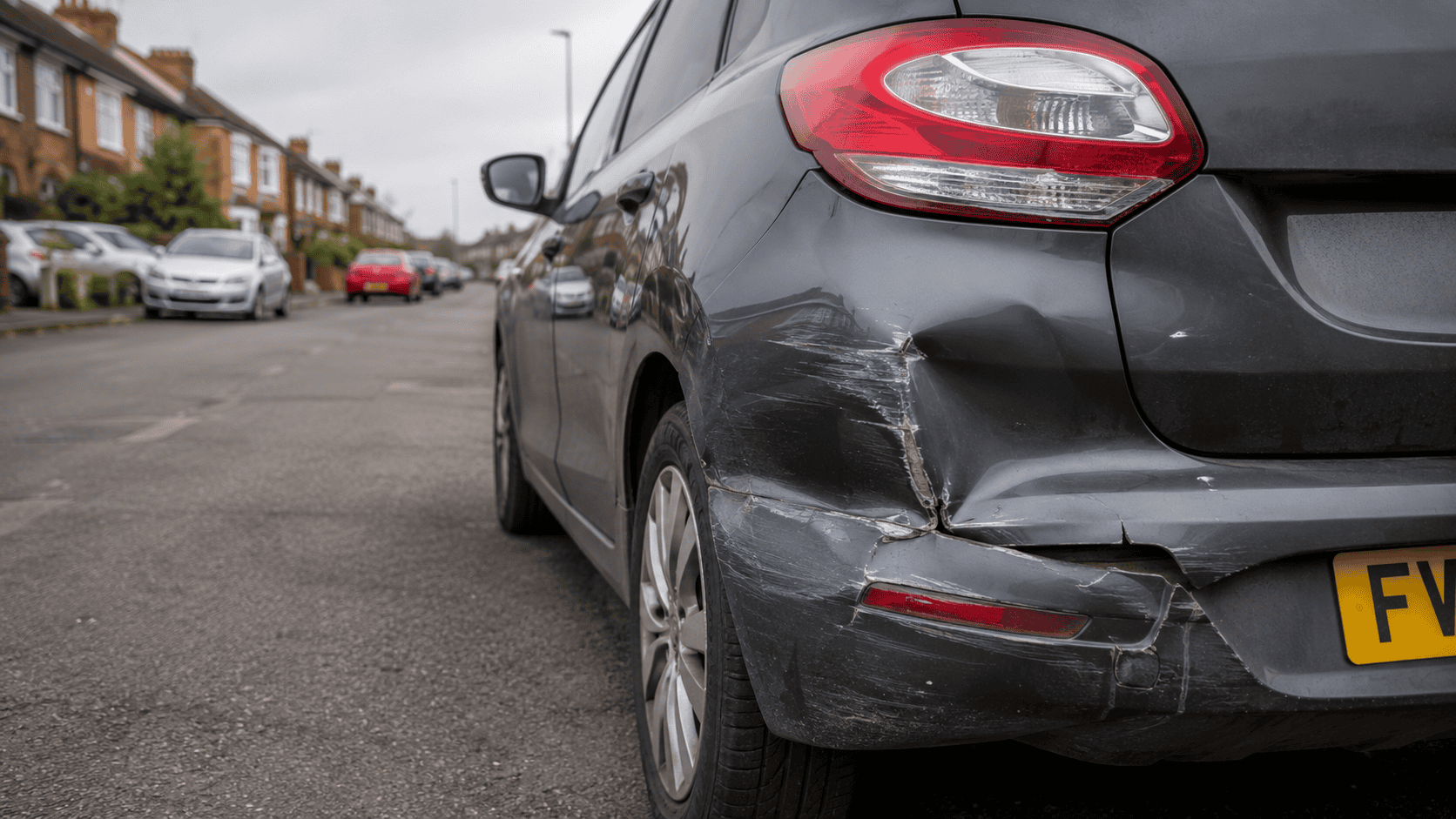
Used Car Complaints to the Motor Ombudsman Jumped 14 Percent Last Year
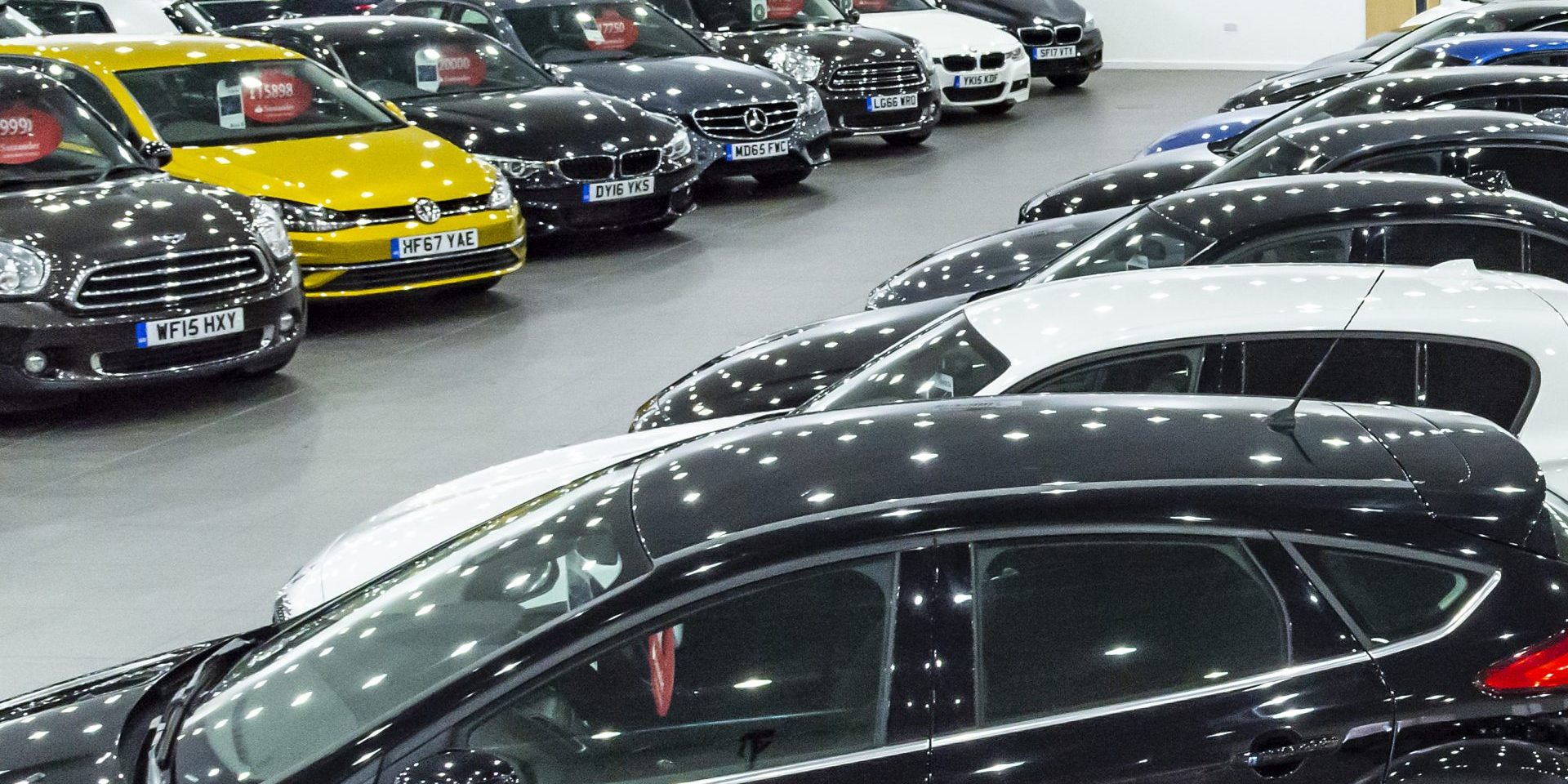

- Complaints about used cars to The Motor Ombudsman rose 14% in 2025, to 18,570, with customer service failures the single biggest cause.
- One in 420 used cars sold in the UK last year ended up as a formal dispute, a worse rate than one in 468 the year before, even as prices average around £17,000.
- More than a third of complaints involved engine or powertrain failures, including sheared cylinder head bolts, cracked engine blocks and seized crankshafts on cars that had only just changed hands.
The Six Faults Behind Nearly 20,000 Used Car Complaints a Year
Buying a used car remains one of the biggest single purchases most UK households make, and the latest figures from The Motor Ombudsman show a growing number of those purchases end in a formal dispute. Around 7.8 million second-hand vehicles changed hands in the UK last year, according to the Society of Motor Manufacturers and Traders, and the Ombudsman’s own Insight Report found that consumer complaints tied to used cars rose 14% over the same period, climbing from 16,317 in 2024 to 18,570 in 2025.
Used cars now account for 40% of every case brought to The Motor Ombudsman by consumers, and nearly nine in ten of all disputes raised under its Vehicle Sales Code. In proportion to the overall market the numbers look small, working out at 0.2% of all used car transactions, or roughly one in 420 cars sold. That is still a worsening trend: in 2024 the equivalent figure was one in 468 cars, meaning the chance of a used car purchase ending in dispute has risen for a second year running.
Customer Service, Not Just Mechanical Faults, Tops the List
The single biggest cause of used car complaints in 2025 was not a mechanical fault at all. Dissatisfaction with customer service made up 40% of disputes, driven by cars sold with undeclared modifications or incomplete history, and by retailers who simply stopped responding once a buyer raised a concern after the sale. For a purchase now averaging around £17,000, according to Auto Trader’s Retail Price Index, that kind of silence from a seller leaves buyers with few options beyond a formal complaint.
Mechanical faults still made up the largest technical category. Engine and powertrain problems accounted for 35% of all disputes, the highest of any fault type. The specific faults logged by the Ombudsman include cylinder head bolts shearing, timing tensioner pulleys working loose, cracks developing in engine blocks, oil pumps failing and seizing the crankshaft, and head gaskets wearing out early even on cars with low mileage. These are not minor snags. Each is the kind of failure that can leave a buyer facing a repair bill running into thousands of pounds within months of taking delivery.
Where the Rest of the Complaints Came From
Bodywork and exterior faults made up 5% of disputes, including faulty panoramic roofs, leaking windscreens letting water into the cabin, and tailgates that would not open in cold weather. Fuel and emissions problems accounted for a further 4%, covering failed fuel pumps, contaminated fuel, leaks and blocked Diesel Particulate Filters. Electrical faults made up another 4%, with intermittent locking failures, alarms triggering from faulty sensors, and wiring faults setting off airbag warnings among the complaints logged. Tyres and brakes rounded out the top six causes at 3%, with buyers finding mismatched tyre sizes across an axle, faulty valves and warped brake discs on cars that had recently passed a used car inspection.
Bill Fennell, Chief Ombudsman and Managing Director of The Motor Ombudsman, said the rise reflects the sheer volume of used cars changing hands last year, but pointed to customer service as the area retailers most often fall down on. For a purchase that carries a significant level of household spending, he said buyers most value a high standard of customer service, adding that accreditation to the Vehicle Sales Code gives both businesses and consumers “an important safety net” if something goes wrong.
The rise is not confined to one type of car or one price bracket. Buyers of ten-year-old runabouts and buyers of nearly-new part-exchange cars both appear in the Ombudsman’s case files, and the faults recorded cut across mechanical, electrical and cosmetic categories rather than clustering in one part of the car. That spread should give pause to anyone assuming a newer used car is automatically the safer bet: several of the engine failures logged, including premature head gasket wear, were reported on cars described as low mileage rather than high mileage examples nearing the end of their life.
An independent vehicle inspection before completing a purchase, arranged through a marque specialist or a motoring organisation, typically costs a small fraction of the average £17,000 used car price and can catch several of the faults in the Ombudsman’s top six before money changes hands. A full HPI check, covering outstanding finance, previous write-off status and recorded mileage history, adds a further layer of protection against the kind of undisclosed history that drove 40% of last year’s disputes.
What Buyers Can Do Before Signing Anything
Before handing over a deposit, check whether the retailer is accredited to The Motor Ombudsman’s Vehicle Sales Code using its free Business Finder tool. Accredited dealers agree to standards on how faults are handled after the sale, and their customers get free access to independent dispute resolution if something goes wrong, rather than having to go through the courts. Non-accredited dealers offer no such safety net, so a used car bought there carries more risk if a dispute follows.
Ask for a full service history and check it against the car’s mileage and MOT record on the free gov.uk checker before agreeing to buy. Undeclared history and modifications were the single biggest driver of complaints last year. Get any verbal promises about repairs or outstanding faults confirmed in writing. These are the details that most often become disputed once a buyer and seller fall out after the sale.
Buyers also have legal rights that sit alongside anything a dealer’s own code offers. Under the Consumer Rights Act 2015, a used car bought from a dealer that develops a fault within 30 days can usually be rejected for a full refund. Between 30 days and six months, the burden of proof shifts to the dealer to show the fault was not present at the point of sale, giving buyers a strong position if an engine or powertrain problem appears early in ownership. If a dealer refuses to engage, and it is accredited to a Motor Ombudsman code, a complaint can be raised free of charge, with the Ombudsman able to make decisions that are binding on the business. Buyers who paid any part of the price on a credit card or through a linked finance agreement have a further option: Section 75 of the Consumer Credit Act makes the lender jointly liable for a breach of contract or misrepresentation by the dealer, which can be the fastest route to a refund when a seller has stopped answering calls.
None of this means a used car purchase is likely to end badly. The vast majority of the 7.8 million second-hand sales completed last year went through without a formal complaint of any kind, and one in 420 remains a small minority of the overall market. What the figures point to is a widening gap between the retailers who invest in accreditation, clear paperwork and responsive after-sales support, and those who do not, with buyers left to work out which category a dealer falls into before they hand over a deposit rather than after.
Sources:

Leave a Comment
More in News

How DVSA Data Reveals Which Driving Test Centres Give You the Best Odds
Every UK Driver Faces Two More Fuel Duty Rises Worth 4p by March 2027
Newcastle Drivers Paid £3.7 Million in Parking Enforcement as Council Income Jumps 23 Percent

Coventry Drivers Paid £5.4 Million in Parking Charges as Council Surplus Jumps 80 Percent
What Your Rights Actually Are When a Garage Overcharges or Botches a Repair
Trending on Motoring Chronicle

From bedroom wall to rear-view mirror: Škoda Elroq vRS takes on 1980s icons
Hyundai Recalls 96,310 Tucson SUVs Over a Dashboard That Can Go Blank While Driving
Motability Drivers Needing Extra Miles for Healthcare or Work Get New Support

GT Racing meets Formula 1: the new Mercedes-AMG GT2 Edition W16