
Diesel Costs 47.2 Cents More Than Petrol in Five Cities, 39.1 in Regions


- Diesel averaged 266.4 cents a litre across Sydney, Melbourne, Brisbane, Adelaide and Perth on 11 November, 47.2 cents above petrol, while regional diesel averaged 276.0 cents, 39.1 above regional petrol.
- An 80 litre diesel fill in those five cities costs $213.12, which is $71.84 more than on 20 February, before the Middle East conflict escalated.
- Regional diesel ranges from 257.1 cents at Moe in Victoria to 338.1 at Coober Pedy in South Australia, a gap of $81.00 on every 100 litres.
Why Is Diesel Still the Dearer Fuel After Both Fell This Week?
The ACCC’s weekly fuel price monitoring report of 13 November 2026 puts diesel in the five largest cities at 266.4 cents a litre (cpl) on 11 November, down 9.4 cpl, or around 3 percent, on the week before. Petrol dropped faster, by 13.5 cpl or around 6 percent, to 219.2 cpl. The diesel premium grew from 43.1 cpl on 4 November to 47.2 cpl, a 4.1 cent rise that reflects petrol falling 4.1 cpl more than diesel over the week.
Drivers outside the big cities face a similar split. Across more than 190 regional locations the ACCC monitors, diesel averaged 276.0 cpl on 11 November, down 6.5 cpl (around 2 percent), and petrol averaged 236.9 cpl, down 7.9 cpl (around 3 percent). That leaves regional diesel 39.1 cpl above regional petrol.
For a driver with an 80 litre tank, the regional gap is $31.28 a fill and the city gap is $37.76. Retail diesel prices fell in every capital city this week, and regional diesel fell on average, but both sit far above their February levels.
The Gap Was 5.7 Cents on 20 February and Peaked at 65.2 on 31 March
Diesel in the five largest cities averaged 176.6 cpl on 20 February and petrol 170.9 cpl, about a week before fighting between the United States, Israel and Iran escalated. The gap was 5.7 cpl. By 31 March, when the ACCC says retail prices were around their highest, diesel reached 322.4 cpl against petrol at 257.2 cpl, a gap of 65.2 cpl.
Both fuels have retreated from that peak. Diesel is 56.0 cpl lower than on 31 March and petrol is 38.0 cpl lower. Against 20 February, diesel is still 89.8 cpl higher and petrol is 48.3 cpl higher, which is why the diesel premium has not closed. Fuel excise changes fall inside that period: 31 March was the day before excise was reduced, 30 June the day before it was partly restored, and 2 August the day before it was fully restored. The petrol side of the February comparison shows how much further petrol has already come down.
The ACCC traces the difference to the international benchmarks that set Australian pump prices. Singapore Gasoil 10 parts per million, the benchmark for retail diesel, averaged about 144 cpl in the week to 11 November, down 8 cpl on the week. That is 65 cpl above its 79 cpl level in the week to 20 February. Singapore Mogas 95, the benchmark for petrol, averaged about 99 cpl, down 16 cpl on the week and 31 cpl above its 68 cpl level in February. The benchmark gap between the two fuels has widened from about 11 cpl to about 45 cpl.
The ACCC adds that refiner margins, the difference between the price of refined products and crude oil, are often cyclical and rose sharply when the conflict began. Diesel also carries demand that petrol does not, including remote energy generation and industrial use, and each fuel has its own supply and demand pattern. At the wholesale level, average terminal gate prices in the five largest cities on 11 November were 252.5 cpl for diesel (down 8.0 cpl) and 200.7 cpl for petrol (down 19.8 cpl), a wholesale gap of 51.8 cpl. The ACCC notes that few wholesale deals happen at published terminal gate prices, so the figures indicate wholesale levels only.
Regional Drivers Pay More, but the Diesel Gap Is Narrower
Regional diesel at 276.0 cpl sits 9.6 cpl above the 266.4 cpl city average. Regional petrol at 236.9 cpl sits 17.7 cpl above the city average of 219.2 cpl. Petrol carries the larger country premium, which is why the diesel to petrol gap is 8.1 cpl smaller in the regions than in the cities (47.2 against 39.1). The ACCC says regional petrol prices are generally higher than capital city prices and more stable, as most regional locations have no price cycles.
Town by town, prices vary widely. Of the 192 regional locations listed in the diesel table, 22 are below the five city average of 266.4 cpl. Four are below Perth’s 260.4 cpl, the lowest capital city diesel price: Moe in Victoria at 257.1 cpl, Mount Gambier in South Australia at 257.7 cpl, Gawler in South Australia at 259.4 cpl and Bunbury in Western Australia at 259.9 cpl.
At the top, four locations reach 300 cpl or more: Coober Pedy in South Australia at 338.1 cpl, Weipa in Queensland at 320.9 cpl, Tennant Creek in the Northern Territory at 307.9 cpl and Broome in Western Australia at 306.9 cpl. Coober Pedy sits 71.7 cpl above the five city average. Broome shows the narrowest diesel to petrol gap in the tables, 8.4 cpl, with petrol at 298.5 cpl. Ballina in New South Wales shows the widest, 53.2 cpl, with diesel at 289.2 cpl and petrol at 236.0 cpl.
The ACCC warns against reading too much into town to town comparisons. Local supply stability, shortages, sudden demand, competition, sales volumes, distance and the level of non-fuel sales all move a town’s average. The regulator also served notices on 2 April 2026 on several businesses in South Australia, Western Australia, Queensland and the Northern Territory, requiring them to justify sizeable surcharges added to fuel deliveries to remote areas.
What an 80 Litre Diesel Fill Costs in Each Capital
Capital city diesel prices on 11 November, from the ACCC tables, run from 260.4 cpl in Perth to 280.6 cpl in Canberra. Darwin in the Northern Territory follows at 280.3 cpl, then Hobart in Tasmania at 276.3 cpl, Brisbane in Queensland at 271.0 cpl, Melbourne in Victoria at 269.2 cpl, Sydney in New South Wales at 268.7 cpl and Adelaide in South Australia at 262.6 cpl. Adelaide recorded the biggest weekly diesel fall, 11.1 cpl.
The diesel premium over petrol differs by city. It is 48.1 cpl in Adelaide, 47.7 in Brisbane, 47.4 in Melbourne, 47.0 in Sydney, 45.8 in Perth, 43.2 in Canberra and 40.6 in both Hobart and Darwin. Each of those figures is the city’s diesel price minus its petrol price on 11 November.
The dollar effect adds up fast on a big tank. At 266.4 cpl, 80 litres of diesel costs $213.12 in the five largest cities. The same 80 litres on 20 February, at 176.6 cpl, cost $141.28, so the fill is $71.84 dearer. At 219.2 cpl, 80 litres of petrol costs $175.36. Regionally, 80 litres of diesel at 276.0 cpl costs $220.80 and the same volume of petrol at 236.9 cpl costs $189.52. Filling in Perth rather than Canberra saves 20.2 cpl, or $16.16 on 80 litres, and the spread between Moe and Coober Pedy is $64.80 on the same fill. For a closer look at how petrol prices differ between servos within Brisbane, Melbourne and Sydney, see our earlier report.
What to Do Before You Fill Up
Retail diesel prices do not move in cycles, so there is no cheap day to wait for. The ACCC publishes its buying tips only for regular unleaded petrol in Sydney, Melbourne, Brisbane, Adelaide and Perth, updated on weekdays and at least Monday, Wednesday and Friday. The petrol price cycles that once let drivers in Sydney, Melbourne, Brisbane and Adelaide time a fill have mostly stopped from late February, when the conflict began. Perth is the exception: on Wednesday 11 November some retailers lifted petrol prices as part of the weekly cycle, and Perth’s average petrol price was 205.6 cpl on Tuesday 10 November against 214.6 cpl on the Wednesday. Western Australia’s FuelWatch site posts a weekly alert about that Wednesday rise. Our earlier report explains what happened to Sydney’s petrol cycle.
For diesel, the ACCC advice is to compare retail prices at different sites before filling, using fuel price apps and websites. The ACCC has found that drivers save money with those tools across all fuel types, and the ACCC’s petrol price cycles page links to state by state lists of fuel price apps and websites. Two steps follow from the data. Check the price at more than one site before you fill, as the 20.2 cpl spread between capitals and the 81.0 cpl spread across regional towns show how far one pump can differ from another. On a regional run, look up the price in the towns along your route before you leave, as every 10 cpl is $8.00 on an 80 litre fill.
The ACCC does not set fuel prices or forecast them. Petrol, diesel and automotive LPG are deregulated, and the ACCC monitors the market for anti-competitive conduct such as price fixing and collusion. It does not resolve individual complaints. Weekly reports continue until 31 March 2027, after amendments to the ACCC’s Ministerial Direction on 1 May and 22 September 2026. The next report will show whether wholesale diesel at 252.5 cpl and the Gasoil benchmark at about 144 cpl flow into lower pump prices, which the ACCC says generally takes one to two weeks in the larger cities.
Want more car content? Add us as a preferred source on Google to your favourites list for the best automotive news and analysis on the internet.
If you enjoyed this article, be sure to follow us on Microsoft Start.
Reviewed by Preetam Gadekar

Leave a Comment
More in News

Turbo Failure Symptoms Have Other Suspects First, Say Two Turbo Makers

NHTSA Opens Probe of 701 Complaints on Honda and Acura Start-Stop Failures

Woman’s Tesla gets a flat tire. Then she learns Tesla tires are different. They’re priced differently, too
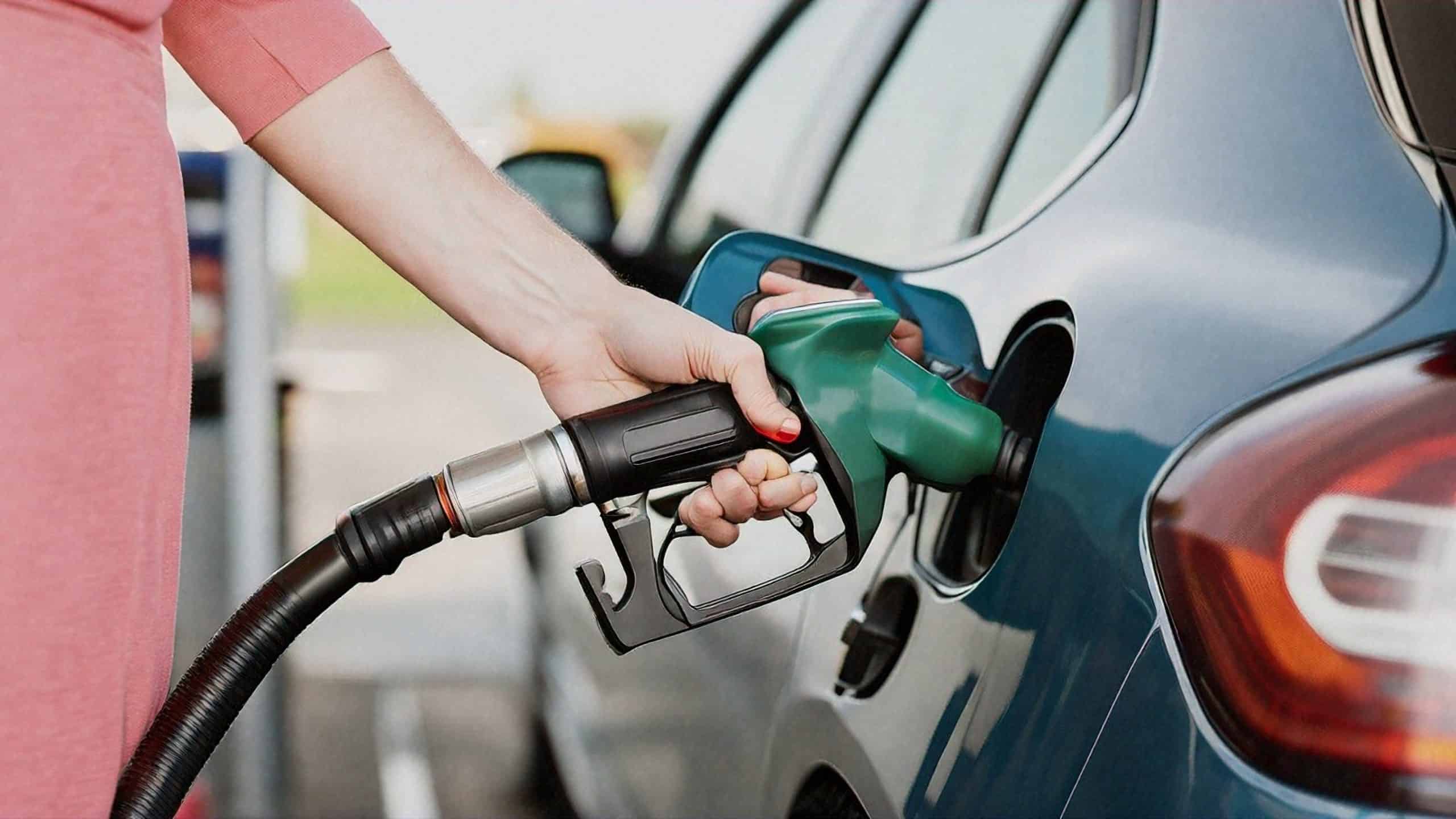
Every 55 Litre Petrol Fill Could Cost £8.25 Less If Retailers Pass On Savings
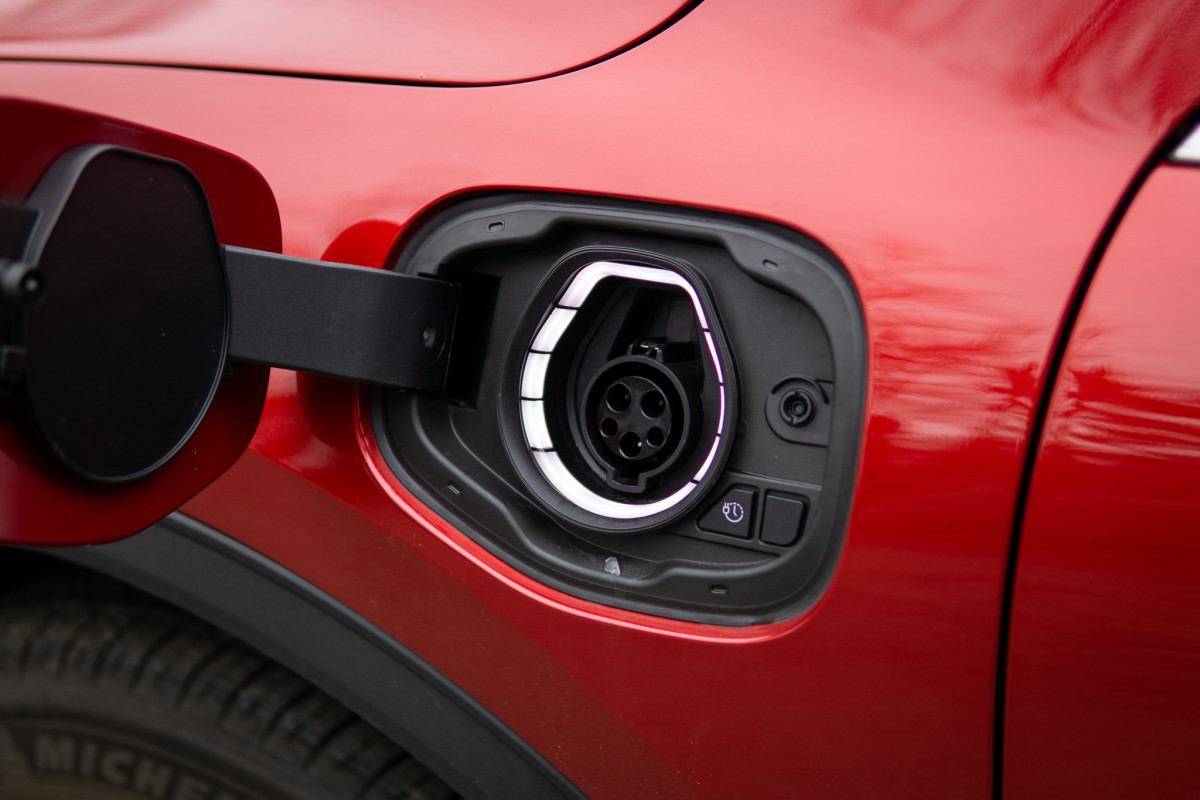
New EVs Average $56,221 With $6,375 in Incentives, Used EVs List $36,582
Trending on Motoring Chronicle

New Driving Test Booking Rule From 9 June Limits Where Learners Can Move Tests

Why Westminster Is Now Seizing Lime, Voi and Bolt Bikes From City Pavements

Why 8 States Are Raising Tolls in 2026 and What Drivers Will Pay

Honoring a legend: 20 years of Veyron celebrated with Le Petit Tour Alsace & during the Bugatti Festival
