
Petrol Is 62.9 Cents a Litre Dearer Than in February, ACCC Finds

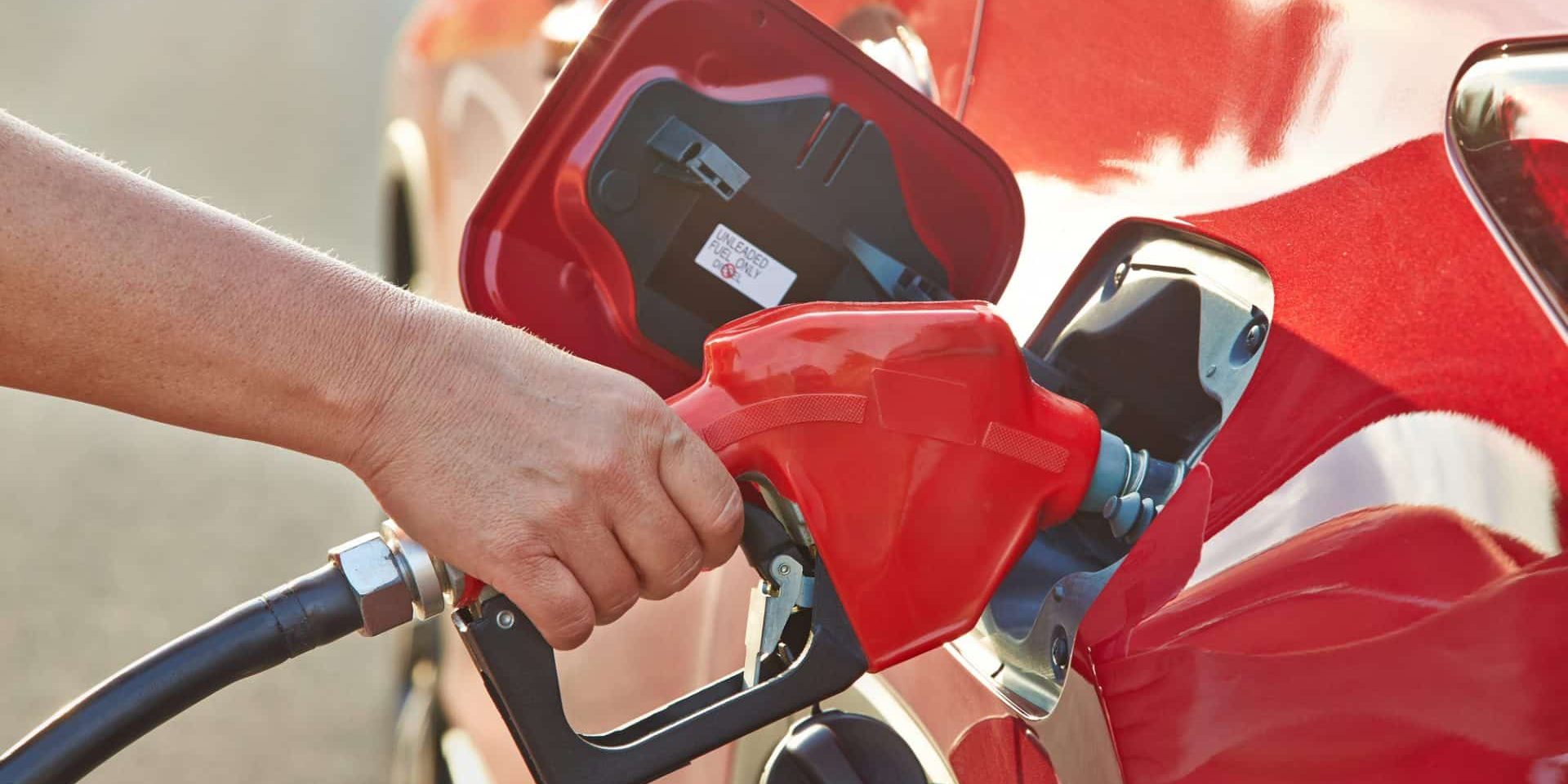
- Regular unleaded across Sydney, Melbourne, Brisbane, Adelaide and Perth averaged 233.8 cents a litre on 28 October, 62.9 cents above 20 February and 23.4 cents below the 31 March peak.
- A 50 litre tank of petrol costs $116.90 at that average, $31.45 more than at February prices, and diesel carries a bigger gap of $50.05 a tank.
- Sydney regular unleaded averaged 236.0 cents on Monday 2 November, and the NRMA expects the mid 230s to hold over the coming week as wholesale prices rise.
A 50 Litre Fill Costs $31.45 More Than It Did in February
Regular unleaded averaged 233.8 cents per litre (cpl) across Sydney, Melbourne, Brisbane, Adelaide and Perth on Wednesday 28 October. The ACCC’s 34th weekly fuel report puts that 62.9 cpl above 20 February, a week before the Middle East conflict involving the United States, Israel and Iran escalated. It is also 23.4 cpl below 31 March, near the top of the price run.
In dollars, a 50 litre tank costs $116.90 at 233.8 cpl. At the 170.9 cpl the ACCC records for the same five cities on 20 February, that tank cost $85.45, which leaves a gap of $31.45 a fill. A driver who buys one 50 litre tank a week pays $125.80 extra over four weeks. Against the 31 March peak of 257.2 cpl, the 50 litre tank is $11.70 cheaper: $128.60 then, $116.90 now.
The latest week brought a small fall. The average dropped 2.4 cpl, around 1 per cent, from the week before, and petrol fell in every capital. Adelaide fell most, by 5.6 cpl. Wholesale prices are moving the other way. The NRMA records the Sydney wholesale price for regular unleaded up 2.6 cpl in the week to Monday 2 November, to 225.1 cpl, and expects the Sydney retail average to hover around the mid 230s over the coming week.
Where Petrol Sits City by City
Canberra was the dearest of the eight capitals on 28 October at 245.5 cpl, followed by Hobart at 244.3 and Darwin at 243.4. Brisbane (236.4), Sydney (235.5) and Melbourne (235.5) sat within a cent of each other, Perth recorded 233.7 and Adelaide was cheapest at 227.7. The spread between Canberra and Adelaide is 17.8 cpl, or $8.90 on a 50 litre fill.
The climb from 20 February was uneven. Hobart rose the most, 79.3 cpl, which adds $39.65 to a 50 litre tank. Perth gained 70.4 cpl, Sydney 70.3, Adelaide 66.4, Darwin 66.3, Canberra 64.3 and Melbourne 59.4. Brisbane rose least at 47.6 cpl, or $23.80 a tank, as it started the year dearest of the five big cities: 188.8 cpl on 20 February, against 161.3 in Adelaide. It still ended 28 October dearest of the five.
RACQ’s latest report, out by 14 October, put Brisbane’s unleaded average at 199.2 cpl, 10.6 cpl above the previous quarter and the highest of the five largest cities, with diesel at 242 cpl, down from 245.6. RACQ and the ACCC measure different periods, so 199.2 and 236.4 cannot be compared. RACQ price specialist Dr Ian Jeffreys put unleaded above 195 cpl and diesel above 235 cpl in Melbourne, Sydney, Adelaide and Perth. His explanation for Brisbane’s position: “Brisbane can be more expensive because it has fewer independent stations, reducing competition”, Dr Jeffreys said.
Brisbane drivers describe the pressure in plain terms. “I don’t know how we can live like this. It’s ridiculous,” said Simone, a South Bank local. She added: “They need to put it down. It’s getting out of hand, it’s out of control.” Then: “I just don’t know how people haven’t pulled their hairs out of their heads yet.” Dylan, another Brisbane local who hunts for the cheapest fuel, gave his view of the cause. “The fuel price has been going crazy, I guess the war at the Strait of Hormuz is playing a part in it, and some poor decisions by the government would be playing a part as well,” he said. On the outlook he said: “Maybe the next election might change that, who knows. Until they sort out what’s going on overseas I don’t think it’s going to come down any time soon.”
Why Prices Have Not Returned to February Levels
The ACCC traces most of the movement to the international refined petrol benchmark, Singapore Mogas 95, and the Australian dollar exchange rate. Benchmark moves flow into wholesale terminal gate prices and then to the bowser, usually with a lag of one to two weeks in the larger cities. The ACCC’s table shows the weekly average Mogas 95 price at about 68 cpl in the week to 20 February, about 130 cpl in the week to 31 March and about 125 cpl in the week to 28 October. That is a rise of about 57 cpl on February, within 6 cpl of the 62.9 cpl retail rise, and 1 cpl higher than the week before. The same conflict pushed petrol in Britain to a two year price high in June.
The step between wholesale and retail is smaller. Terminal gate petrol across the five cities averaged 222.0 cpl on 28 October, down 2.7 cpl on the week, which leaves 11.8 cpl between the wholesale gate and the retail average. The ACCC reads that difference as a rough gauge of the retail margin, which has to cover operating costs and profit. Terminal gate prices leave out transport, and fewer wholesale deals than normal have likely happened at posted prices after the supply disruptions, so 11.8 cpl is a guide and not a measured margin.
Fuel excise has had its own run this year. The federal government announced on 30 March that it would cut fuel excise for three months from 1 April. In June the government extended relief at a reduced rate for one more month, a step Prime Minister Anthony Albanese called “the sensible thing to do”. The ATO confirms the relief ended on 3 August, with excise rising to reflect both the end of relief and the August consumer price index (CPI) adjustment. The ACCC’s charts mark the same turning points: 31 March, 30 June and 2 August.
That timeline shows the gap to February is mostly a benchmark story, and that the fall from the peak came without a tax discount. Full excise applied on 31 March, the day before the cut began, and it applies again now, with the August CPI adjustment on top. Prices still came down 23.4 cpl from that day. Finance Minister Senator Katy Gallagher spoke about the cut as the return of the excise was first floated. “We know that the cut to the fuel excise has really helped households, whilst the war in the Middle East has impacted on petrol prices here,” Senator Gallagher said. The NRMA’s Sydney series spans the whole return: regular unleaded at 236.0 cpl is up 83.8 cpl on 30 June, the day before partial restoration, and that window holds both the tax and the benchmark.
Diesel and Regional Drivers Pay the Most
Diesel did not follow petrol down. The five-city average was 276.7 cpl on 28 October, up 0.1 cpl on the week, 100.1 cpl above 20 February (when it stood at 176.6) and 45.7 cpl below the 31 March level of 322.4. A 50 litre diesel fill costs $138.35, against $88.30 at February prices, a gap of $50.05.
Canberra was dearest for diesel at 288.5 cpl, then Darwin (284.4), Hobart (281.7), Brisbane (281.4), Melbourne (278.5), Sydney (278.3) and Adelaide (276.1). Perth was cheapest at 269.1. Adelaide was the only capital where diesel fell on the week, by 4.7 cpl; Sydney and Melbourne rose 1.6 cpl each. The NRMA had Sydney diesel at 281.6 cpl on 2 November, up 105.3 cpl on 30 June, and expects it to ease this week, with Sydney wholesale diesel down 2.7 cpl to 265.0 cpl. Britain shows the same squeeze: diesel costs in Britain reached 192.5p a litre in September, the highest monthly average the ONS has recorded after July 2022.
Regional prices run higher. Across more than 190 regional locations the ACCC monitors, petrol averaged 245.3 cpl on 28 October, down 1.4 cpl on the week, and diesel averaged 282.8 cpl, up 0.2 cpl. Regional petrol sits 11.5 cpl above the five-city average, which adds $5.75 to a 50 litre fill. The ACCC cautions that local supply, demand, competition, distance and sales volumes all move regional numbers, so place to place comparisons need care.
How to Pay Less at the Pump
The ACCC tells drivers to compare sites before filling up and keeps a state by state list of price apps and websites on its fuel pages. The NRMA directs drivers to its My NRMA app for live prices. In Perth, WA FuelWatch posts a weekly alert that the cycle is rising on Wednesday.
Timing helps only in some places. The ACCC says the usual petrol cycles have largely gone missing in Sydney, Melbourne, Brisbane and Adelaide after the conflict began in late February, so waiting for a cycle low there is a gamble. Perth still cycles weekly. On Tuesday 27 October the Perth average was 221.9 cpl, and on Wednesday 28 October some retailers lifted prices, taking it to 233.7 cpl, a jump of 11.8 cpl or $5.90 on a 50 litre fill. Canberra, Hobart, Darwin and most regional centres have no cycles, and the ACCC says diesel and LPG do not cycle anywhere, so comparison by app is the main tool there.
The grade at the pump moves the bill as well. In Sydney on 2 November the NRMA had E10 at 234.0 cpl, 2.0 cpl below regular unleaded, which saves $1.00 on a 50 litre fill; check the owner’s handbook that the engine suits E10. Premium 98 was 261.4 cpl, so it costs $12.70 more than regular for the same 50 litres.
Businesses hit by fuel costs can ask the ATO for priority processing of tax returns, remission of penalties and interest, a variation to pay as you go (PAYG) instalments or a payment plan. The ATO says fuel tax credit rates changed when the relief ended, so check the current rate before the next activity statement.
The ACCC has been directed to report weekly until 31 March 2027, so the next readings will show whether the mid 230s forecast holds in Sydney. RACQ is urging state governments to lean less on imported fuel and diesel. In Dr Jeffreys’ view, fewer imports would shield Australia from oil price shocks. “Electrification and biofuel use are the quickest ways to improve fuel security, reduce our reliance on imported fossil fuels and support our economy because electricity and biofuels are already locally produced,” he said. The cost side of that choice is laid out in petrol spending against EV charging for a driver deciding whether to switch.
Reviewed by Preetam Gadekar
Want more car content? Add us as a preferred source on Google to your favourites list for the best automotive news and analysis on the internet.
If you enjoyed this article, be sure to follow us on Microsoft Start.

Leave a Comment
More in News

Warming an Electric Car on the Cable Costs Pence, Off It Costs Miles

Boca Raton School Zone Cameras Start Nov. 9, With $100 Fines After 30 Days

Arizona Voters Approve Photo Radar Ban, but $250 Tempe Camera Tickets Stand
Alabama I-65 Work Zone Cameras Can Mail $250 Tickets No Sooner Than Nov. 16

Why Hogging the Middle Lane Risks a £100 Police Fine and 3 Points
Trending on Motoring Chronicle

Volvo Cars’ Black Edition comes to the XC90

Lamborghini Diablo: celebrating 35 years of an icon [Photo Gallery]

Average US Car Insurance Climbs to $2,276 a Year as Maryland Drivers Top $4,200

Bugatti unveils a one-of-one restored Veyron in a showcase of La Maison Pur Sang’s peerless expertise
