Petrol Hits 158.7p a Litre as Middle East Conflict Drives a Two Year Price High
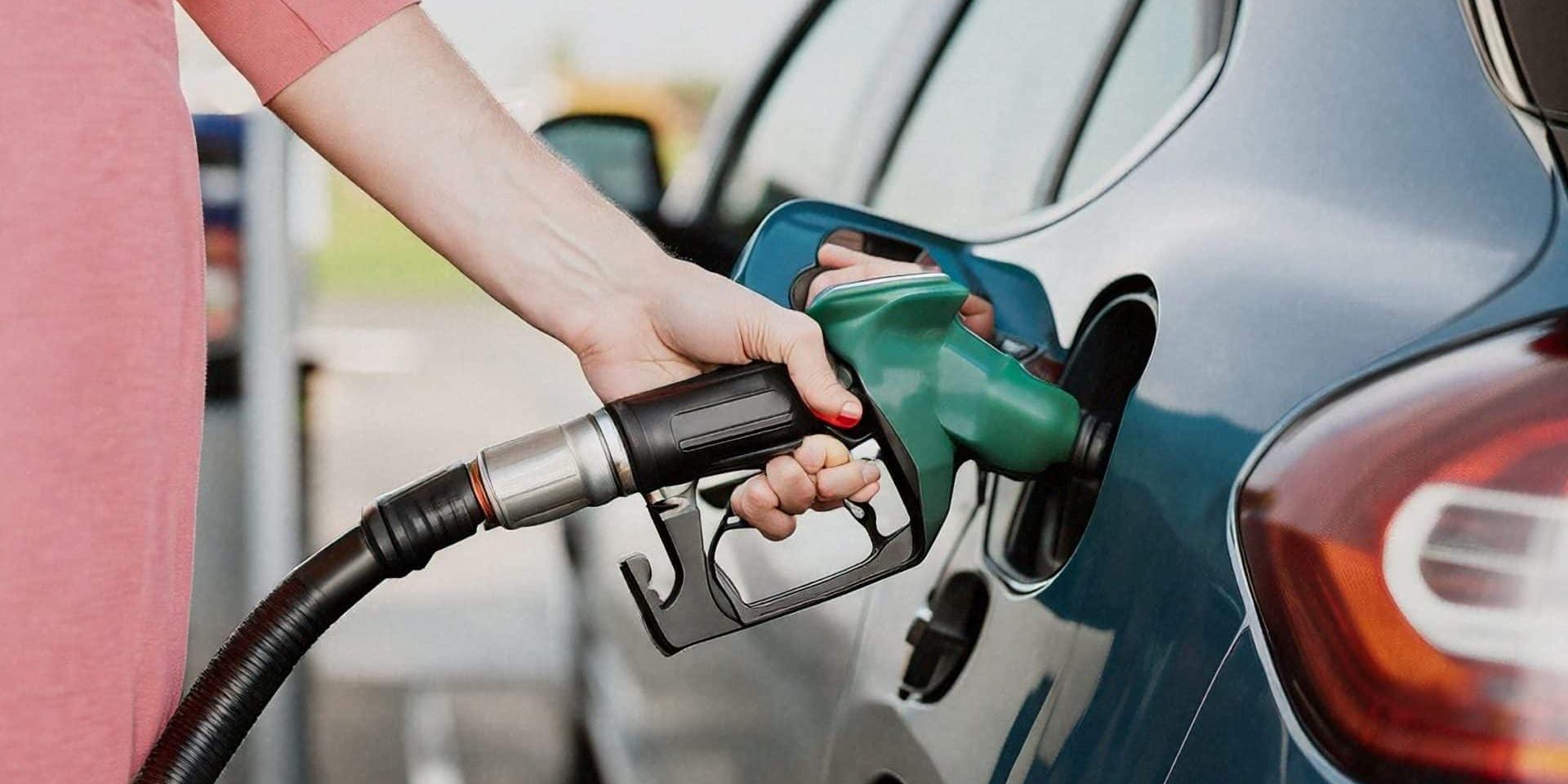
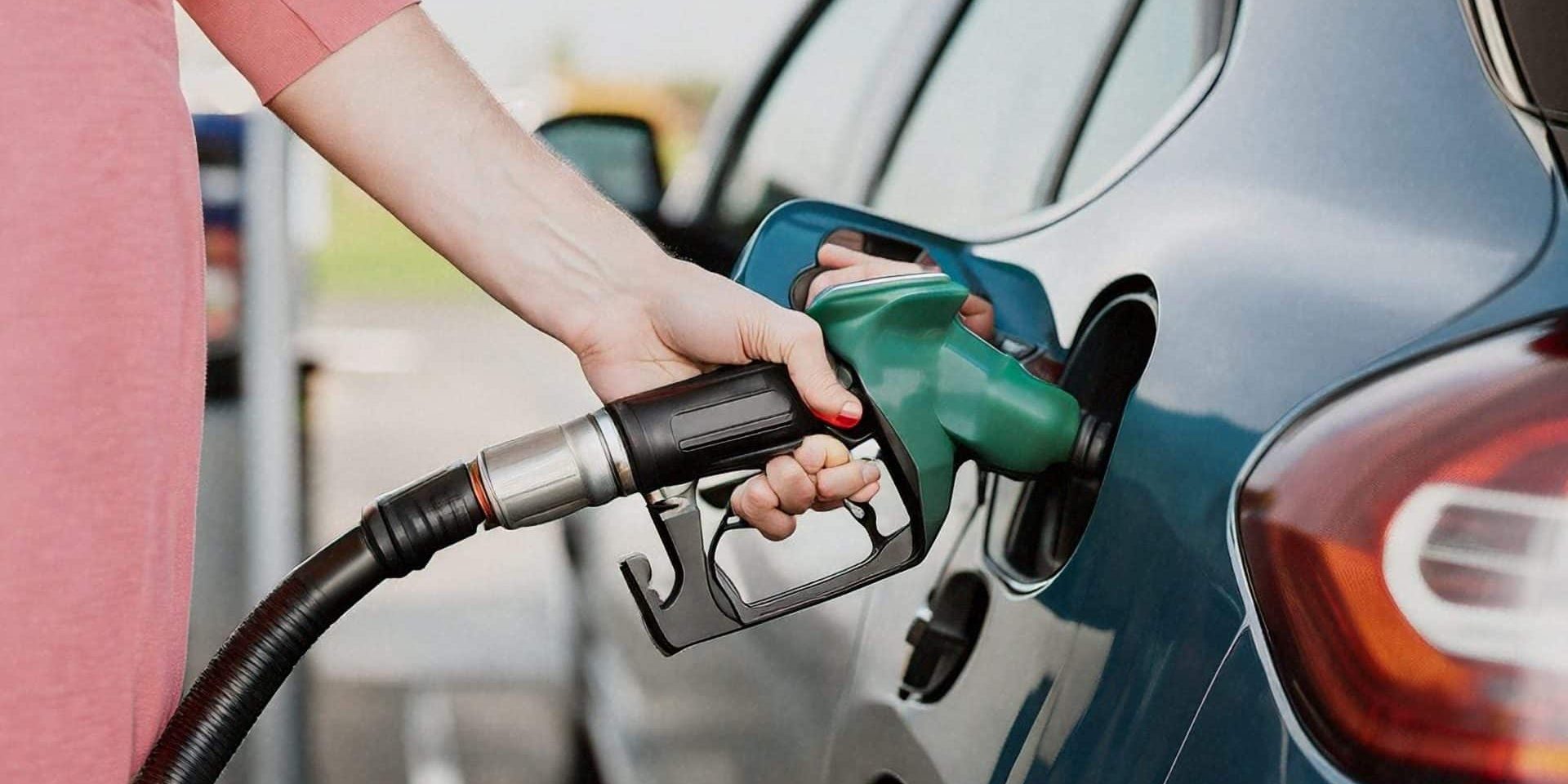
Filling a family car is again one of the sharpest squeezes on the household budget. Average unleaded has climbed back to around 158.7p a litre and diesel to roughly 184p, leaving pump prices at their highest in more than two years. The RAC, which tracks wholesale and forecourt prices daily, links the rise to the conflict in the Middle East that began on 28 February 2026 and has pushed the oil price back above 100 US dollars a barrel. For a driver with a 55 litre tank, a full fill of petrol now costs close to 87 pounds, and a diesel fill closer to 101 pounds. If you drive 10,000 miles a year in a car returning 45mpg, the recent climb adds up to hundreds of pounds over twelve months compared with the calmer prices of last winter.
What Drivers Are Paying Now
The headline averages hide a wide spread at the kerbside. Supermarket forecourts, which sell close to half of all UK fuel from only around a sixth of the country’s filling stations, remain the cheapest places to fill up for most drivers. Motorway services routinely charge well above the national average, and the RAC has documented differences of more than 20p a litre between two stations only a short drive apart. On a 55 litre tank, that 20p gap is the difference between an 87 pound fill and a 98 pound one, paid for nothing more than convenience.
To put the current level in context, the all time records were set in the summer of 2022, when petrol peaked at 191.5p on 3 July and diesel at 199.09p on 25 June. Today’s prices sit below those peaks but well above the longer run average, and crucially they have been rising rather than falling since late February. Diesel had pushed past 192p in mid April before easing by around 8p, while petrol topped out near 159p in late May and has held within a fraction of that since.
Why Prices Have Climbed Since February
What you pay at the pump is driven by the wholesale price retailers pay, and that in turn tracks the global oil price and the pound to dollar exchange rate, because refined fuel is traded in US dollars. When oil rises or sterling weakens, the cost of a litre follows. The RAC says the trigger for this year’s increases is the Middle East conflict that started on 28 February 2026, which has unsettled oil markets and lifted crude back above 100 dollars a barrel. A weaker pound against the dollar amplifies the effect, because every dollar of crude costs more in sterling.
There is also the long observed pattern the RAC calls the rocket and feather effect, where pump prices appear to rise quickly when oil climbs but fall slowly when it drops. The longer retailers hold prices up after a wholesale fall, the better it is for their margins. That is why drivers are urged to keep paying close attention even when oil headlines suggest the worst is over, because the saving does not always reach the forecourt as fast as the increase did.
How the Pump Price Breaks Down
A large share of every litre is tax. Fuel duty has been frozen at 52.95p a litre since the 5p cut introduced in 2022, and on top of the total price drivers pay VAT at 20 per cent. When the pump price is around 120p a litre, roughly 65 per cent of the cost is tax. The rest is split between the wholesale cost of the fuel itself, distribution, and the retailer’s margin. One consequence of this structure is that the Treasury collects more in VAT when prices are high, and fuel duty alone raises more than 26 billion pounds a year.
The 5p duty cut is currently set to expire on 1 September 2026. If it is allowed to lapse rather than being extended again, the headline duty rate would return to 57.95p a litre, adding 5p plus the VAT charged on it to the cost of every litre overnight. That would be felt hardest by high mileage drivers and anyone running an older, less efficient vehicle. The autumn fiscal events are the moment to watch, because the decision on whether to keep the cut will land directly on forecourt prices.
What To Do to Cut Your Fuel Bill
The single biggest lever within your control is where you fill up. Use the government backed Fuel Finder data, which feeds free apps and price comparison tools updated through the day for thousands of stations, to find the cheapest forecourt within a couple of miles before you set off. Aim to pay no more than the national average shown on the RAC Fuel Watch tracker, and treat motorway services as a last resort rather than a default.
Driving style makes a measurable difference too. Easing off sharp acceleration and braking, keeping tyres correctly inflated, removing roof boxes and unnecessary weight, and sticking closer to 60mph than 70mph on longer runs can all trim consumption by a noticeable margin. Some cashback credit cards return a small percentage on forecourt spending, which offsets higher prices provided the balance is cleared in full each month. And if most of your mileage is local and you can charge at home, the gap between petrol costs and home electricity has widened enough that an electric car looks more tempting than it did a year ago, a shift we covered in our look at why petrol drivers have already spent a year’s worth of EV charging costs.
Watch the wider picture as well. The same energy market pressure feeding into petrol and diesel is also pushing up public charging tariffs, which is why the government has ordered a review into public EV charging costs after a 38 per cent price rise. Whichever way you power your car, the cheapest mile is still the one bought after a few seconds of price checking rather than on autopilot at the nearest pump.
How Long the Squeeze Could Last
Predicting fuel prices is a fool’s errand, because they hang on two volatile variables: the global oil price and the strength of the pound against the dollar. While the Middle East conflict that began in late February continues to unsettle supply, the risk is weighted towards prices staying high or climbing further rather than falling back quickly. Any easing of tensions, or a stronger pound, would feed through to cheaper wholesale costs, but as the RAC’s rocket and feather observation makes clear, retailers tend to pass on falls more slowly than rises. In practice that means drivers should not expect rapid relief at the pump even if oil headlines improve.
Where you live also shapes what you pay. Rural areas often see higher prices because of the distance from fuel terminals and weaker local competition, while towns with several supermarkets competing tend to be cheaper. The government has long run a 5p rural fuel duty discount for the most remote communities, including the Inner and Outer Hebrides, the Northern Isles, the Isles of Scilly and a number of mainland areas, but most drivers do not qualify and have to rely on shopping around instead. UK diesel also remains dearer than in much of Europe, largely because it is taxed at the same rate as petrol here while many countries tax it more lightly.
The date to circle is 1 September 2026, when the 5p cut to fuel duty is currently set to expire. If the government lets it lapse, the duty rate returns to 57.95p a litre and, with VAT added on top, every litre gets dearer overnight regardless of what oil is doing. Keeping an eye on that decision, and on the RAC Fuel Watch average as your benchmark, is the most reliable way to avoid overpaying in the months ahead.
Sources:

Leave a Comment
More in News
What DfT Plans for Uninsured Drivers Now Facing a £300 Fine and 6 Points

Are There Warning Signs Before a Cam Belt Breaks? Usually One, and It Is Not the Belt

Fife and Dundee Cars Fail 38.6% of First Attempt MOTs, Nearly Double Sutton’s 20.3%

How to Tell If Rust Will Fail Your MOT (and What a Repair Costs)

Why Your Car Clicks But Won’t Start (and What to Do)
Trending on Motoring Chronicle

UK Drivers Could Face New Points and a £500 Fine Under Government Plans

Citroen C3 Aircross review: Clever family car enters the space race

Maserati MCPURA brings the pure essence of Italian performance on the roads of Versilia
What Dorchester’s Plan to Drop Almost Every Road to 20mph Means for Drivers