
Why Petrol Drivers Have Already Spent a Year’s EV Charging Costs by 9 June
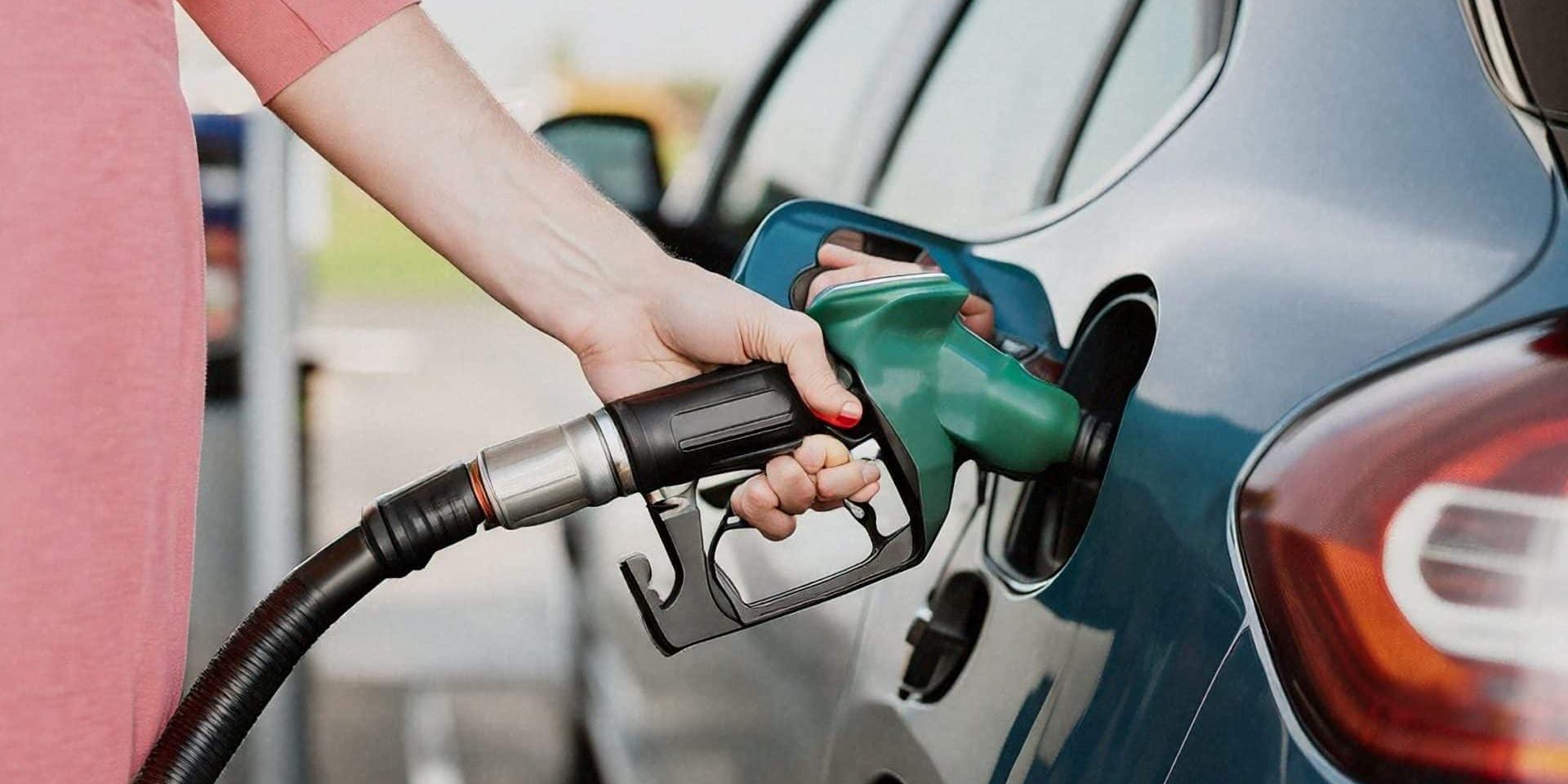
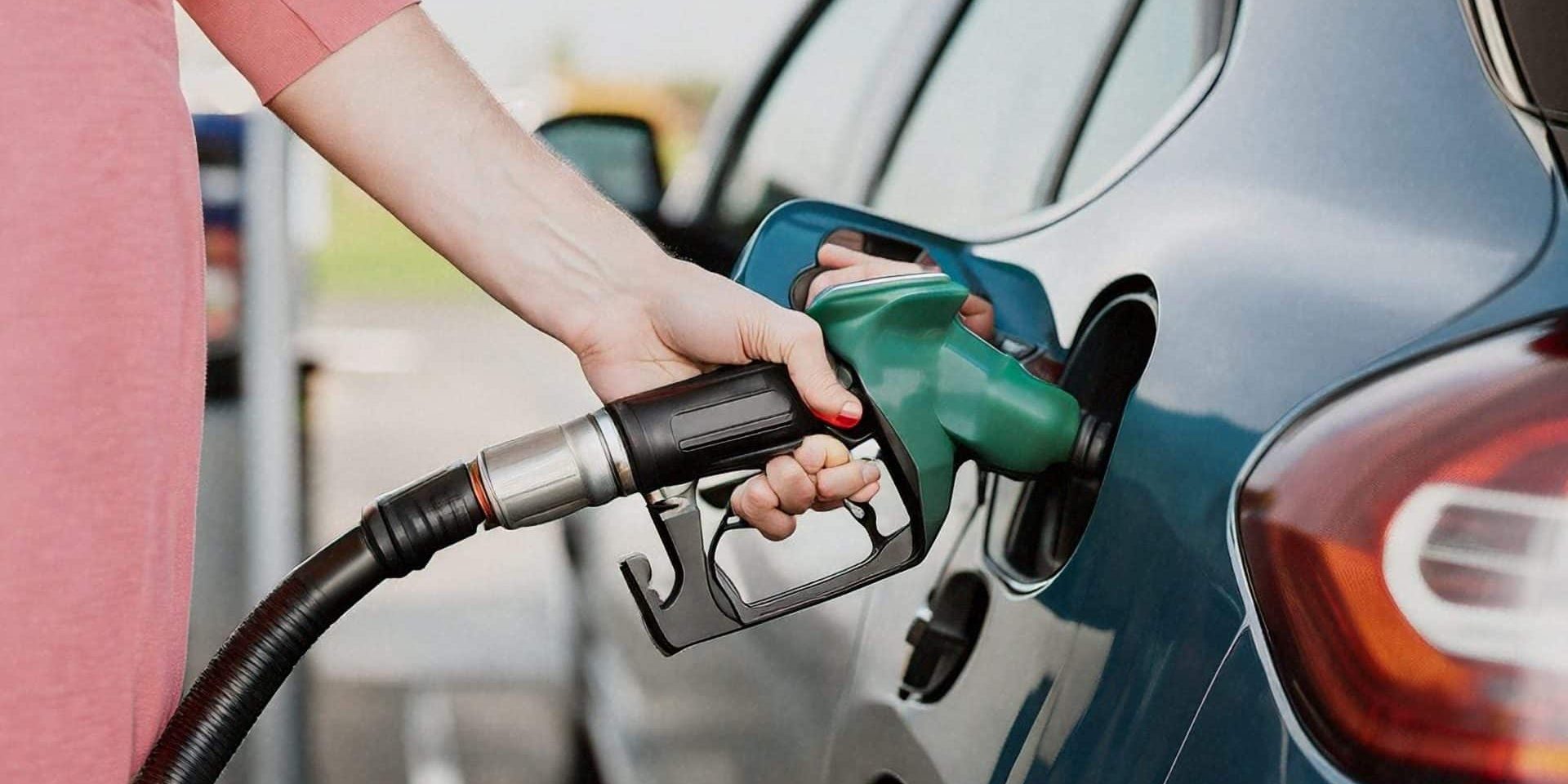
If you drive a petrol car, here is a figure worth sitting with. According to new analysis released to mark what campaigners are calling “Electric Car Day”, the average petrol motorist had, by 9 June, already spent more on fuel this year than an electric car owner will spend on home charging across the whole of 2026. In plain terms, every litre a petrol driver buys for the rest of the year is money an equivalent electric driver simply will not be paying.
The headline numbers are stark. The study puts the average petrol driver’s annual fuel bill at £1,353, against £592 for an electric vehicle owner charging at home on a standard tariff. That is a difference of £761 a year for covering the same distance, and it is the reason the crossover point landed on 9 June, a full 24 days earlier than in 2025, when it fell on 3 July.
What “Electric Car Day” actually means
The date is a simple but telling marker. Researchers calculated the point in the calendar at which a typical petrol driver’s running costs catch up with, and then overtake, the entire year’s charging cost for a comparable electric car. The earlier that date arrives, the wider the running-cost gap has become.
The sums are based on an average annual mileage of 7,400 miles, drawn from Department for Transport figures, an average 2026 petrol price of around £1.56 a litre, and electricity charged at the Ofgem price cap rate of 24.67p per kilowatt hour. On those assumptions, the petrol driver spends roughly £3.71 a day on fuel, reaching the electric driver’s full-year total of £592 by 9 June. Use the more recent 2024 mileage figure of 7,100 miles and the date moves even earlier into the month.
Thom Groot, chief executive and co-founder of The Electric Car Scheme, which produced the analysis, said the comparison lays bare how far the two fuels have diverged. “Petrol drivers are now spending the equivalent of a full year of EV running costs before we hit summer, which means everything they pay at the pump from June 9 onwards is, in real terms, a surcharge for choosing a combustion engine,” he said. He added that for drivers on the cheapest electricity deals, “That isn’t a marginal saving over petrol, it’s a different category of household expense entirely.”
Why the gap keeps widening
Two forces are pulling the figures apart. The first is the price of fuel. Petrol has spent much of 2026 above 158p a litre and diesel above 180p, levels not seen consistently since 2022, as conflict in the Middle East kept a floor under oil prices. The second is electricity, which has become relatively cheaper to use for transport, particularly for drivers who charge overnight.
That second point carries a significant caveat that the headline number hides. The £592 figure assumes home charging at the domestic price cap. Drivers who can only use the public network, especially rapid and ultra rapid chargers, pay far more, with some public tariffs reaching 79p per kilowatt hour. The cost advantage of going electric is real, but it is concentrated among the millions of households with access to a driveway, garage or off-street charging point. Drivers without that access still pay more to charge in public and, because public charging carries 20 per cent VAT against 5 per cent at home, they are taxed more heavily too, a quirk we covered in our report on the VAT gap facing drivers without a driveway.
For drivers who can charge at home on a dedicated electric vehicle tariff, the picture is even more favourable than the average suggests. Overnight rates from several suppliers start at around 7p per kilowatt hour, and drivers combining those tariffs with a salary sacrifice lease are running their cars at under 2p a mile. For that group, the analysis found, petrol drivers had passed a full year of electric running costs as early as 30 January.
The emissions gap is closing even faster
The same research tracked a second crossover point, this time for carbon dioxide. By 23 February, the average petrol car had already produced more emissions than an electric car will generate through a full year of charging. That milestone arrived 10 days earlier than in 2025, when it fell on 5 March.
The reason is the continued cleaning up of the electricity grid. Figures from the National Energy System Operator show the carbon intensity of UK electricity has fallen from 149 grams of CO2 per kilowatt hour in 2023 to 126 grams in 2025, as more wind and solar power displaces gas. Unlike a petrol engine, whose emissions are fixed for the life of the car, an electric car gets cleaner every year the grid does.
What this means if you are weighing up a switch
None of this makes an electric car the right choice for everyone. The upfront price is still higher than a petrol equivalent, depreciation on some models has been steep, and the savings depend heavily on how and where you charge. But for high-mileage drivers with home charging, the running-cost case has rarely looked stronger, and the second-hand market is starting to reflect that. Used electric car sales have climbed sharply as buyers chase those lower running costs, a trend set out in our piece on the record used EV market.
If you are staying with petrol or diesel for now, the same maths points to where the savings are. With pump prices high and the gap between the cheapest and dearest forecourts often running to 20p a litre or more, shopping around is the simplest way to claw money back, as we explained in our guide to finding the cheapest fuel near you. Pump prices have eased a little from their spring peak, but the Competition and Markets Authority has warned that retailer margins remain higher than they used to be, a point we examined when prices fell back from their war peak.
How to work out your own crossover date
The national figures are useful, but your own numbers will be different. Here is how to check them. First, find your real annual mileage from your MOT history or service records rather than guessing, because the average of 7,400 miles flatters low-mileage drivers and understates the savings for anyone covering more. Second, work out your true cost per mile on petrol by dividing what you spend at the pump each month by the miles you cover. Third, if you have off-street parking, get a quote for a home charger and an electric vehicle tariff, then compare the pence per mile, not just the headline kilowatt hour rate.
Drivers without a driveway should be more cautious. Price up your nearest public chargers, factor in the higher VAT, and be realistic about how often you would rely on rapid charging at premium rates. For some city drivers the sums still work, but the running-cost advantage is smaller than the home-charging headline suggests. Whatever you drive, the direction of travel is clear, and for petrol owners the rest of 2026 will be spent on the wrong side of a widening gap.
It is also worth remembering that the running-cost figures sit alongside other savings that do not show up at the pump. Electric cars are exempt from fuel duty entirely, pay nothing in the way of oil changes or exhaust repairs, and until recently escaped vehicle excise duty, though that exemption has now ended for new electric cars. Company car drivers see the biggest difference of all, with benefit in kind tax on electric models still far below the rates applied to petrol and diesel equivalents. For a salary sacrifice driver, the combination of cheap home charging and low company car tax is what turns a modest pence-per-mile saving into a very different monthly outgoing.
The one group the headline does not flatter is the driver who buys an electric car expecting savings but then relies almost entirely on the public network. If that describes your likely use, run the numbers on your nearest chargers before committing, because the gap between 7p a kilowatt hour at home and up to 79p in public is the difference between the bargain in this analysis and a running cost that looks much closer to petrol.
Sources:

Leave a Comment
More in News

Home Charging Saves EV Drivers £1,240 a Year Over Diesel, Ofgem Cap Shows

How to Open a Frozen Car Door Without Breaking the Handle or Seal
Diesel Drivers Covering 10,000 Miles Now Pay £2,020 in Fuel, RAC Data Shows

What Your Car Service Actually Includes (and Which One You Need)

How Electric Cars Became Some of Britain’s Most Stolen Vehicles This Year
Trending on Motoring Chronicle

One of None: Ferrari Reveals the HC25, a 720cv V8 Roadster Built for One Owner

Toyota Owners Can Claim Up to $250 From a $78.5 Million Airbag Settlement

A showcase of speed, elegance, and beauty: the Brouillard debuts in Europe at Wheels Mariënwaerdt

Lamborghini Polo Storico Giro: Miura celebrates its 60th anniversary with a tour
