How Virginia Became the First State to Sentence Speeders to a Car That Cannot Speed
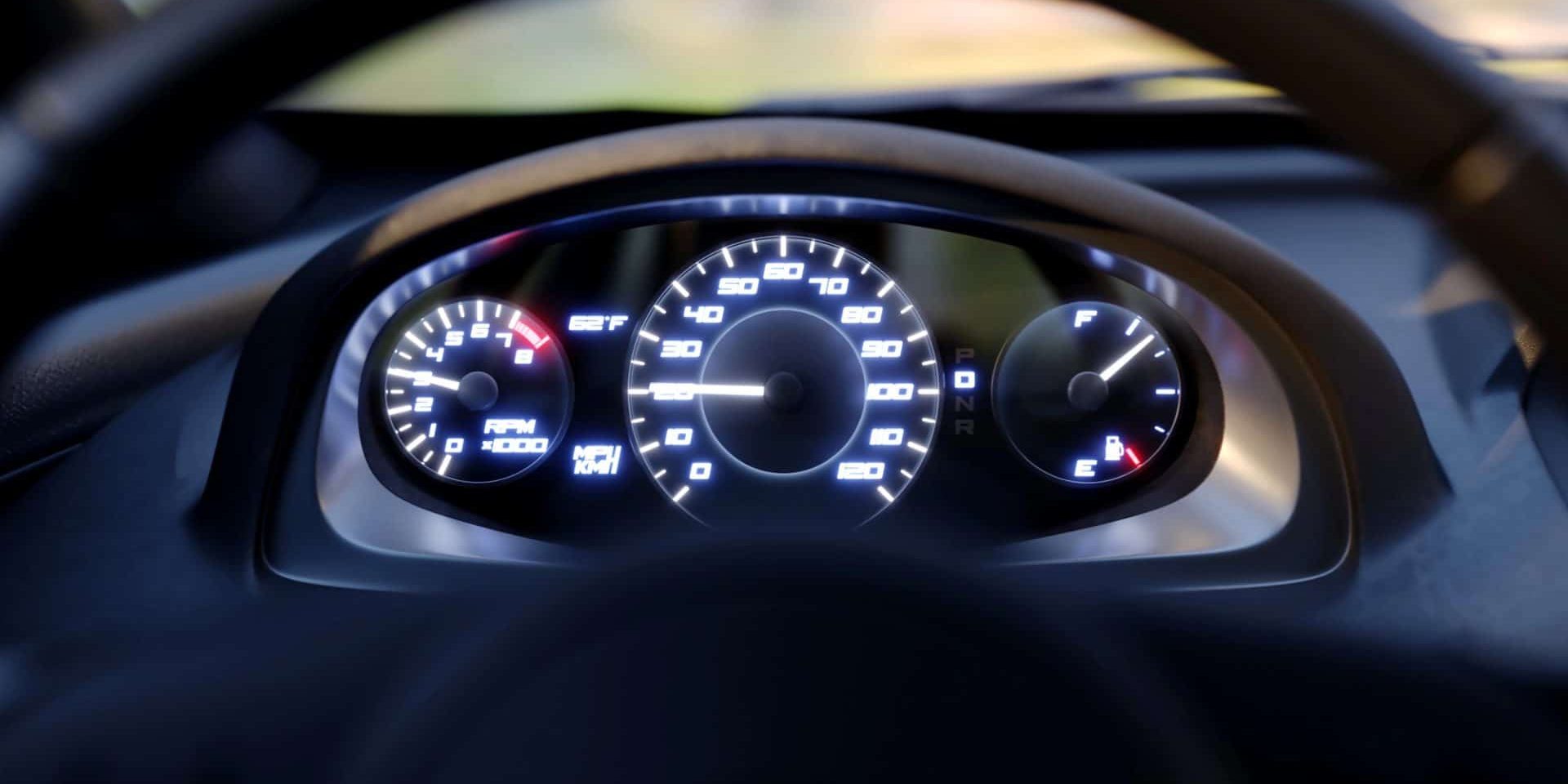
Virginia has switched on a punishment no American state has tried before. As of July 1, judges in the Commonwealth can sentence convicted speeders to drive with a court-ordered speed limiter bolted into their own car, a GPS-linked device that physically stops the vehicle from accelerating past the posted limit. The program, created by House Bill 2096 in the 2025 legislative session and codified at Virginia Code section 46.2-507, makes Virginia the first state in the nation to put Intelligent Speed Assistance into criminal sentencing.
The idea is simple and blunt. Rather than suspend a reckless driver’s license and hope they stay off the road, the court lets them keep driving but takes away the car’s ability to speed. For the drivers affected, it is a structural shift from passive enforcement, tickets and points after the fact, to active real-time intervention inside the vehicle itself.
Every American driver should understand how this works, and not just Virginians. Washington, D.C. already runs a similar program, New York lawmakers advanced their own version aimed at repeat camera-ticket offenders, and road safety groups are pushing the model in state capitals across the country. Virginia is the test bed the rest will study.
Who Can Be Ordered Into the Program
Judges hold discretion to order the device for any standard reckless driving conviction. Virginia sets that bar lower than most states: driving 20 mph over the limit qualifies, and so does exceeding 85 mph anywhere, on any road. Those baseline offenses carry an enrollment period of 60 days to six months.
Above 100 mph, the discretion disappears. A conviction at three-digit speed makes installation a mandatory sentencing requirement. The law also targets repeat offenders directly: racking up 18 DMV demerit points within 12 months brings a mandatory nine-month term with the device, and four convictions for street racing or exhibition driving bring a five-year term.
The order covers the person, and the coverage is tight. A sentenced driver is legally barred from driving any vehicle without the hardware installed, so borrowing a friend’s car or switching to the family’s second vehicle is itself a violation. The device applies across every vehicle the offender registers or owns for the length of the term.
How the Technology Controls the Car
The hardware plugs into the vehicle’s electronic throttle control through the factory CAN bus or the onboard diagnostics port. It cross-references live GPS coordinates against a speed limit database, constantly, so the device always knows the legal limit for the stretch of road the car occupies.
When the car reaches that limit, the module overrides driver input and caps the throttle. It does not grab the brakes and it does not cut the ignition, so the car can still coast downhill above the limit, but the engine will not produce the power to accelerate further. The software builds in a brief allowance, a few seconds of extra throttle, so a driver can complete a passing move before the electronic ceiling clamps back down.
This is a harder form of the technology than what European drivers know. New cars sold in the EU must carry Intelligent Speed Assistance, but the European version warns with beeps and gentle pedal pushback, and drivers can override it. Virginia’s version does not ask. The state wrote the difference into the sentence: the limiter is the punishment.
Regulators elsewhere are circling the same technology. The European Union has required ISA on all new cars sold from July 2024, in its softer warning form. In the United States, the National Transportation Safety Board recommended pushing the technology into new vehicles after a 2022 crash in North Las Vegas killed nine people, with the speeding driver traveling over 100 mph through a red light. Virginia converted that recommendation into sentencing law before any federal mandate arrived.
The Numbers That Pushed Virginia to Act
Lawmakers built the program on grim arithmetic. Virginia State Police data showed 34,460 speeding-related interventions in 2025. Analysis from the AAA Club Alliance found that nearly 45 percent of Virginia’s 918 road deaths in 2024 involved excessive speed. Speed has been the stubborn variable in American road deaths for years, and license suspension, the traditional answer, fails quietly: studies consistently find most suspended drivers keep driving.
That failure is the honest argument for the limiter. A suspension removes a license from a wallet. The device removes speed from the car. Supporters, including the families of crash victims who testified for HB 2096, argued the program keeps offenders employed and mobile while protecting everyone else on the road. Critics call it invasive surveillance bolted to private property, and note the offender pays the installation and monitoring costs on top of court fines.
New York’s parallel effort shows where this is heading nationally. Albany’s proposal ties limiters to drivers who collect 16 speed camera tickets, a scheme Motoring Chronicle examined in June. Between the two approaches, court sentencing and camera-count triggers, the machinery now exists to put speed governors on the drivers statistics say are most likely to kill.
The closest precedent is the ignition interlock. Courts in every state can order convicted drunk drivers to blow into an alcohol sensor before their car will start, a system that grew from a curiosity in the 1980s into hundreds of thousands of installed units nationwide. Interlocks cut repeat drunk driving offenses sharply while installed, and ISA supporters lean on that record: change the car, not just the paperwork, and behavior follows the hardware.
The interlock model carries over to the billing too. Offenders pay the installation and monthly monitoring fees to approved providers on top of court fines, and at least one commercial ISA provider announced availability in Virginia the week the law took effect. Critics answer that fee-based sentencing lands hardest on low-income drivers, and that borrowed cars, family fleets and employer-owned vehicles will generate compliance puzzles the courts will spend the next year sorting out.
What Happens If You Tamper With It
Virginia anticipated the workarounds. The statute makes any attempt to defeat the device a Class 1 misdemeanor, the state’s most serious misdemeanor tier, carrying up to 12 months in jail and a $2,500 fine. That covers splicing wires, pulling fuses, shielding the GPS antenna, and any other circumvention, clever or crude.
The economics of tampering are terrible. The underlying reckless driving conviction was itself a misdemeanor; defeating the limiter stacks a second criminal charge on top, resets the driver’s standing with the court, and hands the prosecution an easy case, as the device logs its own health and reports interference.
The conviction underneath the device carries its own long tail. Reckless driving in Virginia is a criminal misdemeanor, not a traffic infraction, so it lands on background checks, and the insurance surcharges that follow a conviction run for years and routinely cost more than the fine did. The limiter term is the visible part of the sentence; the paperwork shadow is longer.
What Drivers Everywhere Should Watch
If you drive in Virginia, the practical advice is old-fashioned: stay under 85 mph everywhere, keep your margin over the posted limit below 20 mph, and treat 100 mph as a line that now carries a guaranteed hardware sentence. Out-of-state drivers convicted of reckless driving in Virginia face the same courts and the same sentencing options.
For everyone else, watch the data. Virginia’s program will generate the first real American evidence on whether court-ordered limiters cut repeat offenses and deaths. If the numbers move the way supporters expect, the technology will spread the way ignition interlocks did for drunk driving, state by state, until it is standard sentencing furniture. The throttle in your car already answers to software. Virginia just decided the software can answer to a judge.
Sources:

Leave a Comment
More in News

How to Remove Moisture From Inside Your Headlight Before It Costs You £500
What Red and Amber Warning Lights Actually Mean (and Which Fail an MOT)

How to De-Ice Your Windscreen Fast Without Cracking It (and Staying Legal)

New Cars Face Euro 7 Rules From 29 November With a £264 Price Rise
What the Traffic Penalty Tribunal’s 33 Percent Success Rate Means for Every Driver
Trending on Motoring Chronicle

2.2 Million Cars Have a Bluetooth Flaw That Lets Thieves Unlock Them

Past meets electric future: Škoda breathes new life into the iconic 110 R [Photo Gallery]

Why Alabama Just Made Fatal Hit and Run Crashes a More Serious Felony

How to Claim Your $28 Refund From State Farm’s Louisiana Total Loss Settlement