
New York Will Make Repeat Speeders Install Speed Limiters After 16 Camera Tickets
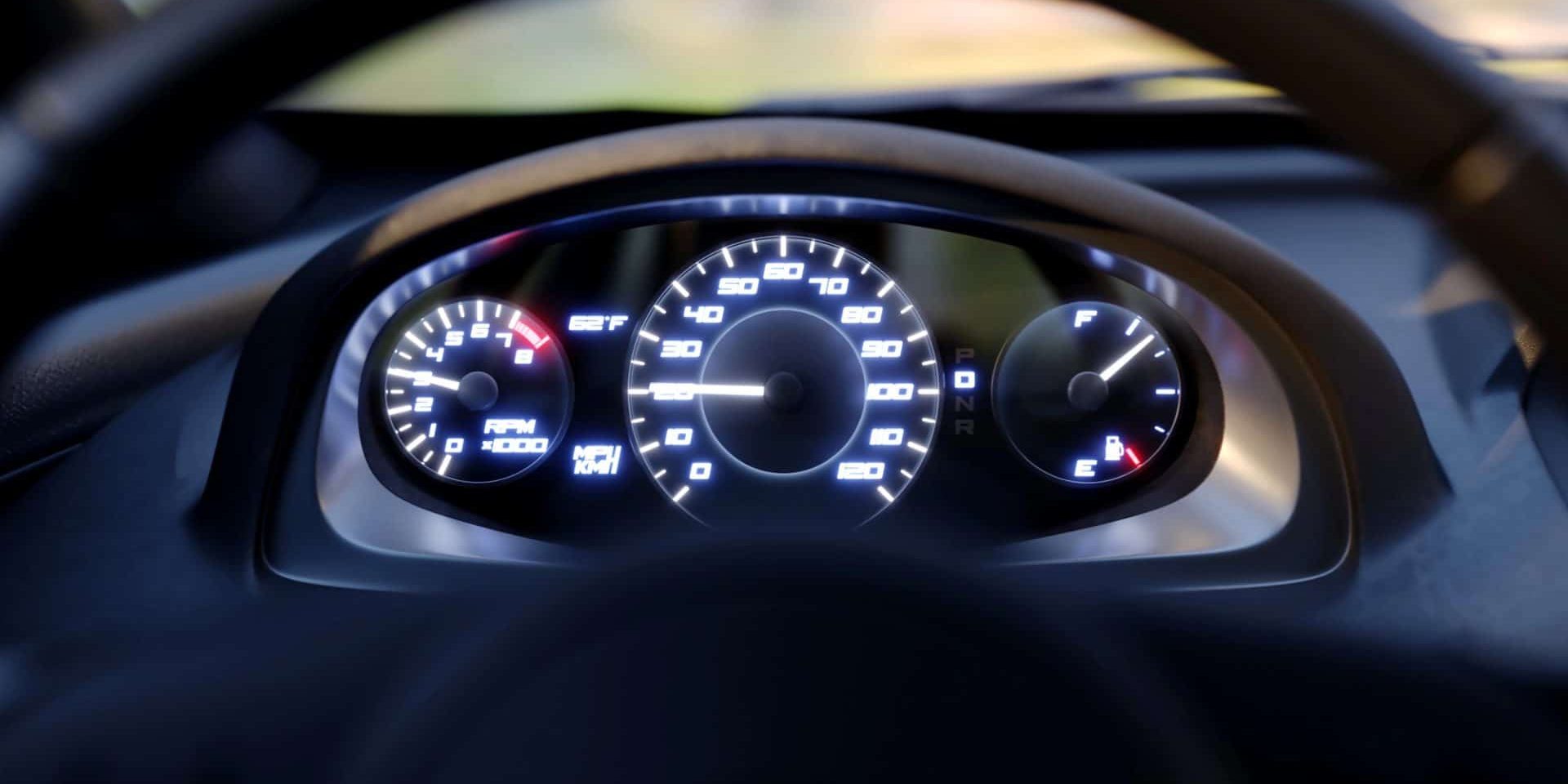
New York is about to do something no other US state has tried: order the most persistent speeders off the gas pedal by force. A version of the Stop Super Speeders Act, written by State Senator Andrew Gounardes of Brooklyn, has been folded into the new state budget, and it authorizes New York City to run a pilot program that forces the worst repeat offenders to install a speed limiter in their vehicle. The trigger is simple and strict. Rack up 16 or more automated camera tickets in a 12 month window and the city can require you to put a device in your car that physically stops it from going faster than the posted limit.
For the average driver who picks up the occasional ticket, nothing changes. This is aimed squarely at a small group of drivers who collect violations by the dozen and keep driving anyway. But the precedent is large. If the New York City pilot works, intelligent speed limiters could become a standard penalty for reckless driving across the country, the same way red light cameras and speed cameras spread from a handful of cities to thousands of intersections nationwide.
How the Speed Limiter Program Will Work
The technology at the center of the law is called Intelligent Speed Assistance, or ISA. It is a piece of hardware that connects to a vehicle and uses GPS location data to know the speed limit on the road you are driving. When you try to exceed that limit, the system holds the car back so it cannot accelerate past the posted number. Drivers keep full control of steering and braking. What they lose is the ability to floor it.
This is not experimental equipment. The European Union has required Intelligent Speed Assistance in every new car sold since July 2024, so millions of vehicles already on the road in Europe carry a version of it. In the United States, the National Transportation Safety Board has formally recommended that regulators move toward speed limiting technology for repeat offenders after investigating crashes caused by extreme speeding. New York City itself has been quietly testing the idea on its own vehicles. The city fitted Intelligent Speed Assistance to thousands of municipal fleet vehicles in a pilot that worked well enough that officials expanded it into what the city says is the largest such program in the world.
Under the new law, the City of New York is authorized to require the device on any vehicle whose owner crosses the 16 ticket threshold. The vehicle owner is responsible for paying for the device, though the law builds in a hardship waiver so drivers who genuinely cannot afford the cost can have the fee waived rather than lose their car or their license over it. The pilot starts in New York City, but the underlying state bill, numbered S4045, was written so the framework can grow from there.
Which Tickets Count and What Happens If You Refuse
The 16 violation count is not limited to speed camera tickets alone. Reporting on the program indicates the threshold pulls in the full range of automated enforcement, including speed cameras, red light cameras, and the stop arm cameras mounted on school buses. That matters because a driver who blows past stopped school buses and runs red lights can hit the limit without ever being pulled over by an officer. The cameras do the counting, and the count follows the vehicle.
Once an owner crosses the line, the city can issue an order to install the limiter. Senator Gounardes has been candid that the version in the budget still needs stronger teeth to make sure drivers actually comply, and that he intends to keep pushing for clear accountability measures. As the law is structured, a driver who ignores the order faces a series of escalating civil fines, and if the device still is not installed, the state can suspend the vehicle’s registration entirely. Early reporting on the program has described penalties climbing into the four figure range and a roughly 45 day clock before a registration is pulled, though the precise schedule will be set as the city writes its rules.
The escalation ladder is the point. The state is not trying to collect more fine money from people who already ignore tickets. It is trying to physically remove the ability to speed from drivers who have proven that fines alone do not stop them. A suspended registration means the vehicle cannot legally be on the road at all, which is a far heavier consequence than another ticket in the mail.
Why New York Is Targeting Super Speeders
Speed is one of the deadliest factors on American roads. The National Highway Traffic Safety Administration estimates that speeding plays a role in about a third of all traffic deaths, putting it roughly on par with drunk driving as a killer. The physics are unforgiving. According to research cited by street safety advocates, a person struck by a car traveling 35 mph is about five times more likely to die than a person struck at 20 mph. Small differences in speed produce enormous differences in whether a crash is survivable.
Supporters of the law argue that a tiny number of drivers cause a disproportionate share of the danger. These are the motorists who treat a $50 camera ticket as the cost of doing business and keep driving the same way. Standard enforcement, which depends on a fine arriving weeks later, has little effect on someone who has already absorbed 15 of them. By tying the penalty to the vehicle and changing what the vehicle can physically do, the state is betting it can stop the behavior even when the fines cannot.
The approach is not without critics. Civil liberties groups and some drivers question handing a government program control over how fast a private car can go, and there are practical questions about GPS accuracy, how the device handles roads with changing limits, and who is liable if the hardware fails. Those concerns are part of why the program is launching as a limited pilot rather than a statewide mandate. The results in New York City will shape whether other states follow or steer clear. New York’s experience with speed and red light cameras, which started small and then expanded sharply, is the template both sides are watching.
What Drivers Should Do Now
If you drive in New York City, the practical takeaway is to stop treating camera tickets as background noise. Track them. Pay them. The 16 violation threshold sounds high, but it is reached over a full year, and it includes red light and school bus camera tickets that drivers often forget they received. You can check outstanding camera violations tied to your plate through the New York City Department of Finance, and clearing them keeps you well clear of the limiter program.
For drivers everywhere else, this is a signal of where automated enforcement is heading. The same camera networks that already issue tickets are now being linked to consequences that go beyond a fine. Intelligent Speed Assistance is also moving into ordinary new cars as a built in feature, so even drivers who never face a penalty will encounter speed limiting technology in the years ahead. Knowing how it works, and that it leaves you in control of everything except the top of your speed range, takes some of the mystery out of it. The cheapest way to avoid a speed limiter remains the oldest advice there is. Slow down, especially in the camera zones around schools and busy intersections where the tickets and the crashes pile up.
New York’s move arrives alongside a wider federal push to build safety technology directly into vehicles, from automatic braking to systems designed to detect impaired drivers. You can read more about that effort in our coverage of the federal plan to put impaired driving detection in every new car.
Sources:
- New York State Senate, Sen. Gounardes’ Stop Super Speeders Act Included in State Budget: https://www.nysenate.gov/newsroom/press-releases/2026/andrew-gounardes/sen-gounardes-stop-super-speeders-act-included-state
- Gothamist, State to force NYC super speeders to install speed limiters: https://gothamist.com/news/state-to-force-nyc-super-speeders-to-install-speed-limiters-top-lawmaker-says
- NHTSA, Speeding: https://www.nhtsa.gov/risky-driving/speeding
- NYC DCAS, City to implement largest Intelligent Speed Assistance program in the world: https://www.nyc.gov/site/dcas/news/021-25/city-new-york-implement-largest-intelligent-speed-assistance-program-the-world

Leave a Comment
More in News

Garages Warn MOT Testing Capacity Is at Risk After 16 Years With a Frozen Fee

Stellantis Recalls 848,000 Chrysler, Dodge, Jeep and Ram Vehicles Over Backup Camera Glitch
MINI Cooper S Rooftop Edition Arrives This Fall From $39,995

New Mercedes-Benz C-Class Brings AI Voice Assistant and 255-Horsepower Engine to US in 2027

Kia K4 review: Spacious family hatchback cuts a dash
Trending on Motoring Chronicle

Half of Gen Z drivers give their car nicknames, with Baby being the most common

EV Batteries Are Lasting Far Longer Than Expected, Real-World Data From 8,000 Cars Shows

Why UK Fire Services Now Tackle a Lithium Battery Blaze Every Five Hours
The Weekend Police Seized 90 Cars Including a £3.7 Million Ferrari for Driving Without Insurance
