
Mercedes-Benz Recalls 310,667 Vehicles Over a Parking Brake That Can Silently Fail


Mercedes-Benz is recalling 310,667 vehicles in the United States after federal regulators found a corroding switch in the driver’s door that can silently disable the car’s automatic parking brake. Owners will not get a warning light or a chime. The safety feature simply stops working, and the driver has no way of knowing it happened.
What Went Wrong Inside the Door
The defect traces back to a micro-switch built into the driver’s side door lock assembly. That switch tells the car’s computer whether the door is open or closed. Moisture and oxidation degrade the switch over time until it can no longer send an accurate signal.
Modern Mercedes-Benz models use that door signal to trigger the automatic electronic parking brake. When a driver opens the door with the vehicle in park and the engine off, the parking brake engages on its own as a backup against rollaway. It is a passive safety feature drivers rarely think about; it normally works without any action on their part.
Once the corroded switch stops reporting the open door, that automatic engagement disappears along with it. Mercedes-Benz filed the recall with the National Highway Traffic Safety Administration on July 30 under campaign number 26V481000. The automaker told regulators it is not aware of any crashes, injuries, or rollaway incidents linked to the defect so far, according to the recall report NHTSA published this week.
Which Cars Are Affected
The recall spans model years 2019 through 2026 and covers seven separate model lines, including the A-Class and C-Class sedans, the GLC and GLA and GLB SUVs, and the CLE coupe. The wide range of body styles and years reflects how many current Mercedes-Benz vehicles share the same door lock hardware.
Owners can find out whether their specific car is included by entering their VIN or license plate into the NHTSA recall lookup tool at nhtsa.gov/recalls, searching campaign number 26V481000. Mercedes-Benz dealers will also be able to confirm eligibility using the vehicle identification number.
The defect depends on gradual corrosion, so cars that spend more time in humid climates or regions that use road salt in winter face a higher chance of the switch failing early. A vehicle built in 2019 has had years longer to accumulate that kind of wear than one built in 2026, though Mercedes-Benz has not published a state-by-state breakdown of affected vehicles.
What Owners Should Do Now
Mercedes-Benz will notify owners by first-class mail and dealers will replace the driver’s door lock assembly at no cost. There is no cash outlay for the repair itself, though owners who already noticed a malfunctioning parking brake and paid for it out of pocket before the recall was announced could be eligible for reimbursement. NHTSA requires manufacturers to spell out those reimbursement terms in the owner notification letter.
Until the repair is done, safety advocates recommend a simple habit: always confirm the transmission is fully in park and set the manual parking brake by hand before stepping out of the vehicle, rather than relying on the automatic system to catch a mistake. That advice applies to any vehicle, not only ones in the recall population.
Owners who booked a repair appointment before parts are available at their local dealer should ask whether a loaner vehicle is available, especially for anyone who parks on a hill or a sloped driveway regularly. Mercedes-Benz has not given a firm date for when replacement parts will reach every dealership nationwide.
Why Electronic Parking Brakes Fail Differently
Older cars used a hand lever or a foot pedal connected to the rear brakes by a steel cable. Pull the lever, the cable tightens, the brake locks. Nothing about that system depended on a computer chip or a corroding sensor. Most vehicles built in the last decade have replaced that mechanical link with an electronic parking brake, usually a small switch on the console that sends a signal to an actuator at each rear wheel.
Electronic systems bring real benefits. They free up space in the center console, they can release automatically when the driver presses the gas, and, in Mercedes-Benz’s case, they can engage on their own as a safety backup when a door opens. But every one of those benefits depends on a working signal chain from sensor to computer to actuator. A single corroded switch can break that chain without any dashboard warning, which is exactly what happened here. A mechanical parking brake fails loudly, with a lever that will not hold. This one failed silently.
Other automakers have run into similar problems as they add more electronics to what used to be simple mechanical systems. Door sensors, seat occupancy sensors, and backup camera modules have all generated their own share of 2026 recalls across the industry, a reminder that added convenience can come with added points of failure that owners cannot see or test on their own.
A Pattern of Recalls at Mercedes-Benz in 2026
This is not Mercedes-Benz’s first major recall this year. In February, the automaker recalled more than 11,000 electric vehicles over a high-voltage battery defect serious enough that Mercedes-Benz told owners to park the affected cars outside: the fault could ignite a fire in vehicles that were parked and switched off, not just while driving. In May, the company recalled another 144,000 vehicles for a separate issue involving the instrument display panel, a defect fixed with a software update rather than a physical part replacement.
Three recalls in seven months, touching more than 460,000 US vehicles combined, point to a stretch of quality control problems spanning both the electrical systems in Mercedes-Benz’s EV lineup and long-standing mechanical hardware in its gas-powered models. The parking brake defect is the largest of the three by vehicle count and the one most directly tied to driver safety in a parked car, a scenario that offers no time to react if something goes wrong.
NHTSA recall filings this year show a broader pattern across the industry: door-related sensors and software have become a recurring failure point as automakers pack more electronics into systems that used to be purely mechanical. A parking brake once controlled by a hand lever and a steel cable now depends on a chain of electronic signals, any one of which can fail quietly if a single component corrodes.
For Mercedes-Benz owners, the practical takeaway is simple. Check the NHTSA database this week, watch the mail for a recall notice, and book the free repair once parts are available. For drivers shopping for a used Mercedes-Benz in the 2019 to 2026 range, running the VIN through NHTSA’s lookup tool before signing paperwork now belongs on the same checklist as a mechanical inspection and a vehicle history report.
The lookup tool is free and takes seconds. Owners type a 17-character VIN, found on the driver’s side dashboard where it meets the windshield or on the vehicle registration card, into the search field at nhtsa.gov/recalls, and the site returns every open recall tied to that specific car, not just the campaign it was built for. A vehicle that changed hands two or three times over its life can carry an open recall the current owner never received a mailed notice about, especially if a previous owner moved and Mercedes-Benz’s records were never updated. Running the VIN directly sidesteps that gap entirely.
Sources:

Leave a Comment
More in News
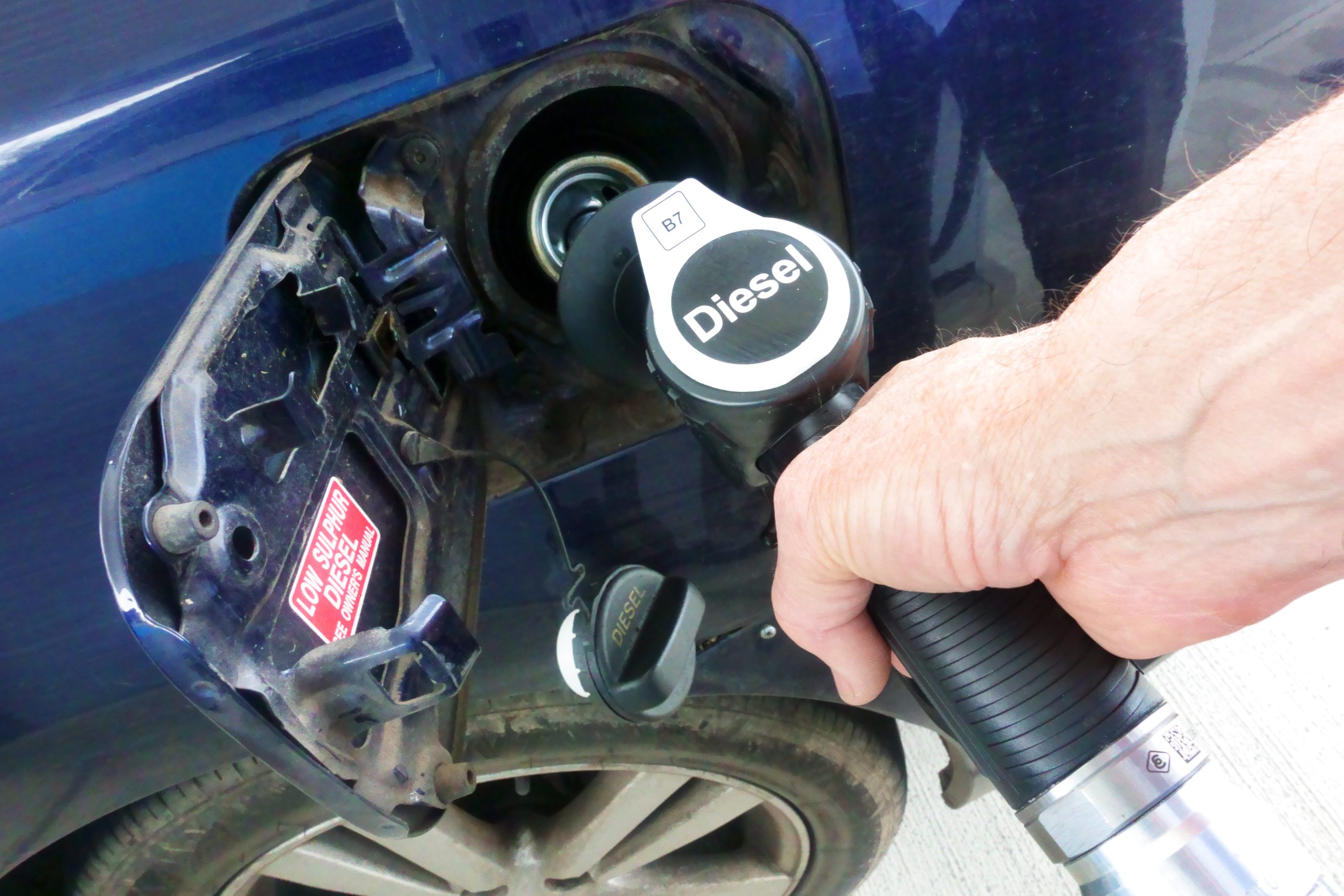
Diesel Drivers Pay £105.88 per 55 Litres as ONS Puts Fuel Up 29.8 Percent

How DfT’s £220 Million Pothole Funding Could Save Drivers Nearly £600 on Repairs

DVSA Data Shows Kirkcaldy MOT Failures Hit 36.2 Percent, Against 20 Percent in Ilford

Every Driver Fitting LED Headlight Bulbs Risks a £54.85 MOT Fee Under New DVSA Rules

Why Subaru Is Telling Owners of Brand New Crosstreks and Foresters Not to Drive
Trending on Motoring Chronicle
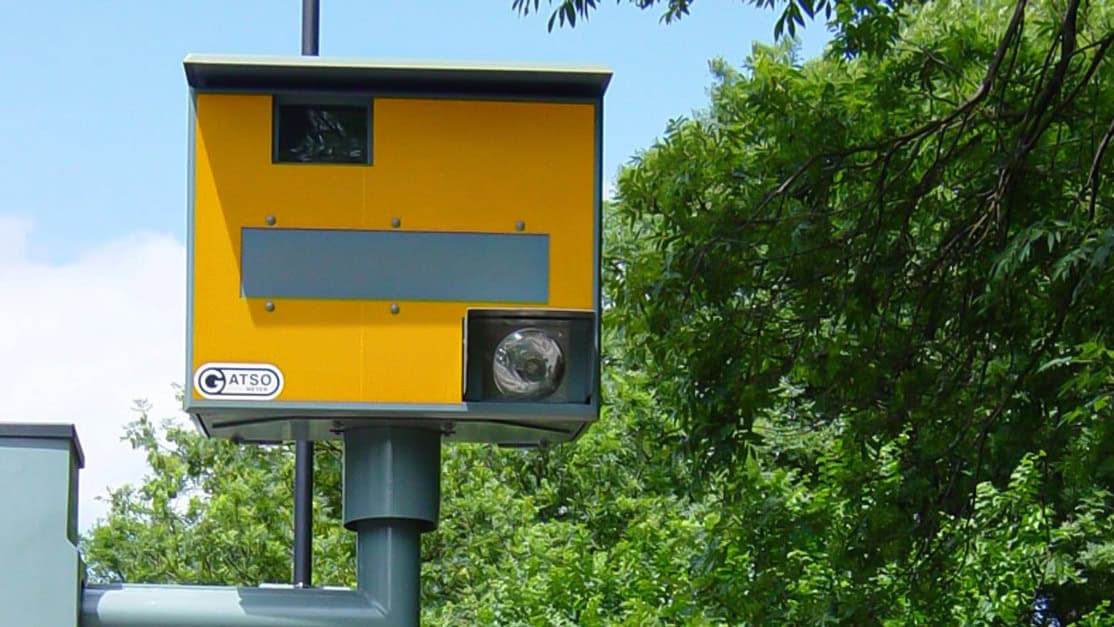
How Virginia’s New AI Cameras Now Catch Drivers Running Stop Signs
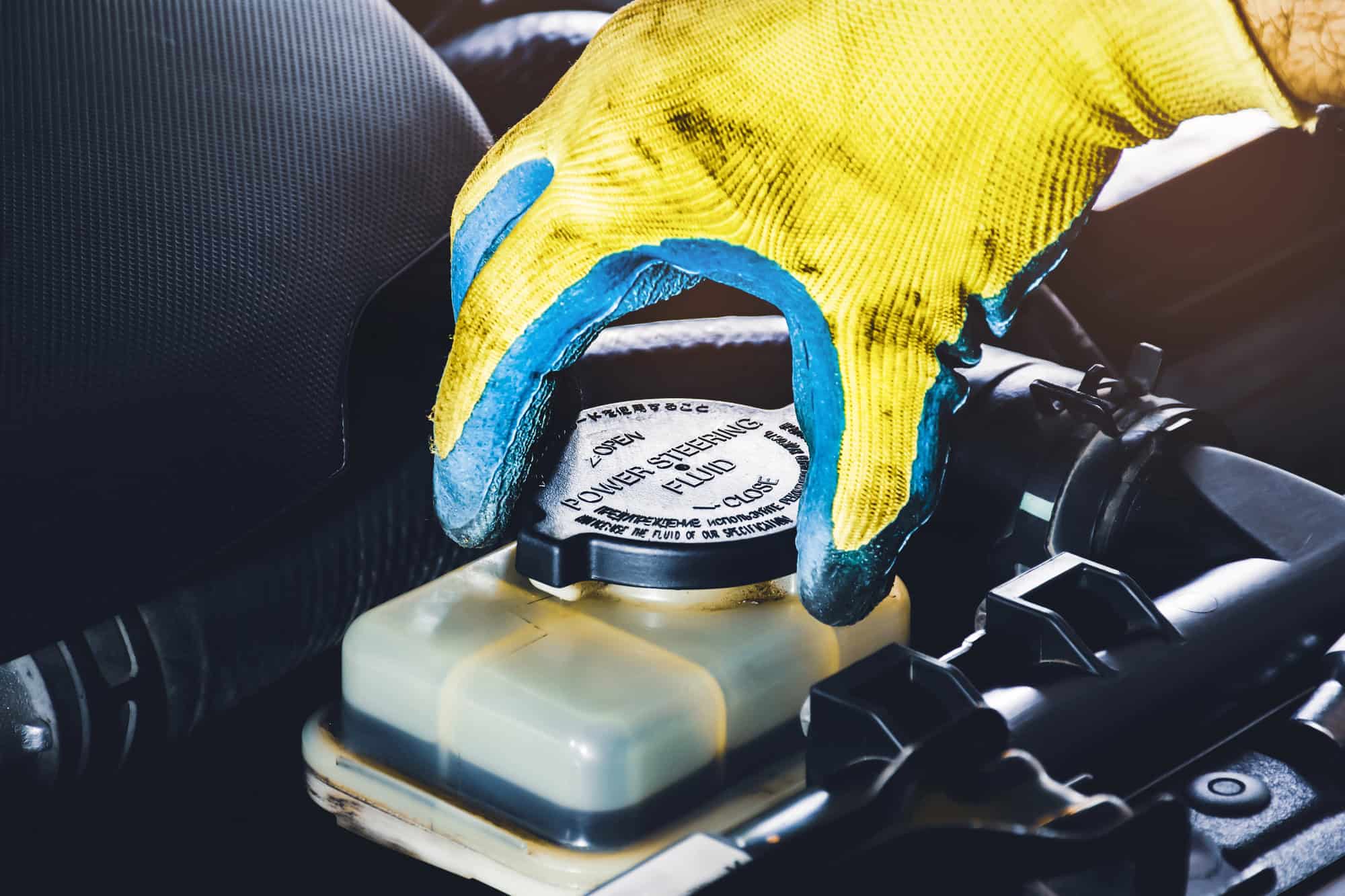
GM Recalls 26,541 Chevy Express and GMC Savana Vans Over a Loose Steering Nut
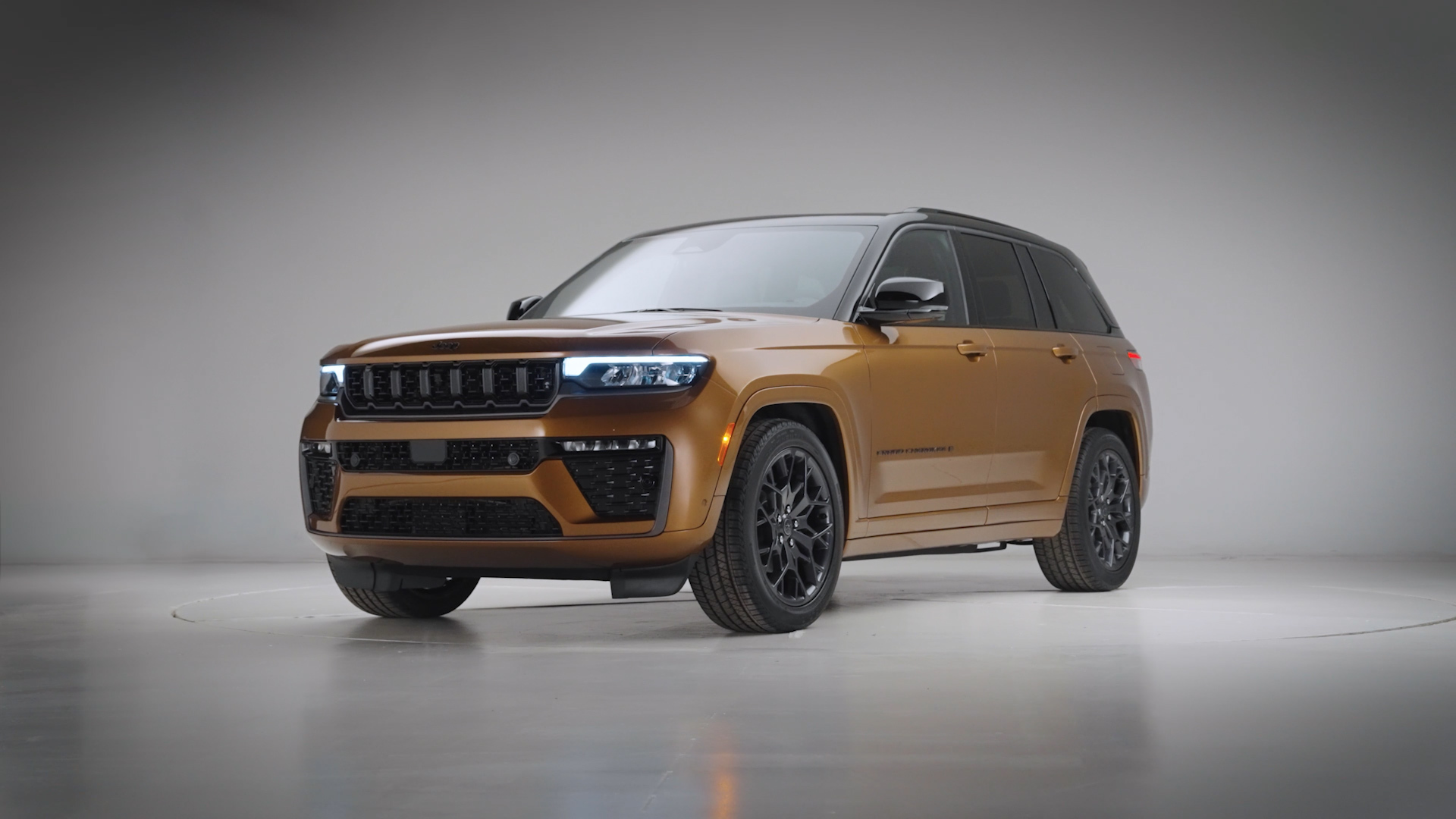
Jeep Recalls Grand Cherokees and Wagoneers After Gear Displays Go Blank

Kia Prices 2027 K5 From $27,690 as EX Trim Is Cut
