
How Massachusetts Speed Cameras Could Start Fining Drivers Under a New Bill
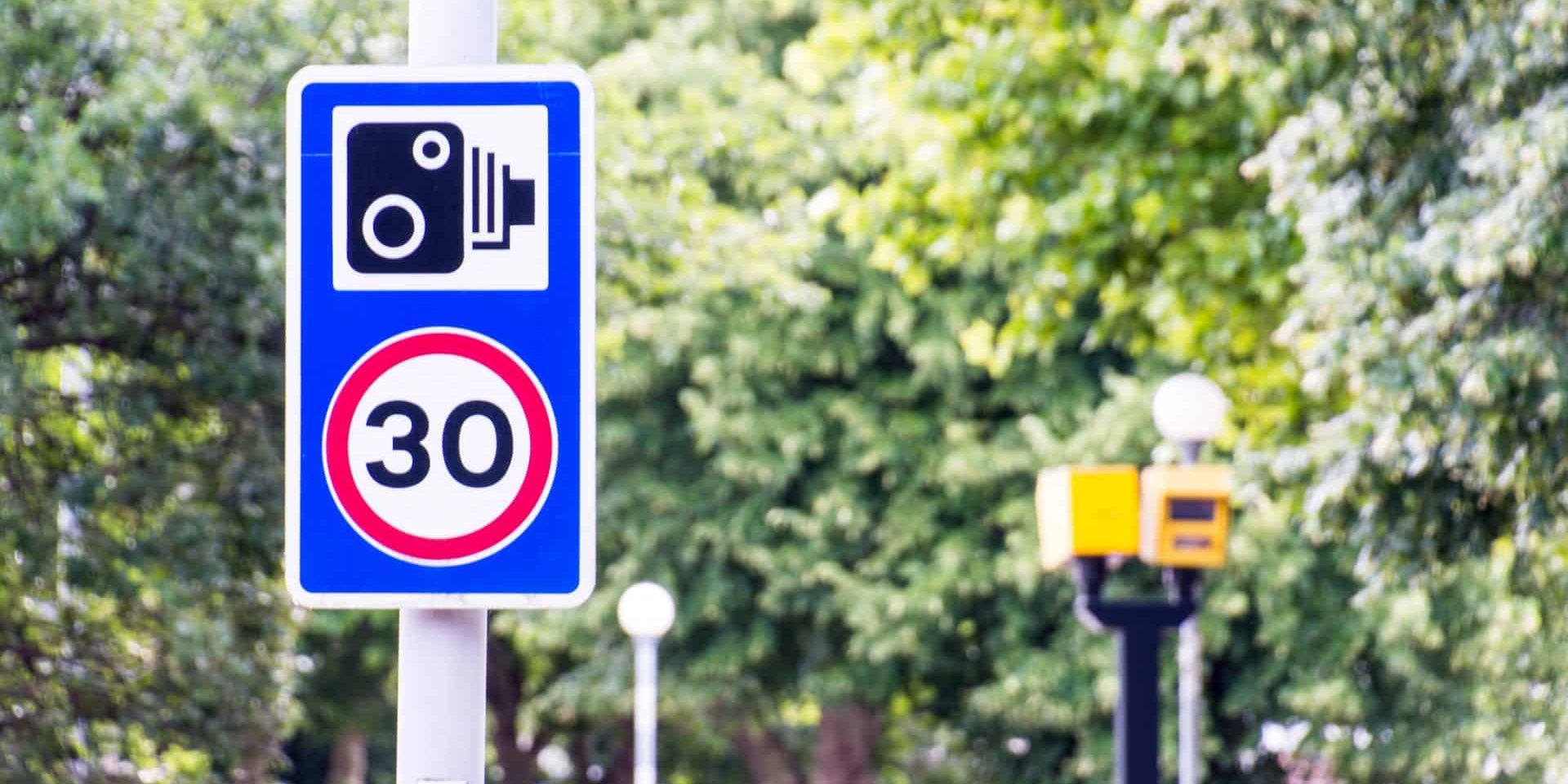
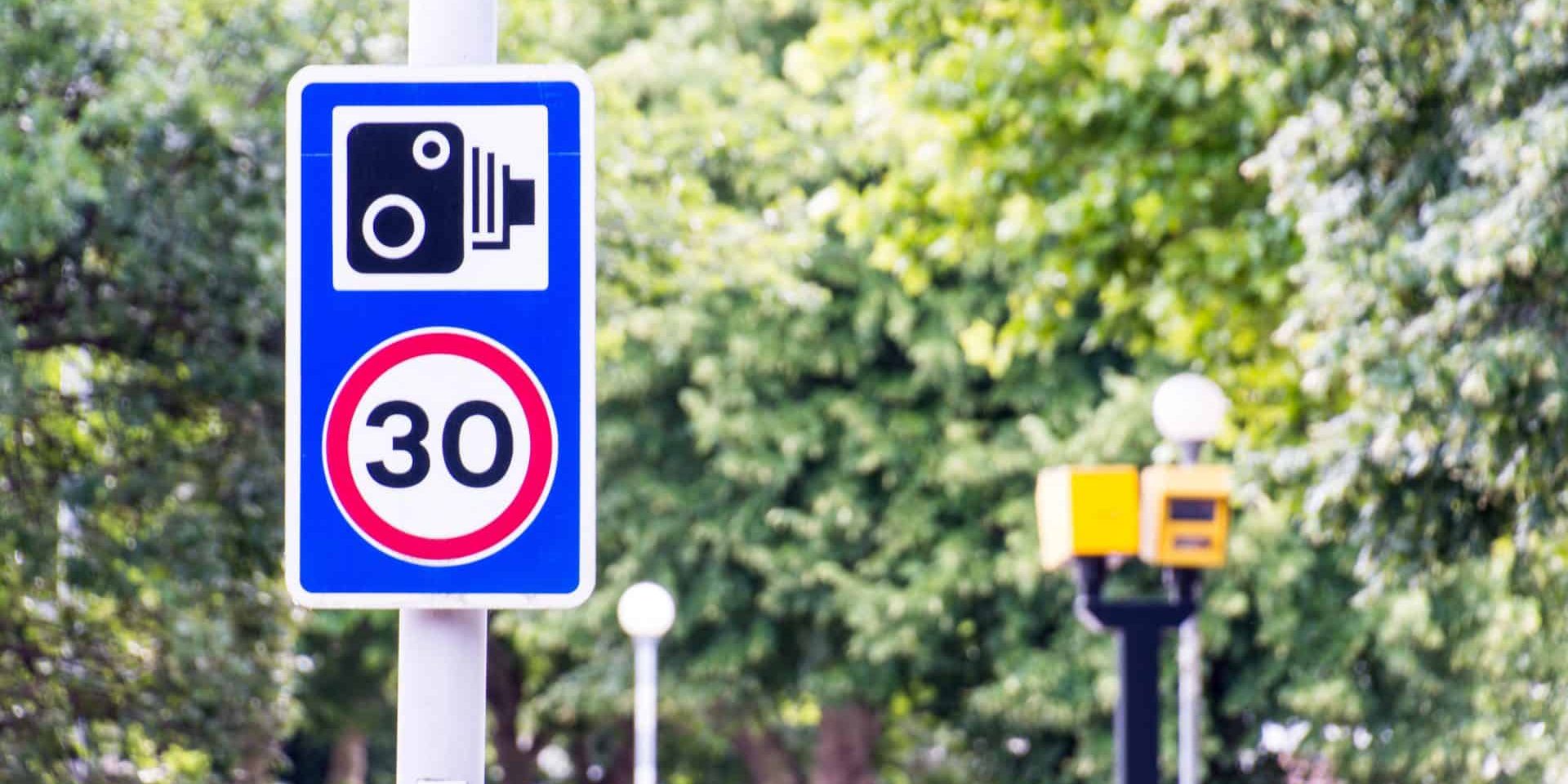
After a decade of failed attempts, Massachusetts is close to letting cities and towns install automated speed cameras statewide. State senators tucked the measure into a $575 million economic development bill last week, and drivers caught going 11 mph or more over the posted limit would face fines between $25 and $100.
How the Camera Program Would Work
The provision, sponsored by state Senator William Brownsberger, a Belmont Democrat, would allow cameras in school zones and other designated “safety zones,” plus active highway construction sites, in every part of the state. Cities and towns would pick their own camera locations on municipal streets, but each municipality has to submit its plan to the Massachusetts Department of Transportation for approval first. On highways, the state itself would handle placement.
“This is something we’ve been pushing for step by step, and these cameras are going to go to places where people are asking for them desperately,” Brownsberger said, describing the shift to automated enforcement as a “fairly large change” from how Massachusetts currently polices speed.
The number of cameras would be capped at one per 5,000 residents, which works out to roughly 135 cameras allowed in Boston. The bill would not authorize red-light cameras or any other form of automated enforcement beyond speeding in the specified zones.
Privacy Rules Built Into the Bill
Lawmakers built specific privacy limits into the amendment after years of proposals stalled over concerns about surveillance and racial disparities in traffic enforcement. Research on Massachusetts traffic stops has repeatedly found that Black and Hispanic drivers are pulled over and arrested at higher rates than white drivers, and opponents of camera enforcement worry the same imbalance could show up in where cameras get placed and who gets ticketed.
The bill bans frontal photos of drivers or passengers and explicitly prohibits facial recognition technology on the cameras. Captured license plate images would be destroyed shortly after a case closes and would not become public record.
Iván Espinoza-Madrigal, executive director of the Boston-based Lawyers for Civil Rights, called those safeguards “key components” for protecting low-income residents and communities of color, but said he still wants ongoing oversight. “There should be periodic reporting and oversight to make sure that the state continues to track trends in local jurisdictions to identify any potential abuse or misuse of the new technology,” he said.
Why Lawmakers Are Acting Now
The push gained new urgency after the death of Louisa Gag, a Boston city planner and cyclist struck and killed by a truck in July. Boston Mayor Michelle Wu promised additional street safety measures in the days after Gag’s death, and Boston has been ranked the most collision-prone city in the country. More than 160 people have died on Massachusetts roads so far in 2026, according to the state’s crash data portal, and traffic fatalities nationwide have climbed again after a pandemic-era dip.
Twenty-six states already use speed cameras in some form, according to the Insurance Institute for Highway Safety, and neighboring Connecticut offers an early look at what enforcement could accomplish. A pilot program there found average speeds dropped by about 20 percent in some locations. When Connecticut studied its highway work zones between March and May, it found 1.3 million of 8.4 million drivers, or roughly 15 percent, were speeding. After a month-long warning period ended and automated citations began, only 3 percent of drivers were caught going more than 10 mph over the limit.
“The goal is not to issue fines and citations,” said Eva Zymaris, a spokesperson for the Connecticut Department of Transportation, describing a program built to change driver behavior rather than generate revenue.
Peter Savolainen, a road safety professor at Michigan State University, said cameras solve a resourcing problem that police departments cannot. “You can’t have folks all around the system. You can’t have them all day,” he said. “Cameras serve the same function, and they are more permanent, but less cost-prohibitive.” Adam Chapdelaine, executive director of the Massachusetts Municipal Association, echoed that point on behalf of the state’s 351 cities and towns: “I can’t imagine that there is any city or town that has enough resources to staff every area of concern.”
A Decade of Failed Attempts
Massachusetts lawmakers have filed camera enforcement bills repeatedly over the past ten years, and each one stalled at the State House. Concerns about civil liberties, worries that cameras would become a revenue tool for cash-strapped cities rather than a safety tool, and disagreement over how to prevent the kind of racial disparities documented in traditional traffic stops all played a role in keeping the proposals from reaching a floor vote.
What changed this year was the packaging. Rather than standing alone as a dedicated traffic camera bill, the measure rode inside a broad $575 million economic development package, the kind of must-pass legislation that tends to move even when individual provisions inside it remain contested. Governor Healey has already signed two smaller steps in this direction: a law letting the MBTA use cameras to ticket vehicles parked in bus lanes, and a separate measure giving towns authority to install cameras that catch drivers who illegally pass a stopped school bus with its stop sign extended.
Those two narrower laws gave lawmakers a working example of automated enforcement in the state before tackling speed cameras directly, and supporters point to them as evidence the system can operate without the abuses critics feared.
What Happens Next
The Senate has passed the economic development package containing the camera provision, but the Massachusetts House still needs to weigh in before a final version reaches Governor Maura Healey’s desk. Healey has repeatedly backed the idea of speed cameras, though how the House treats the measure once negotiations begin remains an open question.
The same package includes a separate line item of at least $1 million for truck safety equipment, including convex mirrors, crossover mirrors, and backup cameras designed to cut down on blind spots that contribute to pedestrian and cyclist deaths.
The stakes behind the bill go beyond any single crash. Boston has logged a rising count of wrong-way crashes on its highways in recent months, contributing to a string of fatal accidents earlier this summer, and the city’s overall collision rate recently earned it a ranking as the most collision-prone city in the country among major US metros. State officials tracking crash data through the statewide portal say Massachusetts is a long way from Boston’s own stated goal of zero traffic deaths, a target the city adopted years ago and has not come close to reaching.
Massachusetts drivers who want to track the bill’s progress can follow the State House’s public bill-tracking pages once the House takes up the economic development package. For now, no camera has gone live and no ticket has been issued under the new authority. Drivers in school zones, safety zones, and highway work zones across the state should expect that to change if the House signs off. The infrastructure for issuing citations could move quickly once the law takes effect.
Sources:

Leave a Comment
More in News

What Happens If You Never Change Your Cam Belt? The Engine Decides, Not You

Millions Without Driveways Shut Out of New EV Charging Rules in Conservation Areas

MINI Countryman Untamed Edition Arrives With Off-Road Gear From $43,900

Jaguar Type 01 Revealed With 1,000 Horsepower and $130,500 Starting Price
How to Restore Cloudy Headlights Before They Fail Your MOT
Trending on Motoring Chronicle
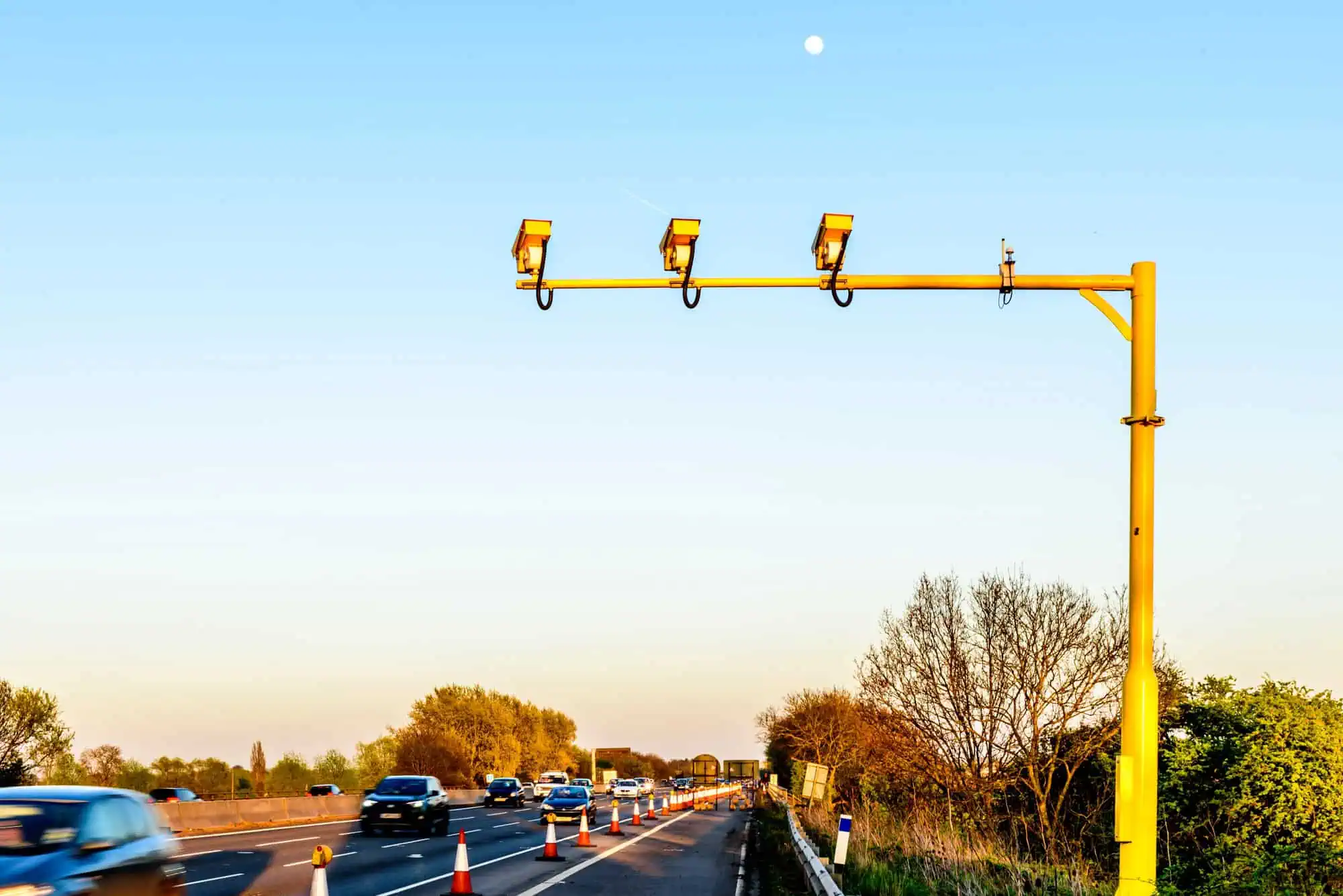
What the 10 Per Cent Speed Camera Rule Actually Means and Where It Is Now Being Cut
Jeep Recalls 328,381 Grand Cherokees for a Third Time Over Coil Springs That Can Detach
2026 Nissan LEAF named The Drive’s Best EV of 2026

No Part Left Behind: Stellantis Uses Warehouse Robot for Autonomous Inventory Tracking
