What the Government’s Zero VAT Cut on Home Power Means for Every Electric Driver

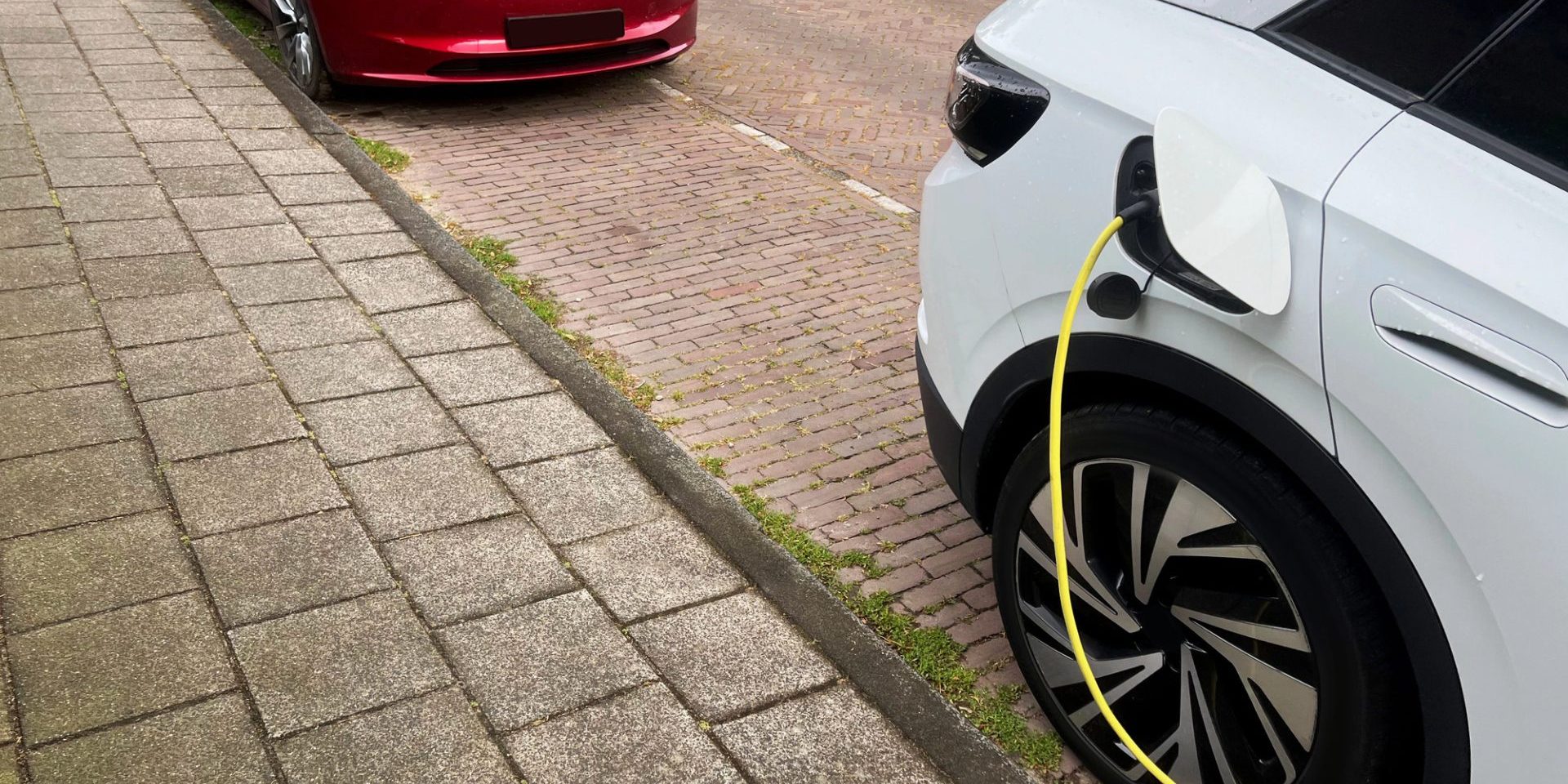
- VAT on domestic electricity dropped from 5 percent to zero on 1 October 2026, cutting the cost of charging an electric car at home until the rate reverts next spring.
- Analysts at Cornwall Insight expect household unit rates to rise by as much as 9 percent once the VAT holiday ends, so the saving might not survive the winter.
- Public rapid chargers still carry the full 20 percent VAT rate and cost up to 92p a kWh, so the gap between charging at home and charging on the road has not closed.
The Saving Is Real, but It Comes With an Expiry Date
Every electric car owner who charges at home is now paying less tax on the electricity that fills their battery. From 1 October 2026, the government removed VAT on domestic electricity entirely, dropping the rate from the reduced 5 percent charge to zero. The change runs until 31 March 2027, after which the old rate returns unless ministers extend it. For drivers who charge overnight on a home tariff, the cut lands automatically on the bill. No application, no form, no call to the supplier. The catch is in the small print: energy analysts think the saving could be wiped out by a winter price rise before most drivers notice it arrived.
What the VAT Cut Actually Saves
Ofgem’s price cap for October to December 2026 sets a maximum unit rate of 26.32p per kWh for electricity, excluding VAT. Under the old 5 percent rate, that same unit of electricity would have cost 27.64p once tax was added. The difference looks small on paper, 1.32p per kWh, but it adds up over a year of charging. A Tesla Model Y RWD with a 60kWh battery costs £15.79 to fill from empty at the capped rate with no VAT applied, against £16.58 under the old 5 percent charge. That is a saving of 79p a session. For a driver who charges mostly at home and covers around 9,000 miles a year, drawing roughly 2,700kWh from the grid, the removed VAT works out to close to £35 over the full winter period. It will not transform anyone’s household budget, but it is money that was not there a month ago, and it arrives without any action from the driver beyond staying on a standard domestic tariff.
Why the Relief Might Not Survive the Winter
Cornwall Insight, the analysts whose forecasts feed directly into Ofgem’s quarterly price cap, warned that wholesale costs could push the cap up by as much as 9 percent in the new year. Their principal consultant, Dr Craig Lowrey, has flagged a standing charge that could reach 55p a day and a unit rate climbing to 28.33p per kWh, both before the VAT treatment changes again. If that forecast holds, a driver charging at home from January could end up paying more per kWh than they did in September, even with VAT removed from the bill. The Treasury has left the door open for further support in the Autumn Budget, but any extension is reported to depend on wider economic pressures and could arrive with tax rises elsewhere to balance it. Nothing about the current arrangement is guaranteed to last the full six months it is scheduled to run.
Domestic electricity has carried the reduced 5 percent VAT rate rather than the standard 20 percent rate applied to most goods and services for close to four decades, a legacy of how household fuel was treated when VAT was introduced. The move to zero is the first time that rate has been cut rather than just held steady, and it arrives at a point when roughly one in four new cars sold in Britain is now fully electric. That timing is not a coincidence. A government under pressure to keep EV adoption on track, while household energy bills remain a political flashpoint, has a direct interest in making the running cost argument for electric cars look as strong as possible heading into winter, when colder weather already reduces an EV’s real-world range and pushes up the number of charging sessions a typical driver needs.
The Public Charging Gap Has Not Moved
None of this touches the far bigger inequality in EV charging costs: the gap between what a driver pays at home and what they pay on the road. Public chargers are taxed at the full 20 percent VAT rate, four times the rate that applied to home electricity even before the October cut. Zapmap’s most recent price index, covering September 2026, put prices across the UK’s ten largest rapid and ultra-rapid networks between 59p and 92p per kWh. InstaVolt was the most expensive of the major networks at a flat 92p per kWh. Tesla’s network, now open to all drivers at most sites, was the cheapest of the big operators at 69p per kWh in daylight hours. Believ charged 66p, while Sainsbury’s Smart Charge and Fastned both sat at 79p. A 60kWh top-up on the most expensive network costs £55.20, more than three and a half times the price of the same charge at home under the new zero-VAT rate. For the estimated one in three UK households without a driveway or private parking space, that gap is not an inconvenience. It is the difference between electric motoring costing less than petrol and costing more.
Who Actually Benefits From the Change
The VAT cut applies to every domestic electricity bill in the country, not just to drivers, but electric car owners are the group most likely to feel it. A typical household uses somewhere between 2,700 and 3,300kWh of electricity a year for everything other than driving. Adding an EV that covers 9,000 miles roughly doubles that consumption, which means EV owners get roughly double the saving of a household with no car charging at home. Plug-in hybrid owners see a smaller version of the same effect: their batteries are typically a third to a half the size of a full EV’s. Drivers who lease a car through a workplace salary sacrifice scheme, now covering hundreds of thousands of company car drivers across the country, benefit twice over. The scheme already discounts the car itself through lower Benefit in Kind tax, and the household electricity bill used to charge it is now taxed at zero rather than 5 percent. None of this applies to drivers who charge exclusively away from home, whether they lack a driveway, live in a flat, or rely on an employer’s car park. That group, measured at close to a third of UK households, sees no change at all from the October announcement and continues to pay the full 20 percent VAT rate every time they plug in.
What to Do Before the Rate Changes Again
The zero VAT rate applies automatically to any domestic electricity tariff, so there is no form to fill in and no scheme to join. The change took effect mid-quarter, and some suppliers have been slower than others to update displayed rates, so it is worth checking that a supplier has actually passed the full cut through to the unit rate shown on the latest bill or statement. Drivers who charge at home should also look at whether their supplier offers a dedicated EV or off-peak tariff: combining a cheap overnight rate with the removed VAT produces the lowest cost per mile available anywhere in the current market. Anyone relying on public charging without home access has fewer options. The VAT gap on public networks is a structural feature of how electricity is taxed in the UK, not something an individual supplier can fix, and there is no current government proposal to equalise the two rates. The practical move for those drivers is to compare network prices before plugging in. The difference between the cheapest and most expensive rapid charger on the market is now more than 30p per kWh, enough to change the true cost of EV ownership by hundreds of pounds a year.
For related reading on electric car running costs, Motoring Chronicle has previously reported on how electric cars now cost £46 more to insure than petrol models.
Sources:

Leave a Comment
More in News

How to Clear a Musty Car AC Smell Before It Costs a £300 Repair

14 Percent of Keyless Car Owners Faced a Relay Theft Attempt, DVLA Data Shows

I travelled down the Champs-Élysées and around the Arc de Triomphe in a self-driving car

Every New Car Buyer Could Lose EV Discounts as Manufacturer Fines Drop by £3,000

DfT Proposes Penalty Points and Car Seizure for Driving Without a Valid MOT
Trending on Motoring Chronicle

Genesis GV60 Magma Priced From $69,950 With Up to 641 Horsepower

New Mercedes-Benz C-Class Brings AI Voice Assistant and 255-Horsepower Engine to US in 2027

Why the July 4 Holiday Is the Deadliest Week on American Roads [and How to Get Home Safe]

Why Driving Test Waits Rose Even as DVSA Ran a Record Number of Tests