
What the October 28 Budget Could Mean for Every UK Driver’s Fuel and Car Tax Bills


- Chancellor John Healey delivers his first Budget on 28 October 2026, with fuel duty, a new electric car mileage charge and company car tax all under review.
- Fuel duty has sat frozen at 52.95p a litre since March 2022, but a scheduled rise to 55.95p a litre in January 2027 is still on the books unless the Budget changes it.
- A 3p-a-mile charge on electric cars and 1.5p-a-mile charge on plug-in hybrids is already law and due to start in April 2028, and drivers are waiting to find out how it will actually be collected.
Three Weeks Out, Three Decisions That Hit Every Driver’s Wallet
On 28 October 2026, Chancellor John Healey stands up in the Commons to deliver his first Budget, and three separate decisions inside it land directly on the cost of owning a car. Fuel duty, a brand new mileage charge for electric vehicles, and company car tax rates all sit on the table, and none of them is confirmed yet. For a driver filling up weekly or leasing an EV through work, the gap between what the Treasury does and does not touch on 28 October could be worth hundreds of pounds a year.
Fuel Duty Has Been Frozen Since 2022, but the Freeze Has a Shelf Life
Fuel duty currently sits at 52.95p a litre, a rate frozen since March 2022 after a temporary 5p cut introduced that spring. Under rules already written into law, duty is scheduled to climb to 55.95p a litre in January 2027, then to 57.95p in March 2027. Industry groups including the RAC and the Road Haulage Association are pushing Healey to extend the freeze into a fifth year, while the accountancy firm BDO has suggested the January rise could be quietly dropped rather than confirmed as a cut in the speech itself.
Nothing is locked in either way. If the freeze ends and the scheduled rise goes ahead, a 3p increase adds roughly £1.65 to a 55-litre tank. That looks small on its own, but a driver filling up weekly pays it 52 times a year, and diesel drivers already face a steeper bill: RAC Foundation analysis puts the current gap between diesel and petrol at 27.6p a litre, the widest it has been since at least 2003.
The Mileage Charge Electric Car Owners Will Start Paying in 2028
Separate from fuel duty, a mileage-based charge for electric and plug-in hybrid cars is already written into law rather than just floated as an idea. From April 2028, electric car owners pay 3p for every mile driven, and plug-in hybrid owners pay 1.5p. The charge is self-reported and collected alongside Vehicle Excise Duty, and a government consultation on exactly how drivers will log their mileage closed in March 2026 without a final answer published.
The Budget is the moment drivers are most likely to get real detail on how that mileage will actually be checked, whether through odometer photographs, MOT test readings, or a new online declaration system similar to the one used for Self Assessment. For an electric car covering 10,000 miles a year, the charge works out at £300 annually, a cost that has had almost no public attention compared with fuel duty.
A Possible Cut to EV Charging Costs, If It Reaches Drivers
Public charging currently carries 20% VAT, while charging a car at home is taxed at 5%, a gap that has long frustrated the roughly third of UK households without a driveway or home charger. A cut to public charging VAT, potentially down to 10%, is one of the options under live discussion for this Budget. Whether drivers actually see that saving depends entirely on whether charge-point operators pass it on rather than keeping the margin themselves, something that has not reliably happened the last time VAT treatment shifted on energy costs.
Company Car Tax and What Else Is on the List
Company car tax, known formally as Benefit-in-Kind, is also flagged as an area the Treasury could adjust, though no specific new rate has been confirmed ahead of the speech. Drivers on salary sacrifice EV schemes are watching particularly closely, since Benefit-in-Kind rates for electric cars are already set to rise from 3% in the current tax year to 9% by 2029 under plans confirmed in an earlier Budget. Any further acceleration of that schedule would land on company car drivers through their next payslip, not at some distant point in the future.
What Drivers Can Do Before 28 October
There is little point panic-buying fuel before a Budget that has not happened yet, but there are a handful of sensible steps. Anyone close to ordering a new electric car or company car lease should ask their dealer or fleet provider whether current Benefit-in-Kind and Advance Payment pricing is locked in, since quotes agreed before 28 October may not be guaranteed afterward. Drivers who rely heavily on public charging should check their usual network’s current price per kWh now, so any post-Budget change is obvious rather than buried in a bigger bill. Everyone else’s most useful move is checking gov.uk directly on 28 October and in the days after, since initial Budget speeches often leave the fine detail to follow-up documents published separately by the Treasury and the Department for Transport.
Motoring Chronicle will cover the actual Budget announcements on 28 October as soon as they are confirmed, including the fuel duty decision, any detail on the 2028 mileage charge, and whatever happens to company car tax.
Sources:

Leave a Comment
More in News

America Is Investigating This Engine. Britain Has Not Recalled One Car

Why Connecticut Drivers Cruising in the Left Lane Now Face an $88 Fine
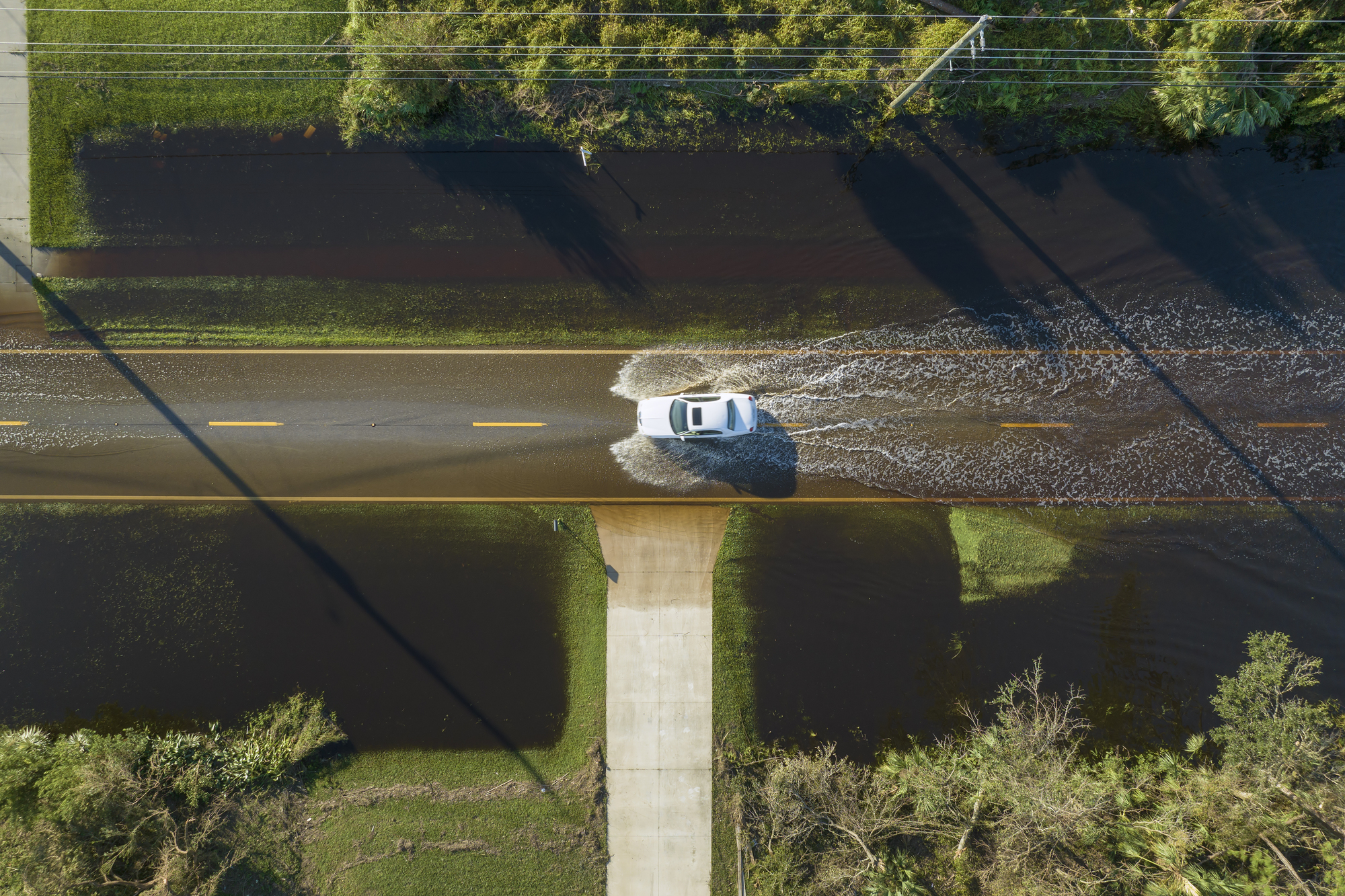
Hurricane Isaias Flooded Thousands of Cars That Could Reach Used Lots

Gas Prices Jump to $4.36 a Gallon as the National Average Rises 40 Percent in a Year

NHTSA Recalls Over 346,000 Vehicles From Ram, Ford, VW and Land Rover
Trending on Motoring Chronicle

Range Rover unveils exclusive London-inspired editions, honouring the capital’s coveted neighbourhoods

Maserati delivers Quattroporte Grand Finale and MC20 Iris One-Offs: two masterpieces with unique details, the epitome of Italian partisanship [Photo Gallery]

EV Owners Face £6,830 Bills in a Battery Gap Warranty and Insurance Both Reject

Why Modern Cars Don’t Come With Full-Size Spare Tyres Anymore
