
What the New AI Cameras Can See Inside Your Car and What the Fine Is If They Catch You
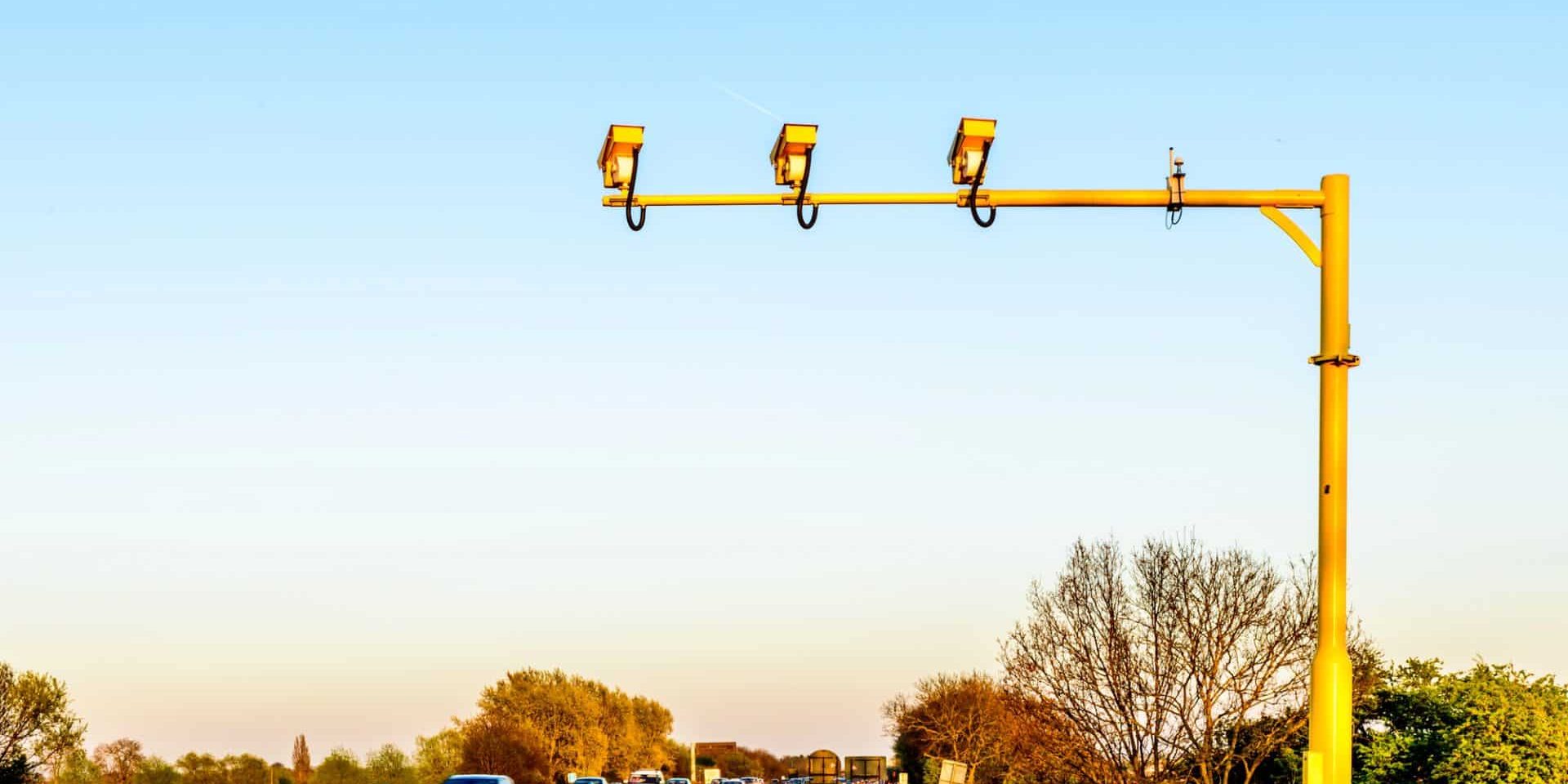
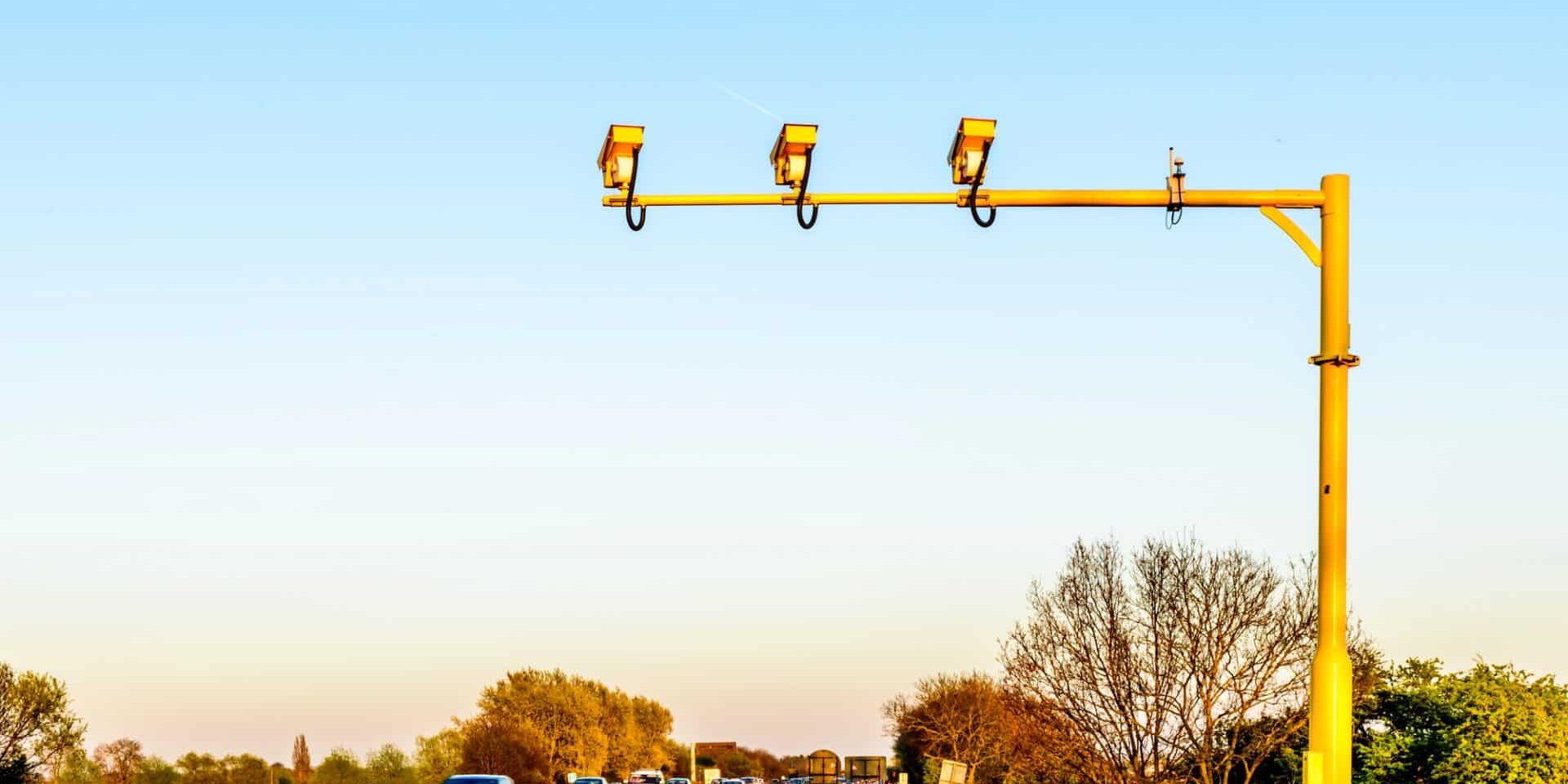
A new generation of roadside cameras can now see straight into your car, and they are spreading fast across England. Using artificial intelligence to spot drivers holding a phone or travelling without a seatbelt, the systems have moved from one-off police trials into a coordinated national rollout involving ten forces. If you drive through Greater Manchester, Sussex, Thames Valley or one of seven other police areas, your hands and your seatbelt may already have been photographed and assessed by software before a human officer ever looks at the image.
For most drivers the change is simple to act on. Put the phone away, out of reach, and make sure everyone in the car is belted up before you move off. But the detail of how these cameras work, what they capture, and the size of the penalties involved is worth understanding properly, because the fines start at hundreds of pounds and can put a newer driver off the road altogether.
What the cameras actually do
The technology behind the rollout is called Heads Up, developed by the road safety firm Acusensus. A camera unit, which can be fixed to a pole, mounted on a vehicle or fitted to a trailer, photographs the front of passing cars. Artificial intelligence then scans each image for two specific things: a driver appearing to use a handheld mobile phone, and people in the front seats who do not appear to be wearing a seatbelt. Some units also measure speed.
The software does not issue the fine. Any image that the system flags as showing a possible offence is passed to a trained person for a second check, who confirms whether a rule has actually been broken before any letter is sent. Acusensus says that if the review finds no offence has taken place, the image is deleted immediately by the software and no record is kept. Drivers caught are then sent either a warning letter or a notice of intended prosecution, depending on the police force and the circumstances.
The system is not brand new. It was first trialled by National Highways back in 2021, and individual forces have run their own pilots since. What has changed in 2026 is scale. Greater Manchester Police is one of ten forces now taking part in a single national trial, alongside Durham, Humberside, Staffordshire, West Mercia, Northamptonshire, Wiltshire, Norfolk, Thames Valley and Sussex. London is set to follow, with the Mayor and the Metropolitan Police confirming plans to bring the cameras to the capital.
How many drivers are being caught
The early numbers show just how common these offences still are. In Greater Manchester, more than 3,000 offences involving phone use and seatbelts were recorded in only five weeks of camera operation. In Sussex, where the cameras went live earlier in the year, the first seven days alone produced 620 seatbelt offences, 110 mobile phone offences, 17 cases of both at once, and one driver recorded as not being in proper control of the vehicle. A four-week Sussex campaign saw around 2,200 drivers prosecuted.
Transport for Greater Manchester, which is running its trial in partnership with Safer Roads Greater Manchester, says the data is also being used as a survey to understand how many people still break the law when they think no one is watching. The figures suggest the answer is a great many. The authority points out that a driver is around four times more likely to be in a crash when using a phone, and twice as likely to die in a collision if not wearing a seatbelt.
The Manchester rollout grew out of the Touch.Screen campaign, which was backed by Calvin Buckley. His partner Frankie Jules-Hough and their unborn daughter died after a driver who had been filming himself speeding on the M66 crashed into her car. Mr Buckley said his “life was destroyed” by another person’s choice to pick up a phone at the wheel. “It’s become quite common for people to use their phone to check messages, send photos or change the music while driving,” he said. “But all it takes is a split second to become distracted, and when you take your eyes off the road anything could happen.”
The fines and points you face
The penalties are not trivial. Using a handheld mobile phone while driving carries a fixed penalty of £200 and six penalty points. The law was tightened in March 2022, so it now covers almost any handheld use, including scrolling through playlists, taking photos or unlocking the device, even when you are stationary in traffic or queuing at lights. If the case goes to court you can be fined up to £1,000, rising to £2,500 for drivers of vans, lorries and buses, and you can be banned from driving.
Hands-free use is still legal, but it is not a free pass. You can use a phone in a cradle for navigation or take a call through your car’s Bluetooth system, provided you set it up before you drive and do not touch the handset. Even then, if the police believe you were so distracted that you were not in proper control of the vehicle, you can be prosecuted for careless driving, which carries its own penalty points and fine. The safest habit is to treat the phone as something you do not handle at all once you are behind the wheel.
Not wearing a seatbelt brings a fixed penalty of £100, which can rise to £500 if the matter reaches court. Drivers are also responsible for making sure children under 14 are properly restrained. There are no penalty points for a seatbelt offence at present, but the financial hit still stings and the safety risk is far higher than the fine suggests.
The six points attached to a phone offence carry a sting in the tail for newer drivers. Anyone who passed their test within the previous two years has their licence revoked automatically once they reach six points, which means a single phone fine can wipe out a new driver’s licence in one go. They would then have to reapply for a provisional licence and pass both the theory and practical tests again. For everyone else, twelve points within three years normally means a court appearance and a ban.
What this means for you and what to do
The practical response is the same advice that has applied for years, but the cameras make it far more likely you will be caught if you ignore it. Set up your route, music and calls before you set off. Use a proper cradle if you rely on your phone for navigation, and never hold the device in your hand while the engine is running and you are in control of the car. If you really need to use a handheld phone, find a safe and legal place to stop with the engine off first.
Do not count on spotting the cameras. Because the Heads Up units can be fixed to poles, mounted in vans or towed on trailers, they move around and are often deployed without obvious warning, sometimes on motorways and sometimes on ordinary urban roads. Forces tend to publicise that the technology is in use across an area rather than flag the exact location on any given day, which is the whole point of a deterrent. The result is that you can no longer assume a quiet stretch of road is unmonitored.
Make the seatbelt check automatic. Belt up before you move, ask passengers to do the same, and double check that child seats are correctly fitted and the right size for the child. The cameras photograph the front of the car, so front seat belts are the obvious target, but the safety case for belting up applies to every seat.
If you do receive a notice and believe it is wrong, you have the right to challenge it. The image and the human review behind it form the evidence, so a clear dashcam recording of your own can help if there has been a genuine mistake, for example if a passenger was holding the phone or if you were safely parked. Privacy campaigners have raised concerns about cameras that photograph inside vehicles, but the police and Acusensus stress that images showing no offence are deleted and only confirmed breaches lead to action. With the rollout widening through 2026 and London on the way, the safest assumption for any driver is that the cameras are already watching.
Sources:
- https://www.bbc.co.uk/news/articles/cged890y27wo
- https://www.gbnews.com/lifestyle/cars/drivers-warned-ai-road-cameras-fines-points
- https://eandt.theiet.org/2026/04/13/ai-traffic-cameras-go-live-sussex-catch-dangerous-drivers-autonomously
- https://www.gov.uk/using-mobile-phones-when-driving-the-law

Leave a Comment
More in News

Every Driver Faces Higher Crash Risk After Clocks Go Back as AA Claims Jump 8%

DVLA Figures Show the Ford Fiesta Was Britain’s Most Stolen Car Again Last Year

Cadillac Escalade-V 125th Anniversary Limited to 252 Units at $239,000

2027 Toyota Crown Signia Adds Standard Tech, Starts at $44,890

Nearly Half of UK Councils Refuse Nine in Ten Pothole Claims From Drivers
Trending on Motoring Chronicle
Car Insurance Bills Rose by £8 This Quarter as a Two-Year Price Drop Ends

Jeremy Vine Scratched A Land Rover In A Car Park And It Cost Him £1,000

Boosting fuel efficiency, how to improve gas mileage in cars

Lamborghini Temerario: A Mechanical Masterpiece
