Almost Half of Younger Drivers Trust Their Car’s Software More Than Themselves. Older Drivers Disagree


Modern cars can brake for you, steer you back into your lane, park themselves and warn you about hazards you have not even noticed yet. The technology is impressive, increasingly mandatory and, according to research, capable of reducing UK road accidents by nearly a quarter if fully deployed. But a new poll of 2,000 UK drivers suggests that many motorists are not sure whether they should actually trust it.
The survey, conducted by OnePoll for automotive diagnostics company Carly, asked a simple question: what would you trust more when you are driving and parking, car software systems or your own judgement? The results reveal a nation almost perfectly split. Just 28 per cent of drivers said they trust their car’s software more than themselves. A near-identical 27 per cent said they back their own instincts over the technology. And the largest group, 38 per cent, said they trust both equally, suggesting that for many drivers the honest answer is that they are not entirely sure.
What makes the findings particularly striking is the generational divide. Among drivers aged 25 to 34, 44 per cent said they would place more trust in vehicle software than their own judgement. For drivers over 65, that figure drops to just 20 per cent. The gap is not subtle. It suggests that how much you trust your car’s technology has less to do with how good the technology actually is and more to do with how comfortable you are with digital systems in general.
The Technology Is Getting Better. The Understanding Is Not
The disconnect between what modern cars can do and what drivers understand about those capabilities is not a new problem, but it is getting worse. Since May 2024, every new car sold in the UK and Europe has been required to include autonomous emergency braking (AEB). Lane-keeping assistance, intelligent speed assistance and driver drowsiness detection are also now mandatory on new models. These systems are designed to intervene when a driver cannot or does not react in time, and the evidence shows they work. Research has found that full deployment of the six most common advanced driver assistance systems (ADAS) could reduce UK road accident frequency by 23.8 per cent, equivalent to roughly 18,925 fewer crashes per year.
Yet nearly a quarter of drivers admit they do not know how to use these systems comfortably, and 91 per cent believe more needs to be done to educate drivers about the technology and how it functions. The result is a peculiar situation in which cars are getting measurably safer, but the people driving them are not confident in the systems making that possible.
Emma Brown, UK Growth Manager at Carly, said: “Drivers are being asked to trust technology more than ever before, but without always having the tools to understand it. That’s where uncertainty comes in. What we’re seeing is not a rejection of technology, but a desire for clarity. People want to know what their car is doing, why it’s doing it, and whether they can rely on it.”
When the Car Gets It Wrong
Part of the trust problem comes from the moments when technology fails, or appears to fail. Most drivers who have used a car with AEB or parking sensors will have experienced a false alert at some point: the car braking sharply because it mistook a shadow for an obstacle, or parking sensors screaming at full volume because of a low wall the driver had already seen. These moments are jarring, and for some drivers they undermine confidence in the entire system.
The frequency of false positives varies significantly between manufacturers and even between trim levels of the same model, depending on whether the car uses camera-based, radar-based or laser-based sensors. When lane-keeping systems were first mandated, they were widely criticised for being too sensitive, triggering corrections on roads where the driver was deliberately positioning the car away from the centre line. Industry feedback has led to gradual improvements, and the false intervention rate has come down across the market, but the early experience left a lasting impression on many drivers.
There is also a more subtle risk that researchers have identified: the danger of trusting the technology too much. Studies have found that excessive trust in ADAS can lead drivers to reduce their monitoring and attention, effectively handing over responsibility to systems that are designed to assist, not replace, human judgement. The technology works best when the driver remains engaged. When it becomes a reason to pay less attention, the safety benefit erodes.
The Age Gap Is About More Than Technology
The generational split in the Carly data is revealing but not surprising. Younger drivers have grown up with smartphones, apps and software updates as a normal part of life. The idea that a car’s software might know something they do not is intuitive to them. For older drivers who may already be adjusting to changes in their driving confidence, trusting an invisible system to make split-second decisions on their behalf is a much bigger ask.
But the age gap also reflects something practical. Many older drivers learned to drive in cars with minimal electronic assistance. Their instincts were built over decades of reading the road, judging distances and reacting without any digital input. When a parking sensor tells them they are too close to something they can clearly see and have already accounted for, the system feels like an interruption rather than an aid. For younger drivers with less experience behind the wheel, the same alert feels like useful backup.
Neither group is wrong. The 38 per cent who said they trust both equally may be closest to the right answer. The technology is demonstrably good at catching things humans miss, particularly in emergency braking situations where reaction times are critical. But human judgement still picks up on context, nuance and road conditions that sensors cannot always interpret correctly.
The Real Problem Is Visibility
The deeper issue highlighted by the survey is not whether car software is trustworthy. By most measures, it is. The problem is that most drivers have no way of knowing what their car’s systems are actually doing at any given moment. Dashboard warning lights offer limited information. Owner’s manuals run to hundreds of pages and are rarely read. And when a system intervenes, there is often no clear explanation of why it did so or whether it was correct.
This lack of transparency is a design problem as much as a trust problem. If drivers could see what their car’s sensors were detecting in real time, understand why a particular warning was triggered and verify whether the system was functioning correctly, the trust gap would likely narrow. The technology exists to provide that level of visibility through diagnostic tools, but it has not yet become a standard part of the ownership experience.
As vehicles continue to add more software-driven systems, from adaptive cruise control and traffic sign recognition to semi-autonomous driving features, the question posed by the Carly survey will only become more pressing. The cars of 2026 are already smarter than most of their drivers realise. The challenge is making sure drivers know enough about what their car is doing to trust it when it is right and override it when it is not.
For now, the UK remains a nation divided: 28 per cent trusting the machine, 27 per cent trusting themselves, and the rest hoping that between the two, someone has got it covered.

Leave a Comment
More in News

Are There Warning Signs Before a Cam Belt Breaks? Usually One, and It Is Not the Belt

Fife and Dundee Cars Fail 38.6% of First Attempt MOTs, Nearly Double Sutton’s 20.3%

How to Tell If Rust Will Fail Your MOT (and What a Repair Costs)

Why Your Car Clicks But Won’t Start (and What to Do)
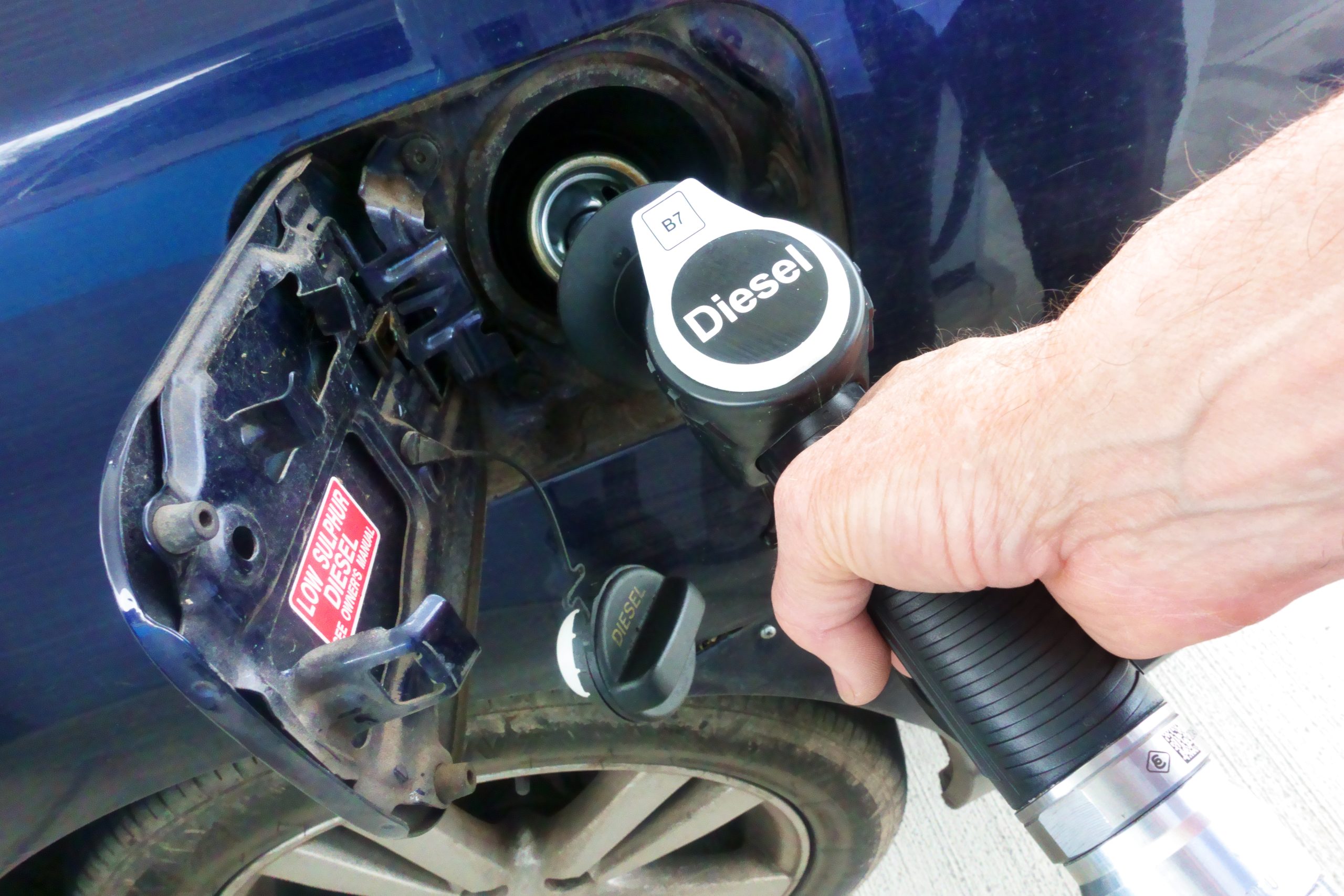
Diesel Drivers Pay £31 More Per Tank Than a Year Ago, DESNZ Data Shows
Trending on Motoring Chronicle
The Financial Ombudsman Expects 60,000 Car Finance Complaints This Year
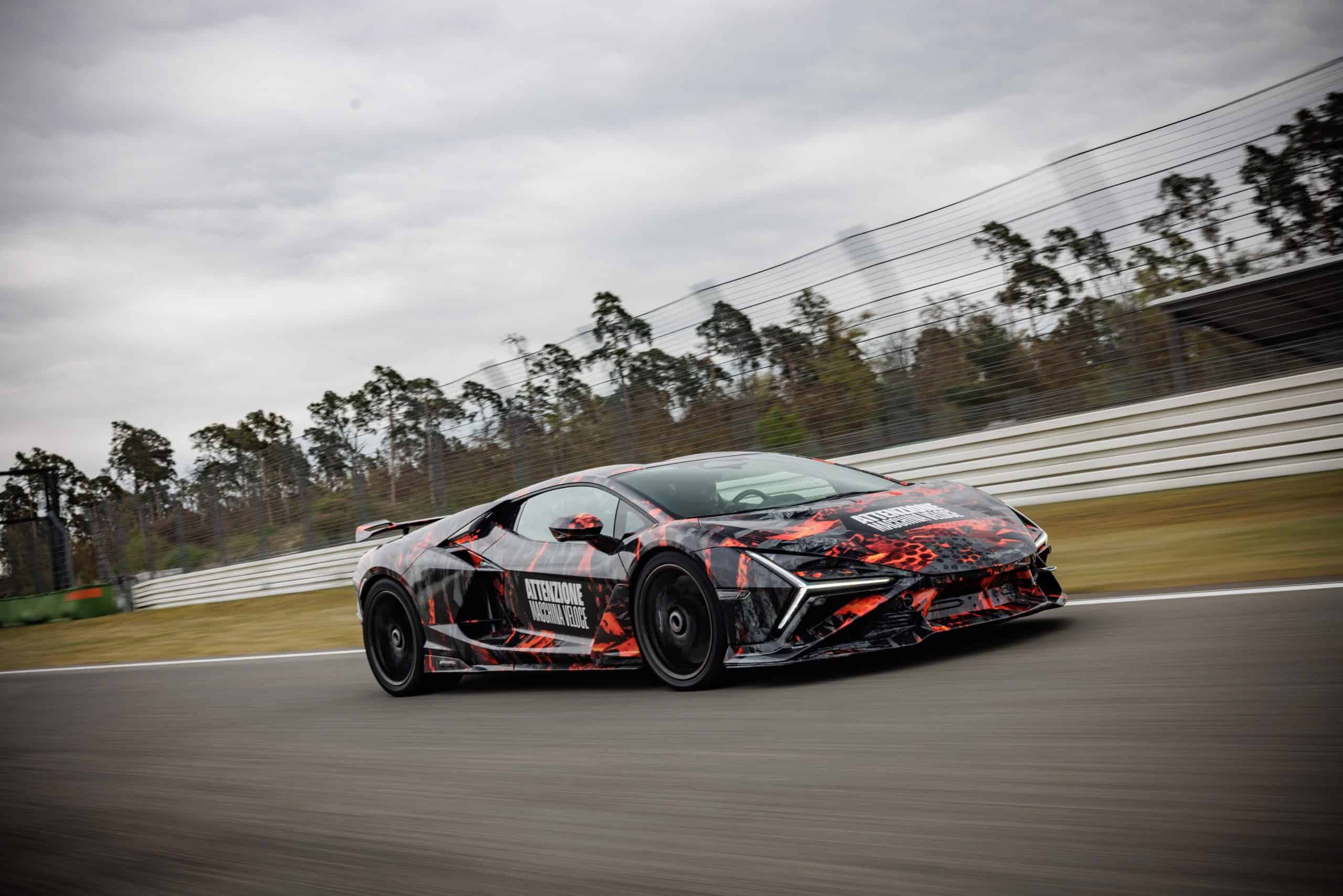
Record lap at the Hockenheimring for the new Lamborghini Revuelto SV
Genesis GV60 Magma Priced From $69,950 With Up to 641 Horsepower
What Euro 7 Emissions Rules Mean for Drivers Buying a New Car From November