Every Driver Wrongly Fined by 154 National Highways Cameras Is Promised a Refund
- The Department for Transport says anyone wrongly fined, or given points, by a variable speed camera fault will be refunded and have points removed, and does not have to apply.
- National Highways counts about 2,650 erroneous activations from 2021 on 154 cameras, fewer than 0.1% of about 6 million activations.
- The independent review into how the fault happened has had published terms of reference for 41 weeks, has not reported, and DfT promises an update in the coming weeks.
Who Was Caught by a Camera That Missed a Sign Change
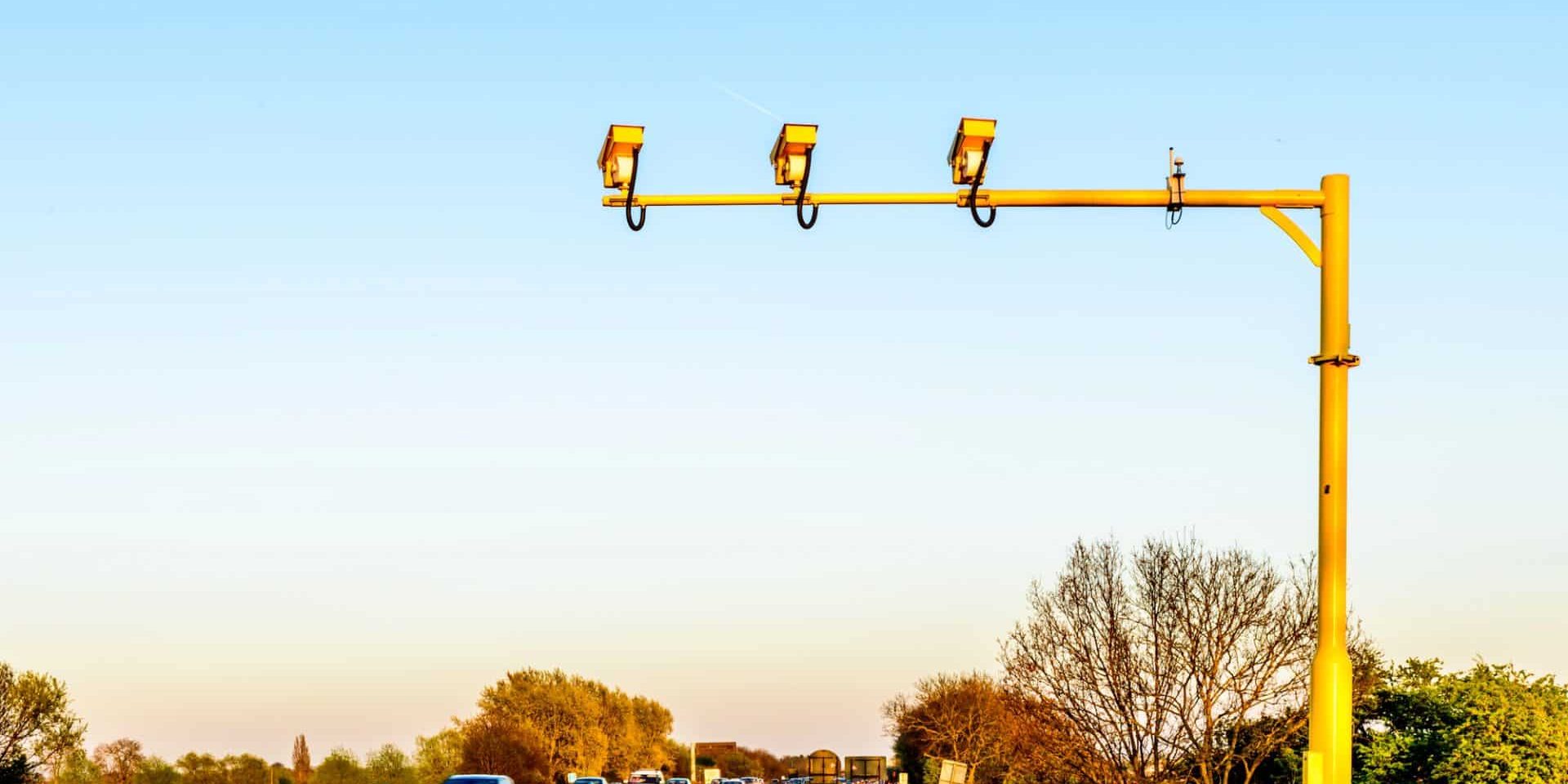
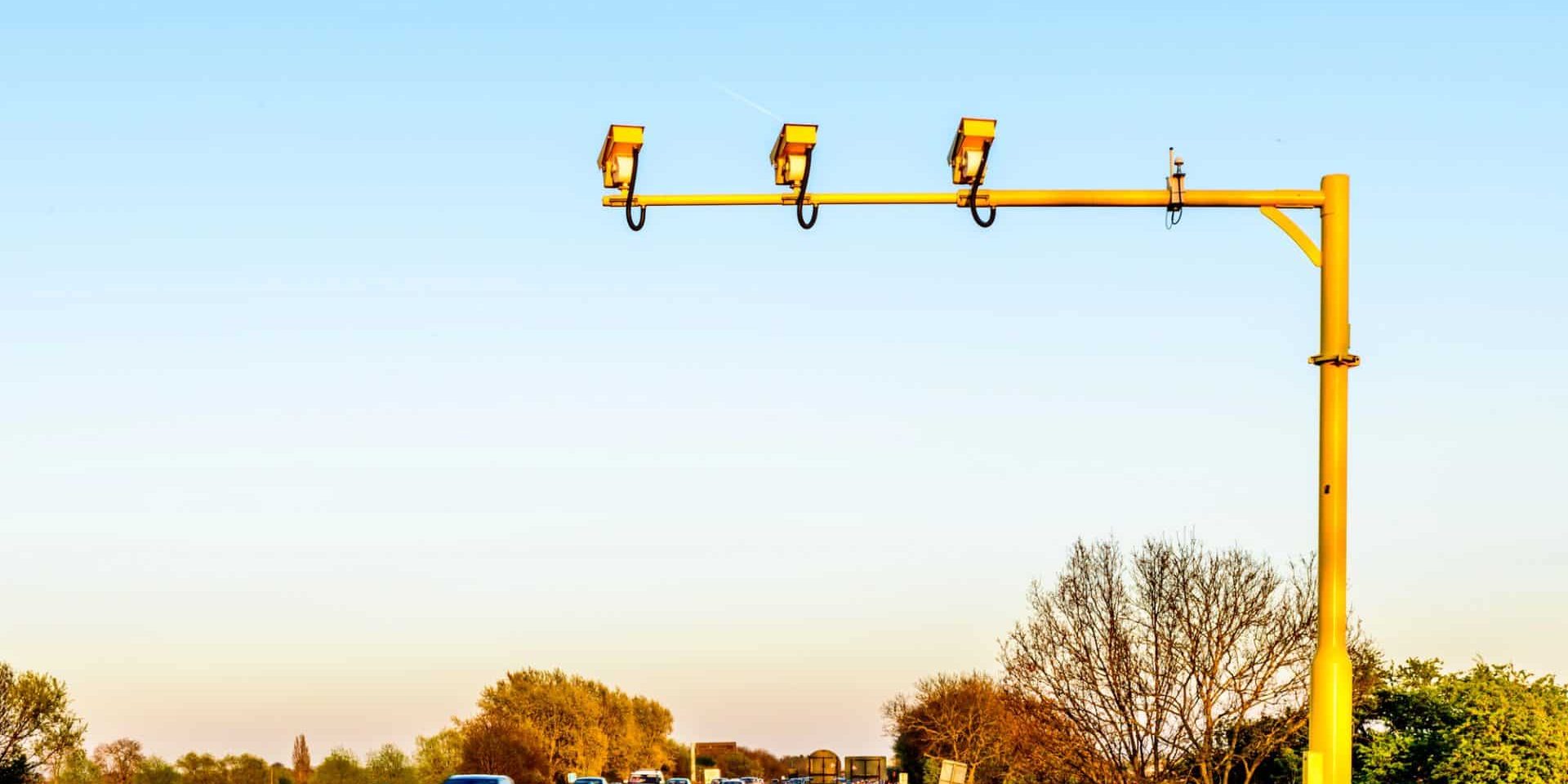
A variable speed limit sign changes. The camera beside it can lag the sign slightly, and a car that has done nothing wrong is logged as speeding. National Highways found that fault in 154 of its HADECS cameras, and the Department for Transport has committed to put it right for every driver the cameras wrongly caught.
The promise is specific. Anyone wrongly fined will get the money back, and where points went onto a licence they will come off. DfT guidance tells drivers who think they were affected to wait for their police force to make contact and take no action at this stage. The police decide who is contacted first, and the minister, Simon Lightwood MP, told the Commons he understood they would start with the most serious cases.
The accountability side has gone slower. The terms of reference for the independent review went up on gov.uk on 19 January 2026. They expect the final report to take at least 18 weeks. From that date to 3 November is 41 weeks. On 26 October the DfT told MPs the majority of the work is complete and an update will follow in the coming weeks. The review has not yet said what went wrong inside National Highways, who knew, and when.
What the Cameras Got Wrong
National Highways runs England’s motorways and major A roads. Its HADECS cameras (the Highways Agency Digital Enforcement and Compliance System) work alongside variable speed limit signs on a limited number of motorways and A roads. The fault sat in the link between the two. DfT says there was at times a slight delay between camera and sign, so some drivers had no fair time to respond to a change, or were detected as speeding after the limit had already changed.
The scale is small against the whole system and large for the people in it. National Highways puts the number of erroneous activations at about 2,650 from 2021, against more than 6 million activations on the affected roads. That is fewer than 0.1% and fewer than 2 a day. The review’s terms of reference place the 154 cameras on 10% of the network of motorways and major A roads, and the minister told MPs they sit on 0.2% of English roads. Not every erroneous activation led to a fine, so the number of drivers hit is lower than 2,650. None of the documents opened says how much lower.
The cause traces to a camera upgrade. The minister told the Commons the issue began when cameras were upgraded under the previous government, and he ordered National Highways to extend its checks back to 2019, when the upgrade started. National Highways is continuing those investigations, so the 2,650 figure comes from work still in progress.
The minimum speeding penalty shows what was at stake for each driver. Gov.uk sets it at a £100 fine and 3 licence points, unless the police offer a speed awareness course. A wrongly issued notice cost at least that. The redress promise covers refunds and points. It does not mention any compensation beyond that, and no document opened gives a figure for refunds paid to date.
Who Knew What, and When
The record gives dates that the review has to test. On 10 September 2025 National Highways told DfT about an anomaly on the M5, found after a driver challenged a speeding offence. National Highways was already widening its analysis to other sites. On 13 October 2025 ministers were told the problem was national. On 17 October 2025 the National Highways executive told its camera supplier to pause the transfer of variable speed data to police forces, which stops new wrong fines from reaching drivers.
The police acted separately. The National Police Chiefs’ Council told every affected force to cancel wider prosecutions in progress, whether or not a case was caught up in the fault. The minister said that left tens of thousands of speed awareness courses cancelled and thousands of historic fixed penalty notices and prosecutions dropped. A Commons answer on 16 October 2026 puts the courses in context: roughly 2 million National Driver Offender Retraining Scheme courses run each year, and DfT calls the cancelled share small.
The fix is still waiting on testing. On 16 December 2025 the minister told MPs a Home Office approved solution had been agreed. On 9 September 2026 DfT answered that it is working with National Highways, the Home Office and the National Police Chiefs’ Council to put the approved solution on the affected cameras once rigorous testing is complete. None of the answers opened says the pause on data transfer has ended.
What the Review Has to Answer
The review is led by Tracey Westall OBE, a non-executive director of DfT. Its terms of reference set four jobs. It has to establish the cause of the anomaly, how it was found and whether anyone missed a chance to catch it sooner. It has to trace how the issue climbed through National Highways to the executive and the board, and when key people were told. It has to assess how National Highways governs technical and operational problems, and it can recommend changes to governance, accountabilities and processes, including those of suppliers.
The scope sets a limit. The review is not for the purposes of determining liability, apportioning blame or disciplinary action against any individual. Names and personal details given to the review are shared only where the terms of reference need it. A driver hoping for a named culprit will not get one from this document. What the report can deliver is a finding on how the company escalated the problem, how it assured its supplier’s work and how closely the board and executive watched.
The timing deserves attention. Eighteen weeks counted from 19 January ends on 25 May 2026, and the terms say at least 18 weeks, so that date was a floor and not a deadline. DfT says work formally began in March. Counted from the last day of March, 18 weeks ends on 4 August, and 3 November is well past it. DfT said on 19 October that it intends to publish the report in full and update the House once all relevant work is complete. As of 3 November the review’s gov.uk pages carry the terms of reference and no report.
What It Means for You on the Motorway
If you took a fixed penalty, points or a speed awareness course on a variable limit stretch of National Highways road, the first step is to wait. DfT guidance says the relevant police force will contact affected drivers directly, and that you do not need to apply. Keep the notice, the payment receipt and any course booking in one place. The police forces hold the evidence: they enforce speed limits, and National Highways supplies the equipment without any enforcement power of its own.
The second step is to check what happened to your own case. A course cancelled in the clear-out might never have involved a wrong detection. The NPCC instruction cancelled wider prosecutions in progress, whether or not the cameras were at fault. Drivers who paid a penalty or took points are the ones the refund and points removal promise names. Drivers whose course was cancelled have no refund promise in the documents opened.
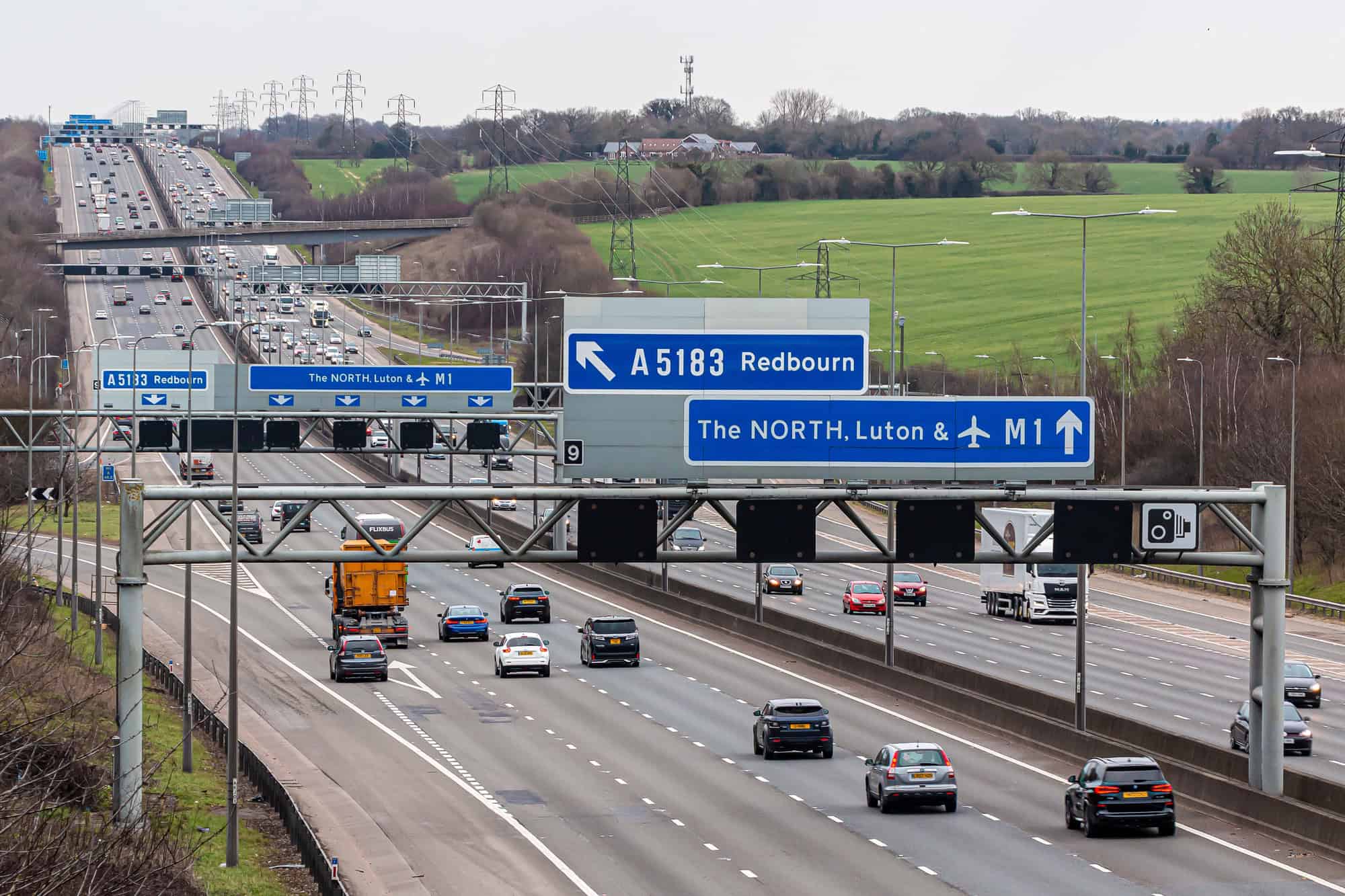
Third, do not read the pause as a free pass. DfT says the police continue to enforce speed limits on the network through mobile cameras, road policing patrols and average speed sites, and that interim measures include more traffic patrol officers from National Highways. The ministerial statement ends by saying that anyone who breaks the law can expect to be punished. Forces also apply their own tolerance thresholds, as the analysis of secret police thresholds on speed cameras shows.
The fourth step is to watch for the report. Once published, it will show whether National Highways knew about the delay before September 2025, and whether the supplier gave assurances that held up. Drivers offered a course can see what a speed awareness course costs.
The signs above the lane carry rules that apply whatever the cameras do, and a red X on the motorway is one every driver needs to read correctly.
Want more car content? Add us as a preferred source on Google to your favourites list for the best automotive news and analysis on the internet.
If you enjoyed this article, be sure to follow us on Microsoft Start.

Leave a Comment
More in News
Every Driver Holding a Phone for Directions Risks 6 Points and a £200 Fine

What Police Do When a Stranger Parks on Your Drive (and Who Fines Them)
How to Fix a Weak Car Heater Fan (Check the Fuse First)

Bexar County Drivers Must Now Pass an $18.50 Emissions Test Before Renewing Registration

2027 Nissan Rogue Hybrid Reaches Dealers This Week With an EPA-Estimated 38 MPG Combined
Trending on Motoring Chronicle

How DVSA Found 70 Percent of Vans Unsafe to Drive at Roadside Checks

Why Carbon Build-Up Quietly Costs You Fuel and How to Tell If Your Engine Has It
What Water Do You Put in Batteries?

Bentley Motors announces bold new direction for its Foundation