
What a Speed Awareness Course Actually Costs (and Who Gets Offered One)
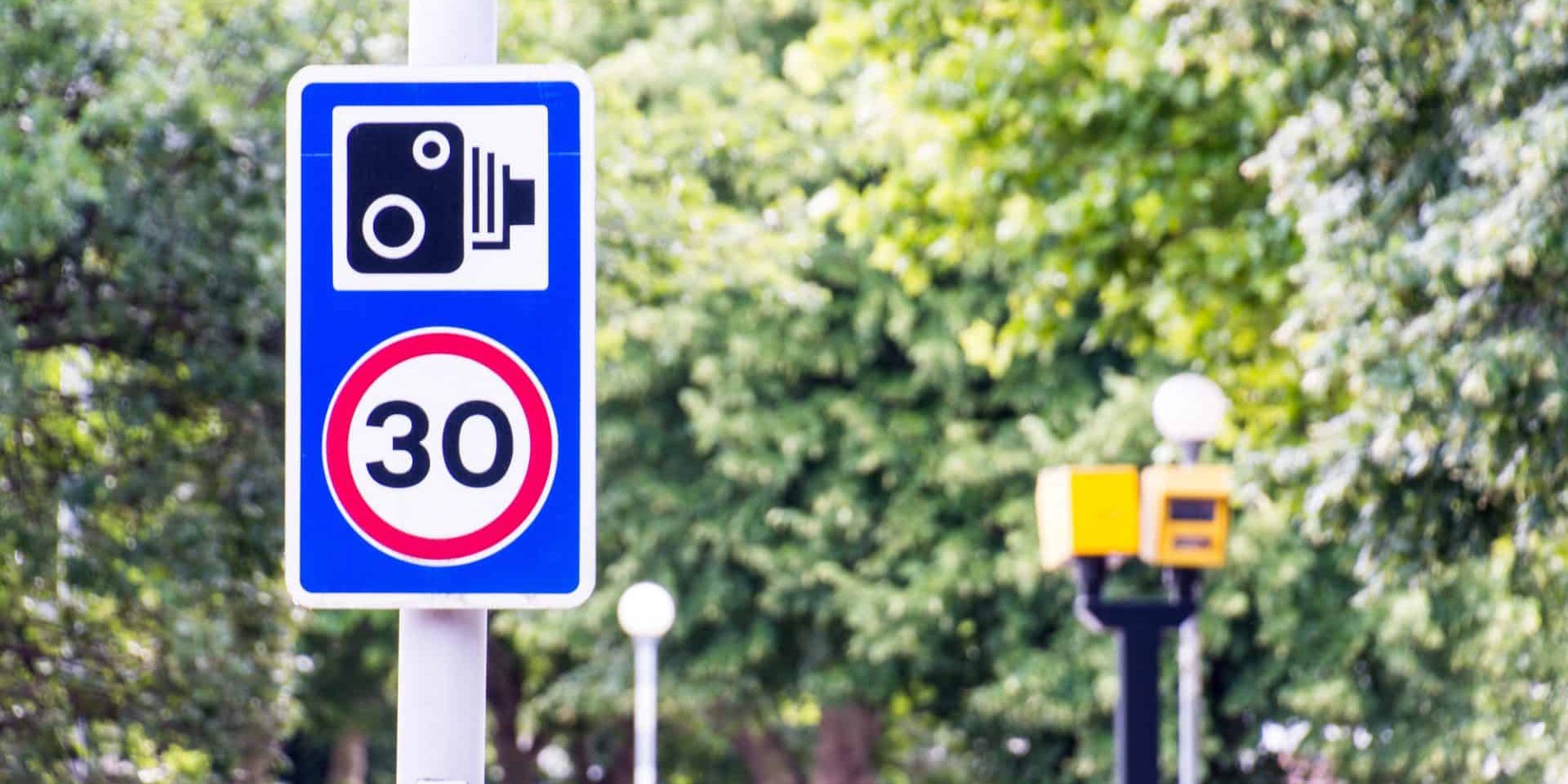
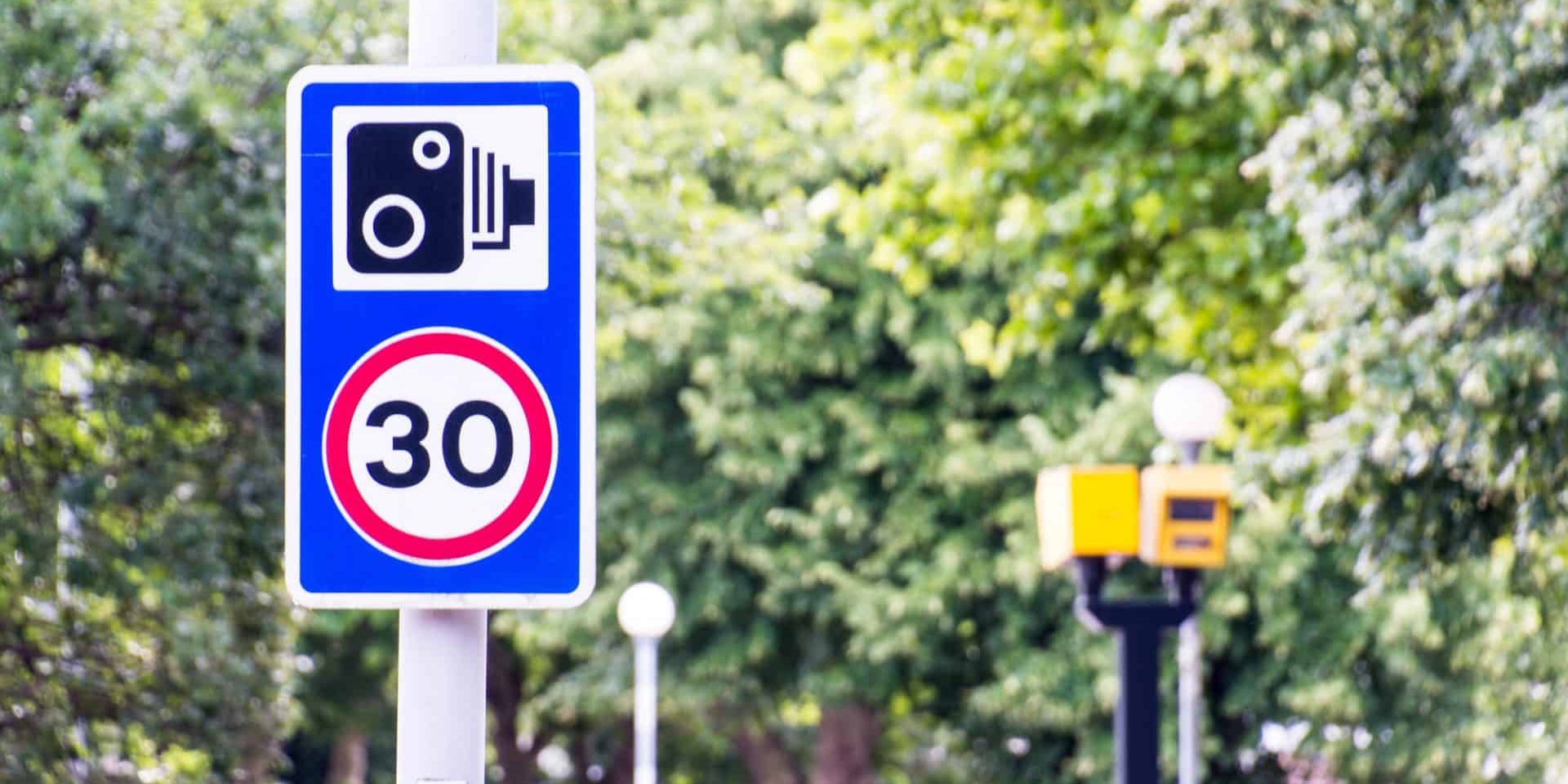
- You cannot sign up for a speed awareness course yourself: the police decide whether to offer one, and only if you have not taken one in the past 3 years.
- A course usually costs £80 to £90 ($104 to $117), against a £100 ($130) fixed penalty plus 3 penalty points, and takes around 3 to 4 hours.
- Eligibility ends between 10% plus 2mph and 10% plus 9mph over the limit, depending on the force, so 35 to 42mph in a 30 zone.
What a Speed Awareness Course Costs and Who Gets Offered One
A speed awareness course is a classroom session that police offer as an alternative to a fine and points when you were caught only slightly over the limit. It usually costs £80 to £90 ($104 to $117), takes three to four hours, and you can only be offered one if you have not attended one in the past three years. The police decide, not you, and the offer arrives in the letter that follows a speeding detection.
For most drivers the real question is simple: take the course or accept £100 ($130) and 3 penalty points. The answer is easier to reach once you know where the speed cut-offs sit, what the course involves, and what it does to your insurance.
How Fast You Can Be Going and Still Get the Offer
GOV.UK says police can offer a course if the police judge it appropriate for your offence and you have not attended one in the past three years. The thresholds differ by force, but the pattern is consistent. Police typically begin enforcement at 10% over the limit plus 2mph. Most forces stop offering courses somewhere between 10% plus 2mph and 10% plus 9mph.
Carbuyer gives example ranges that show how this works. In a 20mph limit the offer range is 24 to 31mph. In a 30mph limit it is 35 to 42mph, in a 40mph limit it is 46 to 53mph, and in a 50mph limit it is 57 to 64mph. In a 60mph limit the range is 68 to 75mph, and in a 70mph limit it is 79 to 86mph.
Take a 30mph zone. Ten per cent of the limit is 3mph, so 10% plus 2mph is 35mph and 10% plus 9mph is 42mph. A driver clocked at 34mph is under the enforcement line and usually gets nothing. A driver at 38mph is inside the range where many forces offer a course. A driver at 45mph is above any force’s cut-off and faces the fine and points.
Being inside the range is not a guarantee. Police forces have discretion, and not every force runs the scheme. Confused.com also lists reasons a course might not be offered: you took one less than three years ago, you were over the force’s threshold, you were caught in Scotland, or you missed the 28 day window to return the Notice of Intended Prosecution.
What It Costs and What Happens on the Day
Providers set their own prices. Carbuyer puts the cheapest course at just over £70 ($91) and the dearest at nearly £100 ($130), with most between £80 and £90 ($104 to $117). Confused.com gives a range of £79 to £100 ($103 to $130). Some providers allow payment in instalments, and you can take the course anywhere in the UK, whether or not it is near where you were caught.
That compares with the standard £100 fixed penalty, so the saving in cash is small. The real difference is the 3 penalty points that come with the fine, which stay on a licence and count toward the 12 point disqualification limit that GOV.UK sets for a three year period.
In person, a course runs about four hours including a break. Online sessions are shorter, at around two and a half to three hours according to Confused.com, while Carbuyer notes that many providers have returned to classroom delivery and advises preparing for an in person session. There is no driving. Carbuyer describes classroom sessions with typically two trainers and up to 24 participants, covering how speed affects stopping distances and risk.
Finish the whole session properly. Carbuyer warns that leaving early or not taking part can mean you have to accept points or face court, and a refund is unlikely.
The Three Year Rule and Your Options
The three year clock runs from the date of the original offence, not the date you attended the course, according to Confused.com. There is no lifetime limit on the number of courses, but you cannot do two inside one three year window. Commit another offence within three years of a course and you will get a fine and points, with no second offer.
The letter you receive typically gives three routes. You can pay the fine and accept the points, you can take the course if you are eligible, or you can contest the matter in court. Carbuyer notes that appealing removes the course option, and a loss in court is likely to mean a larger fine and more points.
GOV.UK sets out what a court can impose. The fine is usually a percentage of weekly income, up to £1,000 ($1,300), or up to £2,500 ($3,250) if you were driving on a motorway, and a court can add more points. Drivers within two years of passing their test face a revoked licence at 6 or more points. Taking a course keeps both the points and that risk off the record.
Taking the course is optional, and the deadline is firm. The 28 day window for returning the Notice of Intended Prosecution applies whichever route you choose. Miss it and you can lose the offer, so send the form back first and decide afterwards.
What to Do When the Letter Arrives
Work through the letter in order. First, note the date on the Notice of Intended Prosecution and return the form inside 28 days, as Confused.com advises. Second, check your recorded speed against the range for that limit using the 10% plus 2mph and 10% plus 9mph formula above. If the speed sits near the top of the range, expect that the force could still decline, and read the letter for its own wording on eligibility.
Third, compare the options. The course costs £80 to £90 ($104 to $117) at most providers, the fixed penalty is £100 ($130), and the fine route adds 3 points that stay on the licence. For a driver already carrying points, the course protects more than the £10 to £20 ($13 to $26) saving suggests. Confused.com notes that the course can also help prevent an insurance premium increase, which is where the larger sums sit.
Fourth, book through the details in the offer letter. Courses run under the National Driver Offender Retraining Scheme, or NDORS. Prices vary by provider and region, so check more than one if the letter allows. Some providers split the payment, and you can book a slot nearer home or somewhere else in the UK that suits your diary.
Fifth, attend on time and stay for the whole session. Leaving early or not taking part can end the offer and send you back to the fine and points. Keep the completion certificate afterwards, as it is the proof you will want when an insurer asks about courses at renewal.
Finally, do not treat the three year rule as a reset button. A course taken today blocks another offer until three years after the date of today’s offence. A second detection inside that period goes straight to the fine and points.
Does a Speed Awareness Course Affect Your Insurance?
A course is not a conviction and it is not an endorsement on your licence, so the legal duty to declare is different from points. Carbuyer says speeding convictions and points must be declared to insurers, while insurers are not required to ask about a course. Some insurers do ask. If an insurer asks the question directly, answer it correctly. A wrong answer to a direct question can put the policy at risk.
Money Expert makes the same point and adds that the course does not appear in DVLA checks. It also says a course does not carry the same insurance implications as licence points, though it can still add to your risk profile with some insurers. Carbuyer adds that some insurers raise premiums after learning you took a course, as some treat a course as a sign of higher risk even without points.
The practical advice is to read the wording on each application and renewal form. If the question says convictions and endorsements, a course does not apply. If it says “have you attended a speed awareness course”, it does. Keep the completion certificate with your paperwork so you can answer with the date.
Sources

Leave a Comment
More in News
What Makes a Number Plate Illegal in the UK (and the £1,000 Fine)

Why Gas Prices Are Falling From Their October Record High
Mercedes Recalls 30,000 Maybach and S-Class Models Over Failing Brake Hoses

How to Clear a Musty Car AC Smell Before It Costs a £300 Repair

14 Percent of Keyless Car Owners Faced a Relay Theft Attempt, DVLA Data Shows
Trending on Motoring Chronicle
Why Drivers Are Ditching Claims Firms to Fight Insurers Themselves

Why Petrol Hit 161p and What the September Fuel Duty Rise Means for Your Wallet

Every Driver With an Older or Modified Car Risks a £1,000 DVSA Fine

Why Careless Drivers Now Face Bans of Up to 56 Days Under Tougher Sentencing Rules
