
Learner Drivers Could Be Forced to Wait Six Months Before Taking Their Test Under a Major Government Proposal
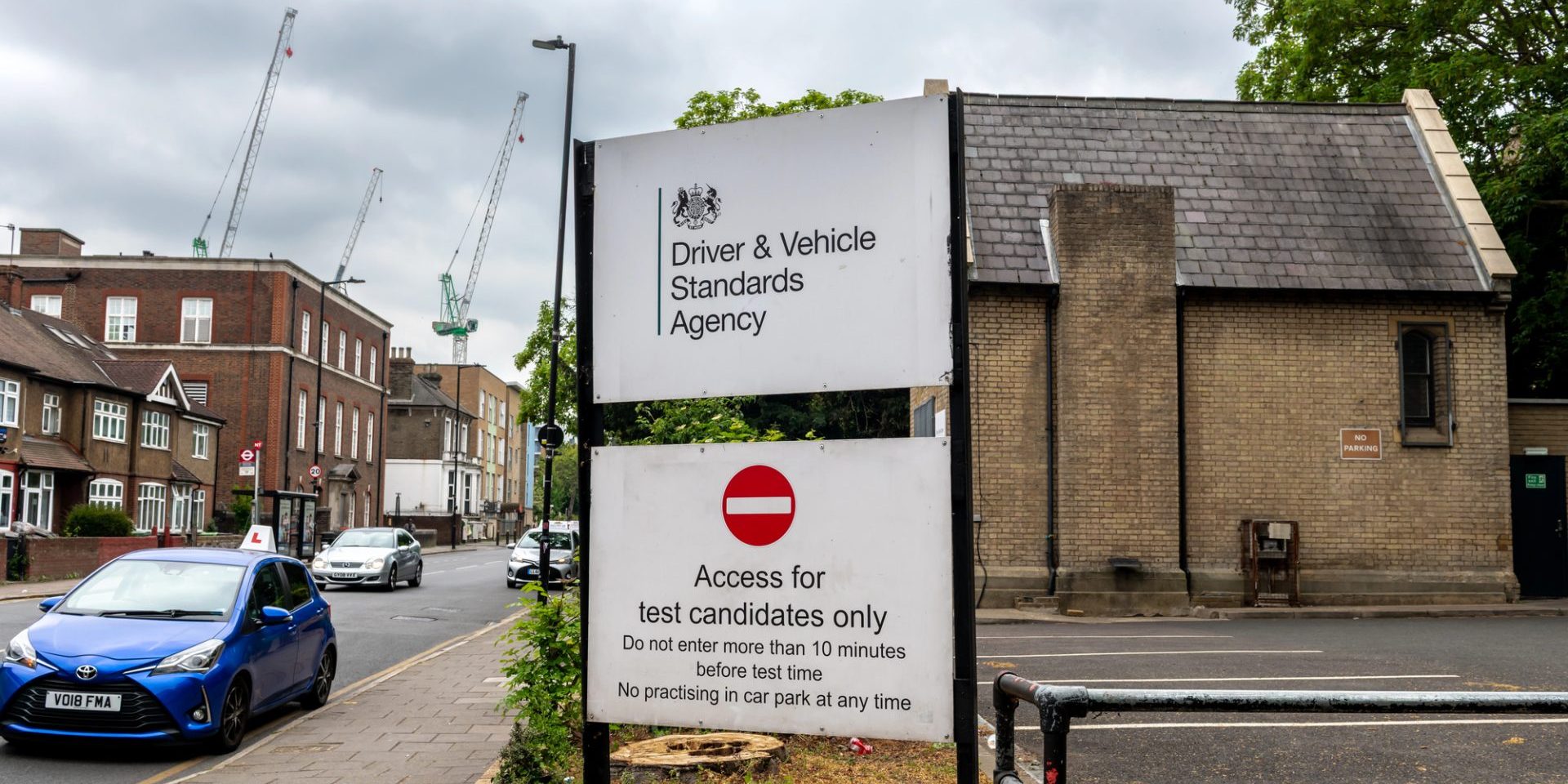
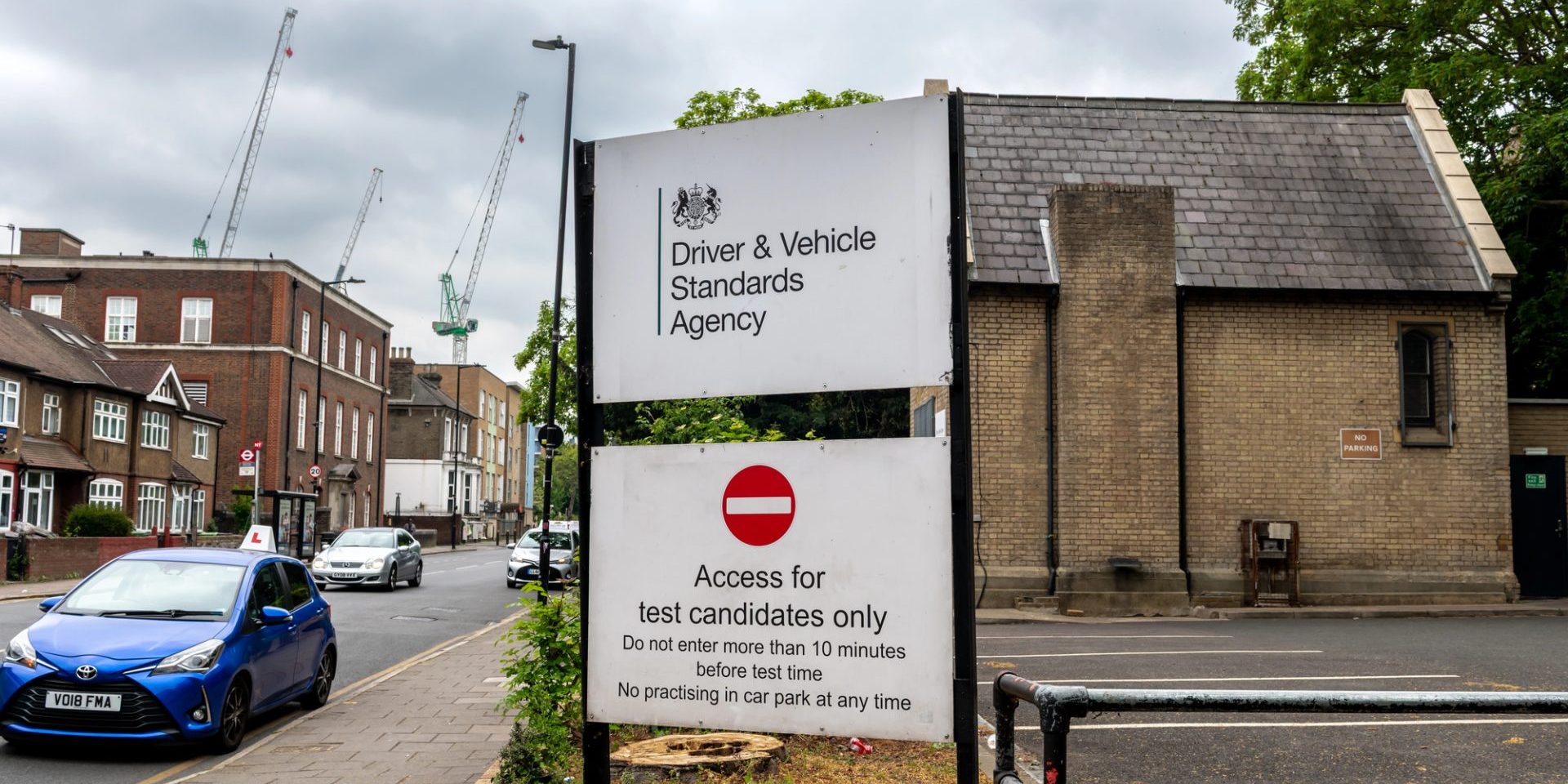
The government is considering introducing a minimum waiting period between passing the theory test and sitting the practical driving test, in a change that would be the most significant reform to the learner driver pathway in decades. If the proposal is adopted, learner drivers in England, Scotland and Wales could be required to wait at least six months before they are eligible to take their practical test, regardless of how many lessons they have had or how ready they feel.
A formal public consultation on the idea ran from early 2026 and closed on 31 March 2026. The Driver and Vehicle Standards Agency and the Department for Transport are now analysing the responses and are expected to publish their conclusions later this year. The decision, when it comes, will determine whether learner drivers face a new mandatory timeline before they can progress to a test.
The proposal has attracted significant attention across the driving instruction industry, road safety organisations and the millions of families that go through the learner driver process each year. The outcome will affect every person who begins learning to drive in England, Scotland and Wales if it is implemented.
Why the Government Is Considering This
The case for a minimum learning period rests on a substantial body of research linking inexperienced drivers to a disproportionate share of serious road collisions. Figures from the Department for Transport show that newly qualified drivers, particularly those aged 17 to 24, are involved in collisions at a rate far higher than more experienced drivers. Analysis suggests that around one in five new drivers has a collision within their first year of holding a full licence.
Research from the road safety community has consistently found that the amount of time spent driving across a variety of conditions, rather than simply the number of hours with an instructor, is a strong predictor of collision risk in the early years of driving. A learner who has driven through winter road conditions, at night, in heavy traffic and on motorways is better prepared for independent driving than one who has passed a test on familiar routes in good weather.
A minimum period between theory and practical tests is designed to ensure that learners have enough time to accumulate a diverse range of driving experience before they take their test. The theory test can currently be sat as soon as a learner chooses, and the practical test booked almost immediately after passing the theory. Under the current system, a highly motivated learner could theoretically pass both tests within a few weeks of starting lessons.
What Exactly Is Being Proposed?
The government’s consultation document set out two potential options for the minimum period: three months or six months. The six-month option has received the most support from road safety organisations and is widely regarded as the more likely outcome if the government decides to proceed.
Under the six-month proposal, a learner driver who passes their theory test would be required to wait six months before they become eligible to sit their practical test. The clock would start from the date the theory test is passed. A learner who passes their theory in January would not be eligible for a practical test until July at the earliest, regardless of how many lessons they had completed in the intervening period.
The consultation also asked about minimum supervised driving hours. One strand of the proposal would require learner drivers to complete a minimum number of hours behind the wheel with a qualified driving instructor before becoming eligible to test. Another would introduce requirements around private practice hours, where a learner drives with a supervising parent or other qualified adult. The specific numbers proposed have not been finalised in the public documents, and the consultation response is expected to set clearer parameters.
How This Compares with Other Countries
Minimum learning periods for drivers are not unusual internationally. Several countries with strong road safety records have had mandatory supervised driving periods in place for years.
Australia introduced graduated licensing systems at state level that typically require learner drivers to hold a learner permit for twelve months and log a minimum of 120 supervised hours before progressing to a provisional licence. New Zealand operates an eighteen-month minimum period before a new driver can progress from a learner to a restricted licence. Both countries have seen reductions in new driver collision rates that researchers have partly attributed to these requirements.
Northern Ireland already operates a graduated driver licensing system, with minimum periods and requirements built into the licensing pathway. The proposal for England, Scotland and Wales would bring those countries closer to the Northern Ireland model, though the specific requirements being considered are less extensive than the full graduated licensing systems operating in Australia and New Zealand.
What It Would Mean for Learners and Families
The most immediate practical effect of a six-month minimum period would be to extend the total time a learner spends on L-plates. Under the current system, a motivated learner who starts intensive lessons in, say, September and passes quickly could be driving independently before Christmas. Under the proposed change, that would not be possible regardless of ability.
For young drivers and their families, the change carries a financial dimension. Driving lessons are a major expense, with the average cost of a 60-minute lesson with a qualified driving instructor now running at £40 to £45 in most parts of England. A mandatory six-month period does not in itself require any additional lessons, but the practical reality is that most learners will need to continue having lessons across the waiting period to maintain and develop their skills. For families already stretched by the cost of learning to drive, a longer compulsory process adds to that burden.
The proposal also intersects with the existing crisis in driving test availability. Average waiting times for a practical driving test are already running at several months in many areas of England. A six-month minimum learning period would be layered on top of those existing delays, not run concurrently with them in any guaranteed way. A learner who passes their theory test, waits the mandatory six months, and then joins the queue for a practical test slot could face a total wait well in excess of a year from theory pass to practical test date in some areas.
Reaction from the Driving Instruction Industry
Approved driving instructors have broadly welcomed the proposal. The Driving Instructors Association and other bodies representing qualified instructors have consistently argued that the current system allows some learners to rush through the minimum required training without developing the experience they need for safe independent driving.
Instructors point out that a learner who passes the practical test after a short intensive course may be technically capable of performing the test manoeuvres but lacks the broader experience that comes from driving across different conditions, times of day and road types. A mandatory minimum period, they argue, would encourage learners to use the waiting time productively rather than simply cramming for the test.
Some within the industry have expressed concerns about enforcement and whether a minimum period alone, without requirements for logged driving hours, would meaningfully change behaviour. A learner who passes their theory test and then does almost no driving for six months before taking their practical test would technically comply with the minimum period requirement but would not have benefited from the intended experience-building purpose.
Road Safety Organisations Back the Change
Road Safety GB, Brake, and the Parliamentary Advisory Council for Transport Safety have all submitted responses to the consultation supporting the introduction of a minimum learning period, with most endorsing the six-month option as the more effective of the two proposals.
Brake’s position is that the current system leaves too many young drivers on the road without sufficient preparation, and that a mandatory waiting period is a proportionate intervention given the collision statistics for newly qualified drivers. The organisation has also called for accompanying measures, including requirements for supervised night driving and motorway experience, to ensure the waiting period is spent productively.
The Royal Society for the Prevention of Accidents has pointed to international evidence showing that graduated licensing systems, of which a minimum learning period is one component, have a meaningful impact on new driver safety records. ROSPA and similar organisations have encouraged the government to go further than the minimum period alone and consider a broader graduated licensing framework for England, Scotland and Wales.
When Will the Government Announce Its Decision?
The consultation closed on 31 March 2026, and the DVSA and DfT are in the process of analysing responses. No formal timeline for publication of the response has been announced, but consultation responses are typically published within six to twelve months of the consultation closing, suggesting an announcement is likely in the second half of 2026.
If the government decides to introduce a minimum learning period, implementing the change would require amendments to driving licence regulations and changes to the booking systems operated by the DVSA. It is unlikely that any new requirement would come into force immediately upon announcement. A transition period allowing the industry and testing system to adjust would be expected.
Learner drivers who are currently working through the process should continue as normal. No change is in force yet, and the consultation response may conclude that changes are not warranted, or may recommend a different approach to the one proposed. Until the government publishes its formal response, the current rules remain unchanged.
What is clear from the consultation and the policy discussion around it is that the government is taking the issue of new driver safety seriously and is willing to consider significant changes to the licensing pathway to address it. The minimum learning period proposal is one of the most concrete interventions on the table, and the decision that follows the consultation response will shape the experience of every new driver in Britain for years to come.

Leave a Comment
More in News

2027 Mazda CX-30 Expands to 21 Models With New Homura Plus Grade
What a Tyre Sealant Kit Actually Does (and How Far You Can Drive)
How to Tell If a Windscreen Chip Fails Your MOT (and Repair Cost)

What NHTSA’s Tesla Robotaxi Petition Over School Zone Speeding Means for You

Why Hyundai Is Telling 94,622 Genesis Owners to Park Outside
Trending on Motoring Chronicle

2.2 Million Cars Have a Bluetooth Flaw That Lets Thieves Unlock Them

What Your Car Service Actually Includes (and Which One You Need)

How California’s New Robotaxi Law Could Fine Waymo and Tesla $10,000

VW Transporter eHybrid Arrives From £38,155 With 35-Mile Electric Range
