
East Sussex Cancelled 1,793 Telscombe Cliffs Bus Lane Fines After Drivers Challenged 76 Percent

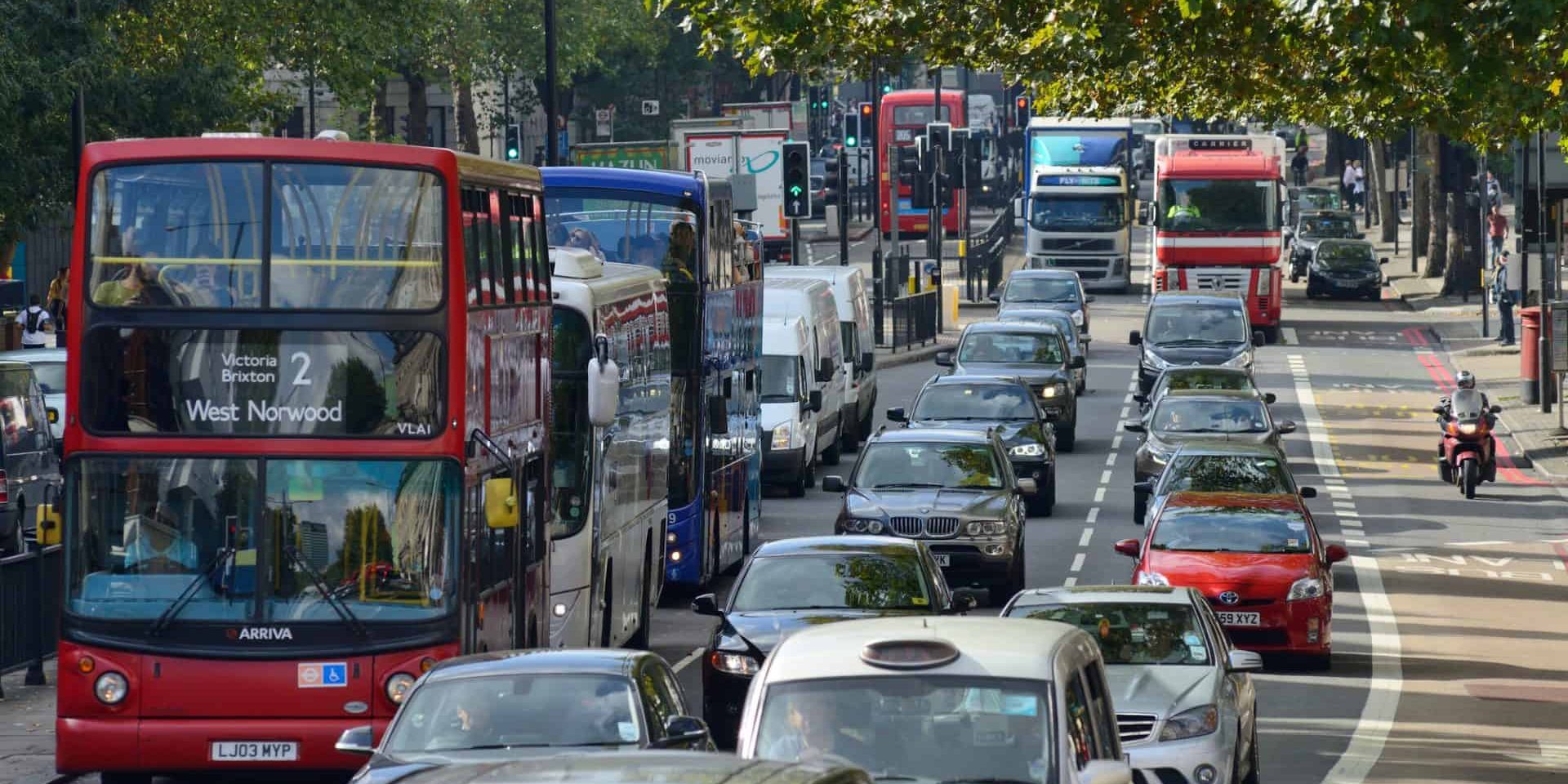
- East Sussex County Council’s annual parking report for 2025/26 puts bus lane penalty notices at 9,564, up 138.7 percent from 4,006 a year earlier.
- Drivers challenged 2,014 of the 2,650 notices issued in the A259 South Coast Road bus lane at Telscombe Cliffs, 76 percent, and the council cancelled 1,793 of them.
- The £70 charge falls to £35 if paid within 21 days and rises to £105 if the notice is neither paid nor challenged within 28 days of posting.
A Coast Road Bus Lane Lost Two Thirds of Its Penalty Notices to Challenges
Between April 2025 and March 2026, East Sussex County Council issued 2,650 penalty charge notices to vehicles using the A259 South Coast Road bus lane through Telscombe Cliffs and Saltdean, and cancelled 1,793 of them. That is 68 percent of the notices the lane produced. Drivers challenged 2,014 notices, 76 percent, and the council kept the notice in force in only 44 of those cases, 2 percent. The council cancelled 89 percent of the challenges.
Across the whole county the count of bus lane notices more than doubled, from 4,006 to 9,564, a rise of 5,558 or 138.7 percent. Enforcement began on 6 May 2025 in two lanes, South Coast Road and Grand Parade in St Leonards-on-Sea. Those two lanes produced 3,598 of the extra notices. The Eastbourne lanes in Gildredge Road and Terminus Road, enforced from 31 May 2022, added the other 1,960.
The charge is £70, reduced to £35 if paid within 21 days, and it climbs to £105 once 28 days pass from posting without payment or a challenge. On the South Coast Road stretch in 2025/26, a challenge ended in a cancellation nearly nine times in ten.
Four Lanes, Four Very Different Outcomes
Gildredge Road in Eastbourne, where the lane runs from 5am to midnight, produced the most notices: 4,440, up 1,287 or 40.8 percent from 3,153. Drivers challenged 752 of them, 17 percent. The council kept 601 of those notices in force, 80 percent of the challenges, and cancelled 151, which is 3 percent of everything issued on the road.
Terminus Road, also in Eastbourne, produced 1,526 notices, up 673 or 78.9 percent from 853. Challenges reached 333, or 22 percent, and the council cancelled 211. That is 63 percent of the challenges and 14 percent of all notices on the road. Grand Parade, in its first year of enforcement, produced 948 notices, 157 challenges and 63 cancellations, which is 40 percent of the challenges and 7 percent of the notices.
Put those three lanes together and the contrast with Telscombe Cliffs is sharp. They issued 6,914 notices, drew 1,242 challenges (18 percent) and ended with 425 cancellations, 6 percent of notices. South Coast Road alone issued 27.7 percent of the county’s bus lane notices and accounts for 80.8 percent of its cancellations, 1,793 of 2,218.
Monthly notices on South Coast Road peaked early. They numbered 527 in June 2025 and 644 in July, together 1,171 or 44 percent of the year’s total. By March 2026 the monthly figure was 109, 83 percent below the July peak.
What Got 1,793 Notices Cancelled
The council logged 1,706 of the 1,793 South Coast Road cancellations under mitigating reasons, 95.1 percent. Across all four lanes, mitigating reasons cover 1,875 of 2,218 cancellations (84.5 percent), and South Coast Road supplies 91 percent of them. The council’s published tables do not break the category down, so the data cannot say what persuaded the council in those 1,706 cases.
The remaining cancellations across the four lanes carry the council’s own labels. The council recorded 196 under the heading double jeopardy, 83 as a processing or system error at the council, 27 for loading or unloading, 20 for a vehicle breakdown and 12 for multiple notices issued for one contravention. Five more covered emergency utility work, a medical emergency and missing or obscured lines or signs.
The year before was far quieter. Drivers made 822 challenges against 4,006 notices and the council had cancelled 116, though its 2024/25 report listed 838 notices as still open when it was published. In 2025/26 challenges reached 3,256 (34 percent of 9,564 notices) and cancellations 2,218 (23 percent). The 2025/26 report labels that row PCN related correspondence, so the year-on-year comparison is the council’s two tables set side by side.
Few cases leave the council. Only 20 bus lane notices, 0.21 percent of those issued, went to the independent adjudicators at the Traffic Penalty Tribunal. Adjudicators dismissed 13 of the appeals, 65 percent, and allowed 4, 20 percent, while the council chose not to contest 3. On South Coast Road, 3 notices reached the tribunal: one was dismissed and the council did not contest the other two. Inside the council, only a trained officer can decide a challenge, no councillor or MP can intervene, and a different officer reviews the case at each stage. The national record of appeals that drivers won at the Traffic Penalty Tribunal is set out in a separate report on this site.
£239,681 in Penalties and a Parking Account Still in Deficit
Bus lane penalty income reached £239,681 in 2025/26, up £121,275 or 102.4 percent from £118,406. Notices rose faster than income. As a rough yardstick, income divided by notices issued comes to £25.06 a notice, down from £29.56 the year before and far below the £70 headline charge. The payment table shows how notices were settled. Of 6,187 bus lane notices paid, 5,679 (91.8 percent) were paid at the £35 discounted rate, 158 at £70, 157 at £105 after a charge certificate and 193 at £115 after registration. On South Coast Road only 324 notices were paid, 269 of them at £35.
Parking notice income stood still. It came to £1,768,470, down £2,926 from £1,771,396, while parking notices rose 6.2 percent. Total income for the parking account rose £548,551, or 7.8 percent, to £7,606,743. The finance table lists bus lane expenditure at £0 for 2025/26, against £35,838 the year before.
The scheme made no operational surplus. After £368,155 of parking review costs and £463,724 for the supported bus network and concessionary fares, the account closed with a net deficit of £831,879, which is £34,128 smaller than the £866,007 deficit of 2024/25. The council’s bus lane page says income pays for the installation, upkeep and running of the scheme and that any surplus goes into local transport schemes. Councillor Peter Griffiths, the Lead Member for Transport and Environment, wrote in the report’s foreword that “we introduced enforcement at new bus lanes in Telscombe Cliffs and St Leonards, helping to improve journey reliability for bus passengers”. East Sussex’s £239,681 sits next to the sums other authorities collect, which this site set out in a national report on what councils earn from bus lane cameras.
Parking Tickets Rose 6.2 Percent While Challenges Fell 17.5 Percent
The council issued 57,056 parking penalty notices in 2025/26 against 53,733 the year before, a rise of 3,323 or 6.2 percent. Hastings issued the most, 19,357, followed by Eastbourne with 17,017, which was 1,140 fewer than the year before, and Rother with 10,593.
Several contraventions stand out. Parking longer than permitted (code 30) rose 31.9 percent to 4,357 from 3,303. Stopping at a restricted bus stop (code 47) rose 44.1 percent to 1,187 from 824. Parking without a clearly displayed valid ticket or permit (code 12) produced 9,106 notices, up 4.5 percent from 8,718. Parking in an electric vehicle charging place without charging (code 71) produced 100 notices after none the year before. Parking in a restricted street in the hours it applies (code 1) stayed level at 13,596 against 13,601.
Challenges went the other way. Drivers made 11,079 challenges, 19 percent of notices, down 2,353 or 17.5 percent from 13,432. The council cancelled 2,788, which is 25 percent of challenges and 5 percent of notices, against 2,774 a year earlier. Cancellation rates differed by area: 39 percent of challenges at Lewes off-street car parks, 30 percent in Eastbourne, 22 percent in Rother, 21 percent in Hastings and 19 percent in Lewes on-street. Of 44,509 parking notices paid, 35,494 (79.7 percent) were paid at the £25 or £35 discounted rate, compared with 91.8 percent for bus lane notices.
What to Check Before the Camera Does, and What to Do When a Notice Lands
Every bus lane carries the words Bus Lane on the road, a solid white line separating it from general traffic and a blue sign with a white bus. The sign shows the hours of operation, and a sign with no hours means the lane applies 24 hours. In East Sussex the lanes differ. Gildredge Road applies from 5am to midnight every day. Terminus Road applies 24 hours, with taxis allowed from midnight to 5am. Grand Parade applies 24 hours and is open to buses and bicycles only. South Coast Road applies 24 hours and is open to buses, bicycles, motorcycles and taxis.
Loading and unloading, and picking up or dropping off passengers, are allowed in a bus lane. A vehicle should enter only at the point where the activity happens, leave straight away afterwards and never travel through the lane without need. Cameras record every vehicle that enters, a member of the team reviews the recordings daily, and the registration number goes to the DVLA, which supplies the registered keeper’s name and address for the posted notice. Readers comparing councils can set these figures against the bus lane fines Sheffield issued and cancelled.
The cancellation tables show which grounds the council accepted in 2025/26. On bus lane notices they included loading or unloading (27), a vehicle breakdown (20), several notices for one contravention (12) and council processing errors (83). On parking notices the largest groups were civil enforcement officer error (411), a blue badge holder (355), an accepted cashless or virtual parking error (342), a valid pay and display ticket (270), loading or unloading (173), multiple notices for one contravention (142) and a breakdown (110). A driver whose notice matches one of these has the council’s own record of accepting it.
The council takes challenges online, by email and by post. For a bus lane notice it asks for representations in writing within 21 days of issue, before the charge increases; for a parking notice the window is 14 days. A challenge puts the notice on hold, so the amount due does not rise until the council has decided and written back, and the council aims to reply within 15 working days. Paying closes the case, and the council says a challenge made afterwards might go unconsidered, so a driver who wants to contest a notice challenges first. The dates decide the cost: £35 if paid within 21 days, £70 after that, and £105 if the notice is neither paid nor challenged within 28 days of posting.
Want more car content? Add us as a preferred source on Google to your favourites list for the best automotive news and analysis on the internet.
If you enjoyed this article, be sure to follow us on Microsoft Start.

Leave a Comment
More in News

Dacia Sandero Gains Hybrid 155 Power from £17,995 on the Road with 67mpg Quoted

Porsche Gives 911, Taycan, Panamera and Cayenne Up to Five Times the Computing Power

Every Early Car Finance Offer Is Full and Final, FCA Says Before February Hearing

Tenants Could Get a 28 Day Answer on EV Chargers Under DfT Plan

What Penalty Points Stay on Your Licence for 4 Years and Which Last 11
Trending on Motoring Chronicle

DVSA Data Shows Kirkcaldy MOT Failures Hit 36.2 Percent, Against 20 Percent in Ilford

The New Lexus ES 350h Is Bigger, Gets All Wheel Drive For The First Time And Returns 46 MPG

Why 12 Million Drivers Owed a Car Finance Payout Now Face a Wait Until 2027

Knoxville School Zone Cameras Mail Warnings From Nov. 16, Then $50 Fines
