
What a Global Oil Flashpoint Means for the Price of Diesel in Britain
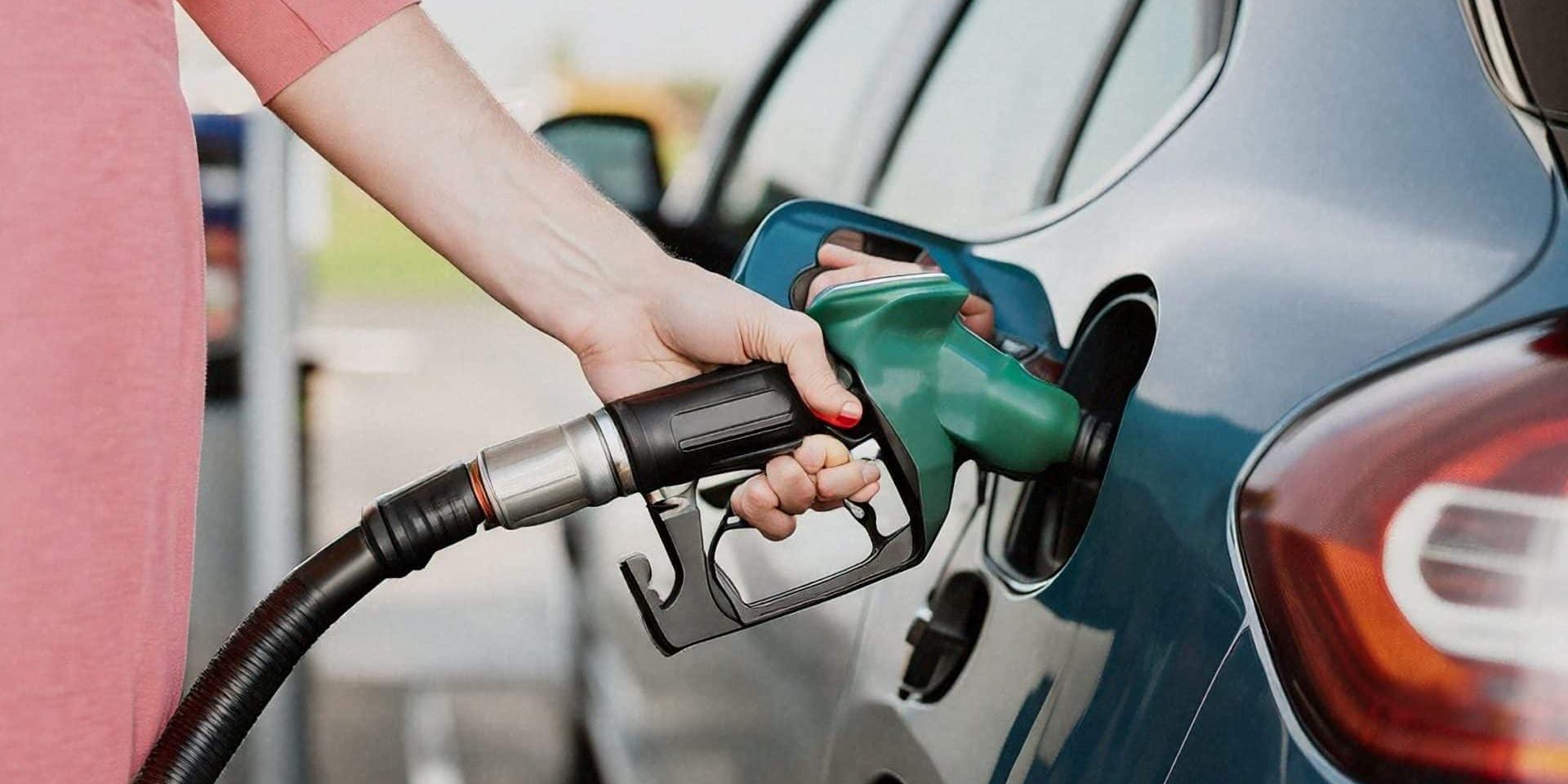
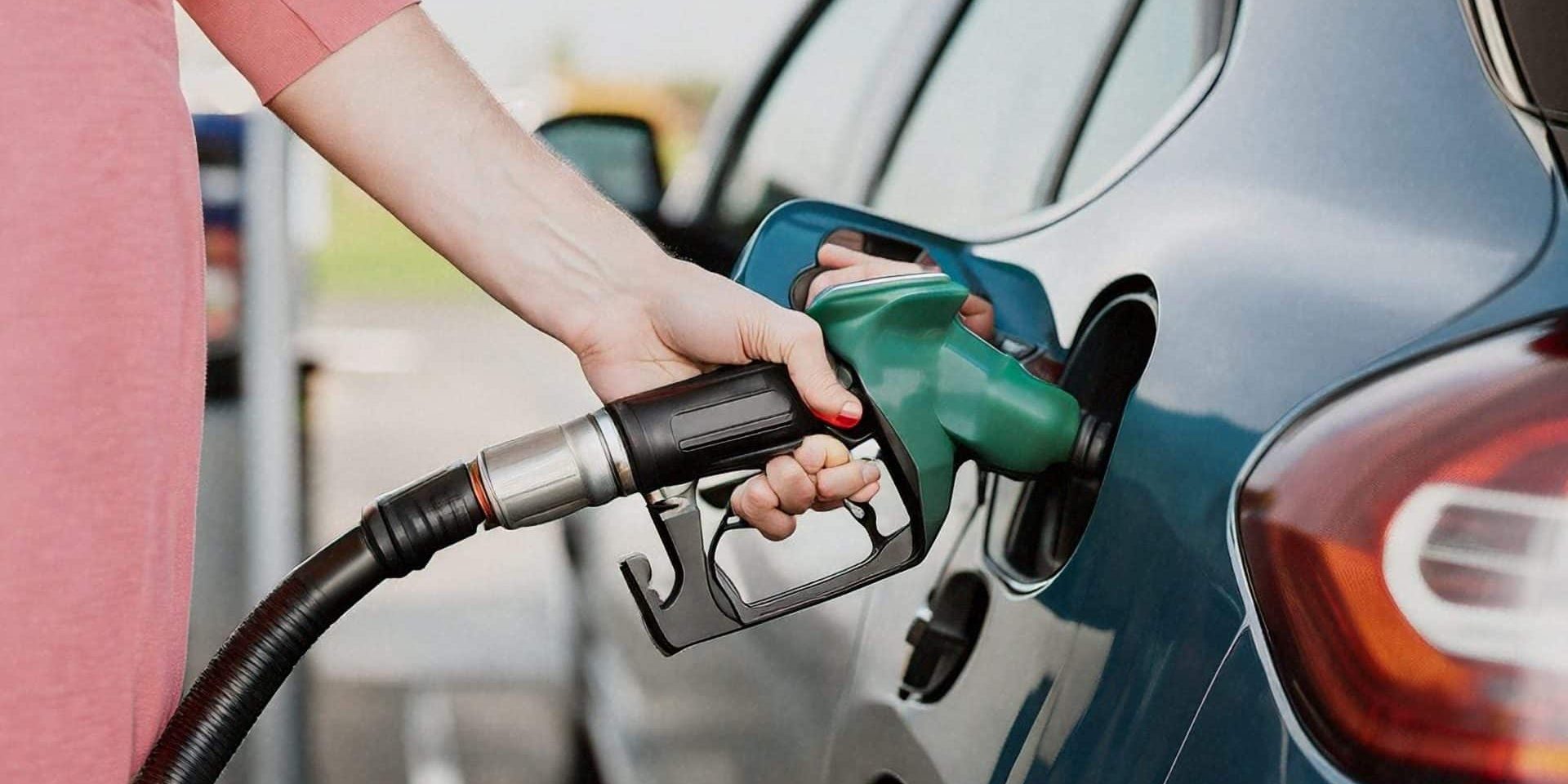
Diesel drivers in Britain are facing renewed pressure at the pump as global oil prices respond to fresh tensions around the Strait of Hormuz, the narrow waterway through which roughly a fifth of the world’s oil supply passes each day. Prices at UK forecourts had been easing for much of the past two years, but that trend has reversed sharply in recent weeks.
The reasons are rooted in geopolitics far removed from British motorways and retail parks, but their effect on the cost of filling up is direct and immediate. Here is what is happening, why it is pushing diesel prices higher, and what it could mean for drivers in the months ahead.
What Is the Strait of Hormuz?
The Strait of Hormuz is a narrow channel of water between the Arabian Peninsula and Iran. It connects the Persian Gulf to the Gulf of Oman and the wider Arabian Sea, and at its narrowest point it is approximately 33 kilometres across. What makes it significant to anyone who fills up with diesel in Britain is that it is the single transit route for crude oil exports from Saudi Arabia, the UAE, Kuwait, Iraq, and Qatar.
Around 20 per cent of the world’s total oil supply passes through the strait each day. When tensions in the region rise, oil traders respond by pricing in the risk of a supply disruption, which pushes the global benchmark price of crude higher. Even when no tankers are physically stopped, the threat alone is enough to move markets substantially.
What Has Been Driving Tensions?
Pressure in and around the Strait of Hormuz has intensified in 2026 as broader Middle East tensions have escalated. Iran has previously threatened to restrict passage through the strait during periods of heightened confrontation with Western nations, and markets have responded to each new development with significant oil price movement.
The situation has been further complicated by uncertainty over the pace of OPEC+ production increases, which had been scheduled to add supply to the market over the coming months. If that supply is delayed or reduced at the same time as seasonal demand picks up, the conditions for sustained higher prices are in place.
Brent crude, the international benchmark that feeds directly into UK pump prices, has risen meaningfully from its recent lows. That rise feeds through to the wholesale price of diesel within days, and to forecourt prices within a week or two, which is why UK drivers are now feeling the effect.
How Much Have Diesel Prices Changed?
UK diesel had been on a broadly declining path since the post-pandemic highs of 2022, when pump prices reached record levels. The recent reversal has erased several months of gradual improvement. Average diesel prices across Britain have climbed back toward levels last seen in late 2024, putting renewed pressure on private motorists and businesses that operate diesel fleets.
Both the RAC and the AA have noted the uptick and called on retailers to pass any future wholesale price falls on to customers more quickly. The gap between the speed at which pump prices rise when wholesale costs go up, and the speed at which they fall when costs come down, is a persistent source of frustration for consumer groups and motoring organisations alike.
Why Does Diesel Feel the Impact More Than Petrol?
Diesel is predominantly sourced from middle distillate crude, much of which arrives in Britain via tanker routes that pass through or near the Hormuz region. Petrol is derived from lighter crude fractions and relies on a broader mix of supply routes, which gives it slightly more insulation from disruptions specific to the Persian Gulf.
That means diesel is more directly exposed to supply shocks originating in the Middle East than petrol is. It also explains why diesel prices can move more sharply than petrol prices during periods of regional tension, even when both fuels are affected by the same underlying rise in the crude oil price.
Diesel drivers also tend to cover higher annual mileages than petrol drivers on average, which means the cost of a price rise is felt more acutely over the course of a year. For drivers covering 20,000 miles or more, even a modest increase per litre adds up to a meaningful additional annual outlay.
What About Businesses That Run Diesel Fleets?
The increase in diesel prices does not only affect private motorists. Businesses that operate diesel fleets, including hauliers, courier companies, and trade vehicle operators, face an immediate impact on their running costs. Many fleet operators have diesel costs built into fixed-price contracts, which means they cannot pass on fuel cost increases to their customers in real time.
Fleet operators are advised to review their fuel card arrangements, check whether their suppliers offer volume-discount structures, and consider where route optimisation or load consolidation could reduce the total miles driven. Even relatively modest reductions in fuel consumption per vehicle generate meaningful savings across a fleet of ten or more vehicles.
Fuel duty remains the single largest component of the UK pump price. Any change to duty levels would require government action rather than changes in the commercial fuel market, and no such intervention has been announced in response to the current price rise.
How Long Could Higher Prices Last?
The trajectory of pump prices depends on geopolitical developments that are inherently difficult to predict. If tensions around the Strait of Hormuz ease and OPEC+ proceeds with planned production increases, the current upward pressure could begin to unwind within weeks. If the situation escalates or production disappoints, prices could remain elevated considerably longer.
What typically follows a period of sharp oil price rises is a period of volatility rather than a clean reversal. Traders tend to maintain a risk premium in the oil price during periods of sustained geopolitical tension, which means pump prices can stay higher for longer than the underlying supply picture would strictly justify.
What Can Diesel Drivers Do?
Short of switching vehicle, the options available to diesel drivers during a period of higher pump prices are largely about managing consumption and shopping around for the best available price.
Using a supermarket fuel comparison app or a dedicated petrol price tracker can identify the cheapest forecourts in your area. Supermarket fuel stations consistently undercut motorway services and many branded forecourts, and that gap tends to widen when wholesale prices are rising because the major supermarkets use fuel pricing partly as a footfall driver.
On the consumption side, keeping tyres inflated to the correct pressure, avoiding carrying unnecessary weight, and planning routes to reduce cold starts and excessive idling can all reduce diesel usage. At higher fuel prices, even modest efficiency gains become more financially worthwhile.
For drivers covering high annual mileages in older diesel vehicles that are approaching the end of their useful life, a period of persistently elevated diesel prices can accelerate the case for moving to a petrol, hybrid, or electric alternative. The total cost of ownership calculation shifts when fuel costs remain stubbornly high.

Leave a Comment
More in News

Will Cracked Tyres Fail an MOT? The Line the Tester Works To

Home Charging Saves EV Drivers £1,240 a Year Over Diesel, Ofgem Cap Shows

How to Open a Frozen Car Door Without Breaking the Handle or Seal
Diesel Drivers Covering 10,000 Miles Now Pay £2,020 in Fuel, RAC Data Shows

What Your Car Service Actually Includes (and Which One You Need)
Trending on Motoring Chronicle

Rolls-Royce Spectre Series II Gains 390-Mile Range and 500kW Black Badge

Car Hire Firms Charge £232 a Week for Cover You Can Buy for £2 a Day

What Louisiana Drivers Need to Know as Inspection Stickers Give Way to QR Codes

Do Electric Cars Need Less Maintenance?
