
These Stretches of the M1, M6 and M5 Still Carry a 60mph Limit and £100 Fines
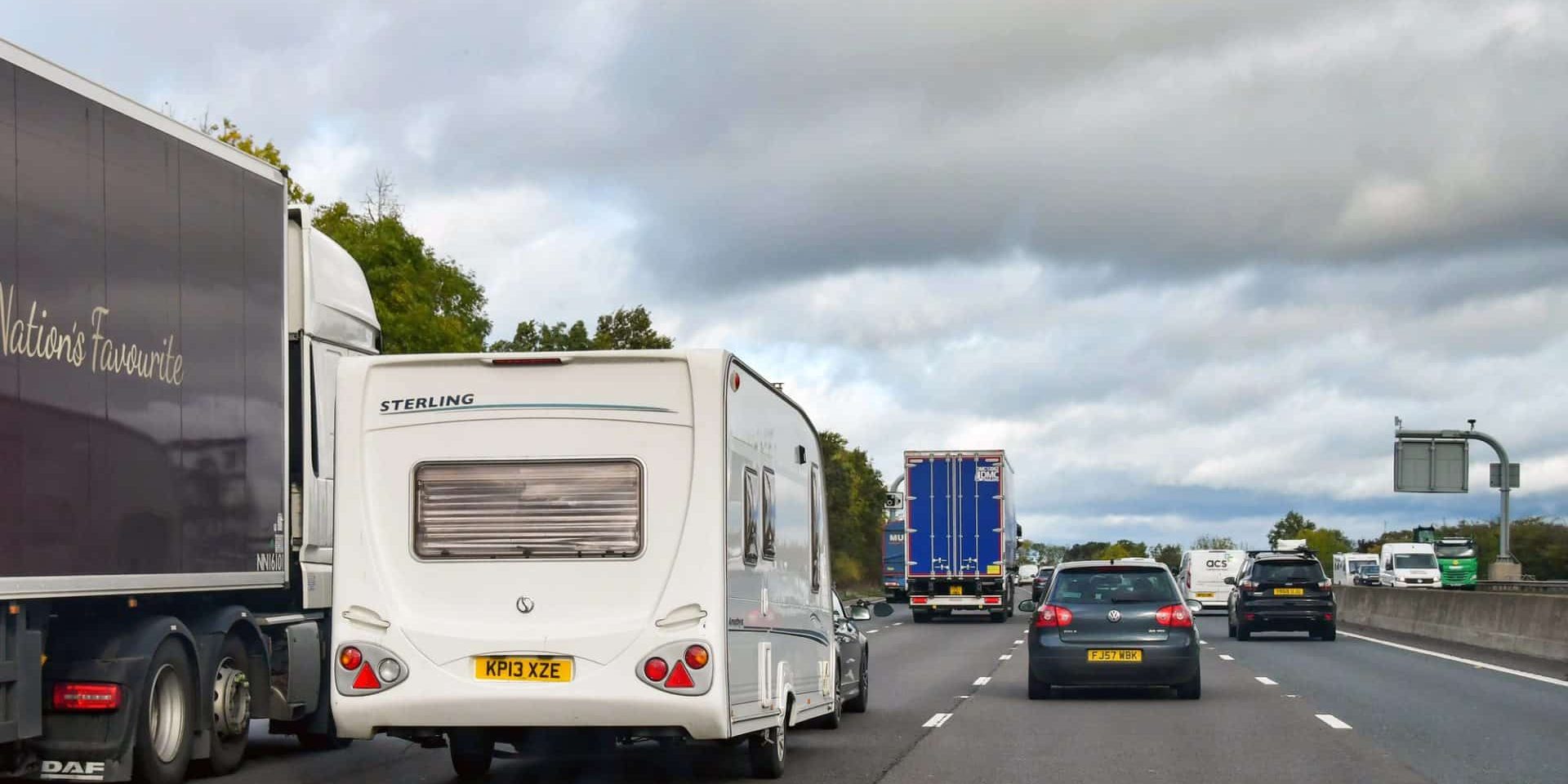
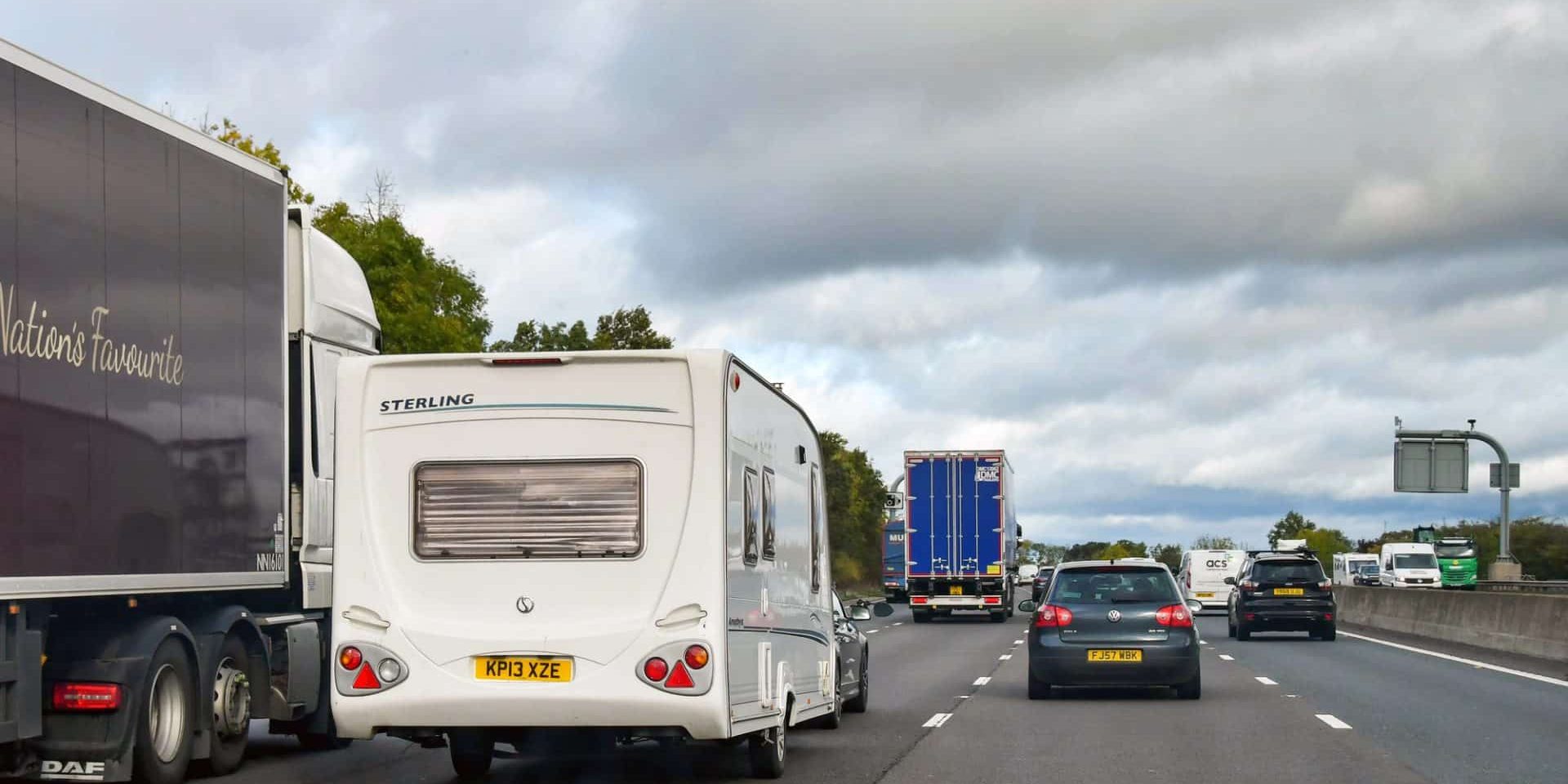
Most drivers know the national speed limit on a motorway is 70mph, but on several busy stretches of England’s motorway network the limit is quietly set 10mph lower. Sections of the M1, M6, M5, M4 and M602 carry a 60mph restriction, not because of roadworks or congestion, but to cut air pollution. The limits are enforced like any other, and a driver caught exceeding them faces a 100 pound fine and three penalty points. With many of these zones in place for more than two years, and signs that are easy to miss at speed, they catch out thousands of regular commuters who assume the usual 70 still applies.
Here is where these limits are, why they exist, what happens if you are caught, and how to avoid an unexpected penalty on a road you drive every day.
Where the 60mph limits are and why
The lower limits are part of a programme run by National Highways to bring roadside pollution down to legal levels. They sit on stretches of motorway that pass close to homes and built up areas where nitrogen dioxide concentrations have exceeded the limits set in law. By holding traffic at 60mph rather than 70, the agency reduces emissions from the vehicles using that section. Official assessments suggest the change cuts emissions by an average of around 17 per cent on the affected stretches, and that slowing traffic can bring an area within legal pollution limits one to two years sooner than doing nothing.
The zones are not enormous. Each runs for up to around 4.5 miles, and they are signposted with the 60 limit displayed on posts or overhead gantries. The difficulty for drivers is that there is no obvious reason for the drop. Unlike a roadworks limit with cones and contraflows, an air quality limit looks like an ordinary stretch of open motorway, which is exactly why people drift back up to 70 without realising they are now speeding. The limits were introduced as time limited measures, expected to last between 12 and 15 months, but several have remained in force well beyond that.
What happens if you are caught
A 60mph air quality limit is legally enforceable in the same way as any other speed limit. Exceed it and the standard penalty is a 100 pound fixed penalty and three points on your licence. Many of these stretches are monitored by average speed cameras, which measure your speed between two points rather than at a single spot, so braking sharply as you pass a camera does nothing. The cameras read your number plate at the start and end of the zone and calculate your average, which makes them difficult to beat and very consistent at catching offenders.
For a first low level offence, some drivers may be offered a speed awareness course instead of points, depending on the police force and how far over the limit they were. Most forces apply a tolerance of 10 per cent plus 2mph before acting, which on a 60 limit means enforcement typically begins at around 68mph, but that is a guideline rather than a guarantee and should not be relied upon. Drivers in their first two years after passing should be particularly careful, because three points is halfway to the threshold that costs new drivers their licence.
The controversy over the zones
The limits have drawn criticism, partly because some have remained in place far longer than the year or so originally promised, and partly because there has been little published evidence demonstrating how well they are working. Motoring groups and campaigners have called for the zones to be reviewed or removed where air quality has improved, arguing that drivers are being held to a restriction without being shown the results that justify it. National Highways maintains that the limits remain necessary until monitoring confirms that pollution has fallen within legal levels and is likely to stay there.
The debate sits within a wider conversation about lower speed limits on the strategic road network, including a separate proposal to consider cutting motorway limits more broadly, which we cover in our report on why the Government is considering cutting the UK motorway speed limit to 60mph. Whatever the rights and wrongs, the practical reality for drivers today is that these specific stretches are live, enforced and unlikely to disappear in the immediate future.
What to do
The key is to stay alert to the signs, especially on routes you know well and might drive on autopilot. When you see a 60 limit on an open stretch of motorway with no roadworks, take it at face value and hold your speed until you pass a sign returning you to the national limit. On sections with average speed cameras, remember that your speed is measured across the whole zone, so there is no benefit in slowing only at the cameras. Use cruise control or a speed limiter where your car has one to take the guesswork out of holding a steady 60.
If you are planning a long journey, it is worth knowing in advance whether your route passes through one of these zones so the limit does not take you by surprise. The same vigilance applies to other motorway controls that carry heavy penalties, such as the red X lane closures on smart motorways, which we explain in our guide on why ignoring a smart motorway red X now risks six points and your licence. Driving a familiar motorway should not become an expensive habit, and a few seconds of attention to the signage is all it takes to stay on the right side of the limit.
If you are unsure whether a stretch you use regularly is subject to one of these limits, National Highways publishes details of its air quality schemes, and your sat nav or a mapping app will often flag a reduced limit as you approach. The legal backdrop is worth understanding too, because these zones exist to meet binding limits on nitrogen dioxide concentrations rather than to raise revenue, and they are meant to be lifted once monitoring confirms the air has cleared. Until that happens, treat any 60 sign on an otherwise open motorway as enforceable, hold a steady speed through the zone and watch for the sign that returns you to the national limit so you do not carry the lower speed further than you need to.
Sources:

Leave a Comment
More in News
How to Tell DVLA You Sold Your Car (and Avoid the Buyer’s Fines)
Every New Car Buyer Could Get Bigger Discounts as Britain Misses Its EV Target

What Your Tyre’s Age Actually Means (and When Old Tyres Need Replacing)

Why Drivers Over 70 Pay £480 for Car Insurance While Everyone Else’s Bills Fall

Gas Prices Hit a Record High for October as California Tops $6.34 a Gallon
Trending on Motoring Chronicle
Every Driver in England and Wales Faces a Lower Drink-Drive Limit Under Government Plans

Car Hire Firms Charge £232 a Week for Cover You Can Buy for £2 a Day

One in Three New Cars Must Be Electric in 2026 – Car Makers Face £15,000 Fines Per Vehicle for Every Shortfall

Red Bull Advanced Technologies joins forces with Singer
