
How the Iran War Has Cost UK Drivers £2 Billion at the Pump
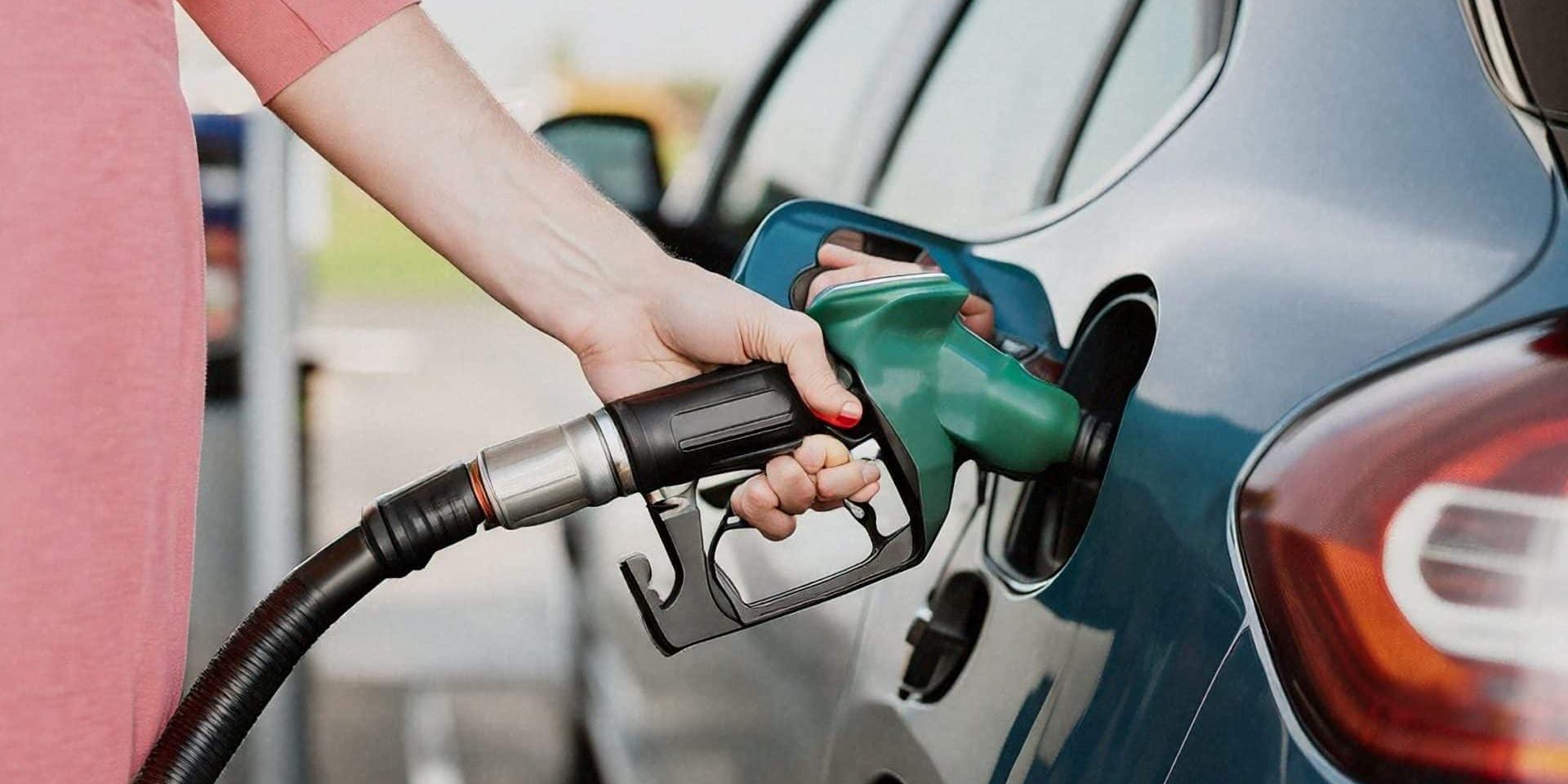
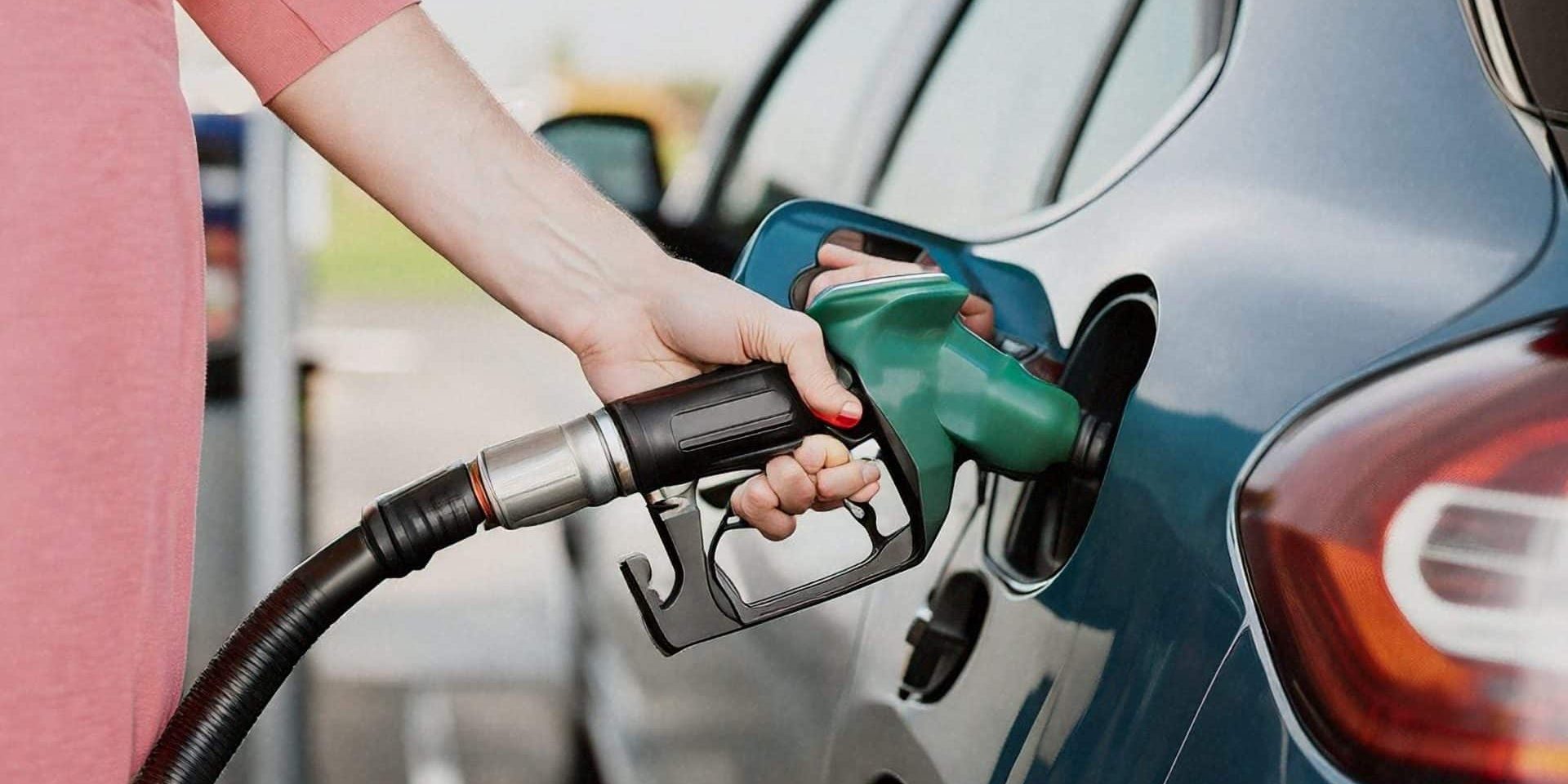
Every time a British driver pulls into a forecourt, a portion of what they pay traces back to a conflict thousands of miles away. Since the outbreak of the Iran war in early 2026, UK drivers have collectively paid nearly £2 billion more at the pump than they would have if crude oil prices had stayed at pre-conflict levels, according to analysis by the RAC Foundation. That figure grows with every fill-up, and as peace talks stall and oil prices remain elevated, there is no clear timeline for when relief might arrive.
The impact has been sharp and immediate. Before the conflict, Brent crude was trading at around $73 a barrel. The outbreak of hostilities sent oil rocketing to a peak of $120 per barrel, and it has since settled at around $110, still more than 50 per cent above pre-war levels. Petrol hit a high of more than 158 pence per litre and diesel topped 191 pence per litre. The RAC currently reports the average price of petrol at 157.13 pence per litre and diesel at 189.01 pence per litre, meaning drivers are still paying prices that would have seemed extraordinary just months ago.
How the Iran War Changed Fuel Prices Overnight
The mechanism by which a Middle East conflict translates into higher prices at a UK forecourt is more direct than many drivers realise. Crude oil is priced globally in US dollars, with the Brent crude benchmark setting the baseline for fuel production costs across the world. When a major oil-producing nation becomes the centre of military conflict, markets react immediately, pricing in disruption to supply, uncertainty about tanker routes through the Strait of Hormuz, and potential sanctions or export restrictions.
The Strait of Hormuz, through which roughly 21 per cent of the world’s oil flows, sits adjacent to the conflict zone. Even without a direct blockade, insurance premiums for tankers transiting the strait have surged, adding costs throughout the supply chain that eventually reach UK forecourts. A driver filling up a 55-litre family car at 157 pence per litre is paying around £86.35 for a full tank. At pre-conflict petrol prices of approximately 138 pence per litre, the same fill-up would have cost £75.90. That is £10.45 more per tank, every time.
For a driver who fills up once a week, that extra cost compounds to more than £543 per year compared to pre-war pump prices. For higher-mileage drivers or those with larger vehicles, the burden is considerably greater. Diesel drivers face an even steeper gap, with prices still elevated well above petrol on a like-for-like basis, hitting fleets, white van drivers and rural households who have no alternative to diesel particularly hard.
What the Numbers Mean for Your Wallet
The RAC Foundation calculated the £2 billion figure by comparing actual pump prices since the conflict began against a modelled baseline of where prices would have been if crude had remained at roughly $73 per barrel. It is a striking illustration of how geopolitical events translate into everyday household costs, and a figure that will continue climbing unless peace talks produce a breakthrough.
Steve Gooding, director of the RAC Foundation, made clear where the largest share of pump prices actually goes: “For all the indignation towards BP, the cost of crude oil is only one determinant of pump prices. By far the biggest driver is the Chancellor. Even today, around half of what is paid at the pumps goes to the Exchequer in tax.”
His point is worth unpacking. A litre of petrol at 157 pence includes fuel duty of 52.95 pence per litre, plus VAT at 20 per cent applied to the full pump price including the duty. Together, taxation accounts for roughly 65 to 68 pence of every litre sold. The pre-tax cost of the fuel itself is therefore only around 89 to 92 pence per litre, and it is this component that the war has driven higher. The 5p temporary fuel duty cut introduced in 2022 is currently scheduled to expire in August 2026, which would push duty back to 57.95 pence per litre unless the Chancellor decides to extend it.
Industry data suggests British drivers collectively spend around £1.6 billion per week on fuel across all vehicle types. Even a 1 pence per litre increase across 35 million registered vehicles translates to tens of millions of pounds per week flowing out of household budgets and into the global commodity market.
BP Profits Doubled While Drivers Paid More
In the same period that British drivers paid an extra £2 billion at the pumps, BP reported quarterly profits of £2.4 billion between January and March 2026, more than double the roughly £1 billion recorded in the equivalent quarter of 2025. The timing drew immediate and widespread criticism from consumer groups and environmental campaigners alike.
Howard Cox, founder of FairFuel UK, described the situation in unsparing terms: “There is no getting around the stark fact that pump prices have reached punitive heights, predominantly due to opportunistic profiteering. Worse still, there are no signs that forecourt petrol prices, particularly diesel, will drop to the levels we experienced prior to the Iran conflict over the next six months.”
Maja Darlington, climate campaigner at Greenpeace UK, framed the issue from a different angle: “BP’s profits are booming, with Trump’s bombs bringing billions for them and bigger bills for us. Britain subsidises this industry to the tune of several billion a year, and yet they will still claim to be overtaxed. Today’s numbers make a convincing case that the opposite is true.”
It is important to draw a distinction between the profits of oil producers like BP, which extract and sell crude oil, and the margins of forecourt operators who sell petrol and diesel directly to drivers. BP’s profit surge reflects higher crude prices at the extraction end of the chain. The CMA has examined whether retailers are exploiting the situation at the pump level, and its conclusions are more nuanced than the headlines suggest.
What the CMA Found and What Drivers Can Do Now
Chancellor Rachel Reeves commissioned the Competition and Markets Authority to investigate whether the fuel industry has engaged in price gouging, and to monitor for so-called “rocket and feather” pricing, where costs spike rapidly when crude rises but fall only slowly when it drops. The CMA’s latest monitoring report cleared retailers of widespread overcharging. Average retail fuel margins across the market were broadly unchanged between February and March 2026, sitting at 10.3 pence per litre and 10.7 pence per litre respectively, close to the 2025 full-year average of 10.7 ppl.
However, the watchdog noted that it had observed “some instances of individual retailer margins having increased” and confirmed it was investigating those specific cases. The CMA also highlighted that significant local price variations mean savings of up to £9 on a full tank of petrol are available simply by shopping around within a local area. With the Fuel Finder scheme now live and mandatory since 1 May 2026, drivers have better tools than ever to find the cheapest station nearby. Forecourts are now legally required to update prices on the system within 30 minutes of any change, and those that fail to comply face CMA fines.
The practical steps available to drivers are straightforward. The Fuel Finder app, available on iOS and Android, shows live prices at every nearby forecourt. Supermarket stations consistently undercut the market average, with some Tesco, Asda and Sainsbury’s sites pricing petrol below 148 pence per litre during recent weeks. Motorway services, by contrast, have been charging up to 162 pence per litre or more. Choosing to fill up before a motorway journey rather than on it can save £8 or more on a standard family car.
Driving style remains one of the most underused tools for reducing fuel spend. Maintaining a steady speed, anticipating junctions to avoid heavy braking, keeping tyre pressures at the manufacturer’s recommended level and removing unnecessary weight from the boot can each contribute to a 5 to 10 per cent improvement in fuel economy. For a driver doing 10,000 miles a year in a typical family hatchback, a 7 per cent efficiency gain at current petrol prices saves roughly £55 to £60 annually, which is not trivial when set against the ongoing extra cost imposed by the conflict.
Looking ahead, the outlook remains uncertain. Peace talks have stalled on multiple occasions since early 2026, and major investment banks including Goldman Sachs and JPMorgan have revised their oil price forecasts upward for the remainder of the year. The August fuel duty change adds a further variable. Drivers planning ahead would be wise to assume that pump prices in the 150 to 165 pence per litre range for petrol remain the new normal for 2026, and to budget accordingly.
Sources:

Leave a Comment
More in News

Are There Warning Signs Before a Cam Belt Breaks? Usually One, and It Is Not the Belt

Fife and Dundee Cars Fail 38.6% of First Attempt MOTs, Nearly Double Sutton’s 20.3%

How to Tell If Rust Will Fail Your MOT (and What a Repair Costs)

Why Your Car Clicks But Won’t Start (and What to Do)
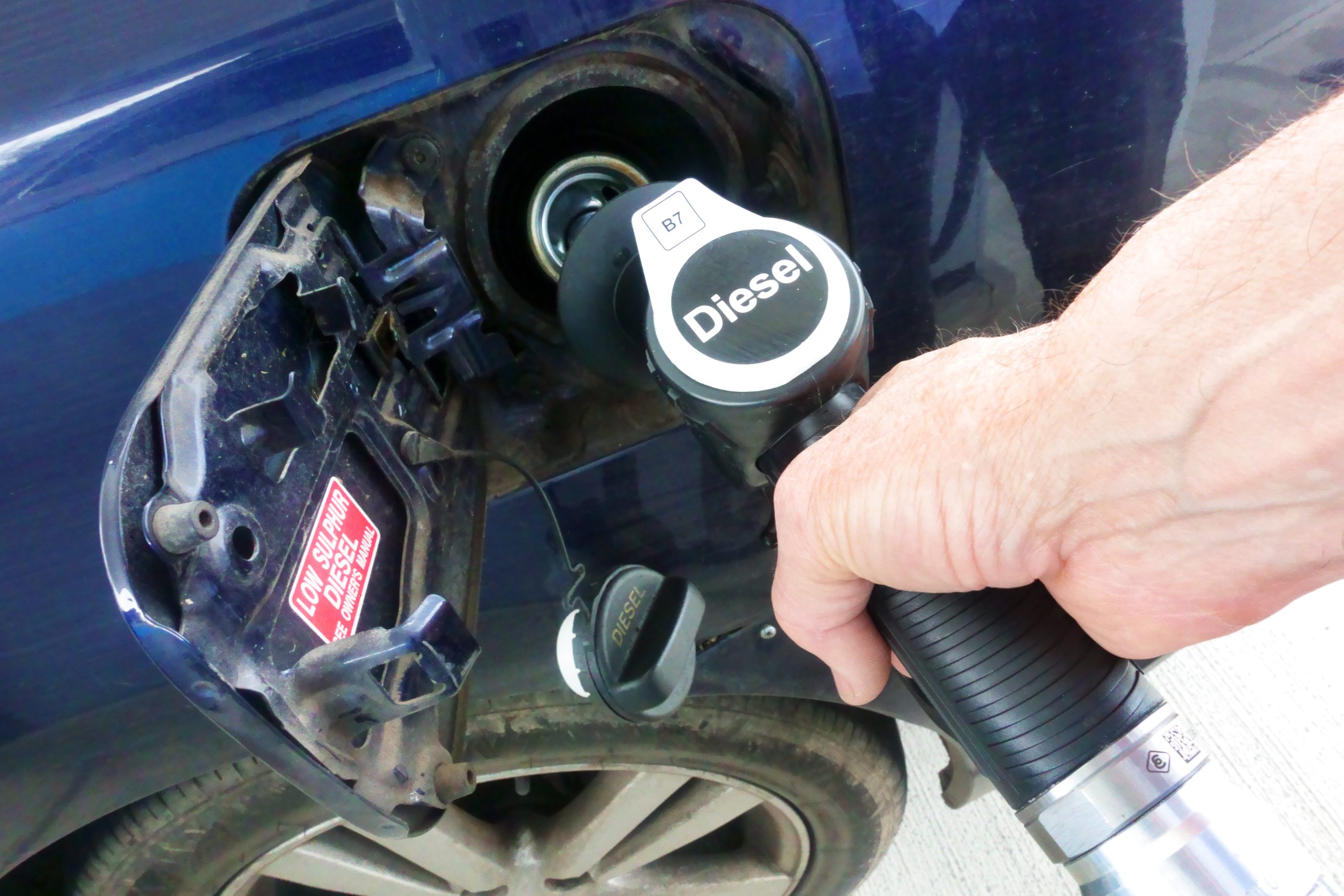
Diesel Drivers Pay £31 More Per Tank Than a Year Ago, DESNZ Data Shows
Trending on Motoring Chronicle

Seven Honda Models Earn 2026 “Editors’ Choice” Awards from Car and Driver

MG3, MG ZS and MG HS Gain Hybrid Upgrades from £17,995
The Bugatti Grand Tour 2026: A journey through the captivating beauty of South Africa
Why Fake QR Code Parking Scams Have Soared 1,300 Per Cent in Three Years
