
Learning to Drive Now Costs £2,600 as Lesson Prices Reach £40 an Hour
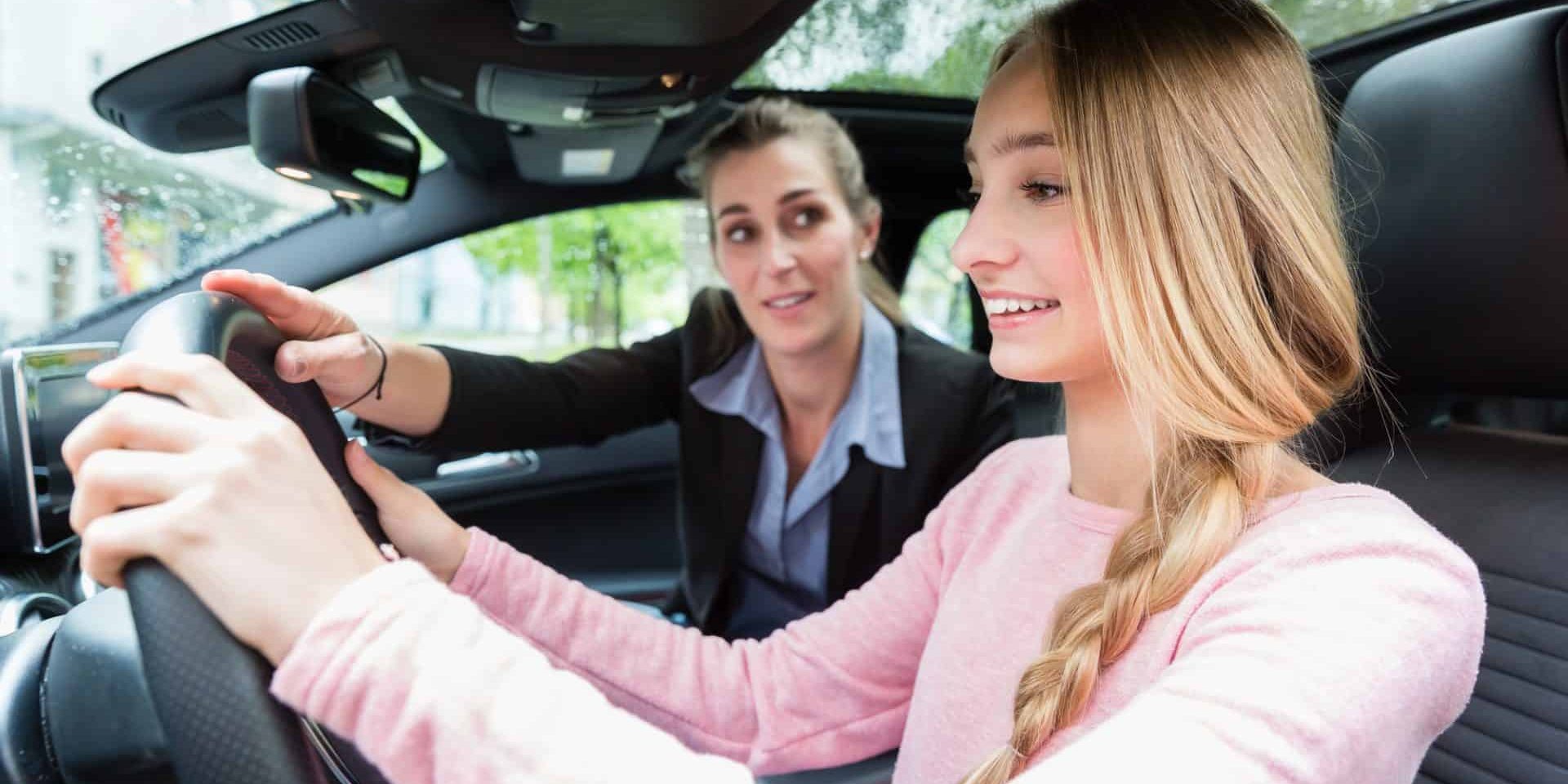
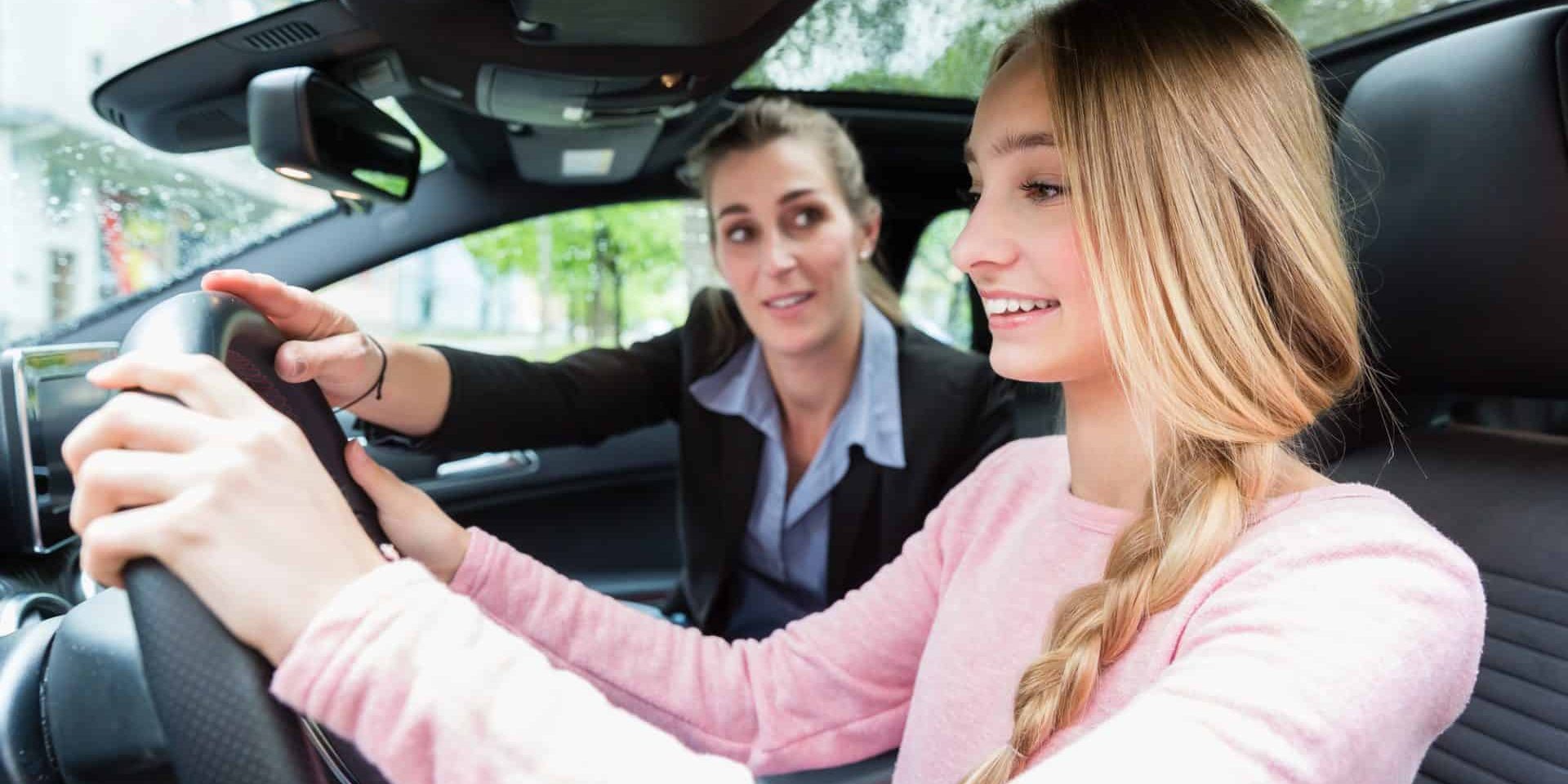
Passing your driving test has never been a cheap milestone, but the figures for 2026 are enough to make any learner, or any parent funding one, wince. Add up lessons, tests, insurance for private practice and fuel, and the total cost of learning to drive in the UK now sits at roughly £2,400 to £2,800. The single biggest reason is the price of professional lessons, which has climbed to between £35 and £40 an hour across much of the country, and higher still in London.
That makes getting on the road one of the larger one off costs a young adult faces, on a par with a holiday or a chunk of a university year. Here is exactly where the money goes, the extra costs that catch families out, and the practical ways to bring the total down without cutting corners on safety.
Where the £2,600 actually goes
The official fees are the smallest part of the bill. A provisional driving licence costs £34 when you apply online through GOV.UK. The theory test, covering multiple choice questions and the hazard perception clips, costs £23. The practical test itself is £62 on a weekday, rising to £75 in the evenings, at weekends or on bank holidays. Together that is well under £150.
The lessons are where the real spending happens. The Driver and Vehicle Standards Agency recommends around 45 hours of professional tuition, alongside about 20 hours of private practice, before a typical learner is ready for the test. At an average of £35 to £40 an hour, those 45 hours alone come to roughly £1,575 to £1,800, and that is before a single retake. In London and other expensive areas, hourly rates run higher, pushing the figure up further.
On top of that sit the costs that are easy to forget. Learner driver insurance, so a teenager can practise legally in a parent’s car, typically runs from £100 to £300 depending on the length of cover. Fuel for that practice adds another £60 to £100, and study materials, apps and a few mock tests can add a little more. Stack it all up and the £2,400 to £2,800 range quickly makes sense.
The hidden cost of failing first time
The budgets above assume everything goes to plan. In reality, the national first time pass rate for the practical test is only around 50 per cent, according to DVSA figures highlighted in its Ready to Pass campaign this year. That means roughly half of all learners will need at least one more attempt, and a retake is rarely just the £62 test fee.
Most learners take a few more lessons before going again to sharpen the areas that let them down, so a second attempt commonly adds £200 to £300 once you combine fresh tuition with the new test fee. Budgeting from the outset for one retake is sensible rather than pessimistic, and it stops a fail turning into a financial shock on top of a disappointing morning.
Then there is the waiting. Test slots remain in short supply, with waits of around 22 weeks common at busy centres, which can stretch the whole process across the best part of a year. A long gap between being ready and actually sitting the test often means extra refresher lessons to stay sharp, adding cost that has nothing to do with ability. New rules are tightening how learners can move a booked test, too, as we explained in our look at the driving test booking rule from 9 June.
Why it costs so much now
Lesson prices have risen for the same reasons most things have. Instructors face higher fuel, insurance and car running costs, and they have to pass those on to stay in business. Demand is also high, with a long backlog of learners chasing tests, which supports prices. And modern cars, often the dual control hatchbacks instructors favour, cost more to buy and maintain than the models of a decade ago.
It is worth remembering that lessons make up roughly 90 per cent of the total cost of learning. That single fact is the key to controlling the overall bill, because every hour you can shave off the professional total, by being well prepared and practising privately, saves £35 to £40. The fees set by the Government barely move the needle by comparison.
What to do to cut the cost
Pass the theory test early. You cannot book the practical until the theory is done, and a confident grasp of the rules makes the practical lessons more productive, so you need fewer of them. The hazard perception element rewards practice, and the official apps are far cheaper than extra lessons.
Mix professional lessons with private practice. Every hour spent rehearsing manoeuvres and building confidence with a parent or friend in an insured car is an hour you are not paying an instructor for. Use the professional lessons to learn new skills and the private practice to drill them until they are second nature.
Do not book the practical test until your instructor agrees you are truly ready. Sitting it too soon, only to fail, wastes the fee and triggers more lessons and another long wait. Consider block booking lessons, as many instructors offer a discount for paying for ten at once, and look at intensive courses only if you learn well under pressure, since they suit some learners and overwhelm others. Finally, weigh up the running costs before you even pass, because insurance for a newly qualified driver is the next big bill. Our guide to why young drivers are paying the lowest car insurance in a decade is a useful place to start planning.
Manual, automatic and intensive courses
One decision can shift the cost in either direction. Automatic lessons are often a little dearer per hour than manual, but many learners pass in fewer hours because there is no clutch or gear changing to master, which can lower the total. The trade off is that an automatic only licence does not let you drive a manual car, so it pays to think about what you are likely to own. With the country moving steadily towards electric cars, which are all automatic, an automatic licence is a far less limiting choice than it once was.
Intensive or semi intensive courses, which pack the required hours into a week or two, appeal to learners who want to pass quickly. They can work well for people who already have some experience or who learn best by immersion, but they are not cheaper overall, and booking a test to coincide with the end of the course can be hard given current waiting times. They also suit some temperaments far better than others, so be honest about whether cramming helps or hinders you.
Whichever route you choose, keep a simple record of what you spend. Lessons, test fees, insurance and fuel add up quietly, and learners who track the total tend to make sharper decisions about when they are ready to book the test. Treating the whole process as a budget, rather than a series of unconnected payments, is the single best way to avoid the bill drifting past £2,800.
Sources:

Leave a Comment
More in News

How to Free a Frozen Handbrake (and What a New Cable Costs)

What Winter Tyres Actually Do for UK Drivers (and Whether You Need Them)
Renewing Car Insurance on the Day Cover Ends Costs Drivers £331 More, MoneySupermarket Shows

Every Driver Faces £500 Seatbelt Fines as AI Cameras Flag 19,145 Possible Offences

How to Remove Moisture From Inside Your Headlight Before It Costs You £500
Trending on Motoring Chronicle

Sheffield’s First Red Route Will Ban Drivers From Stopping Along a Mile of Road
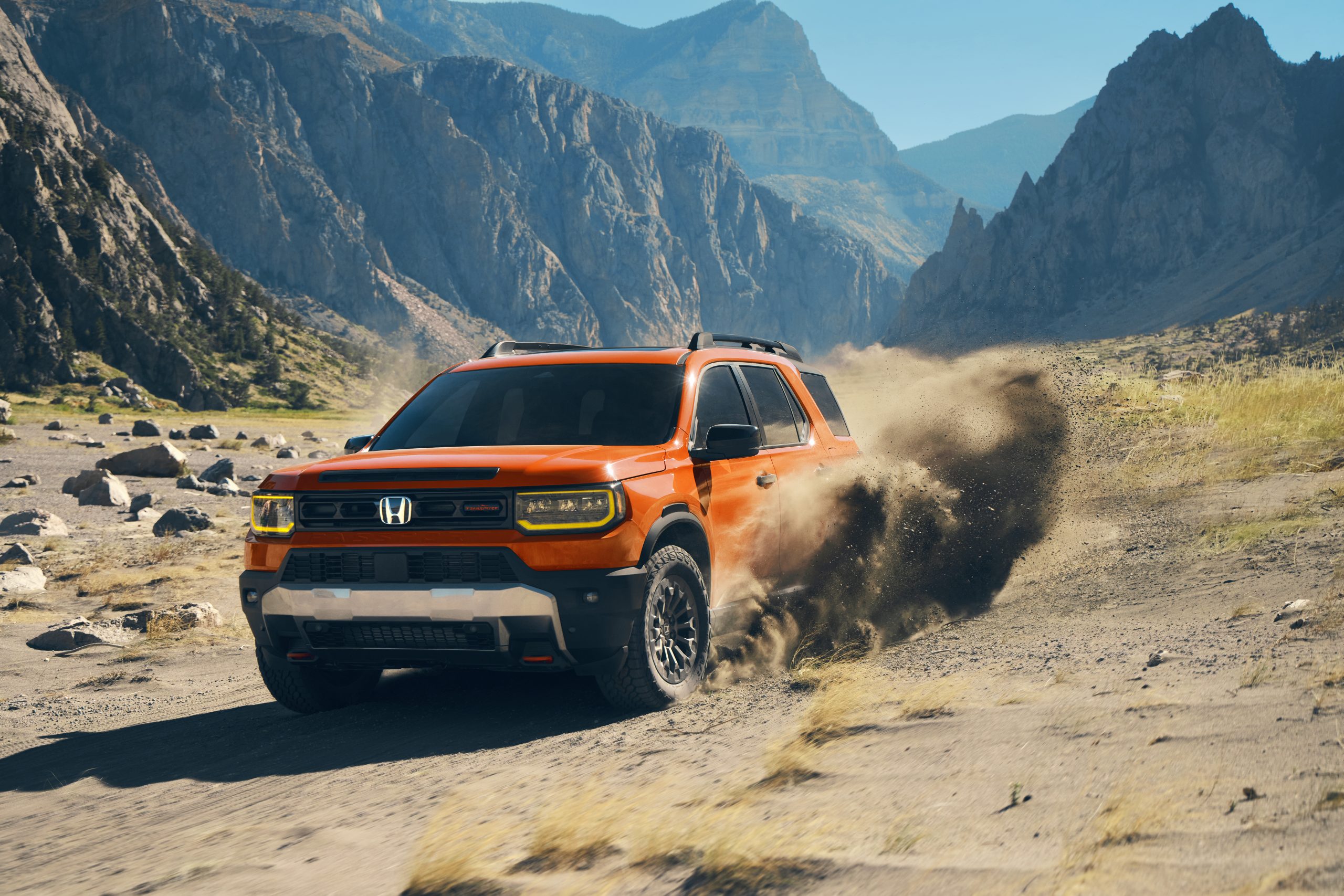
Honda Recalls Nearly 4,000 New Pilots and Passports Over Loose Subframe Bolts
Croydon Made £7.2 Million From LTNs a Judge Ruled Existed Just to Raise Money
Jeep Recalls 419,000 Grand Cherokee SUVs Over Side Airbags That May Not Deploy
