Drivers Face Fines of Up to £110 for Leaving Their Engine Running


Sitting in a parked car with the engine running, perhaps waiting on the school run or keeping the heater going while you check your phone, feels harmless. It is not free, though. Idling while stationary on a public road is an offence, and a growing number of councils are enforcing it with penalties that can reach £110. For most drivers the simple fix costs nothing at all. You just turn the key.
As more towns roll out anti idling patrols around schools, high streets and hospitals, it is worth knowing exactly what the rules say, how much you can be charged, and where enforcement is toughest. Here is the full picture for drivers in 2026.
How much you can be fined
The baseline penalty comes from the Road Traffic (Vehicle Emissions) (Fixed Penalty) (England) Regulations 2002. Under those rules, an authorised officer can issue a fixed penalty of £20 for leaving an engine running unnecessarily while stationary, and that figure doubles to £40 if it is not paid within the set period. It is not an automatic on the spot charge, though. The officer must first ask you to switch the engine off, and the penalty only applies if you refuse to do so.
Many councils have gone further using their own traffic powers, issuing penalty charge notices that are far higher than the national £20 figure. Hackney in London raised its idling penalty to £80, up from £20. Hammersmith and Fulham can issue a penalty charge notice of £110, reduced to £55 if paid within 14 days. The City of London issues a £40 charge that climbs to £80 if it goes unpaid. The amount you face therefore depends heavily on where you happen to be parked.
The Highway Code reinforces the rule for every driver. Rule 123 states that you must not leave a vehicle’s engine running unnecessarily while it is stationary on a public road, and advises switching off if you are likely to be parked for more than a couple of minutes. It is guidance backed by law, not a polite suggestion.
Where enforcement is toughest
Idling enforcement is concentrated where pollution does the most harm and where vulnerable people gather. Councils target the areas around schools, health centres and busy high streets, the places where exhaust fumes build up at child height and where people with asthma or heart conditions are most exposed. London boroughs have led the way, but authorities including Nottingham, Norwich and Reading have all adopted on the spot penalties, with more planning to follow.
The school gate is the front line. Parents arriving early and keeping the engine running to stay warm or cool are a frequent target for enforcement officers handing out warnings and leaflets before penalties. The spread of school street schemes, where roads outside schools are closed to most traffic at drop off and pick up times, has put a further spotlight on engines left running nearby. We covered one such rollout in our report on how Oxford’s new traffic filters work and the £70 fine drivers must avoid.
There are sensible exemptions. You are not expected to switch off when you are stationary in moving traffic, such as at lights or in a queue, because the engine needs to be ready to move. Reasonable use to defrost a windscreen in winter, or while a garage runs diagnostic checks, is also accepted. The offence targets needless idling, not normal driving.
Does idling actually harm anything?
The case against idling rests on air quality. A stationary engine pumps out the same pollutants as a moving one but delivers no benefit, and when it happens repeatedly outside a school or in a town centre, those emissions concentrate in exactly the spots where people are walking and breathing. Motor vehicle pollution is linked to asthma, poorer lung development in children, heart disease and other conditions, which is why councils treat localised idling as a public health issue rather than a minor nuisance.
There is a myth that switching off and restarting uses more fuel, or wears out the engine, than simply leaving it running. For modern cars that is not true. Stop start technology, now fitted to millions of vehicles, exists precisely because cutting the engine during short stops saves fuel and cuts emissions with no harm to the engine. If your car switches itself off at the lights, the manufacturer has already decided that idling is the wasteful option.
What to do to stay on the right side of the rules
The habit to build is simple. If you are going to be stationary for more than a few seconds and you are not in traffic, switch the engine off. That covers waiting outside the school, sitting in a car park, idling on the driveway before setting off, and pausing to take a call. There is no need to keep the engine on to warm it up first, as modern engines are designed to be driven gently from cold rather than left to idle.
In winter, clear ice with a scraper and de icer rather than running the engine to melt it, which is both an idling offence if done on the road and a theft risk if you leave the car unattended. If an enforcement officer asks you to switch off, do so straight away, because compliance is what keeps the £20 national penalty, or a council charge of up to £110, from being issued at all. And if you drive an older car without stop start, you are simply doing manually what newer cars do automatically, with the same saving on fuel.
Anti idling rules are part of a wider tightening of how towns manage traffic and emissions, from clean air charges to camera enforced restrictions. Staying alert to the signs in your area, and getting into the habit of switching off, costs nothing and keeps you clear of an avoidable fine.
The grey areas that catch drivers out
A few situations cause genuine confusion. Sitting in a fast food drive through queue with the engine running is, in practice, the same as idling anywhere else, and on private land the operator sets the rules rather than the council, but the air quality argument is identical. Keeping the engine on to run the air conditioning on a hot day, or the heater on a cold one, while you wait is exactly the behaviour the rules target, and it is no defence to say you were keeping comfortable.
Summer brings its own trap. Drivers sometimes leave the engine and air conditioning running to keep a dog or child cool while they pop into a shop. Beyond the idling issue, leaving a car running and unattended is an offence in its own right and invalidates most insurance policies if the car is then stolen, so it is never worth it. Park in the shade, take the dog with you, and switch off.
Electric car drivers are not part of the idling debate, since there is no engine to leave running and no tailpipe emissions at a standstill, which is one more quiet advantage of going electric for anyone who spends a lot of time waiting in the car. For everyone else, the rule of thumb used by stop start systems is a good guide. If you will be stationary for more than around ten seconds and you are not in traffic, the most efficient and lawful thing to do is simply switch off.
Sources:

Leave a Comment
More in News

How to Remove Moisture From Inside Your Headlight Before It Costs You £500
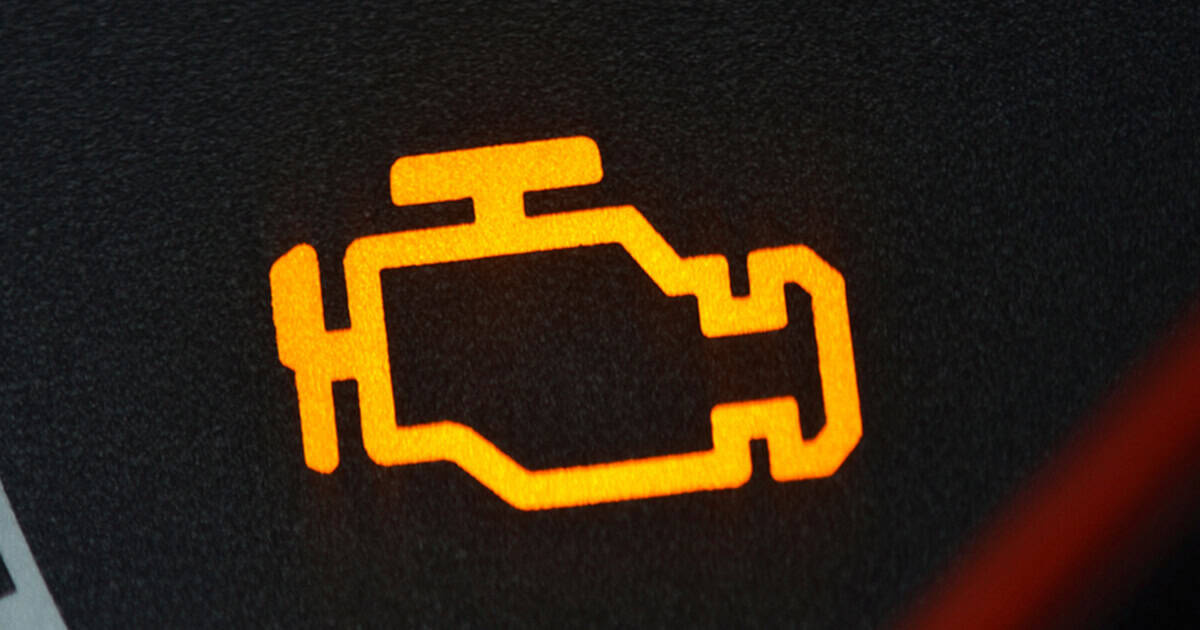
What Red and Amber Warning Lights Actually Mean (and Which Fail an MOT)

How to De-Ice Your Windscreen Fast Without Cracking It (and Staying Legal)

New Cars Face Euro 7 Rules From 29 November With a £264 Price Rise
What the Traffic Penalty Tribunal’s 33 Percent Success Rate Means for Every Driver
Trending on Motoring Chronicle

Genesis G70 Track Day Special Concept Makes Global Debut, Begins Cross Canada Tour [Photo Gallery]

Catalytic Converter Thefts Are Rising Again and Could Cost Every Van Owner over £1,000

How to Avoid a Surprise £300 Bill When Your Car Finance Deal Ends
The Audi Q9 Wants To Make A Big Entrance. Automatic Doors, Seven Seats And A 1.5 Square Metre Glass Roof Say It Might