
How Oxford’s New Traffic Filters Work and the £70 Fine Drivers Must Avoid

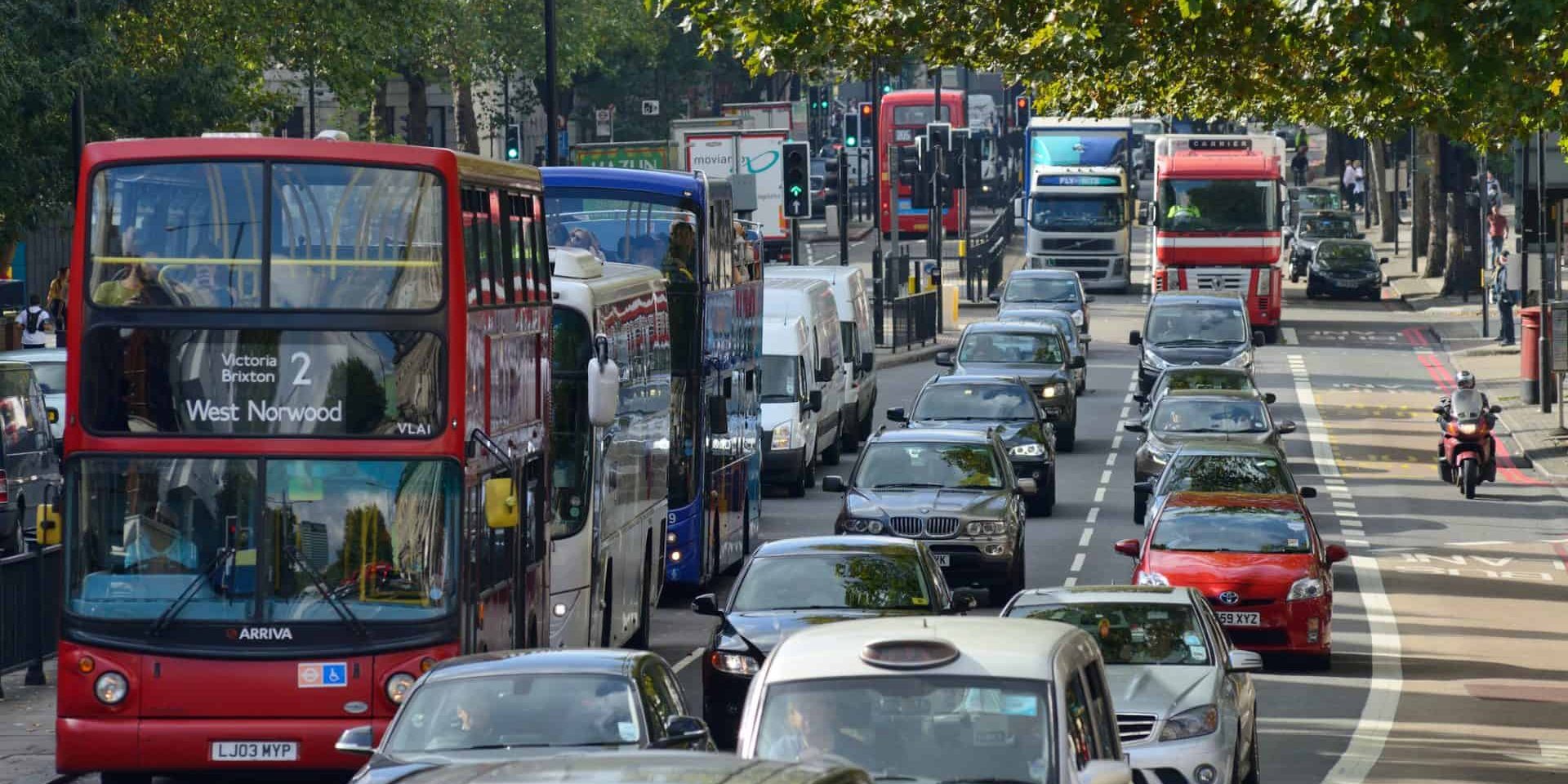
One of the most closely watched road schemes in the country is due to switch on in Oxford later this year, and it will change how thousands of drivers move around the city. From the day it starts, six camera enforced traffic filters will stop cars passing certain points on key roads during set hours, and any car that drives through without the right permit will be hit with a £70 charge. The scheme is a trial, but it is a big one, and because the rules are full of exemptions and permits it is easy to get caught out. Here is how the filters work and, more to the point, how to avoid that fine.
The starting gun is tied to roadworks. Oxfordshire County Council has said the trial will begin when Botley Road reopens, which under Network Rail’s revised programme is expected to be August 2026. The filters will run under an experimental traffic regulation order, a legal mechanism that lets a council test a scheme for up to 18 months while gathering data and public feedback before deciding whether to keep it.
What a traffic filter actually is
A traffic filter is not a road closure and not a toll booth. It is a point on a road, monitored by automatic number plate recognition cameras, where cars are not allowed through during the hours of operation unless they hold a permit. Crucially, the filters only restrict cars. Every other type of vehicle, including vans, lorries, buses, coaches, taxis, private hire vehicles, motorbikes, mopeds and emergency vehicles, can pass through at any time without a permit. The aim is to cut car traffic on the city’s main bus and cycle routes rather than to seal roads off completely.
The six filters sit on Hythe Bridge Street, Thames Street, St Cross Road, St Clements, Hollow Way and Marston Ferry Road. The hours differ by location. The first four operate from 7am to 7pm every day. The Hollow Way and Marston Ferry Road filters only operate at peak times, 7am to 9am and 3pm to 6pm, Monday to Saturday. Outside those hours, any vehicle can drive through any of the filters freely. The council stresses that every part of the city will still be reachable by car at all times. If your route would take you through an operating filter without a permit, you simply have to go a different way, often using the ring road, which may add time to the journey.
The £70 fine and who pays it
If a car without a valid permit passes through a filter while it is operating, the ANPR camera records the number plate and the registered keeper is sent a penalty charge of £70, reduced to £35 if it is paid within 21 days. There is one detail that surprises many people. The exemption is based on the type of vehicle, not how clean it is, so electric cars are not let off. An electric car still counts as a car and still needs a permit to pass through a filter, the same as any petrol or diesel model.
This is a separate scheme from the temporary congestion charge that has been operating in parts of Oxford, and the two should not be confused. The traffic filters are the longer term measure set out in the county’s transport plan, and the penalty, permit rules and locations described here apply specifically to them.
How to check whether you need a permit
The good news for many drivers is that permits are free, and several groups can get them. Residents who live within the designated Oxford permit area can apply for a permit that lets them drive their car through all the filter points on up to 100 days a year, which works out at roughly two days a week. Residents living in the wider Oxfordshire permit area can get a permit covering up to 25 days a year, around twice a month. A day pass runs for one calendar day, from midnight to midnight, and unused days do not roll over into the next year.
Free permits are also available for Blue Badge holders, health and care workers and unpaid carers, recognising that these groups often have the least flexibility to change how they travel. Car club vehicles are eligible for a permit too. There are limits, though. You cannot get a permit for a short term hire car, and if a car you want to add to a permit is leased or on finance and you are not named on the V5C registration document, you will need to provide a copy of the lease or finance agreement.
To apply, you will use an online permit system that the council says will go live ahead of the trial start, with telephone help available for anyone who cannot apply online. You will need to prove your eligibility, for example with proof of address, your Blue Badge or evidence that you work in health or care. If you are not sure whether your vehicle even counts as a car, the council points drivers to the DVLA vehicle checker. A vehicle listed with a type approval of M1 is a car and needs a permit. Anything else does not.
How to avoid being caught out
The simplest protection is to work out before August whether any journey you make regularly passes one of the six filter points during its hours of operation. If it does, and you are eligible, apply for a permit as soon as the system opens so you are covered from day one. If you are not eligible, plan an alternative route now so you are not improvising on the first morning the cameras are live. Remember the filters only bite during the stated hours, so a journey shifted slightly earlier or later, or made outside the peak window on Hollow Way and Marston Ferry Road, may avoid them entirely.
Watch for the signs as well. The council is required to put up clear advance signing at and before each filter showing when it operates and which vehicles may pass, so if you find yourself approaching a filter you did not expect, the warning should give you time to turn off. Oxford is far from alone in using cameras to manage traffic this way. Drivers in London are already dealing with a wave of camera enforced restrictions, from the higher congestion charge that now applies to electric cars for the first time to the school street closures carrying £160 fines, and the lesson from those schemes is the same. The penalties are easy to trigger and easy to avoid once you know exactly where the cameras are and what the rules say. Treat the Oxford filters the same way, do your homework before the trial begins, and the £70 charge should never reach your doormat.
Why Oxford is doing this
The council’s argument is that Oxford’s narrow medieval street pattern cannot absorb the traffic a growing city generates, and that giving road space back to buses, cycling and walking is the only way to keep people moving. Its modelling forecasts that the filters will cut total traffic inside the ring road by around 20 per cent, and by roughly 35 per cent in the city centre during the morning and evening peaks. Bus journey times across the wider Oxford area are predicted to improve by about 6.5 per cent, with the council pointing to 159 new electric buses ordered by local operators as part of the same push.
The scheme is forecast to cost around £6.56 million, funded largely by a £12.7 million Department for Transport grant aimed at improving bus services, and the council says any money raised from penalties during the trial will be ring fenced to cover the cost of running it rather than treated as income. Critics counter that the filters will simply push traffic and pollution onto the ring road and the approaches to it, and that residents on the boundary of the permit areas could face longer journeys for everyday trips. Those competing claims are exactly what the 18 month experimental order is designed to test. A six month public consultation will run alongside the trial, and the council has been clear that it can change the timings, the permit rules or the scheme itself, or scrap it altogether, depending on what the monitoring shows.
Sources:

Leave a Comment
More in News

How to Remove Moisture From Inside Your Headlight Before It Costs You £500

What Red and Amber Warning Lights Actually Mean (and Which Fail an MOT)

How to De-Ice Your Windscreen Fast Without Cracking It (and Staying Legal)

New Cars Face Euro 7 Rules From 29 November With a £264 Price Rise
What the Traffic Penalty Tribunal’s 33 Percent Success Rate Means for Every Driver
Trending on Motoring Chronicle

Men pay more than double in speeding fines, new research reveals

Nissan Recalls 3,788 New Leaf EVs After a Child Seat Belt Test Failure

Volkswagen Recalls 57,851 Atlas SUVs Over Backup Cameras That Go Dark in Reverse
Every New Car Buyer Could Get Bigger Discounts as Britain Misses Its EV Target