London Congestion Charge Rises to £18 and Electric Cars Now Pay for the First Time
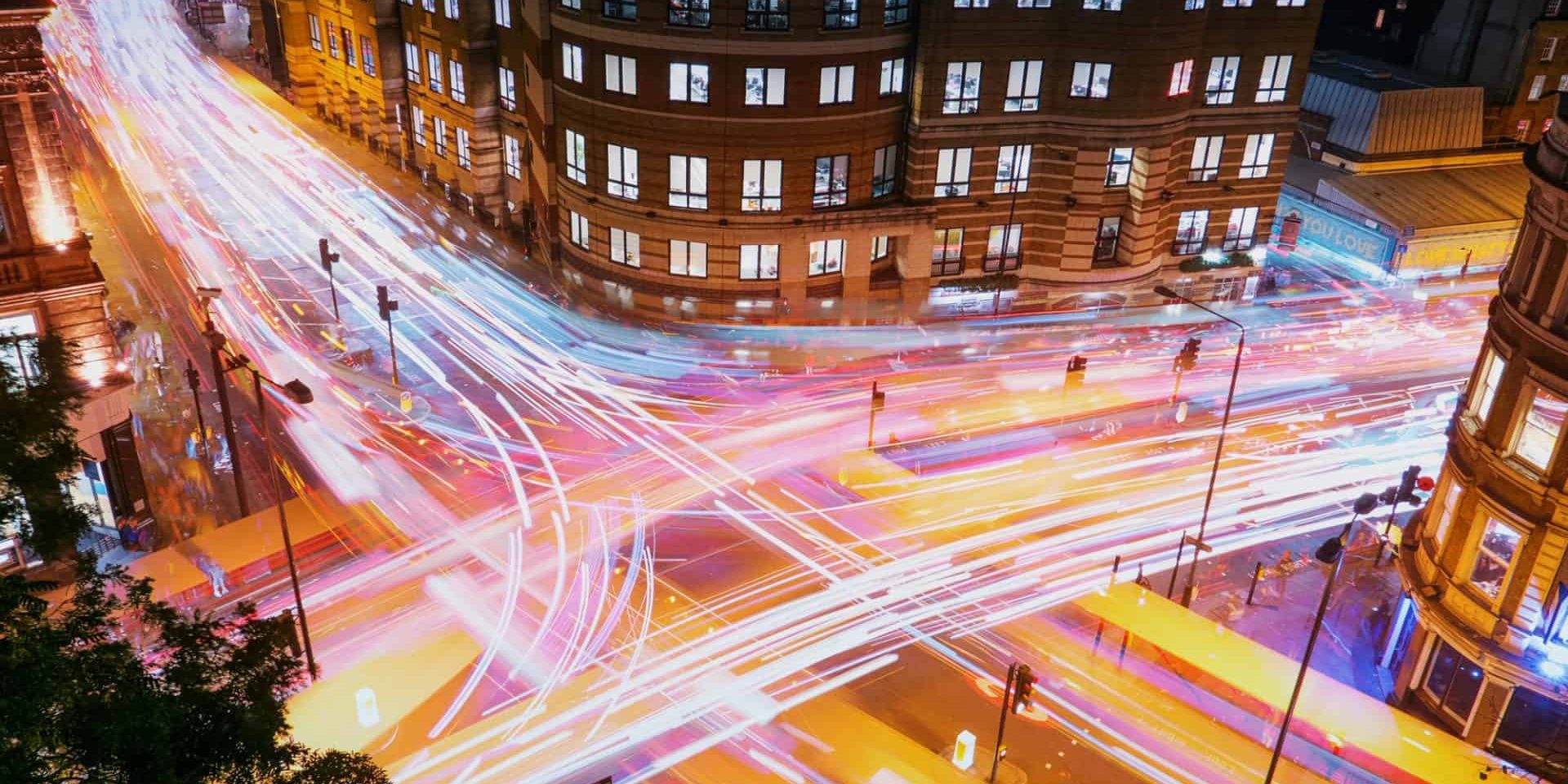
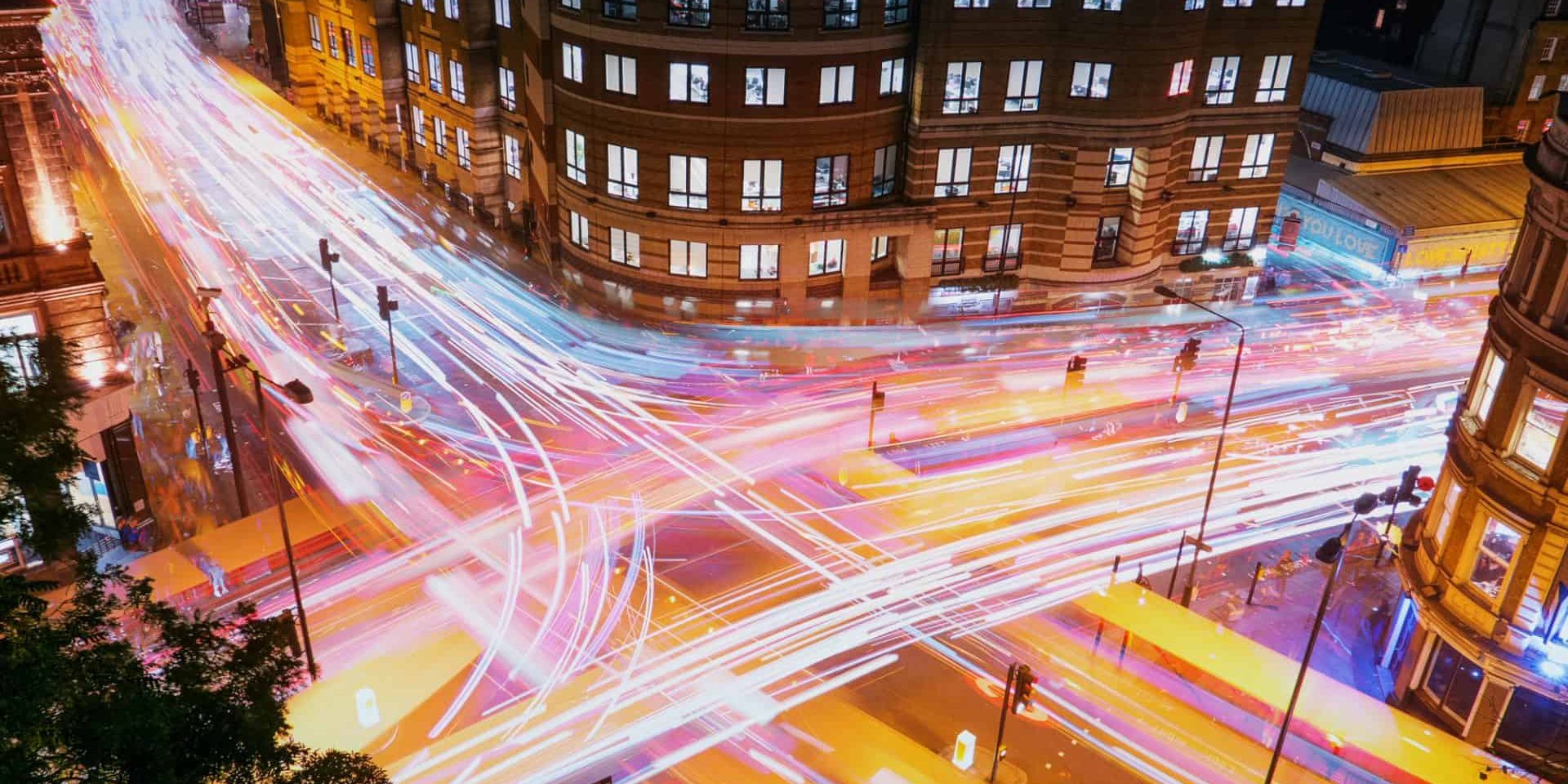
If you drive into central London on a weekday, the daily Congestion Charge is now £18, up from £15, and for the first time electric car drivers are paying it too. The rise took effect on 2 January 2026 and is the first increase since June 2020. For anyone who only crosses the zone occasionally the change is easy to miss until a £180 penalty lands on the mat, so here is exactly what has changed, who still gets a discount, and how to avoid being fined.
What has changed and when
The headline figure is the jump from £15 to £18 a day, a 20 per cent increase. The charge applies in the central zone between 7am and 6pm on weekdays and between noon and 6pm at weekends and on bank holidays. It does not apply on Christmas Day or between Christmas and New Year. The last time the charge moved was June 2020, when it rose from £11.50 to £15, so this is the first change in more than five years.
Transport for London says the increase is designed to keep traffic under control. Christina Calderato, TfL’s Director of Strategy, said: “If we want to ensure that London remains a thriving city for everyone to enjoy, then it’s vital that traffic and congestion is kept under control and managed effectively.” The Mayor of London, Sadiq Khan, said that without the change “around 2,200 more vehicles” would be using the zone on an average weekday, adding that keeping London moving “is vital for our city and for our economy”.
The charge sits alongside, but is separate from, the Ultra Low Emission Zone. ULEZ charges, which apply to vehicles that do not meet emissions standards across almost all of Greater London, were not affected by this announcement. It is possible to be liable for both on the same journey, which is a trap for drivers who assume one payment covers everything.
Electric car drivers now pay for the first time
The biggest shift in policy is for electric vehicles. Until this year, fully electric cars were exempt from the Congestion Charge under the Cleaner Vehicle Discount. That 100 per cent exemption has ended. From 2 January 2026, electric car drivers must pay, although those who register for the Auto Pay system receive a 25 per cent discount, bringing the daily cost down to about £13.50. Electric vans, heavy goods vehicles and quadricycles registered for Auto Pay receive a larger 50 per cent discount.
These discounts are not permanent. TfL has confirmed that from 4 March 2030 the discount for electric cars will fall again to 12.5 per cent, while the rate for electric vans, HGVs and quadricycles will drop to 25 per cent. In other words, the financial advantage of driving an EV into central London is being tapered down in stages rather than removed overnight, but the direction of travel is clear: the days of free entry for electric cars are over.
Khan framed this as a balance, saying he was “pleased that substantial incentives will remain in place for Londoners who switch to cleaner vehicles”. For an EV owner who drives into the zone five days a week, however, the change is real money. At the discounted £13.50 rate, a full working week now costs about £67.50 where last year it cost nothing, which works out at roughly £3,000 across a year of regular commuting.
The penalty for not paying, and how to avoid it
If you drive in the zone during charging hours and do not pay, the penalty is £180. That is reduced to £90 if you pay within 14 days, but it rises if you ignore it. You must pay the daily charge by midnight on the third day after you travelled, or in advance, to avoid the fine. There is no payment booth and no barrier; enforcement is entirely automatic through number plate recognition cameras, so an honest mistake is treated exactly the same as deliberate evasion.
The simplest protection is Auto Pay, which automatically bills you for the days you drive in the zone and removes the risk of forgetting. It also unlocks the EV discount, so for electric car drivers it is close to essential. If you only enter the zone rarely, set a reminder to pay the same day, and be certain about the charging hours, since the weekend rules differ from the weekday ones.
It is also worth checking whether you needed to pay at all. The zone has a defined boundary, and roads on the edge can be confusing. TfL’s website lets you check a specific journey, and the residents’ discount scheme still gives a 90 per cent reduction to people who live inside the zone.
One quirk catches out drivers who think they have already paid for the day. The Congestion Charge is a daily charge, so a single payment covers you for unlimited trips in and out of the zone on that calendar day. But it does not roll over. If you drive in just before midnight and again just after, that counts as two charging days and two payments. Drivers making late-night returns should be especially careful around the midnight boundary.
The bigger picture for drivers
The Congestion Charge increase is part of a wider pattern of rising costs for driving in and around cities. Councils across the country are expanding camera enforcement, from emissions zones to moving traffic offences, and the bills are climbing in step. Our guide to challenging a yellow box junction fine shows how quickly these automated penalties add up, and how to push back when one is wrong.
For EV owners the squeeze is sharper, because several of the savings that made electric motoring cheaper are being unwound at once. The end of the Congestion Charge exemption lands at the same time as rising public charging prices, so the running-cost gap between electric and petrol is narrower than it was a year ago. None of this removes the case for an EV, but it does mean the sums are worth redoing rather than assuming the old numbers still hold.
It also reflects a problem TfL has openly acknowledged. As more drivers switched to electric cars, the number of vehicles exempt from the charge grew, which weakened its power to hold down traffic. Reintroducing a charge for EVs, even at a discount, restores some of that effect. The phased reduction in the EV discount, from 25 per cent now to 12.5 per cent in 2030, suggests the long-term intention is for electric cars to pay closer to the full rate as they become the majority on the road, rather than to keep them permanently cheaper.
For comparison, the Congestion Charge is only one of several London charges a driver can face. The separate ULEZ charge of £12.50 a day applies to non-compliant vehicles across almost all of Greater London, and certain river crossings now carry tolls of their own. A driver in an older, non-compliant car entering the central zone on a weekday could in principle be liable for both the Congestion Charge and ULEZ, a combined daily cost that makes checking your vehicle’s status well worth the few minutes it takes.
What to do
If you regularly drive into central London, register for Auto Pay now, both to avoid penalties and, for EV drivers, to claim the 25 per cent discount. Diarise the £18 cost into your weekly budget if you commute, and check the exact zone boundary and charging hours on the TfL website before assuming a trip is free. If a penalty arrives that you believe is wrong, you have the right to challenge it, and you should do so within the 14-day window while the reduced rate still applies.
Sources:
- https://www.rac.co.uk/drive/news/motoring-news/increase-to-london-congestion-charge/
- https://tfl.gov.uk/modes/driving/congestion-charge
- https://www.rac.co.uk/drive/advice/emissions/congestion-charge/

Leave a Comment
More in News

EV Owners Face £6,830 Bills in a Battery Gap Warranty and Insurance Both Reject
Why Driving Test Waits Rose Even as DVSA Ran a Record Number of Tests
Nearly a Third of Car Finance Trade-Ins Are Now Underwater, Data Shows

How to Have Your Say Before Self-Driving Car Safety Rules Are Set This Week
300,000 Uninsured Cars Are Driven in Britain Every Day and Honest Drivers Pick Up the Bill
Trending on Motoring Chronicle

Half of Young Drivers Targeted by Fake Insurance Scams on Social Media, FCA Warns
Why Derbyshire Has More Mobile Speed Camera Sites Than Any Other County in Britain

Mercedes-AMG GLE 63 S and GLS 63 Return for 2027 with 603 HP V8

2027 Subaru Crosstrek Pricing Holds at $26,995 With No Increase From Last Year