Toyota Recalls Grand Highlander and Lexus TX Over a Cracking Rear Axle

Toyota is recalling roughly 5,400 of its newest three-row SUVs after finding that a rear suspension part can crack and break while the vehicle is being driven. The recall covers select model year 2026 Toyota Grand Highlander and Lexus TX models built in North America, two vehicles Toyota launched within the past two years to compete in the crowded midsize three-row SUV segment. Owners won’t get formal notification letters until early September, but the fix is already free and available at dealers now for anyone who wants to check their vehicle early.
What’s Actually Wrong With These SUVs
Toyota filed the recall, numbered 26V437000 with the National Highway Traffic Safety Administration, on July 8. According to the company’s filing, the rear axle carriers on the affected vehicles were not manufactured to specification. The carrier is the housing that holds the rear differential and connects to the axle shafts, a structural part that keeps the rear wheels aligned and transfers power to them.
Toyota says the carrier can break at a specific attachment point. When that happens, it can affect the vehicle’s rear stability, raising the risk of a crash in certain driving conditions, according to the company’s recall filing. Toyota has not disclosed how many, if any, crashes or injuries have been linked to the defect so far.
The affected population is small by recall standards, roughly 5,400 vehicles compared with recalls this year that have run into the hundreds of thousands, but the safety concern is a structural one rather than a cosmetic or electronic glitch, which is why Toyota moved quickly to notify NHTSA and begin outreach to dealers.
How the Fix Works
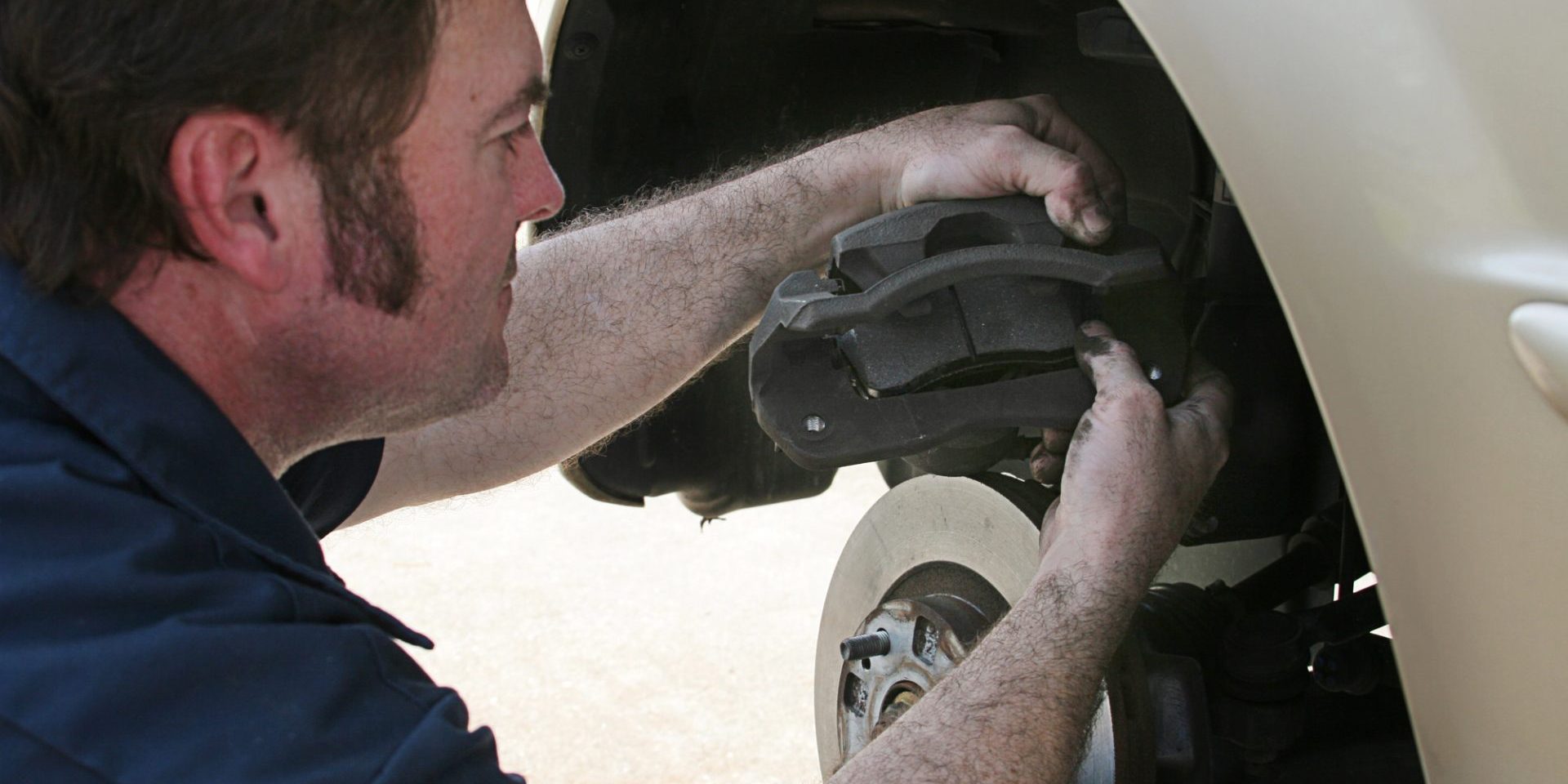
Toyota and Lexus dealers will inspect the rear axle carrier sub-assembly on every affected vehicle, checking for specific manufacturing codes tied to the defect. If a vehicle’s carrier matches those codes, the dealer will replace the sub-assembly at no cost to the owner. Toyota has not published an estimated repair time, but axle carrier work typically requires lifting the vehicle and accessing the rear differential housing, a job that most dealers can complete in a single service visit once parts are on hand.
Why Owners Shouldn’t Wait for the Mail
Toyota says it will notify known owners of affected vehicles by early September, which leaves a gap of nearly two months between the recall filing and the point most owners will hear about it directly. The underlying defect involves a structural component tied to rear stability, so owners of the affected models don’t need to wait for a letter to find out if their vehicle is included.
The fastest way to check is to enter a vehicle identification number at Toyota.com/recall or nhtsa.gov/recalls. Both tools pull directly from NHTSA’s recall database and will confirm within seconds whether a specific VIN is affected. Owners can also call the Toyota Brand Engagement Center at 1-800-331-4331 with questions about scheduling an inspection ahead of the formal notification.
Anyone who bought a Grand Highlander or Lexus TX secondhand should check the VIN regardless of what the previous owner did or didn’t say. Recall status follows the vehicle rather than the original buyer, and dealers won’t necessarily flag an open recall unless asked directly at a service visit.
Why a Rear Axle Carrier Failure Is a Serious Problem
The rear axle carrier is one of the least visible parts of a vehicle’s underbody, but it does structural work that has nothing to do with routine maintenance items like brakes or tires. It houses the rear differential, the component that splits engine power between the two rear wheels, and it bolts directly to the vehicle’s chassis or subframe to keep that differential aligned under load. If the carrier cracks at its mounting point while a vehicle is in motion, the differential can shift position, changing how power reaches the wheels and how the rear of the vehicle tracks through a turn or over uneven pavement.
That’s different from a defect that causes a warning light or a rough ride. A carrier failure can happen without much warning to the driver, which is why Toyota classified the issue as a safety recall rather than a routine service campaign, and why the company is inspecting every affected vehicle for the manufacturing codes tied to the problem rather than waiting for owners to report symptoms.
Outside of a recall, a rear axle carrier replacement is not a cheap repair. Parts and labor for a differential carrier assembly on a modern three-row SUV commonly run well into four figures at an independent shop, which is why Toyota’s decision to cover the fix at no charge, regardless of warranty status, saves each of the roughly 5,400 owners involved a meaningful repair bill.
Part of a Heavier Than Usual Recall Month
The Grand Highlander and Lexus TX recall lands in the middle of one of the busier recall stretches of 2026. NHTSA logged 25 separate recalls in the first two weeks of July alone, covering an estimated 1.41 million vehicles and pieces of aftermarket equipment across passenger cars, heavy trucks, RVs and motorcycles. Subaru, Kia and Honda have accounted for the largest single actions this month, with Subaru’s mislabeled capacity rating recall alone covering more than 540,000 Ascent, Forester and Crosstrek models.
Toyota’s own recall history this year includes a separate action in June covering the bZ electric crossover and Lexus RZ, along with an earlier recall touching Land Cruiser, Mirai, Lexus UX and GX models. The Grand Highlander and Lexus TX defect is unrelated to either of those prior actions, according to Toyota’s filing, and involves a different supplier component specific to the rear axle assembly used on these two newer models.
What to Do if Your Vehicle Is Affected
Owners who confirm their VIN is included should contact a Toyota or Lexus dealer to schedule the inspection and, if needed, the sub-assembly replacement. The repair is free under the recall, so there’s no cost to the owner regardless of whether the vehicle is still under its original warranty. Dealers could ask owners to describe any unusual noises, vibrations or handling changes from the rear of the vehicle, though Toyota’s filing doesn’t indicate that drivers need to notice symptoms before the defect becomes dangerous.
Owners who haven’t yet had their VIN confirmed as affected but drive a 2026 Grand Highlander or Lexus TX should still check now rather than wait for the September mailing, given the roughly five-week gap that remains before notifications go out and the nature of the defect involved.
How This Recall Differs From a Do-Not-Drive Order
Toyota’s filing does not tell owners to stop driving their vehicles immediately, which puts this recall in a different category from the small number of “do not drive” actions issued this year. General Motors, for example, told owners of certain 2026 Escalade, Silverado and Tahoe models with an affected transfer case to stop driving entirely last month after finding a defect that could cause sudden wheel lockup. Toyota’s recall notice contains no equivalent warning, meaning the company considers the defect serious enough for a free repair and quick owner outreach, but not severe enough to warrant an immediate driving suspension for every affected vehicle.
That distinction shapes how owners should prioritize their next steps. A do-not-drive order means arranging a tow or dealer pickup before the vehicle moves again. A standard safety recall like this one means scheduling a dealer visit at the next reasonable opportunity, which for most owners means checking their VIN this week and booking an appointment rather than treating the situation as an emergency.
Sources:
- Toyota USA Newsroom, “Toyota Recalls Certain Model Year 2026 Toyota Grand Highlander and Lexus TX vehicles,” July 8, 2026
- Yahoo Autos, “July 2026 NHTSA Recall Roundup: 25 Recalls So Far This Month”
- NHTSA Recalls Database, Campaign 26V437000

Leave a Comment
More in News

What an AdBlue Warning Light Really Means Before Your Diesel Refuses to Restart

How Bus Lane Cameras Earned Councils £37.7 Million by Fining UK Drivers This Year
Every New Car Buyer Could Get Bigger Discounts as Britain Misses Its EV Target

Drivers Using Rapid EV Chargers Pay 79p a kWh, Up 4 Percent, Zapmap Shows

How to Tell DVLA You Sold Your Car (and Avoid the Buyer’s Fines)
Trending on Motoring Chronicle
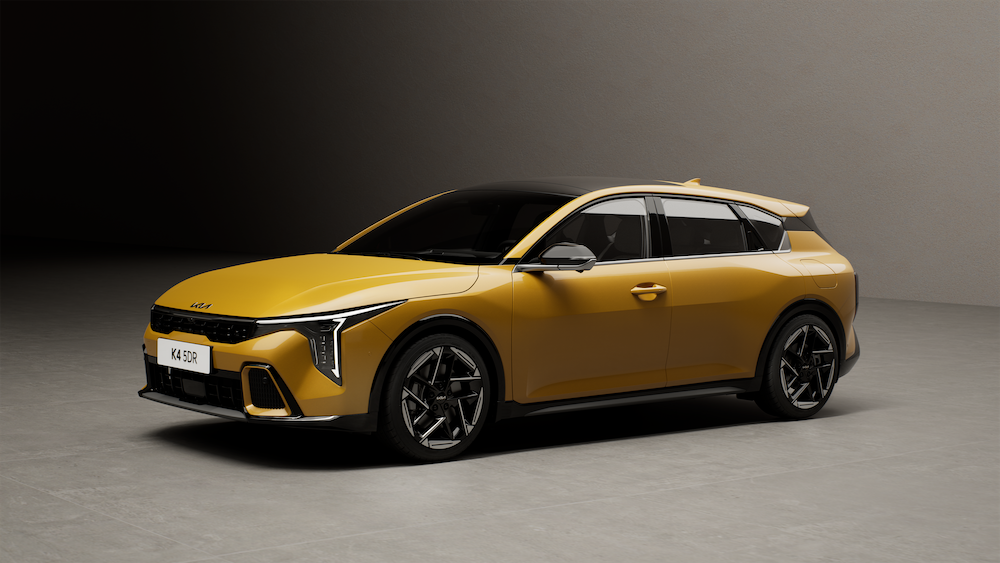
Introducing the Kia K4, where bold design meets smart innovation [Photo Gallery]

Volkswagen Reveals Electric ID.3 GTI with 326PS and 5.6-Second Sprint

Petrol Prices Fall From Their War Peak as the CMA Flags 11p Fuel Margins
Lamborghini Day UK celebrates the marque’s present, past and future