
Every New Car Buyer Can Now Haggle UK Dealers Down by £6,000
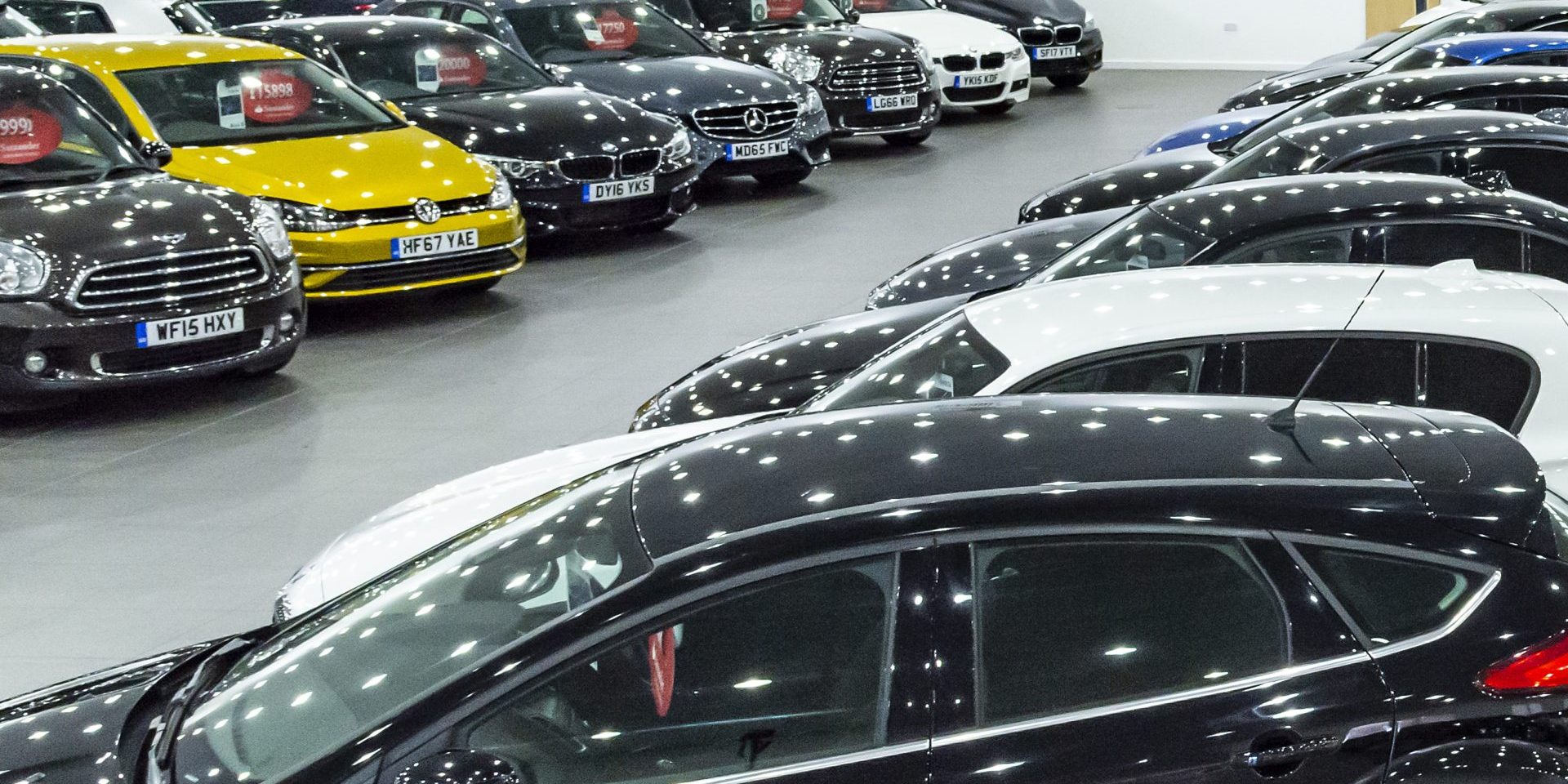
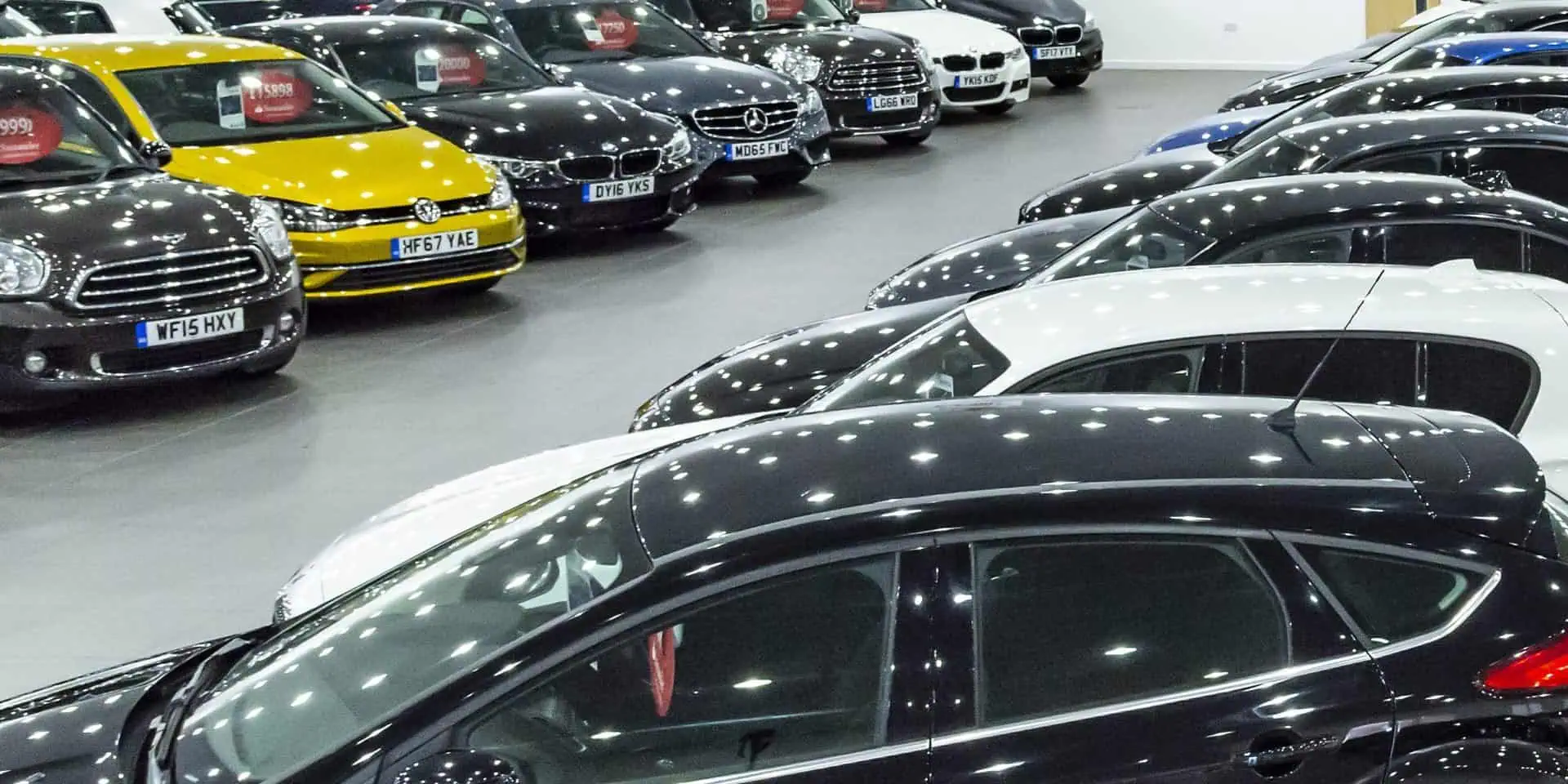
- Chinese brands now hold roughly 15 percent of the UK new car market, and the SMMT says the pressure is forcing rival manufacturers into average discounts of around £6,000.
- Auto Trader data shows dealer stock, website visits and discount sizes are all rising at once this September, giving buyers more room to negotiate than they have had in years.
- The savings apply to petrol, hybrid and electric models competing directly with cheaper Chinese equivalents, but buyers need to check a car’s real transaction price, not just the advertised saving.
Why This Is the Best Month in Years to Haggle Over a New Car
A new car buyer walking into a UK showroom this month has more room to negotiate than at any point in years. Mike Hawes, chief executive of the Society of Motor Manufacturers and Traders, told a press briefing that Chinese-branded vehicles now account for roughly 15 percent of the UK’s new car registrations, led by MG, BYD, and Chery’s Jaecoo and Omoda brands. He said the scale of that competition is putting “extraordinary pressure” on established manufacturers, who are responding with what he called deep, and in some cases unsustainable, discounting.
Industry figures put the average discount now being applied by legacy manufacturers at around £6,000 a car, a direct response to lower-cost Chinese EVs and plug-in hybrids undercutting them on price while matching them on equipment. Auto Trader’s own data tracks three things happening in the market simultaneously this month: website visits are up, advertised stock levels are up, and discounts are getting larger. That combination rarely happens outside a downturn, and it means dealers have both the inventory and the incentive to negotiate.
Who Is Affected and Why the Money Is Real
The squeeze hits buyers cross-shopping mid-size SUVs, family hatchbacks and electric cars in the £25,000 to £45,000 range, the exact territory where MG, BYD and the Chery brands are landing their strongest UK products. Four of Auto Trader’s ten most-enquired-about new cars in August came from Chinese manufacturers, with the MG S9 alone accounting for 4.1 percent of all new car leads on the site. That is not a niche trend. It is enough volume to change how a dealer prices a comparable Ford, Vauxhall, Volkswagen or Nissan sitting on the same forecourt.
The knock-on effect on UK manufacturing has been just as sharp. SMMT figures show UK car production fell 7.5 percent year on year in the first half of 2026, a decline Hawes attributed partly to Chinese competition and partly to high energy costs and weaker investment. Volkswagen announced fresh cost-cutting plans in Germany the same week, aimed squarely at competing with Chinese rivals on price. None of that is abstract for a UK buyer. A manufacturer under pressure to protect market share has one lever it can pull quickly: the deal on the car in front of you.
The Deadline That Makes This Urgent
September is the second of the UK’s two plate-change months, when registrations traditionally spike and dealers are under the most pressure to hit quarterly and annual targets before the financial year-end figures are reported to head office. Marsh Finance’s analysis of the September plate change put average discounting at 10.5 percent this year, well above the low single-digit reductions typical outside plate-change periods. That pressure does not last. Once the 76-plate rush passes and stock thins out heading into winter, dealers have far less reason to move on price. Buyers deciding on a purchase in the next few weeks are negotiating at the exact moment their bargaining position is strongest.
Who Is Responsible for the Price War
Unlike the European Union, which imposed additional tariffs on Chinese-made EVs in 2024 after concluding they benefited from unfair state subsidies, the UK has applied no equivalent levies after Brexit. Hawes confirmed that no UK manufacturer complaint has been filed that would trigger a similar investigation, meaning Chinese brands can currently undercut on price without a tariff penalty that European rivals now face. That is a policy choice with a direct, if temporary, upside for British buyers: cheaper Chinese imports mean legacy brands have to cut their own prices to compete, and that discount lands on the customer’s side of the negotiation, not the manufacturer’s margin alone.
How to Get the Best Deal Before It Disappears
The first step is to establish the real transaction price of the car being considered, not the advertised list price. Auto Trader and What Car both publish target price tools that show what buyers are actually paying after discount for a specific model and trim, based on real sales data rather than the manufacturer’s recommended price. Quoting that figure to a dealer changes the conversation from “can you do anything on this” to a specific number they either match or explain.
Second, get a written quote on a directly comparable Chinese-brand model before negotiating on a legacy brand equivalent. A dealer facing a customer who has priced an MG S9 or a Jaecoo 7 against their own mid-size SUV knows exactly what they are up against, and the conversation moves faster. Third, separate the manufacturer’s contribution from the dealer’s own discount. Many of the current deals stack a manufacturer deposit contribution with a dealer discount and a part-exchange bonus. Ask for each one itemised rather than accepting a single headline saving, as dealers sometimes reduce one element to make another look larger.
Finally, timing within the month counts for a lot. The last week of September, when dealers are chasing month-end and quarter-end registration numbers, is typically when the largest concessions appear. A test drive and a soft enquiry early in the month, followed by a firm negotiation in the final days, tends to produce a better outcome than a single visit.
The Catch Worth Knowing Before You Sign
A heavy new car discount does not automatically mean a good deal over the life of the car. Chinese electric models have grown quickly in the UK partly as their purchase price undercuts rivals, but resale data has shown used electric values falling sharply as more stock reaches the second-hand market. A buyer taking a large discount on a Chinese EV, or on a legacy brand rushing to match it, should ask what the car is projected to be worth in three years, not just what it costs today. A cheaper purchase price paired with a steeper depreciation curve can end up costing more in total than a smaller discount on a car that holds its value.
Finance terms deserve the same scrutiny. A large headline discount sometimes coincides with a less competitive PCP interest rate, so the total cost of the deal, not just the cash saved off the list price, is what determines whether the negotiation actually paid off.
None of that changes the basic fact for UK buyers this month: competition from Chinese manufacturers has forced established brands into their heaviest discounting in years, and the customer sitting across the desk from a dealer right now is the one benefiting from it.
Anyone who negotiated a new car finance deal recently and is unsure whether they got a fair rate can also compare the gap between dealer offers and real transaction prices, or check how used car values have moved this year before deciding whether to buy new or nearly new.
How This Compares With Previous Discount Cycles
UK dealers have discounted heavily before, most clearly in the 2020 pandemic downturn and again in 2023 when EV demand briefly stalled. What is different this time is the source of the pressure. Those earlier discount cycles were driven by weak demand, meaning dealers cut prices as buyers had stopped coming through the door. The current round is being driven by strong demand for a specific set of rival products, which tends to produce deeper and more sustained cuts as manufacturers are defending market share rather than simply clearing stock. A buyer working through the maths on a £35,000 family SUV, for example, is looking at a saving in the region of £6,000, or roughly 17 percent off the list price, once manufacturer contributions and dealer margin are combined. That is a bigger swing than most of the discounting seen in either of the previous two cycles, and industry analysts expect it to persist for as long as Chinese brands continue expanding their UK range without a matching tariff response from government.
Sources:

Leave a Comment
More in News
What a Speed Awareness Course Actually Costs (and Who Gets Offered One)
What Makes a Number Plate Illegal in the UK (and the £1,000 Fine)

Why Gas Prices Are Falling From Their October Record High
Mercedes Recalls 30,000 Maybach and S-Class Models Over Failing Brake Hoses

How to Clear a Musty Car AC Smell Before It Costs a £300 Repair
Trending on Motoring Chronicle

Ford Files New Recalls Covering Explorer Rollaway Risk and Blank Dashboard Warnings

Kia EV4 Becomes First Kia to Qualify for Full £3,750 Electric Car Grant

Nissan Recalls 2025 Sentras Over a Driveshaft That Can Cut Power While Driving
CUPRA Raval Earns Five-Star Euro NCAP Rating Under Stricter 2026 Testing
