
Why Budget Used Cars Under £10,000 Just Got 8 Percent More Expensive


- Auto Trader data shows the average price of a 10 to 15 year old used car has jumped 8.3 percent in a year, to £7,213, right where budget buyers shop.
- The wider used car market recorded its strongest annual price growth in more than two years, last matched back in August 2023, with like-for-like prices up 0.7 percent and the average used car now costing £17,306.
- Demand for used electric cars surged 36.4 percent year on year, and their prices have stopped falling for the first time in more than three years.
The Cars That Were Supposed to Be Cheap Are Not Getting Cheaper
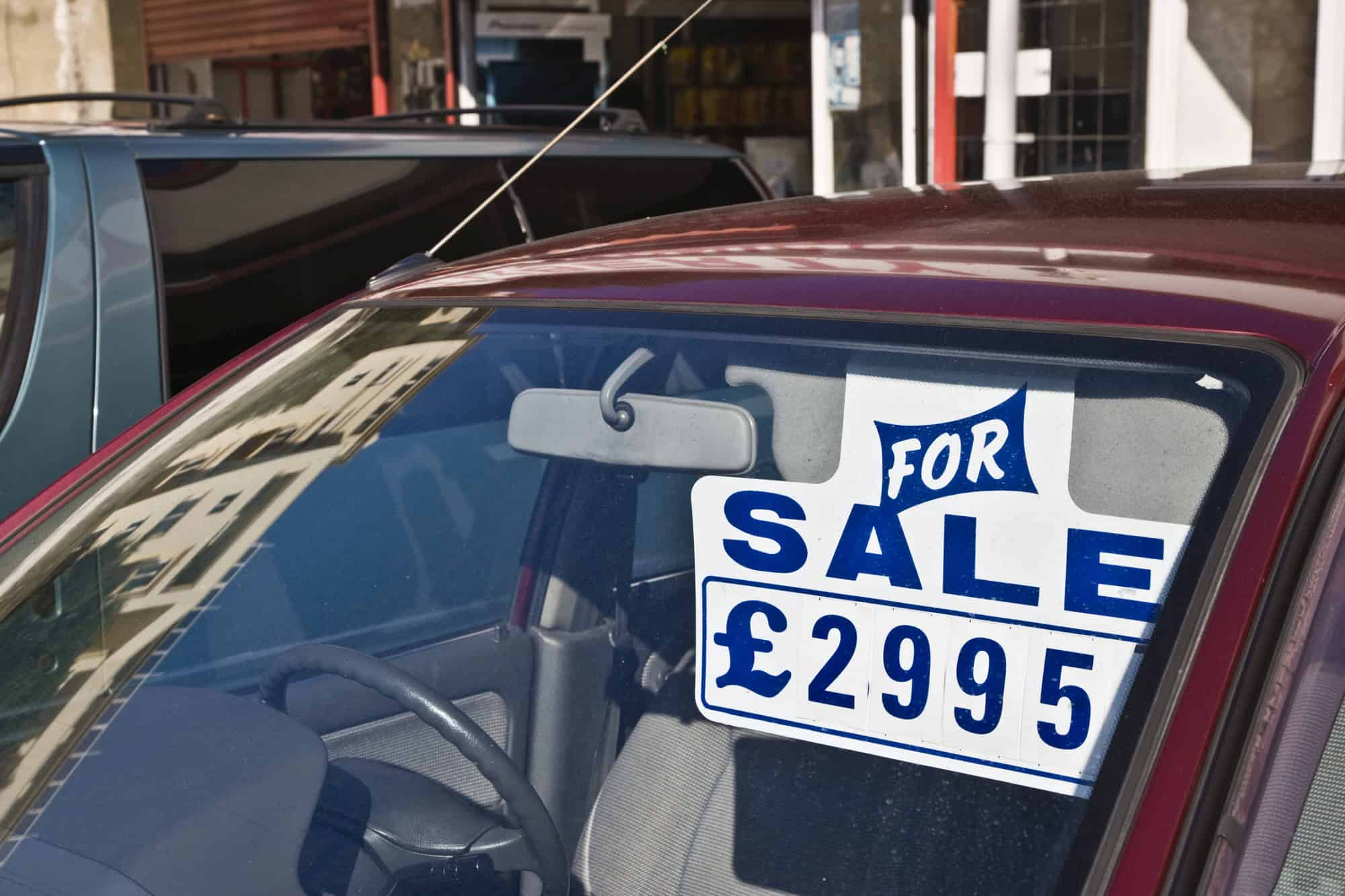
Anyone shopping for an older car specifically as it should be affordable has just lost some of that advantage. Auto Trader, whose listings cover the majority of used cars for sale in Britain, recorded average prices for cars aged 10 to 15 years rising 8.3 percent over the past year, taking the average to £7,213. That segment is exactly where first time buyers, second cars for a household and drivers replacing a written off vehicle on a tight budget tend to shop, which means the group with the least room to absorb a price rise is the one seeing the sharpest one.
The rise in that older bracket outpaced the wider market by some distance. Across all used cars, like for like prices rose 0.7 percent over the year, the strongest annual growth rate the market has recorded in more than two years, taking the average used car price to £17,306. Marc Palmer, who leads strategy work at Auto Trader, said cost factors are coming through strongly in the type of car buyers are increasingly looking at, a comment that points squarely at the older, cheaper end of the market absorbing extra demand from buyers who have been priced out of newer used cars altogether. That squeeze is likely to continue rather than ease, given how few affordable cars from the pandemic years are working their way into dealer forecourts to replace the ones already sold.
Why Older Cars Are in Short Supply
New car registrations fell sharply in the pandemic years and the period right after them, which means fewer cars from that time are now working their way down into the 10 to 15 year old bracket to replace the ones scrapped or exported each year. At the same time, the cost of living squeeze has pushed more buyers toward the cheapest realistic option rather than stretching for something newer on finance, concentrating demand on a supply of older cars that was already thinner than usual. Cars are also selling faster across the board, the average time to sell now standing at 29 days, two days quicker than the same point last year, which leaves less stock sitting on forecourts and less room for a buyer to negotiate a seller down.
The Turnaround in Electric Car Values
The used electric car market has moved in the opposite direction from where it has been heading for years. Demand for used electric cars rose 36.4 percent year on year, and they are now selling in an average of 24 days, 12 days faster than a year earlier. More significantly, average electric car prices recorded 0.0 percent year on year change, the first time prices have not fallen in close to four years, a run of decline that stretched back to December 2022 across 40 consecutive months. For anyone who bought an electric car new in the past few years and watched its resale value slide every time they checked, this is the first real sign that the bottom has been reached.
That stabilisation cuts both ways depending on which side of the transaction a reader is on. An owner planning to sell or trade in a used electric car is finally looking at a market that is not actively working against them, after three years in which every month of ownership seemed to cost more in depreciation than the one before. A buyer hoping the long price slide would continue and hand them a bargain has less room to negotiate than they would have had even six months ago, especially on the electric models now selling within three and a half weeks of being listed. That faster turnover means a buyer who spots a well priced used electric car and waits a week to think it over is increasingly likely to find it already sold, where a year ago the same car might have sat on the forecourt for well over a month.
What This Means If You Are Buying Now
A buyer working to a fixed budget in the sub £10,000 bracket has less scope than a year ago to hold out for a lower asking price, as cars in that range are moving faster and sellers have less incentive to negotiate. Widening the search radius rather than the budget tends to work better in a tightening market like this one, as a car that has sat for a few extra days in a less convenient location is more likely to have room for negotiation than one that has just appeared in a popular postcode. Checking a car’s full service history and MOT record before committing counts for more than usual too, as a faster moving market rewards sellers who can point to clean paperwork, and a buyer under pressure to move quickly is more likely to skip that check than they would in a slower market. Getting a used car checked by an independent mechanic before handing over a deposit costs somewhere between £100 and £200, a small outlay set against a car that could otherwise turn out to need a four figure repair bill within months of buying it.
What This Means If You Are Selling
A seller with an older car in reasonable condition is in a stronger position than at any point in the past three years, with faster sales and firmer prices working in their favour rather than against them. Getting an up to date valuation before listing, rather than relying on a figure from even a few months ago, counts for more in a market moving this quickly, as a car priced against last spring’s data risks being listed well below what buyers are now actually paying for it. Several free online valuation tools update their figures monthly against live listings data, and running a car’s registration through two or three of them before setting an asking price gives a seller a more realistic starting point than guessing from what a similar car sold for a year ago. For anyone with a used electric car sitting in the driveway wondering whether now is the moment to sell before values potentially soften again, the current data suggests the worst of the depreciation, at least for now, is behind them.
Where the Bargains Still Exist
A tightening market rarely tightens evenly across every type of car, and the data suggests the squeeze is concentrated in the most generically popular family cars rather than spread equally across the whole budget bracket. A supermini or small family hatchback in a common colour with an automatic gearbox tends to attract the most competing buyers, which leaves the least room to negotiate, while a manual gearbox car, an unusual colour, or a slightly larger model that costs a little more to run day to day often sits for longer and draws a smaller pool of interested buyers. A buyer willing to accept a manual gearbox, a less fashionable colour, or a model one size up from the most popular choice in its class can often find meaningfully more room to negotiate than the headline price data would suggest, simply as fewer other buyers are competing for the same car.
What the Rise Means for Household Budgets
An 8.3 percent rise on a car already priced at £7,213 works out at roughly £550 more than the same car would have cost a year ago, a figure that lands hardest on exactly the buyers who chose that price bracket as they could not stretch any further. For a household already budgeting tightly for a replacement car, that gap can be the difference between paying outright and needing finance, or between the car they wanted and a slightly older, higher mileage example instead. Timing a purchase around the quieter parts of the used car calendar, typically in the weeks after the September and March plate change registration surges when trade-ins flood dealer forecourts, can still soften the impact even in a market moving in the wrong direction for buyers overall.
Sources:

Leave a Comment
More in News

Why Councils Reject Three in Four Driver Pothole Claims as Backlog Hits £18 Billion

Every New Car Buyer Can Now Haggle UK Dealers Down by £6,000
How the Most Reliable Used Cars of 2026 Could Save Buyers Thousands
DVSA Reveals 1 in 14 Cars Fail Their MOT With a Dangerous Defect

Older and Disabled Drivers Wait 47 Times Longer for a DVLA Licence Decision
Trending on Motoring Chronicle

Drivers of Britain’s Dirtiest New Cars Now Pay £5,690 in HMRC’s Year-One Tax

Why Charging Your Electric Car From Home Could Still Get You a Fine

KGM Musso EV review: All-electric pick-up truck leading the charge
What Every UK Driver Needs to Know Now the Digital Driving Licence Is Live
