
How the Most Reliable Used Cars of 2026 Could Save Buyers Thousands


- The Toyota Yaris tops the 2026 Warrantywise Reliability Index for the second year running, scoring 89.2 out of 100 from 1.6 million repair data points.
- Land Rover Discovery scored just 17.2, the lowest of any model in the index, with premium SUVs dominating the bottom of the table.
- Average garage labour rates have risen 7.87 per cent in three years, from £104.11 in 2023 to £112.30 in 2025, making the wrong used car choice more expensive than ever.
The used car that breaks down least, and the one that breaks the bank
Buy a used Toyota Yaris and, statistically, you are buying the most dependable car on Britain’s used market for the second year running. Buy a used Land Rover Discovery and you are buying the one most likely to be booked into a garage. That is the headline finding of the 2026 Warrantywise Reliability Index, built from 1.6 million real repair records covering vehicles aged three to 15 years, each model represented by a minimum of 250 vehicles on an active warranty plan.
The index scores every model out of 100 based on how often it needs repair, the average labour cost of those repairs, and the age and mileage of the vehicle when problems start showing up. A higher score means a lower repair risk. The gap between the top and bottom of the table this year is stark: the Yaris scores 89.2, the Land Rover Discovery scores just 17.2, a five-fold difference in real-world repair risk between two cars that can sell for similar money on the used market.
The ten most reliable used cars right now
- Toyota Yaris – 89.2
- Kia Picanto – 86.8
- Toyota Aygo – 83.8
- Toyota Rav-4 – 79.9
- Peugeot 108 – 78.9
- Toyota Hilux – 78.4
- Citroen C1 – 78.0
- Suzuki Vitara – 78.0
- Kia Ceed – 77.5
- Suzuki Swift – 77.5
Toyota and Kia dominate the top of the table, and small cars feature heavily too, with the Yaris, Picanto, Aygo, 108, C1 and Swift all sitting in supermini or city car segments that tend to carry simpler mechanical layouts and cheaper parts. The Toyota Hilux is the one outlier, a proper pickup truck built for commercial use that has built its reputation on durability over decades, and the RAV4 shows that reliability is not limited to small, cheap cars.
The ten used cars most likely to let you down
- Land Rover Discovery – 17.2
- BMW 7 Series – 18.7
- Mercedes S-Class – 19.2
- Audi A7 – 19.2
- Land Rover Range Rover Velar – 19.7
- Land Rover Range Rover Sport – 21.1
- BMW X5 – 23.6
- Land Rover Discovery Sport – 24.1
- BMW X7 – 26.5
- Land Rover Defender 110 – 28.0
Every model on the lower-scoring list is a large, premium vehicle, and Land Rover alone accounts for four of the ten worst scores. That does not mean these cars are badly built. It means they carry far more complex air suspension, electronics and four-wheel drive systems than a city car, and every one of those extra components is another part that can fail as the vehicle ages. Warrantywise is clear that a lower score reflects a higher repair risk, not a car that is inherently unreliable for every owner, and well-maintained examples with a full service history can still perform far better than the average for their model.
Why the difference is bigger than it used to be
Garage repair costs are climbing steadily, which raises the financial stakes of choosing badly. Warrantywise’s own data shows the average hourly labour rate quoted in repair requests has risen 7.87 per cent over three years, from £104.11 in 2023 to £112.30 in 2025. On a car needing several hours of diagnostic and repair work, that increase alone can add well over £100 to a single bill before a single part is fitted.
At the same time, cars in Britain are staying on the road for longer. The average vehicle on UK roads is now around 10 years old, largely a result of supply shortages in the pandemic years cutting the number of new cars entering circulation and pushing more buyers toward the used market for longer ownership cycles. A car bought used at five years old and kept for another decade will spend most of its life well outside any manufacturer warranty, making the underlying reliability of the model, rather than the badge on the bonnet, the biggest single factor in what it will actually cost to keep on the road.
Electrics are changing what “reliable” means
A modern car can carry more than 100 separate electronic control units managing everything from the engine to driver assistance systems, and Warrantywise’s data shows electrical faults now appear consistently across both the most and least reliable vehicles in its index. That marks a shift from the old assumption that reliability is mostly about engines and gearboxes. A cheap, mechanically simple city car can still suffer an electrical fault, but it tends to be cheaper and quicker to diagnose and fix than the equivalent fault buried in a premium SUV’s more complex wiring and software.
For used electric cars specifically, Warrantywise says its early data does not point to the battery as the dominant repair worry many buyers fear. Battery failures can be expensive when they happen, but they do not feature among the five most common repair requests logged for used EVs so far, with other components generating more frequent, if usually cheaper, claims.
What makes this data different from a survey
Unlike owner satisfaction surveys, which ask drivers to rate their own car from memory and can be skewed by brand loyalty or a single bad experience, the Warrantywise index is built entirely from actual repair requests logged against active warranty plans. Every model needs a minimum of 250 vehicles on plan before it qualifies for inclusion, a threshold designed to stop a handful of unlucky or exceptionally well-kept examples distorting the result for an entire model line. Warrantywise Managing Director Antony Diggins says the aim is to give drivers data they can trust rather than opinion or manufacturer claims, at a point when cars are becoming more complex and staying on the road for longer than in previous decades.
How to use this before you buy
Cross-check any used car you are considering against the wider Warrantywise index rather than relying on a single year’s top ten: scores for dozens of additional models beyond this list are published on the company’s site and updated as new repair data comes in. Ask any seller for a full service history and, where possible, a recent independent inspection report, above all for larger premium models where the gap between a well-maintained example and a neglected one can be the difference between years of trouble-free driving and a repair bill running into thousands of pounds.
Anyone buying a car that scores toward the bottom of the reliability table should budget accordingly rather than being caught out later, setting aside a realistic repair fund or pricing an extended warranty into the true cost of ownership from day one. A car that costs less to buy but carries a high repair risk can easily end up costing more over five years than a slightly pricier model with a strong reliability record.
Sources:

Leave a Comment
More in News

How to Spot a Clocked Car (and What to Do If Caught Out)

What Dashcam Footage Actually Counts as Evidence (and the Rules on Sharing It)

Why Connecticut Is Adding Speed Cameras to School Zones Across the State
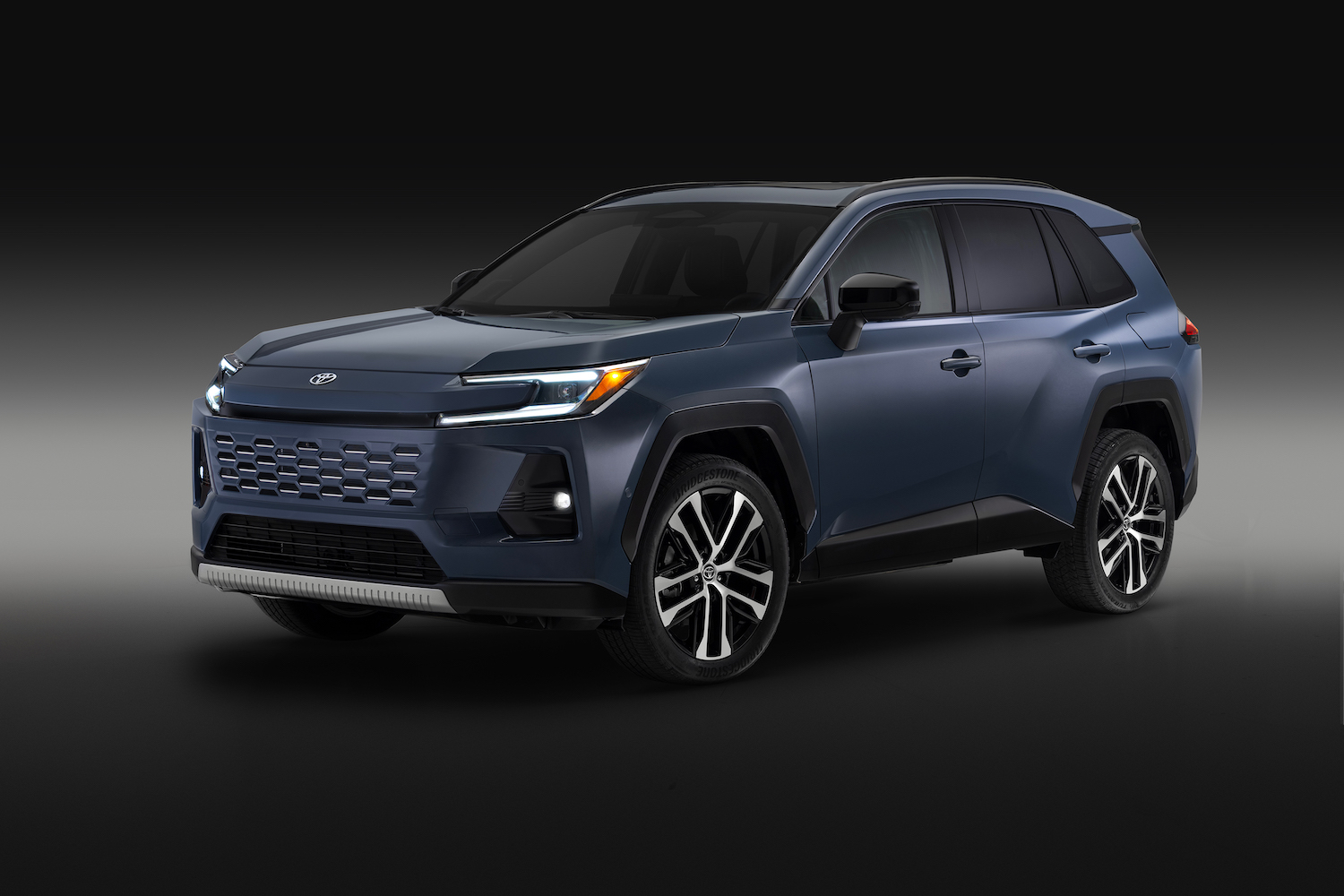
Toyota Recalls 30,978 RAV4 Plug-in Hybrids Over Sudden Power Loss Risk
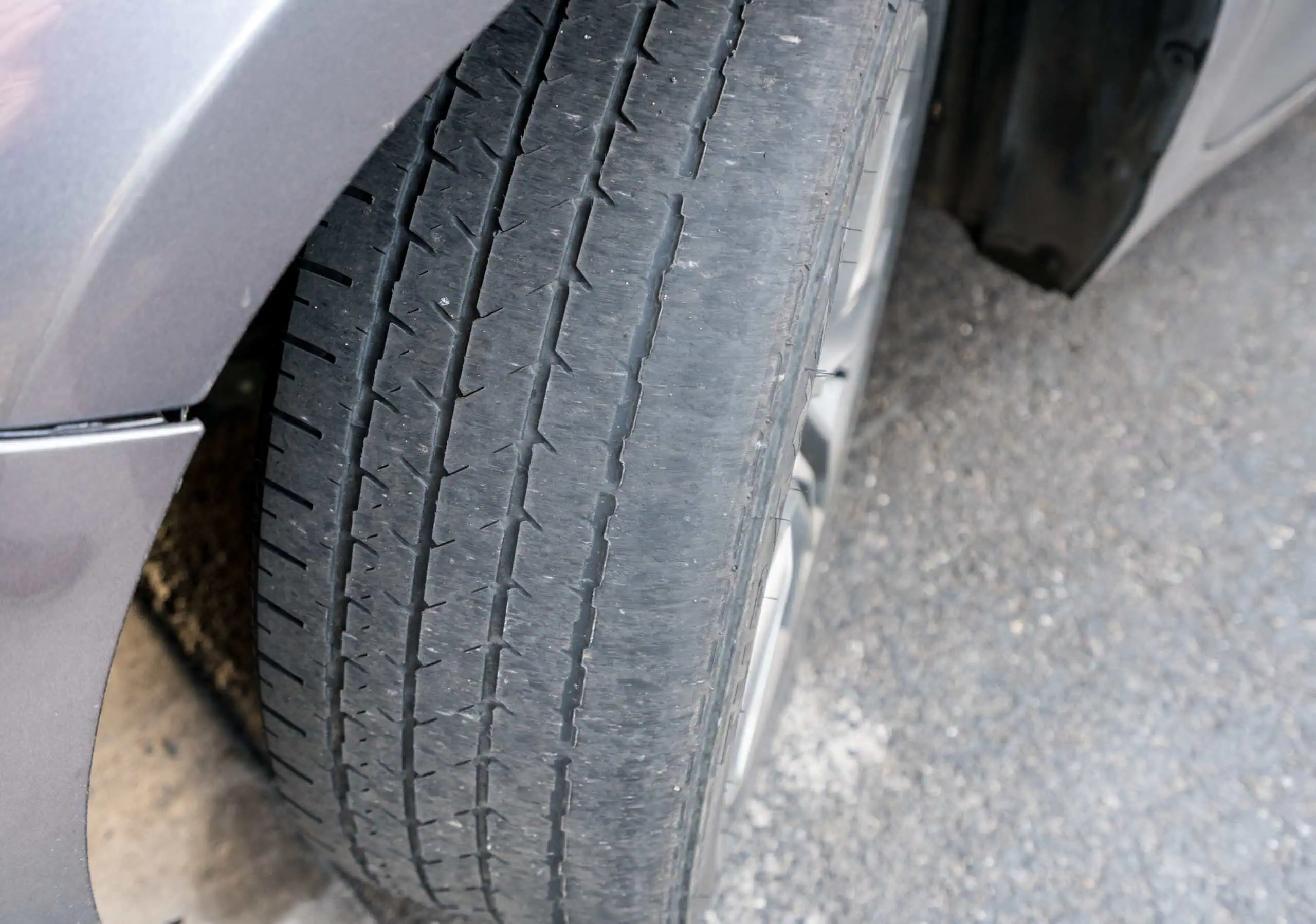
Why Your Steering Wheel Shakes at 70mph and the £10 Fix for It
Trending on Motoring Chronicle
Bugatti Bolide: a customer’s first track experience at the iconic circuit of the Americas [Photo Gallery]

How EV Brakes Actually Wear Faster Than You Think

A celebration of Bugatti past and present: the inaugural concours d’Élégance International Schlumpf [Photo Gallery]

Exterior accent colours extend Bentley palette beyond 46 billion possibilities [Photo Gallery]
