Speed Cameras Are Expanding in Cities Nationwide With Fines Up to $248
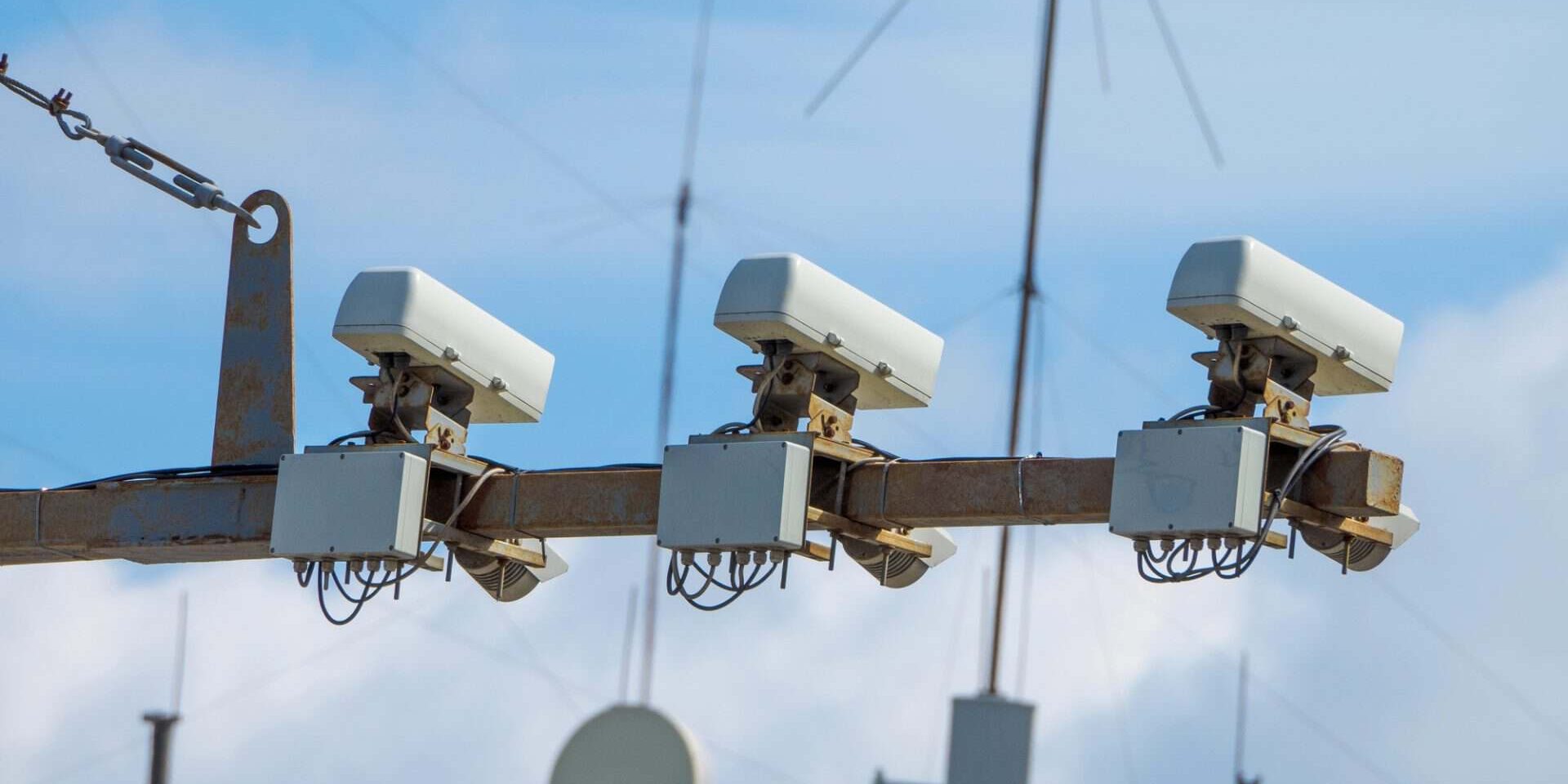
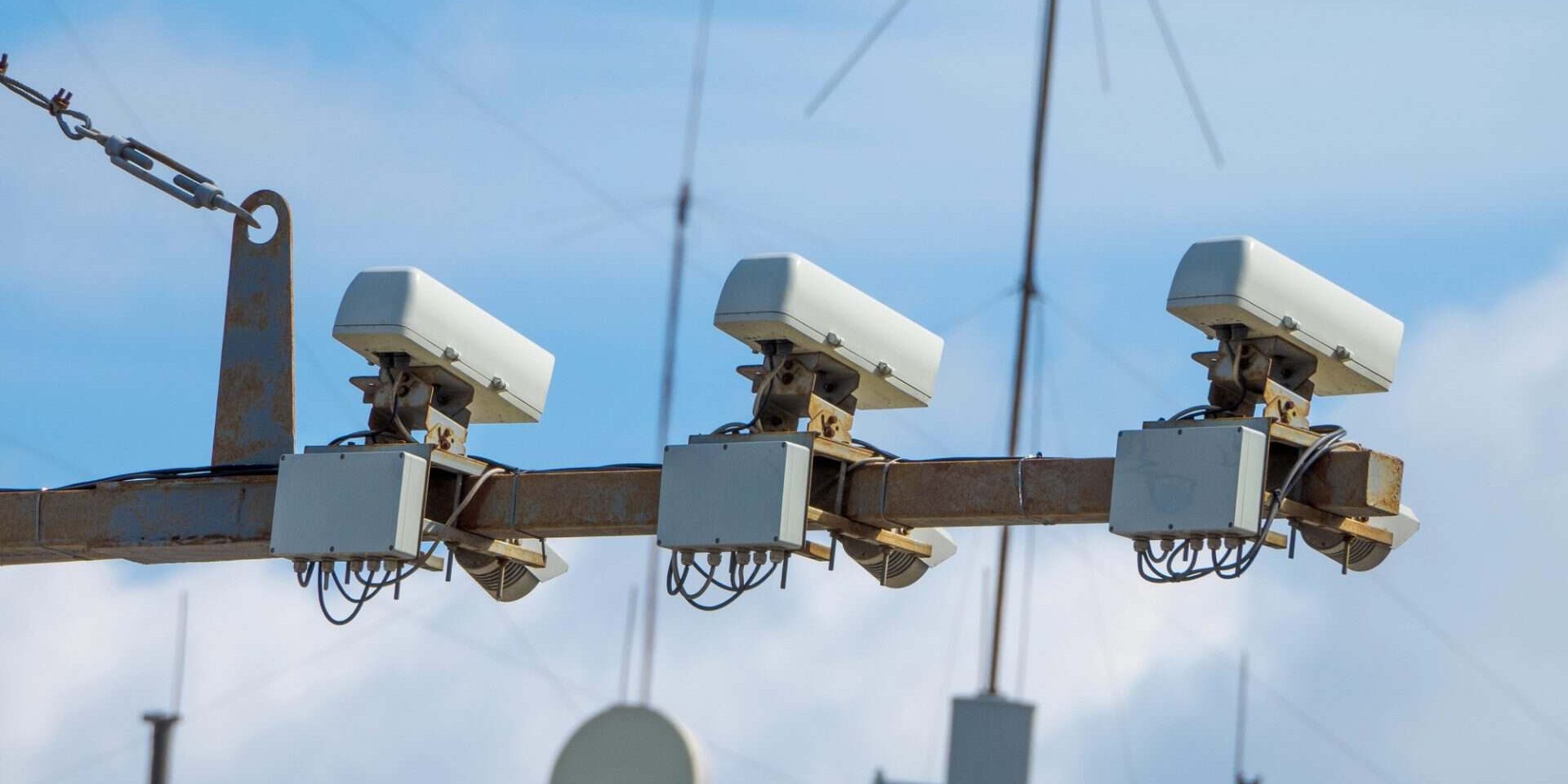
- Bellevue, Washington began issuing real $124 speeding tickets this month from new cameras, with school-zone violations doubling to $248, as cities from Los Angeles to Minneapolis expand automated enforcement this fall.
- Four of Bellevue’s eight new cameras were vandalized within days of installation, and a Republican congressman has introduced a bill to withhold federal highway funds from states that run automated speed programs.
- Every camera location runs a one-month warning period before real fines start, giving drivers a grace window they can use to change their route or habits.
The Warning Notices Just Turned Into $124 Tickets
Drivers in Bellevue, Washington started receiving real citations this month from four speed cameras the city installed in August, ending a monthlong warning period that gave speeders a mailed notice instead of a fine. A standard speeding infraction now costs $124. Catch a camera in a school zone and the fine doubles to $248. The cameras trigger only when a vehicle exceeds the posted limit by 8 mph or more, a threshold the city set to target serious speeding rather than minor, unintentional overages.
Bellevue is not an isolated case. Long Beach, California is rolling out an 18-camera pilot under state law AB 645, Minneapolis is eyeing 11 new sites after its existing program cut violations by 67%, and Los Angeles has begun its own Speed Safety Systems Program this fall. Tacoma, Washington activated new cameras September 14. Across the country, automated speed enforcement is expanding into cities and onto arterial roads that never had it before, and drivers who have never gotten a camera ticket in their life are increasingly likely to get one this year.
Someone Is Already Fighting Back With Spray Paint
Half of Bellevue’s newly installed cameras did not survive their first weekend intact. Four of the city’s eight units, installed the week of August 18, were vandalized on the night of August 24. All four were coated in gray spray paint, and two had their camera lenses crushed. Police have no suspect, no established motive and increased patrols around camera sites in response. Under the city’s contract with vendor Verra Mobility, the company bears responsibility for repairing and replacing the damaged equipment, though Bellevue has not released a dollar figure for the repair cost.
Vandalism against speed cameras is not unique to Bellevue. Cities that have expanded automated enforcement in recent years have repeatedly reported cameras being spray-painted, knocked down or disabled, a pattern that tends to spike in the days immediately after new units go live and drivers first realize a familiar stretch of road now watches their speed.
Where the Cameras Are Going Next
Bellevue’s four current camera locations sit on Forest Drive Southeast, 148th Avenue Northeast and Northeast Eighth Street, all chosen based on crash history. Three more locations are scheduled to activate later this year, adding six additional cameras on Bellevue Way Southeast near the South Bellevue Park and Ride, Coal Creek Parkway Southeast, and 116th Avenue Northeast. Those last two sit on arterials that feed directly into downtown Bellevue from Interstate 90 and the Bel-Red corridor, meaning commuters who have never encountered a camera on their route will likely pass one by year’s end.
Bellevue’s program traces back to 2009 and operates under the city’s Vision Zero initiative, a nationwide framework adopted by dozens of cities that sets a goal of eliminating traffic deaths and serious injuries by 2030. A 2025 change to Washington state law expanded where cities can place speed cameras beyond school zones, which is what opened the door to this year’s citywide expansion, formally adopted by the Bellevue City Council on December 9, 2025.
The Money Question Behind Every New Camera
Automated enforcement generates real revenue, and that fact fuels much of the public pushback. Washington, D.C. is on pace to collect more than $1 billion in camera revenue over four years from just 477 cameras citywide. New York City’s program collected roughly $28.2 million through the end of 2025, and after about $16.1 million in expenses, produced cumulative net revenue near $12.4 million. Critics argue that revenue-driven placement, cameras sited to maximize fines rather than strictly to reduce crashes, undermines the public safety case cities make for these programs, even when crash data at individual camera sites shows real reductions in speeding.
In 2025 alone, nearly 300 state bills touched automated traffic enforcement nationwide, with more than half addressing speed or red-light cameras specifically. Some states, including Maryland, Massachusetts and New York, expanded authority for cities to deploy them. Others moved to restrict or ban them outright. In Connecticut, the debate grew heated enough that one town suspended its camera program in April after officials discovered required public hearings had never actually taken place before the cameras went live.
A Federal Bill Wants to Punish States That Use Them
The pushback has now reached Congress. Representative Pat Harrigan, a North Carolina Republican, introduced legislation in September that would withhold 10% of a state’s Highway Trust Fund appropriations if that state operates an automated speed enforcement program, with carve-outs for school zones and active construction zones. The bill has not advanced, and states that rely on camera revenue to fund traffic safety programs would face a real budget fight if it does. For now, the expansion continues largely unaffected: no city currently running or launching a camera program has announced plans to reverse course over the proposal.
Does the Enforcement Actually Change Driving Behavior?
Cities point to their own before-and-after numbers to justify the expansion. Minneapolis says its existing camera corridors cut violations by 67% after cameras went in, a figure the city is using to justify adding 11 more locations. Program advocates argue that number is the entire point: a camera that changes driver behavior enough to cut violations by two-thirds is generating less revenue over time, not more, as fewer drivers get caught once they learn where the cameras sit and adjust their speed accordingly.
Critics counter that a 67% drop in violations at a handful of well-publicized locations does not tell drivers much about whether the same reduction holds citywide, or whether drivers are simply slowing down for a few hundred feet around each known camera and speeding up again immediately after. Independent researchers who study automated enforcement generally find real safety benefits near camera locations, including fewer severe crashes, though the size of that effect varies significantly by city and by how aggressively a program expands beyond its original school-zone footprint into ordinary arterial roads, which is exactly the shift now happening in Bellevue and several other cities this fall.
What to Do If a Camera Catches You
Every new camera location, in Bellevue and in most cities that run these programs, starts with a warning period, typically 30 days long, and a speeding driver in that window receives a notice in the mail rather than a fine. That window exists specifically so drivers can learn a new camera is there and adjust before real money is at stake. Checking a city’s transportation or police department website for a current camera location map before a planned drive through an unfamiliar area is the simplest way to avoid a surprise ticket entirely.
Speed cameras photograph only the rear of a vehicle and record the date, time, location and measured speed of the violation. In Bellevue, as in most jurisdictions, a police officer personally reviews footage before any citation is mailed, and drivers who believe a citation was issued in error typically have a formal appeal process through the municipal or traffic court that issued it. Given how quickly enforcement is spreading this fall, from downtown Bellevue commuter routes to Los Angeles arterials to Minneapolis intersections, the safest assumption for any driver is that a familiar stretch of road could have a new camera on it that was not there last month.
Sources:
- Downtown Bellevue Network: 4 of Bellevue’s 8 New Speed Cameras Vandalized as $124 Tickets Near
- KOMO News: Bellevue Adding Speed Cameras at 4 Locations, Citations Begin in September
- Hoodline: Minneapolis Speed Cameras Expansion, 11 New Sites Eyed
- ConsumerAffairs: Speed Cameras Are Spreading on U.S. Roads and Generating Millions in Fines

Leave a Comment
More in News

DfT Could Add 5 to 10 Points for Drivers Failing to Stop for Police

What DfT Plans for Uninsured Drivers Now Facing a £300 Fine and 6 Points

Are There Warning Signs Before a Cam Belt Breaks? Usually One, and It Is Not the Belt

Fife and Dundee Cars Fail 38.6% of First Attempt MOTs, Nearly Double Sutton’s 20.3%

How to Tell If Rust Will Fail Your MOT (and What a Repair Costs)
Trending on Motoring Chronicle

Feeling the Track: Bugatti Bolide owners master the sun-soaked asphalt in Miami

Bentley collector takes delivery of bespoke Le Mans Bentayga to complete a unique stable [Photo Gallery]

Horizon, elevated: Automobili Lamborghini brings the third edition of #SheDrivesaLambo to Courchevel
Ford Recalls 47,587 F-150 and F-250 Trucks Over a Rearview Camera Glitch