Gas Slips Under $4 at $3.98, but EIA Forecasts $3.73 Average for 2027


- The AAA national average for regular gasoline fell to $3.9788 a gallon on Nov. 10, down 17 cents in a week and 39 cents in a month.
- The EIA raised its 2027 forecast to $3.73 a gallon for gasoline and $5.03 for diesel, up 5 percent and 12 percent from its October outlook.
- Regular costs less than $4 in 29 states, from $3.2358 in North Carolina, and $4 or more in 21 states and D.C., topped by California at $5.7108.
Why Cheaper Gas Still Costs 91 Cents More Than a Year Ago
The AAA national average for a gallon of regular slipped to $3.9788 on Nov. 10, a day after it stood at $4.0093. A 15 gallon fill at that price costs $59.68. A year ago the average was $3.0707, so the same tank ran $46.06, and drivers now pay $13.62 more for a 15 gallon fill.
The slide has picked up speed. Regular averaged $4.1493 a week ago and $4.3669 a month ago, which puts the weekly fall at 17 cents and the monthly fall at 39 cents. AAA’s Nov. 5 release logged $4.1003, so 12 cents came off in five days. On a 15 gallon fill, the last week saved $2.56 and the last month saved $5.82.
The Energy Information Administration (EIA) added its own number the same day. Its November Short-Term Energy Outlook, released Nov. 10, expects the U.S. retail price of gasoline to average $3.89 a gallon across 2026 and $3.73 across 2027. Last month’s outlook said $3.91 and $3.56, so the 2027 forecast went up by 17 cents even as pump prices fell. The EIA expects gas to cost less next year than it does now, but more than it expected a month ago.
The Nov. 10 reading of $3.9788 sits 25 cents above that 2027 average. A driver who burns 600 gallons a year, the amount a car uses on 15,000 miles at 25 miles per gallon, would spend about $149 less at $3.73 than at the Nov. 10 price. That mileage is an example, not an AAA or EIA figure.
Two more yardsticks put the reading in range. Regular topped out at $5.0165 on June 14, 2022, the highest AAA has recorded, and the Nov. 10 average is $1.04 below it. Against last year’s $3.0707, the 91 cent gap adds up to $545 over those same 600 gallons.
29 States Pay Under $4 While 21 States and D.C. Pay More
AAA’s state table for Nov. 10 lists 50 states and the District of Columbia. Regular sits below $4 in 29 states. It sits at $4 or higher in 21 states and in D.C., where the average is $4.2569.
North Carolina is cheapest at $3.2358, ahead of Texas ($3.4498), Georgia ($3.4552), South Carolina ($3.4957) and Louisiana ($3.5538). California is priciest at $5.7108, followed by Hawaii ($5.6280), Nevada ($5.0412), Washington ($4.9834) and Oregon ($4.6200). Two of the five cheapest states have also paused their state fuel taxes: North Carolina suspended its 41 cent tax and Georgia its 33.3 cent gasoline tax through Nov. 30, and the state fuel tax suspensions lapse after that date unless the states extend them.
Six states sit within 7 cents of the line. Rhode Island ($3.9792), Nebraska ($3.9793) and Montana ($3.9989) are under $4 by less than 3 cents. West Virginia ($4.0311), New Jersey ($4.0347) and Massachusetts ($4.0658) are over it by less than 7 cents. A 17 cent weekly fall, the pace the national average just set, would carry West Virginia, New Jersey and Massachusetts under $4 as well.
The high-price states have dropped too. Against the Nov. 5 AAA release, which rounded to the cent, California is down about 12 cents from $5.83, Nevada about 14 cents from $5.18, Washington about 14 cents from $5.12, Illinois about 17 cents from $4.60 and Utah about 18 cents from $4.49. Hawaii barely moved, from $5.64 to $5.6280.
The spread between the two ends of the table is $2.475 a gallon. A 15 gallon fill costs $85.66 in California and $48.54 in North Carolina, a gap of about $37. For the 600 gallon driver, the difference between living in the two states comes to $1,485 a year. The record November gas price of $4.10 on Nov. 5 left California at $5.83 and North Carolina at $3.34, and the $2.49 gap between them has eased to $2.475.
What the EIA Changed in Its Forecast and Why
The revision starts with crude. The EIA says crude prices rose for a third straight month in October as global stockpiles shrank, tankers came under attack in the Persian Gulf, shipping space tightened and freight costs climbed. It expects Brent to stay near $100 a barrel for the rest of 2026. The annual table in the outlook puts the 2026 average at $97 a barrel, falling to $86 in 2027, with a gradual slide to $77 a barrel in the fourth quarter of 2027.
That slide rests on one assumption: output from the Middle East, Iran excepted, climbs back to its pre-conflict average by mid 2027, and depleted global stockpiles rebuild across the year.
Commercial crude stocks in the U.S. ended October at 410 million barrels, the lowest October-end stockpile in 12 years. The premium Brent commands over West Texas Intermediate (WTI) pulled U.S. exports up and imports down, and heavy refinery runs over several months drew stocks down further. AAA’s Nov. 5 release reported inventories 4 percent below the five-year average.
Brent and WTI are two different benchmarks, so the figures do not conflict. AAA’s release said WTI settled at $88.12 a barrel on Nov. 4, after a $7.97 drop, with crude in the high $80s to low $90s range. The EIA’s $100 describes Brent. The agency calls the Brent to WTI spread as wide but narrowing, and it projects U.S. stockpiles under their five-year norm until mid 2027.
The outlook gives its reason for lifting the 2027 pump forecast. The EIA now assumes petroleum product markets face supply constraints through the end of 2027, which supports wider margins between crude oil and refined fuel prices and keeps U.S. refineries running at elevated rates. Retail gasoline rises 4.7 percent in the revised 2027 forecast, from $3.56 to $3.73, while the 2026 figure slips 0.6 percent, from $3.91 to $3.89.
The EIA locked its model inputs on Nov. 5 and left out any market events after that date. The next outlook is due Dec. 8.
Diesel, Premium and E85 Follow Their Own Tracks
Diesel did not join the slide at the same pace. AAA puts the national average at $6.1572 on Nov. 10, against $6.1723 a day earlier and $6.2875 a week ago. Diesel fell 13 cents in a week, against 17 cents for regular, and 13 cents in a month, against 39 cents. Diesel costs $2.18 more than regular and $2.42 more than the $3.7389 of a year ago. AAA’s diesel record stands at $6.5276, set on Sept. 22, 2026, which is 37 cents above the Nov. 10 reading.
The EIA raised its diesel forecast more sharply than its gasoline forecast: $5.25 a gallon for 2026, up from $5.19, and $5.03 for 2027, up 12 percent from $4.49. Even at $5.03, diesel would run $1.13 under the Nov. 10 price, and $1.30 above the EIA’s own 2027 gasoline forecast. Refiners cutting gasoline output to make more diesel and jet fuel keep that premium wide.
Higher grades follow regular down. Mid-grade averages $4.4990 and premium $4.8969, against $4.5086 and $4.9137 a day earlier. Premium costs 92 cents more per gallon than regular, which makes a 15 gallon premium fill $73.45 against $59.68, a gap of $13.77. Drivers whose owner’s manual calls for regular gain that amount on every tank by staying with the cheaper grade.
E85, the ethanol blend for flex-fuel vehicles, averages $3.0717, down from $3.2313 a week ago and up from $2.5111 a year ago. That is 16 cents lower in a week and 56 cents higher in a year.
Public EV charging moved the other way. AAA’s Nov. 5 release put the national average at 42 cents per kilowatt hour, up 1 cent in the week. Hawaii charges the most at 55 cents and Kansas the least at 31 cents.
How to Check Your Price and Pay Less This Month
Start with the number for your state. AAA’s State Gas Price Averages page lists regular, mid-grade, premium and diesel for all 50 states and D.C. Multiply the regular price by your tank size to see what a fill costs, and remember that each 10 cents at the pump adds $1.50 to a 15 gallon fill.
Planning a drive saves more than watching the national figure. AAA’s TripTik Travel planner lists gas and EV charging prices for stops along a route, and the Fuel Prices site also carries a Gas Cost Calculator and an EV Charging Prices page. A $2.475 spread between California and North Carolina shows how far prices differ from one state to the next, and the planner shows which stations along a route sit on the cheap side of it.
Drivers in North Carolina and Georgia hold one more lever. The state tax suspensions run through Nov. 30, so the 41 cent and 33.3 cent taxes are switched off at the pump. North Carolina drivers who think a station is keeping the saving can file a complaint on the N.C. Fuel Check page of Attorney General Jeff Jackson’s office or call 1-877-5-NO-SCAM.
The EIA’s next outlook arrives on Dec. 8 and will show whether the agency keeps its 2027 view of $3.73 a gallon for gasoline and $5.03 for diesel. Until then, compare the Nov. 10 national reading of $3.9788 with your own state’s number on the AAA page before you decide how much a fill-up will cost.
Want more car content? Add us as a preferred source on Google to your favourites list for the best automotive news and analysis on the internet.
If you enjoyed this article, be sure to follow us on Microsoft Start.
Sources
- AAA: Fuel Prices national average, 11/10/26
- AAA: State Gas Price Averages
- AAA: National Average Falls 12 Cents in One Week
- EIA: Short-Term Energy Outlook, November 2026
Reviewed by Preetam Gadekar

Leave a Comment
More in News

Average New Car Price Hits Record $51,109, Up 2.1% on October 2025

Bentley unveils 2026 Remembrance cars: A symbol of Remembrance and belonging [Photo Gallery]

California man considers buying new Toyota. Then he realizes he won’t be able to leave the state
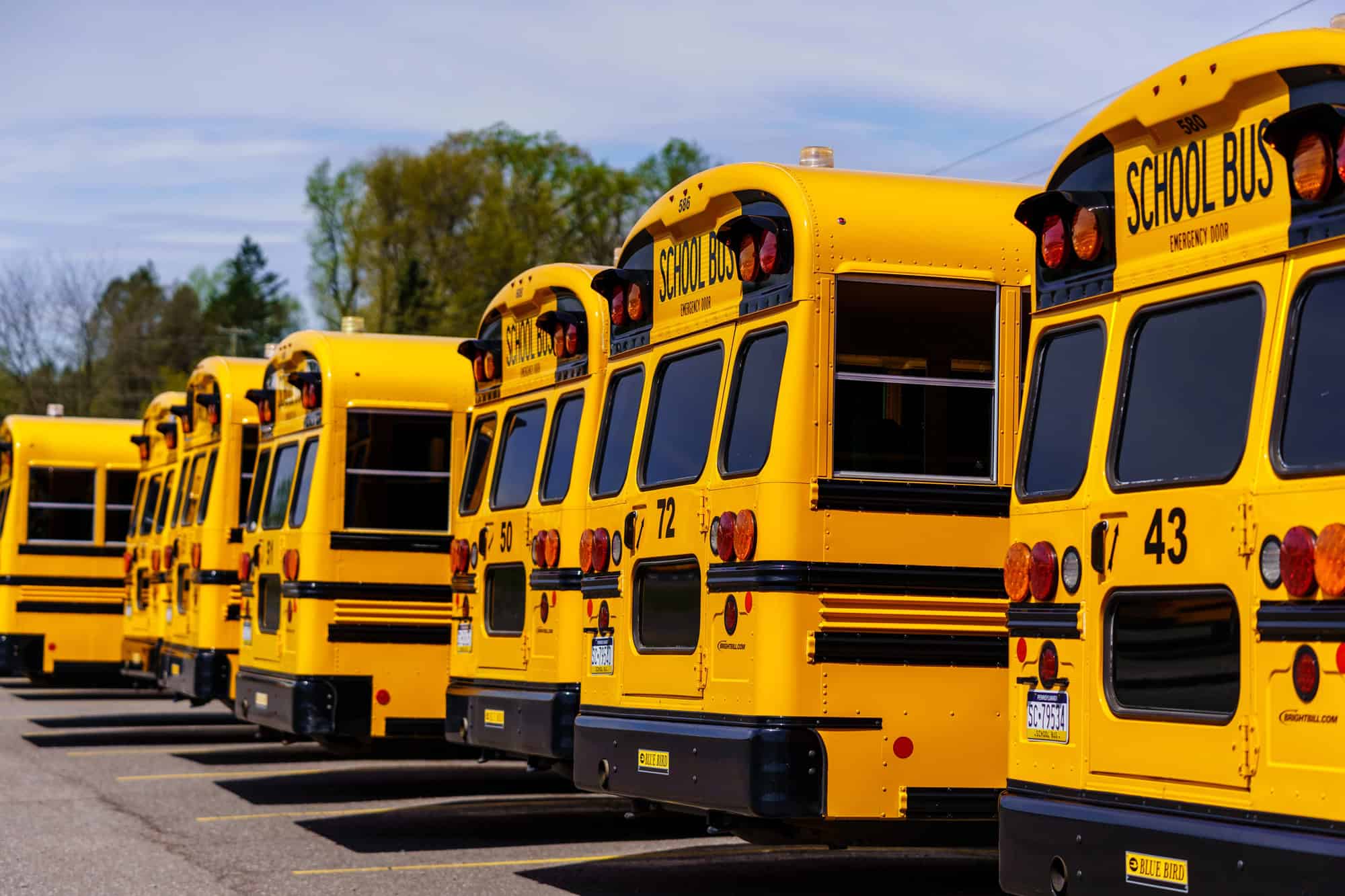
Pennsylvania Raises School Bus Passing Fines to as Much as $500 in 2027

Honda Recalls 635,808 Pilots, MDXs and TLXs That Can Lose Power Steering
Trending on Motoring Chronicle

Why Right Now Is the Best Time in History to Buy an Electric Car in Britain

No Driveway, No Problem. The Government Will Now Pay Up To £500 To Help You Charge An EV At Home

The new BMW M2 CS [Photo Gallery]

DfT Could Add 5 to 10 Points for Drivers Failing to Stop for Police