
Drivers Warned Over Fake Parking Fine Texts Demanding Payment Through Bogus Gov.uk Links
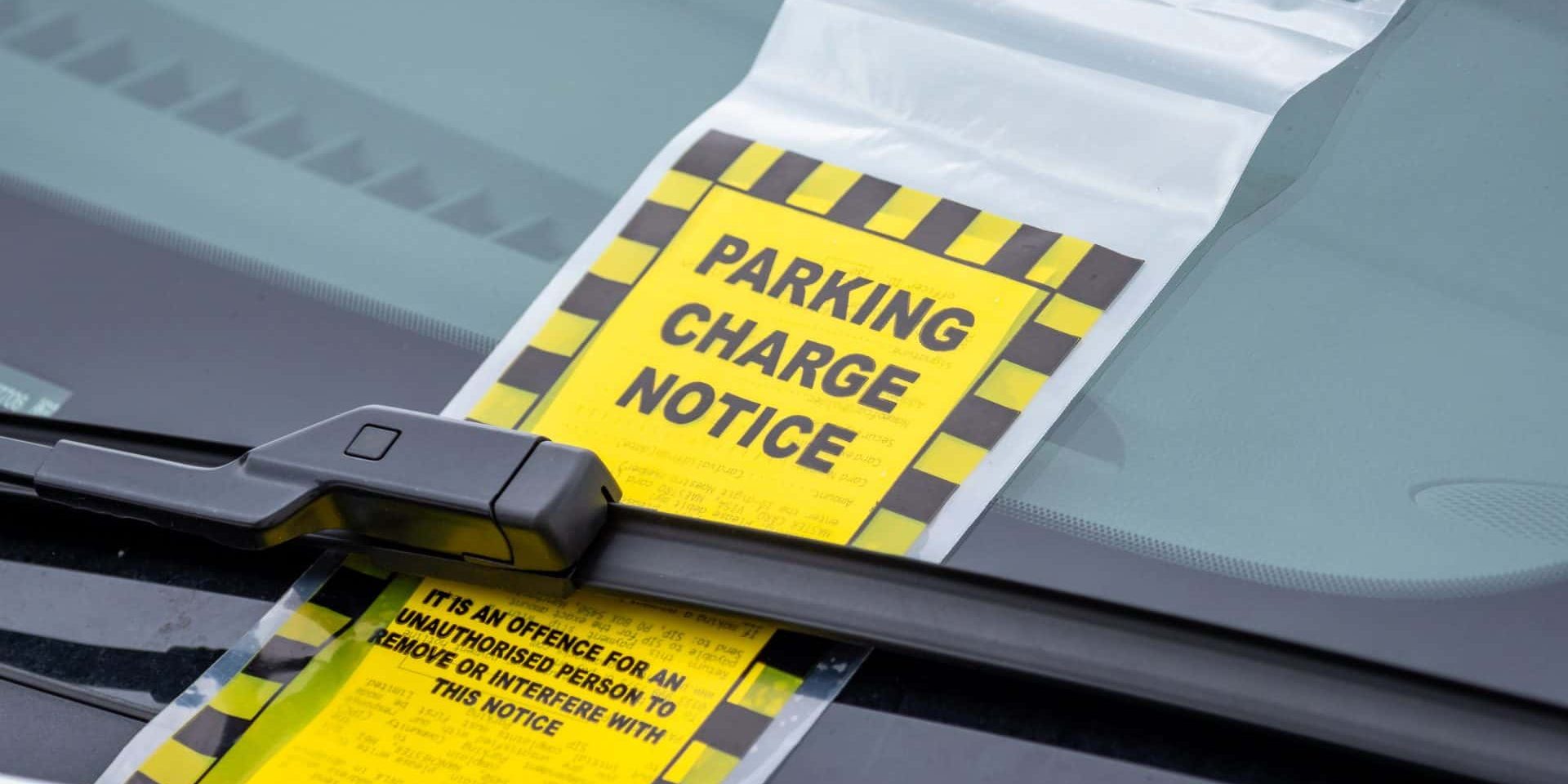
If a text message lands on your phone claiming you owe money for a parking fine and urging you to pay through a link, treat it as a scam and delete it. A wave of fake penalty charge notice (PCN) messages is sweeping the country, with drivers in York among the latest to be targeted and the consumer group Which? issuing a fresh alert. The single most useful fact to hold on to is this: councils in the UK do not text people about parking fines. A real PCN is fixed to your windscreen, handed to you, or sent by post. Anything arriving by text is almost certainly an attempt to steal your money and your personal details.
How the Scam Works
The messages follow a familiar script. You receive a text saying you have an unpaid or outstanding penalty charge notice, often with a vehicle reference or a vague location to make it feel real, and a warning that the charge will rise or escalate to court if you do not pay quickly. The text contains a link to what looks like an official government page, sometimes mimicking the gov.uk branding right down to the colours and crown logo.
Tap that link and you land on a counterfeit website designed to harvest information. It will ask for your name, address, vehicle registration and, crucially, your card or bank details to settle the supposed fine. Some versions go further and request enough personal data to attempt full identity theft. The money taken in the fake payment is only part of the loss, because the card details you hand over can be used again and again, or sold on. This style of attack, delivered by text, is known as smishing, and parking fines have become one of its most popular disguises.
The reason it spreads so fast is volume. Scammers send these texts in their millions, knowing that even a tiny response rate is profitable. Spoofing tools let them disguise the sender so a message can appear in the same thread as genuine alerts, and the links often use lookalike web addresses that are easy to miss on a small screen.
How to Spot a Fake PCN
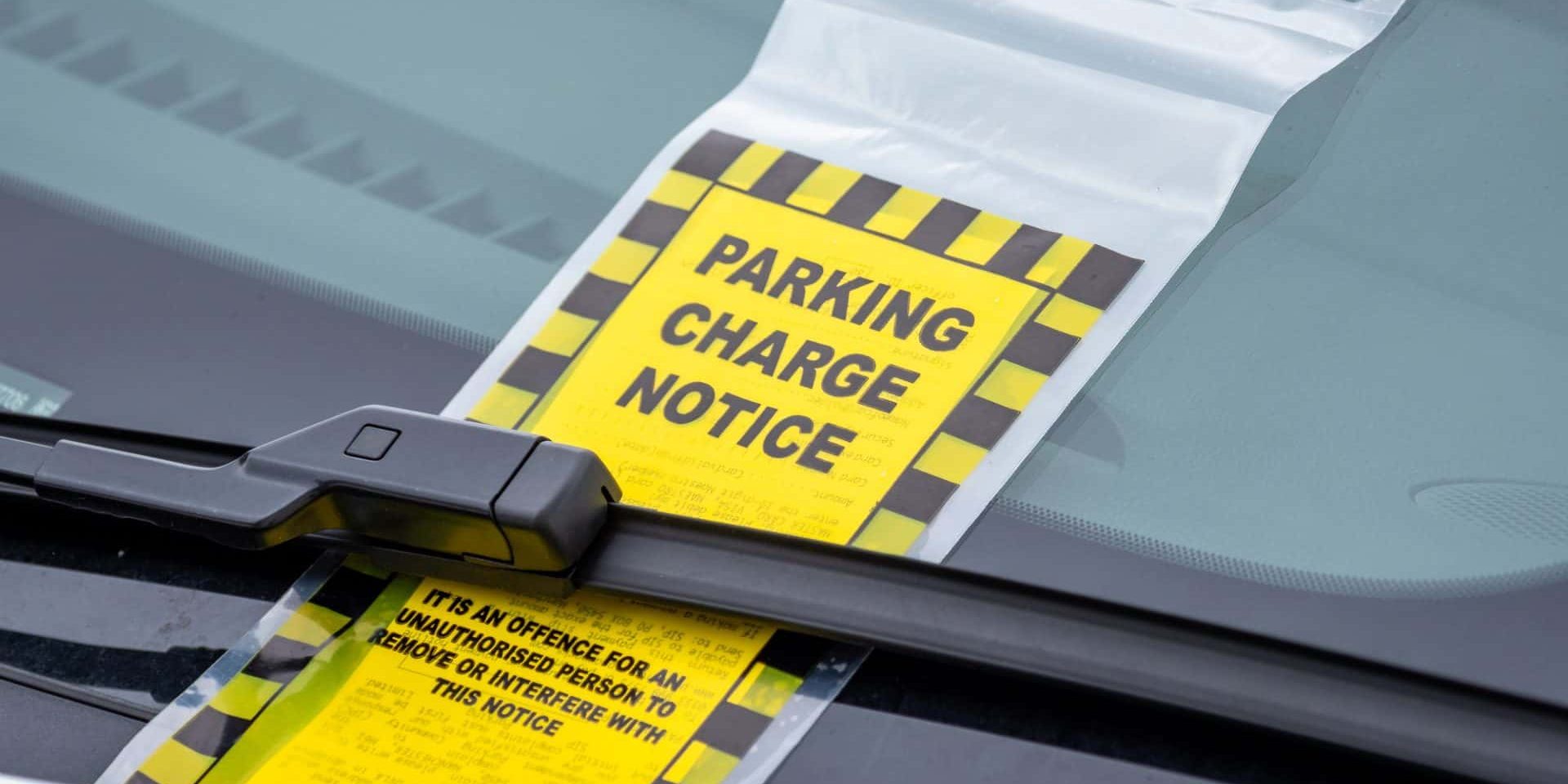
Start with the basic rule that councils never issue parking penalties by text or email out of the blue. A genuine council PCN is either attached to the vehicle in a yellow or white plastic wallet, given to you by a civil enforcement officer, or posted to the registered keeper’s address held by the DVLA. Private parking firms, which operate car parks at supermarkets, retail parks and hospitals, also send their charges by post, not by text.
Look closely at the link. Official services sit on gov.uk or on a council’s own web address, and a genuine address will not be a string of random letters or a shortened link hiding the real destination. Be wary of urgency, since the threat of a rising fine or imminent court action is designed to make you act before you think. Spelling slips, odd phrasing and a request for full card details on the first page are all warning signs. A real penalty charge always carries a unique PCN number, the vehicle registration, the date, time and place of the alleged contravention, and a formal route to pay or to challenge it.
One detail scammers lean on is the early-payment discount. Many councils do let you pay a reduced amount, often half, if you settle within 14 days, and the fraudsters borrow that genuine feature to make their demand feel authentic. The discount is real; the text message is not.
Why Drivers Are Falling for It
Parking fines are uniquely believable because almost everyone parks. Unlike a random message about a parcel or a tax rebate, a parking penalty feels plausible to any driver who was in town that week, and the small sum involved, often £35 to £70 after a discount, tempts people to just pay and move on rather than risk it growing. That combination of plausibility and low stakes is exactly what the scammers are counting on.
Councils across England have been forced to put out repeated warnings. Authorities including Lambeth, Lincolnshire, Kingston upon Thames, Telford, Ealing, North Hertfordshire and Uttlesford have all flagged the same fake PCN texts in recent months, and the York cases show the campaign is still active and moving from area to area. Which? has warned that the messages are becoming more convincing, with cleaner design and fewer obvious errors than earlier waves.
What To Do If You Receive One
Do not click the link, do not enter any details, and do not make a payment. If you are unsure whether you genuinely have an outstanding fine, ignore the text entirely and check directly with the council or car park operator using contact details you find yourself, never the ones in the message.
Report the text by forwarding it free of charge to 7726, the number that spells SPAM on a keypad and feeds reports to the mobile networks so they can block the senders. You can report scam websites to the National Cyber Security Centre, and fraud or attempted fraud to Action Fraud on 0300 123 2040, or to Police Scotland on 101 if you live in Scotland. Then delete the message.
If you have already clicked and entered card or bank details, contact your bank immediately, ideally using the number on the back of your card, and ask them to stop any payment and watch the account. The sooner you act, the better the chance of stopping a transaction or getting your money back. It is also worth changing any passwords you may have reused and keeping an eye out for further suspicious activity in the weeks afterward.
Finally, talk to less confident relatives, especially older drivers, who are often the prime targets of these campaigns. A quick conversation about the simple rule, that councils never text about parking fines, can save someone a painful loss. For more on parking entitlements and the rules that genuinely apply to drivers, see our guide to the Blue Badge scheme in 2026.
The fake PCN is only one face of a wider wave of motoring scams using the same playbook. Drivers have reported lookalike texts claiming an unpaid Dart Charge or Clean Air Zone toll, messages offering a fake DVLA refund on car tax, and notes left on windscreens pointing to bogus payment sites. They all rely on the same trick: a believable motoring charge, a sense of urgency, and a link that leads somewhere it should not. Once you recognise the pattern, every version becomes easier to dismiss, whatever official body it pretends to be.
It also helps to know how a genuine penalty charge actually works, so a real one does not catch you out. With a council PCN you can either pay, usually at the discounted rate within 14 days, or challenge it. The first step is an informal challenge to the council, followed if needed by a formal representation, and if that is rejected you can take the case to an independent adjudicator, the Traffic Penalty Tribunal in most of England and Wales or London Tribunals in the capital. None of that process ever starts with a text message demanding instant payment through a link.
Reporting matters more than people think. Every text forwarded to 7726 helps the networks identify and block the numbers behind a campaign, shrinking its reach for everyone else. If you spot a fake parking website, a report to the National Cyber Security Centre can get it taken down. These small actions, multiplied across thousands of recipients, are part of what eventually shuts a scam down, so it is worth the thirty seconds even when you were never going to be fooled yourself.
Sources:
- https://www.which.co.uk/news/article/scam-alert-new-parking-fine-scam-text-aj5wx1j3trT1
- https://www.york.gov.uk/news/article/1886/beware-texted-parking-fines-asking-for-payment-to-gov-uk
- https://www.lambeth.gov.uk/parking/parking-fines-and-penalty-charge-notices-pcns/penalty-charge-notices-pcns/scam-warning-fake-parking-fine-text-messages
- https://www.lincolnshire.gov.uk/news/article/2037/parking-penalty-scam-doing-the-rounds-again

Leave a Comment
More in News

Is It Illegal to Have Lights On in Your Car?

New Volvo XC60 and XC90 Plug-In Hybrids Offer Up to 78 Miles of EV Range

Electric Car Repairs Now Cost UK Drivers 19 Percent More Than Petrol Cars
What Actually Happens If You Skip a Car Service

Classic Car Owners Now Pay £154 a Year to Insure, Up 26 Percent
Trending on Motoring Chronicle
Your Driving Licence Is Going Digital This Year and You Will Carry It on Your Phone

2027 Porsche Taycan Gains Tesla-Style Charging and a Bigger Standard Battery

Seasonal Car Maintenance Checklist Essentials
Why Drivers Could Avoid an Autumn Fuel Duty Rise Despite Paying £3 Billion More at the Pumps
