
NHTSA Escalates Probe Into 135,551 Ford Fiestas and Focuses Over Engine Failures

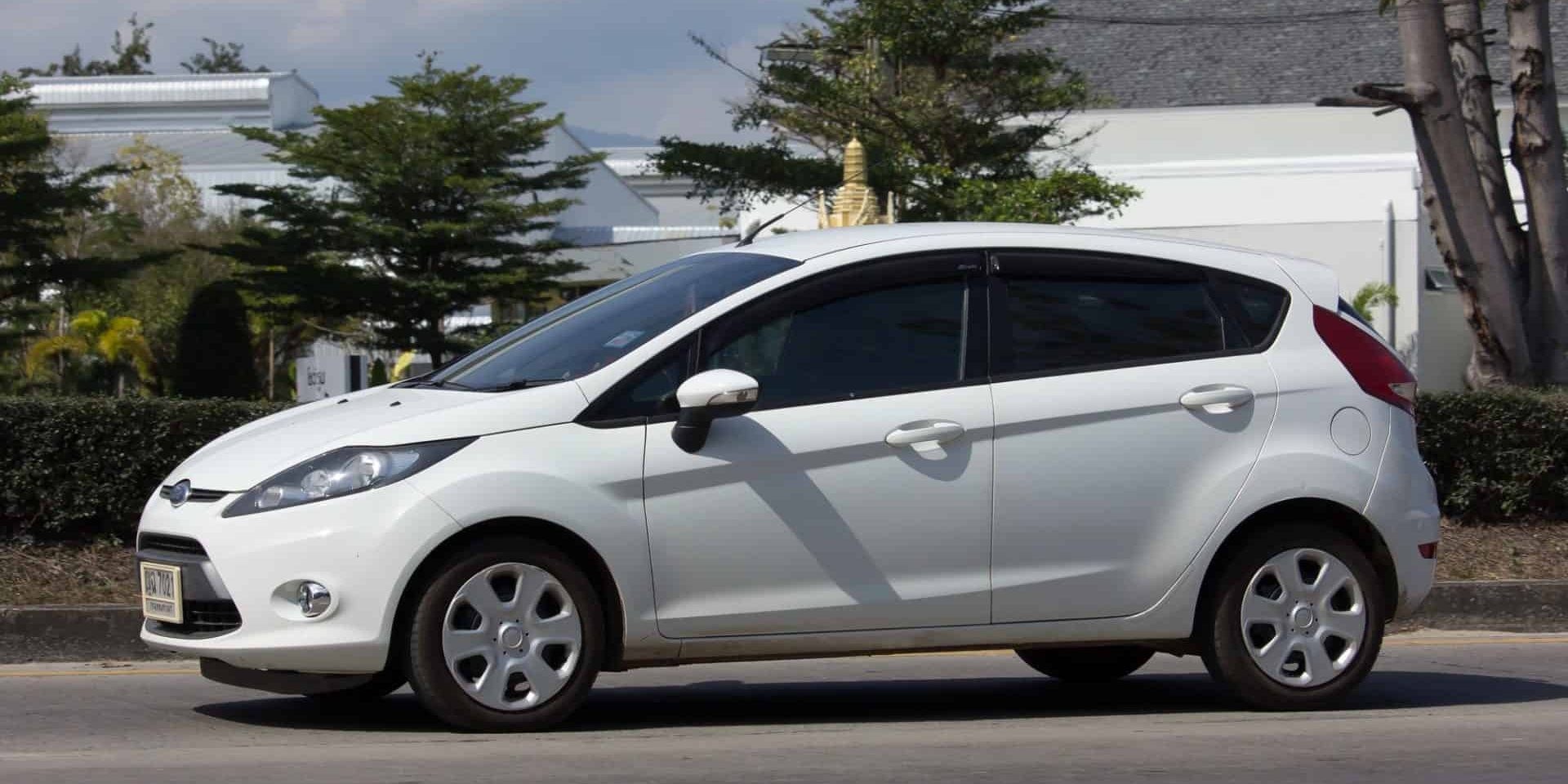
Owners of more than 135,000 Ford Fiestas, Focuses and EcoSports now have a federal safety agency telling them their engine could quit without warning. The National Highway Traffic Safety Administration escalated its investigation into the automaker’s 1.0-liter EcoBoost engine on August 4, ruling the defect poses an “unreasonable risk to motor vehicle safety” and opening an engineering analysis, the formal step that precedes a compelled recall.
What NHTSA Found
The probe covers 2015-2017 Fiestas and 2015-2018 Focuses with manual transmissions, plus 2018-2021 EcoSports and 2016-2018 Focuses with automatic gearboxes, all built with the turbocharged three-cylinder 1.0L I-3 EcoBoost. NHTSA’s Office of Defects Investigation opened the case in December 2025 after 44 owner complaints described a low oil pressure warning light followed almost immediately by a loss of power. Some drivers got no warning at all before the engine seized.
Investigators found the failures cluster around 70,000 miles on average, and 90 percent happen before 150,000 miles, the mileage at which Ford originally told owners to replace the belt. Regulators noted that failures showed up even in vehicles with documented, on-schedule oil changes, which ruled out poor maintenance as the sole explanation.
How a Timing Belt Kills an Engine
The 1.0L EcoBoost uses a “wet” timing belt that runs inside the engine, bathed in oil rather than sealed off like a conventional external belt. NHTSA’s testing found the belt material degrades over time and sheds debris into the lubrication system. That debris settles on the oil pump’s mesh pickup screen, and as it accumulates, oil flow to the engine narrows until it stops. Once oil pressure drops far enough, the engine can lose power on the road or seize entirely, sometimes with a dashboard light as the only warning.
A car built to sip fuel with a small three-cylinder engine now carries a defect that can strand a driver in traffic, and the investigation makes clear it is happening to vehicles serviced exactly as the owner’s manual instructed.
Ford’s Response and a Live Lawsuit
Ford issued a recall for engine oil pump failures on these vehicles in January 2024, then closed a separate NHTSA probe. Owners kept filing complaints and lawsuits, and the agency reopened its investigation. On June 2, 2026, Ford told NHTSA it would launch a customer satisfaction program covering the 1.0L Fox engine, cutting the recommended timing belt replacement interval from 150,000 miles to 100,000 miles or six years, and offering reimbursement to owners who already paid out of pocket for a failed pump or belt tensioner.
That has not settled the matter in court. A federal judge denied most of Ford’s motion to dismiss a class action on July 8, 2026, letting claims proceed that Ford knew about the defect and sold the vehicles anyway. Plaintiffs are seeking more than repair costs. Their claims cover the drop in resale value, towing bills and rental car expenses tied to the failures.
What To Do If You Own One
Check your vehicle identification number at nhtsa.gov/recalls or call the NHTSA Vehicle Safety Hotline at 1-888-327-4236 to confirm whether your Fiesta, Focus or EcoSport falls inside the affected build years and transmission types. If it does, contact a Ford dealer to have the timing belt inspected now rather than waiting for the 150,000-mile mark on the old schedule. Drivers who already paid to replace an engine, oil pump or belt tensioner over this issue should keep their repair receipts and contact Ford customer service about the reimbursement program launched in June.
Watch for a low oil pressure warning light as an early sign. NHTSA’s data shows it often appears seconds before a full loss of power, so pulling over immediately and having the vehicle towed rather than driven further can prevent a stranded engine from becoming a stranded engine on a highway shoulder.
What Happens Next
An engineering analysis gives NHTSA authority to pull in more testing and crash data before deciding whether to force Ford into a full recall covering all 135,551 vehicles, on top of the narrower 2024 action. Regulators have not set a timeline. Owners who want to track the case can search campaign records tied to the 1.0L EcoBoost oil pump investigation directly through NHTSA’s website, where updates post as the engineering analysis progresses.
The case adds to a rough stretch for Ford’s recall record. NHTSA has separately flagged do-not-drive warnings on other Ford campaigns this year, including a 2025 Transit brake pedal pushrod recall, a sign regulators are taking a harder line on defects that leave drivers without warning before something fails.
A Small Engine With a Long Complaint History
Ford introduced the 1.0L EcoBoost in the early 2010s as a fuel-saving alternative to a larger four-cylinder, pairing a small turbocharged three-cylinder with the kind of output drivers expected from a bigger motor. The engine won awards for efficiency in its first years on sale, but the wet timing belt design that helped keep it compact and light also placed the belt directly in the same oil circuit meant to protect the bottom end of the engine. That layout is uncommon among mass-market engines sold in the US, and it is the specific design choice investigators now point to as the root of the failures.
Ford has faced pressure on this engine before. A 2024 recall addressed oil pump failures directly, and the automaker’s decision to shorten the belt replacement interval by a third, from 150,000 miles down to 100,000 miles or six years, acknowledges that the original maintenance schedule left too much room for debris to build up before service. Owners who bought the car expecting a 150,000-mile service interval, and budgeted accordingly, are now being told that timeline was too long from the start.
How This Compares With Ford’s Other 2026 Safety Actions
NHTSA data shows the agency logged roughly 300 recalls across the industry in 2026, and Ford accounts for a disproportionate share of the highest-severity do-not-drive warnings this year. Those include a Takata airbag inflator campaign covering more than 457,000 older Mustang, Fusion, Ranger and Edge models, a Bronco Sport and Maverick lower control arm recall affecting roughly 4,600 vehicles, and the Transit brake pedal pushrod recall from earlier this year. The 1.0L EcoBoost engineering analysis has not yet reached do-not-drive status, but the pattern across these campaigns points to a company facing sustained regulatory scrutiny across multiple, unrelated vehicle systems at the same time.
Common Questions From Owners
Drivers considering a used Fiesta, Focus or EcoSport from the affected model years should ask any seller directly whether the timing belt has been replaced and request maintenance records. A car with unknown service history and higher mileage carries real risk under this defect, as failures cluster well before the original 150,000-mile mark. Buyers should also check whether a prior owner already filed a reimbursement claim under Ford’s June 2026 customer satisfaction program. That status typically transfers with the vehicle’s service record rather than resetting for a new owner, so a buyer could inherit either a documented fix or an unresolved risk depending on what the paperwork shows.
Owners deciding whether to keep driving the car while waiting for a dealer appointment should treat any oil pressure warning light as a reason to stop and arrange a tow rather than continuing home or to work. NHTSA’s complaint data shows the failure can progress from warning light to full power loss within seconds, leaving little time to react once the light comes on.
How Many Drivers This Actually Touches
The 135,551 vehicles under review span seven model years and two body styles built on the same small-engine platform, meaning most affected cars are now between five and eleven years old and likely well past their original warranty coverage. That timing is significant for owners comparing repair costs against the value of the car itself. A full engine replacement on a vehicle this age can approach or exceed what the car is worth on the used market, which is exactly the scenario Ford’s reimbursement program and the pending class action lawsuit are both aimed at addressing from opposite directions, one through direct repayment and the other through the courts.
Sources:

Leave a Comment
More in News

Why Brake Fluid Needs Changing Every Two Years (and What It Costs)
Why Your Car Pulls to One Side (and What a Wheel Alignment Costs)

How to Tell if a Slow Puncture Is Repairable (and What It Costs)

How to Check and Top Up Your Car Coolant Without Damaging the Engine

What a New DVLA Eyesight Test Could Mean for 6 Million Older Drivers
Trending on Motoring Chronicle

Honoring a legend: 20 years of Veyron celebrated with Le Petit Tour Alsace & during the Bugatti Festival

Why brakes squeal on cold mornings

Nissan Recalls 3,788 New Leaf EVs After a Child Seat Belt Test Failure

Motorway Fuel Stops Cost UK Drivers Up to £14 More a Tank, CMA Reveals
