What Every UK Driver Needs to Know Now the Digital Driving Licence Is Live
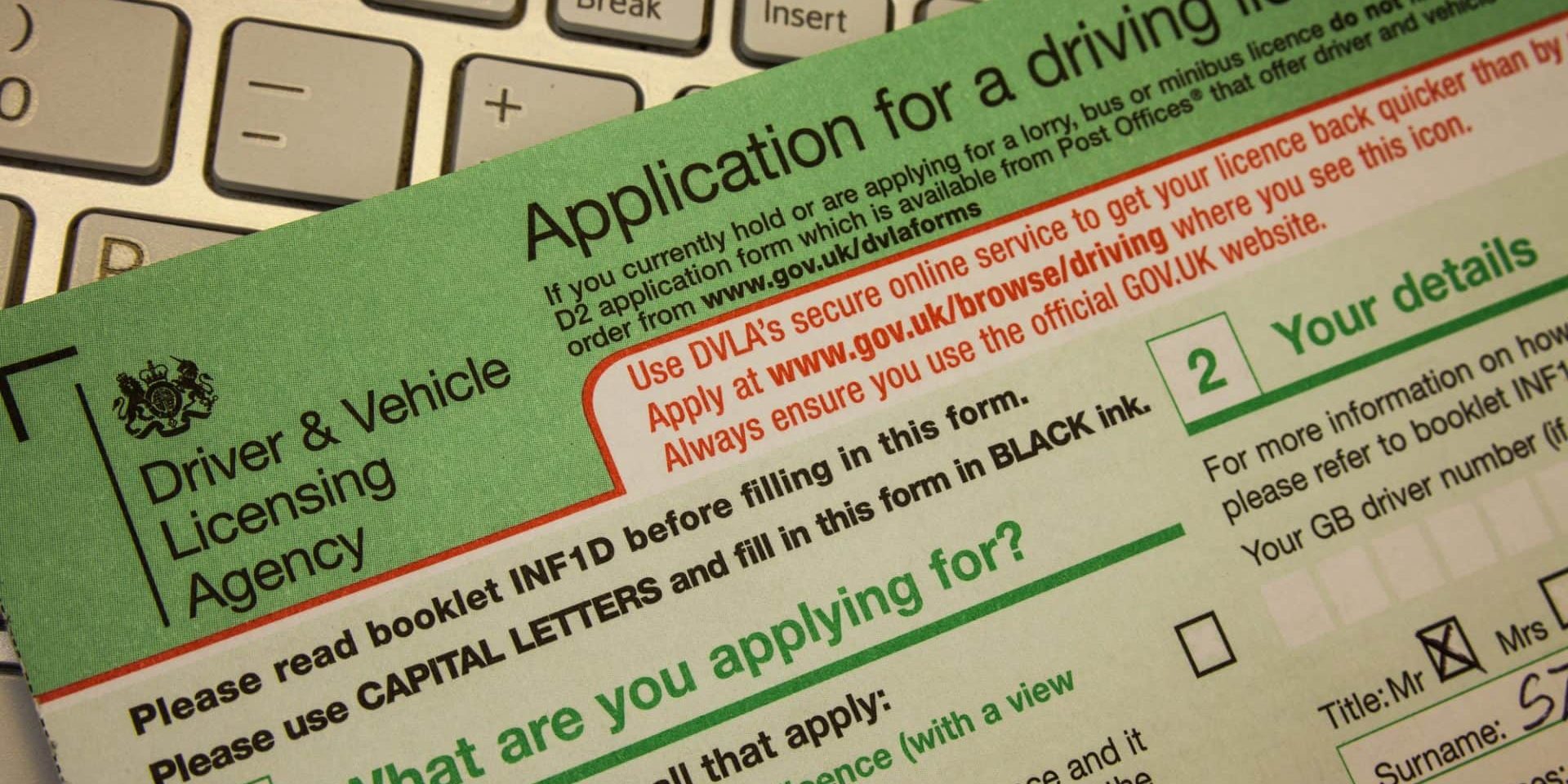
- A digital version of the driving licence is now rolling out to the public through the GOV.UK Wallet app, following a wider expansion that began in August.
- Police can scan a QR code on the app to check your entitlements and endorsement history on the spot, but the digital licence is not yet accepted for hiring or driving a car abroad.
- Drivers whose name, address or medical details are out of date on their DVLA record can be fined up to £1,000, a rule that predates the app but is easy to overlook until more people start opening their record to set it up.
Your Licence Is About to Live on Your Phone
After a private trial with a small group of government and DVLA staff that began in December 2025, the digital driving licence has moved into wider public rollout across England, Wales and Scotland following an expansion of the service in August. Drivers can now download the GOV.UK One Login app, verify their identity, and store a digital copy of their licence inside the GOV.UK Wallet, sitting alongside other documents the government plans to add over time, including the digital Veteran Card. Nothing about this is compulsory. Physical photocards remain valid until at least 2030, and the digital version exists as an optional extra rather than a replacement.
What the App Actually Does at the Roadside
The practical difference shows up if you are ever stopped by police. Rather than handing over a plastic card for an officer to read, they can scan a secure QR code generated inside the app, which brings up your licence validity, driving entitlements and endorsement history in one go. That is more information than an officer can pull from a quick look at a photocard, and it happens without you needing to remember a licence number or produce a paper counterpart.
The app is also being built to show MOT reminders and car tax status alongside the licence itself, so drivers checking one thing in the wallet can see the others without opening a separate government service. Transport Secretary Heidi Alexander has described the wider rollout as a change intended to “put power back in the hands of the people” who currently have to carry a physical card as their main form of driving ID.
Where It Will Not Help You Yet
The digital licence is not currently accepted for hiring a car or driving abroad. Most countries and international car hire firms still expect to see a physical photocard, and in some cases a paper counterpart or international driving permit as well, so anyone travelling for a driving holiday or a hire car abroad should keep their plastic card in their wallet rather than relying on their phone. Within the UK, the digital licence works for identity checks and for proving your driving entitlement, but it is also worth noting that UK driving licences are not supported through Apple Wallet or Google Wallet. The only place it lives is inside the official GOV.UK Wallet, built into the GOV.UK One Login app, so drivers looking for it in their phone’s native wallet app will not find it there.
The Existing Rule That Catches People Out
Setting up the digital licence means logging into your DVLA driver record for the first time in years for many people, and that is where an older rule tends to catch drivers out. The DVLA can fine drivers up to £1,000 for failing to keep their licence details correct, including a current home address and accurate medical information. This rule is not new and applies whether or not you use the app, but industry figures have flagged it as worth checking, as the digital rollout is pushing more people to open their driver record for the first time in years, often discovering an old address or an out of date medical declaration still on file. Cherie Carter, a director at Indigo Car Hire, has urged drivers to treat the switch as a reason to check their details rather than assuming the DVLA will flag any problems for them.
How the Wallet Fits Into a Wider Digital ID Push
The driving licence is not the first document to move into the GOV.UK Wallet, and it will not be the last. A digital Veteran Card launched first, already used by an estimated two million eligible people to display their credentials on a phone rather than carrying a physical card. Original government plans set out a mobile driver’s licence pilot for 2025, followed by a wider expansion of services onto the platform through to the end of 2027, eventually including documents such as DBS checks. For drivers, the near-term addition to watch for is MOT and car tax status appearing inside the same wallet, meaning a single app could eventually show whether your car is legally allowed on the road alongside whether you are legally allowed to drive it.
How to Get Set Up and What to Check First
To add your licence, download the GOV.UK One Login app and follow the identity verification steps, which typically involve scanning your existing photocard and taking a selfie to match against it. Some first time users will need to complete additional DVLA approved identity checks if their details cannot be matched automatically. Before you start, log into your existing Driver and Vehicles account at gov.uk and double check that your name, current address and any medical conditions you are required to declare are all correct and up to date, as these are the details that will carry across into the digital version and the same details the DVLA can fine you over if they are wrong. It is also worth confirming your email address and phone number are current on the account, as the DVLA is using these to send updates as the rollout continues through the rest of 2026 and into 2027, when the government expects the wider GOV.UK Wallet programme to be fully established across its services.
For most drivers, there is no urgency to switch over immediately. The photocard keeps working exactly as before, and the digital version is there for whenever you decide it is convenient. But given that setting it up means opening a DVLA record that many people have not looked at in years, it is worth treating the process as a chance to catch and fix any details before they turn into a fine rather than a convenience. Anyone who has moved house, changed their name or developed a medical condition affecting their driving after their photocard was last updated should treat this as the moment to bring their record up to date, rather than waiting for a routine renewal letter that could take years to arrive. It costs nothing to log in and check, and it takes far less time than dealing with a fine and a fresh application after the DVLA flags a mismatch further down the line.
Sources:

Leave a Comment
More in News
How to Check a Used Car for Outstanding Finance Before You Lose Thousands

Why Chinese Electric Cars Save Buyers £7,500 but Could Cost Them Thousands at Resale
Every Electric Car Driver Without a Driveway Pays 20 Percent Tax From October 1
Every Tenth Driver Risks a £2,500 DVSA Fine by Skipping MOTs to Save Cash
How to Tell if Your Brake Pads Need Replacing Before Your MOT
Trending on Motoring Chronicle
What Dorchester’s Plan to Drop Almost Every Road to 20mph Means for Drivers

Bristol Employers Could Pay Up to £1,250 a Year to Park Staff Cars
Rolls-Royce Phantom Arabesque: World’s first laser-engraved bonnet honours Middle East’s architectural heritage
Used Electric Car Owners Are Losing Up to £15,000 in Resale Value This Year