
Toyota and Lexus Recall 81,893 Vehicles Over Dashboards That Can Go Blank
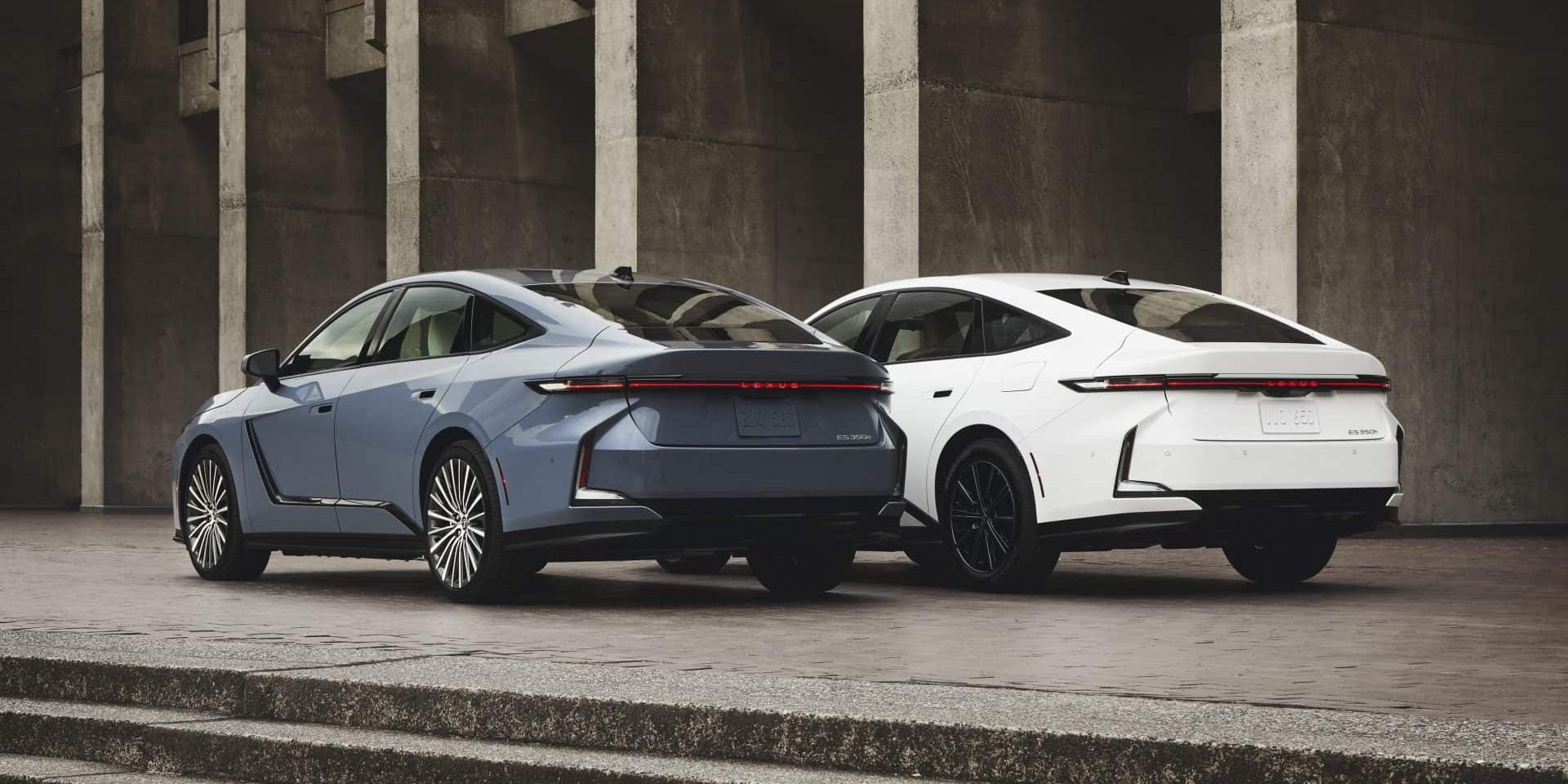

Toyota and Lexus are recalling 81,893 vehicles in the United States because a software fault can leave part of the digital instrument cluster blank when you start the car, hiding warning lights a driver is supposed to see. The fix is a free software update at the dealer, and owners can confirm whether their vehicle is included right now by entering their VIN at nhtsa.gov/recalls. The campaign is logged with federal regulators as NHTSA recall 26V341.
This one is easy to underrate because nothing falls off and nothing catches fire. But the gauge cluster is how your vehicle tells you something is wrong, and a screen that does not fully wake up at startup can swallow the exact alerts that warn of low oil pressure, an overheating engine, or a charging fault. Here is what is happening, which models carry the defect, and what to do about it.
What Goes Wrong With the Display
The affected vehicles use a 12.3-inch combination meter, the large digital screen that replaces traditional analog gauges directly in front of the driver. According to the recall filing, a software error can cause portions of that meter to fail to display during startup. The blank areas are not random clutter; they can be the regions where critical indicators and warning messages appear.
That means a driver could climb in, start the vehicle, and never see an alert for oil pressure, coolant temperature, or the electrical charging system, even when the underlying problem is real and active. A warning light exists to prompt action before a small fault becomes a breakdown or a crash. If the light cannot render, the driver loses the early notice that something needs attention, and may keep driving on a failing system without knowing it.
There is an added layer on the hydrogen-powered Toyota Mirai. On that model, the meter may also fail to display a loss-of-isolation warning, a safety check specific to its fuel cell powertrain that flags an electrical isolation problem. Missing that alert removes a safeguard unique to hydrogen vehicles. In every case the root cause is the same software behavior at startup, and the remedy is a software update rather than a hardware swap.
Which Models Are Affected
The recall spans four model lines across the Toyota and Lexus brands, totaling 81,893 vehicles. The Toyota Land Cruiser Hybrid makes up the bulk of the campaign at 40,157 units across the 2024 and 2025 model years. The 2024 Lexus GX accounts for 32,215 vehicles. The 2025 Lexus UX Hybrid adds 9,165 units, and the 2024 Toyota Mirai is the smallest group at 356 vehicles.
The common thread is the shared 12.3-inch digital cluster and its software, not a single platform, which is why the list mixes a body-on-frame SUV like the GX, the rugged Land Cruiser Hybrid, the compact UX Hybrid, and the hydrogen Mirai. Toyota notified its dealers about the defect on May 27, 2026, and owner notification letters are scheduled to mail in phases between July 12 and July 26, 2026. Because it is a phased rollout, the letter may arrive at different times for different owners, which is another reason not to wait for the mail.
It is worth separating this from other recent Toyota and Lexus news. This campaign is strictly about the instrument display software and does not involve the engine, brakes, or suspension. If your VIN comes back clear for 26V341, this particular issue does not apply to your vehicle, though the same lookup will surface any other open recalls you may have missed.
What Owners Should Do
Confirm first, then schedule. Enter your 17-character VIN at nhtsa.gov/recalls or call the NHTSA Vehicle Safety Hotline at 1-888-327-4236 to see whether your Toyota or Lexus is included. Your VIN is on the lower driver’s side of the windshield, on your registration, and on your insurance card. Toyota and Lexus owners can also check through the manufacturer’s own owner portals using the VIN.
Once your vehicle is confirmed, dealers will update the combination meter software at no charge once you bring the vehicle in. There is no part to wait on in the way a mechanical recall requires, since the fix is a reflash of the meter software, so the appointment should be relatively quick. As with any recall, the repair is free regardless of warranty status and whether or not you bought the vehicle new.
In the meantime, drive with extra awareness of the cluster. When you start the vehicle, glance at the full screen and make sure the gauges and indicator area light up and render completely. If a section stays dark or the display looks incomplete, treat that as a prompt to get the update done sooner and to be cautious about relying on the cluster for warnings. Because the defect can hide alerts for oil pressure, coolant temperature, and the charging system, pay attention to other symptoms too, such as unusual engine temperature, odd noises, or hard starting, and have the vehicle checked if anything seems off.
Why a Blank Gauge Cluster Is a Safety Issue
As cars have shifted from physical needles and bulbs to full digital screens, the instrument cluster has become a piece of software that can fail like any other software. Federal safety standards require certain telltales and warnings to be visible to the driver, which is why a display that does not show them is treated as a compliance and safety problem rather than a cosmetic glitch. This Toyota and Lexus campaign sits alongside a string of 2026 recalls across multiple brands tied to instrument clusters going blank or failing to render, a reminder that the digital dashboard is now a safety component in its own right.
The practical takeaway for owners of these four models is that a free software update closes the gap, and the only way to know if you need it is the VIN check. Software recalls tend to have lower completion rates than dramatic mechanical ones, partly because the symptom is intermittent and easy to ignore, so it is worth acting even though the car feels fine. Drivers comparing recent recalls on other popular family vehicles can also review the Subaru Forester moonroof recall covering tens of thousands of SUVs.
In short, 81,893 Toyota and Lexus vehicles can boot up with part of the gauge cluster blank, the repair is a free software update, and confirming whether yours is affected takes one minute at nhtsa.gov/recalls. Check the VIN, watch the screen at every startup, and book the update once you confirm.
It helps to know what the appointment will actually look like. A software recall like this one is a reflash, meaning the dealer connects the vehicle to a diagnostic tool and loads corrected code onto the meter module. There is no part to order and no body or mechanical work, so the visit is usually shorter than a typical recall repair, though you should still expect to leave the vehicle for part of the day during a busy recall period. Ask the service advisor to confirm the meter software version after the update so you have a record that the fix was applied.
After the work is done, verify the result yourself. Start the vehicle a few times and watch the full cluster boot up, checking that the gauges, the indicator area, and any warning telltales render completely with no dark patches. If you ever see the display fail to fully populate again, return to the dealer and reference the recall campaign number. Keep the repair paperwork with your service records, because a documented recall completion can help at resale and reassures a future buyer that the safety fix was handled. Owners who lease should make sure the update is logged before the vehicle goes back, so the returned car carries no open recalls.
Sources:
- https://www.howtogeek.com/ford-honda-toyota-others-june-2026-recalls/
- https://www.bizzycar.com/blog/may-2026-toyota-lexus-recall-for-combination-meter-display-software-affecting-81893-vehicles
- https://www.nhtsa.gov/recalls

Leave a Comment
More in News

Car Repair Prices Rose 0.9% in October After Gains of 1.4% and 0.6%

2026 Recalls Reach 34.8 Million Vehicles, 19% Above All of 2025

What Lenders Tell Car Finance Complainants on 18 November as 37 Percent of Agreements Qualify

Theon Design Reveals Its 419bhp Air-Cooled Porsche 911 With Commissions From £435,000
Peugeot Adds ENVY Trim to the 208 From £23,115 and the 2008 From £26,165
Trending on Motoring Chronicle
How to Tell if a Slow Puncture Is Repairable (and What It Costs)

2027 Toyota Corolla Adds 60th Anniversary Edition, Prices Start at $23,325
How Los Angeles New Speed Camera Program Works and Where the 125 Cameras Are

Car Insurance Fronting Now Risks a Voided Policy for Half of UK Drivers
