
2027 Volkswagen Atlas Gains 282 HP and Better Fuel Economy Ahead of Fall Launch


Volkswagen has confirmed the fuel economy figures for the 2027 Atlas, and the takeaway for buyers is a three-row SUV that now makes more power while using slightly less fuel. The updated Atlas arrives this fall with 282 horsepower and an EPA-estimated rating of up to 25 mpg combined, giving families a clearer picture of running costs before order books open.
Volkswagen of America released the ratings from its Reston, Virginia headquarters, confirming that the new engine improves on the 2026 model by up to 2 mpg on the highway and combined cycles. For a vehicle that many households use for daily commuting and long road trips, that change adds up across a year of driving.
A More Powerful Atlas Engine for 2027
At the center of the update is a new 2.0-liter EA888 evo5 turbocharged and direct-injection four-cylinder TSI engine. It produces 282 horsepower and 258 lb-ft of torque, which Volkswagen says is the most power ever fitted to an Atlas. The figure represents a gain of 13 horsepower over the outgoing version, a useful step for a large SUV that often carries seven occupants and luggage.
The extra output should help when merging onto highways, overtaking, or climbing grades with a full load. Volkswagen has paired the engine with an eight-speed automatic transmission, carried over from the previous generation, which keeps shifts smooth in everyday driving. A hybrid version is planned to join the range later, arriving with the model’s midcycle refresh, for buyers who want still lower fuel use.
What the Fuel Economy Numbers Mean for Owners
The EPA-estimated ratings split by drivetrain. Front-wheel-drive versions of the 2027 Atlas return 22 mpg city, 29 mpg highway, and 25 mpg combined. Models fitted with the optional 4Motion all-wheel-drive system return 20 mpg city, 27 mpg highway, and 23 mpg combined.
Those figures put the Atlas in a competitive position among large three-row SUVs, where combined ratings in the low-to-mid 20s are common. The improvement of up to 2 mpg over the 2026 car may look small on paper, but across 12,000 miles a year it trims the number of fill-ups and reduces annual fuel spending. Drivers who cover long highway distances will see the clearest benefit, since the highway rating is where the new engine gains the most.

Front-Wheel Drive or 4Motion All-Wheel Drive
As before, front-wheel drive and the eight-speed automatic are standard across the lineup, which helps keep the entry price down and delivers the better fuel economy figures. Buyers in regions with snow, or who tow and travel off the paved road, can add 4Motion all-wheel drive across the range. The trade-off is the expected drop of about 2 mpg in each EPA category, a typical penalty for the added traction and hardware.
For many families, the choice will come down to climate and use. A household in a milder state that mostly drives on highways may find front-wheel drive the more economical pick, while buyers in the snow belt will likely value 4Motion through the winter.
How the 2027 Atlas Fits the Midsize SUV Market
The Atlas competes in one of the most contested parts of the American market, lining up against three-row rivals such as the Honda Pilot, Toyota Highlander, Kia Telluride, and Hyundai Palisade. Power and fuel economy are only part of the decision for buyers in this class, who also weigh cabin space, seat comfort, and warranty, but the 2027 update keeps the Atlas current on both measures.
Volkswagen sells the Atlas alongside the two-row Atlas Cross Sport, and the pair anchors the brand’s family-SUV range in the United States. The company said further details, specifications, and pricing will be announced ahead of the fall launch. Until then, the confirmed power and economy figures give shoppers an early reference point as they compare the Atlas with the rest of the segment.
Buyers who want the lowest possible fuel use may prefer to wait for the planned hybrid, but for those who need a three-row SUV this year, the 2027 Atlas pairs its strongest engine yet with running costs that have moved in the right direction.

Leave a Comment
More in News

How to Remove Moisture From Inside Your Headlight Before It Costs You £500
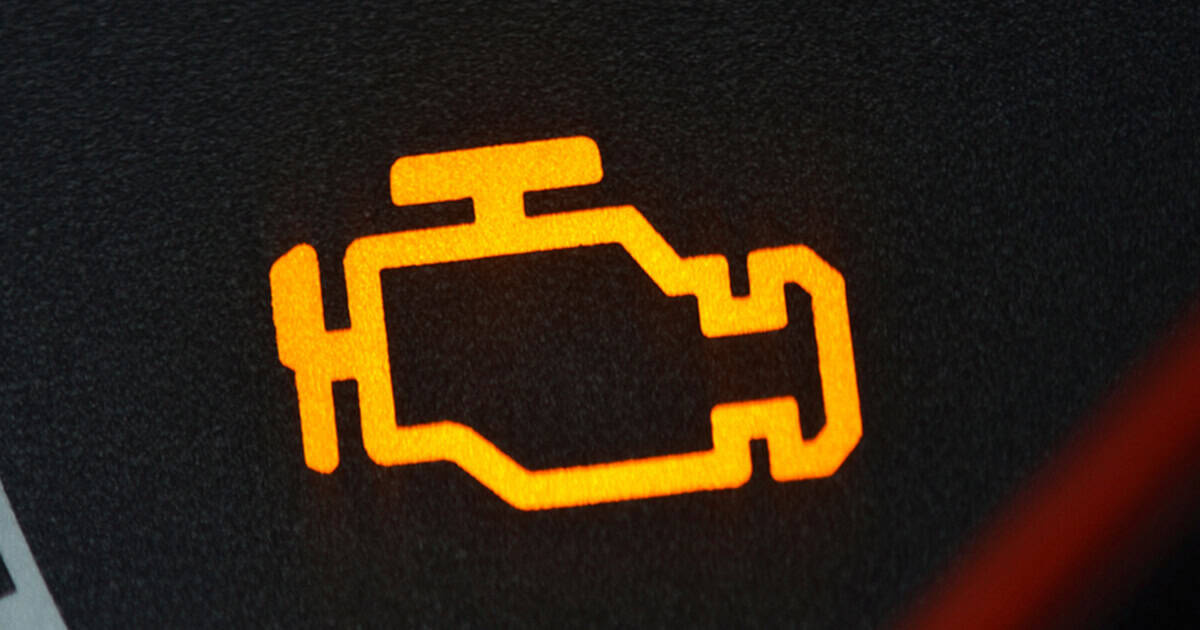
What Red and Amber Warning Lights Actually Mean (and Which Fail an MOT)

How to De-Ice Your Windscreen Fast Without Cracking It (and Staying Legal)

New Cars Face Euro 7 Rules From 29 November With a £264 Price Rise
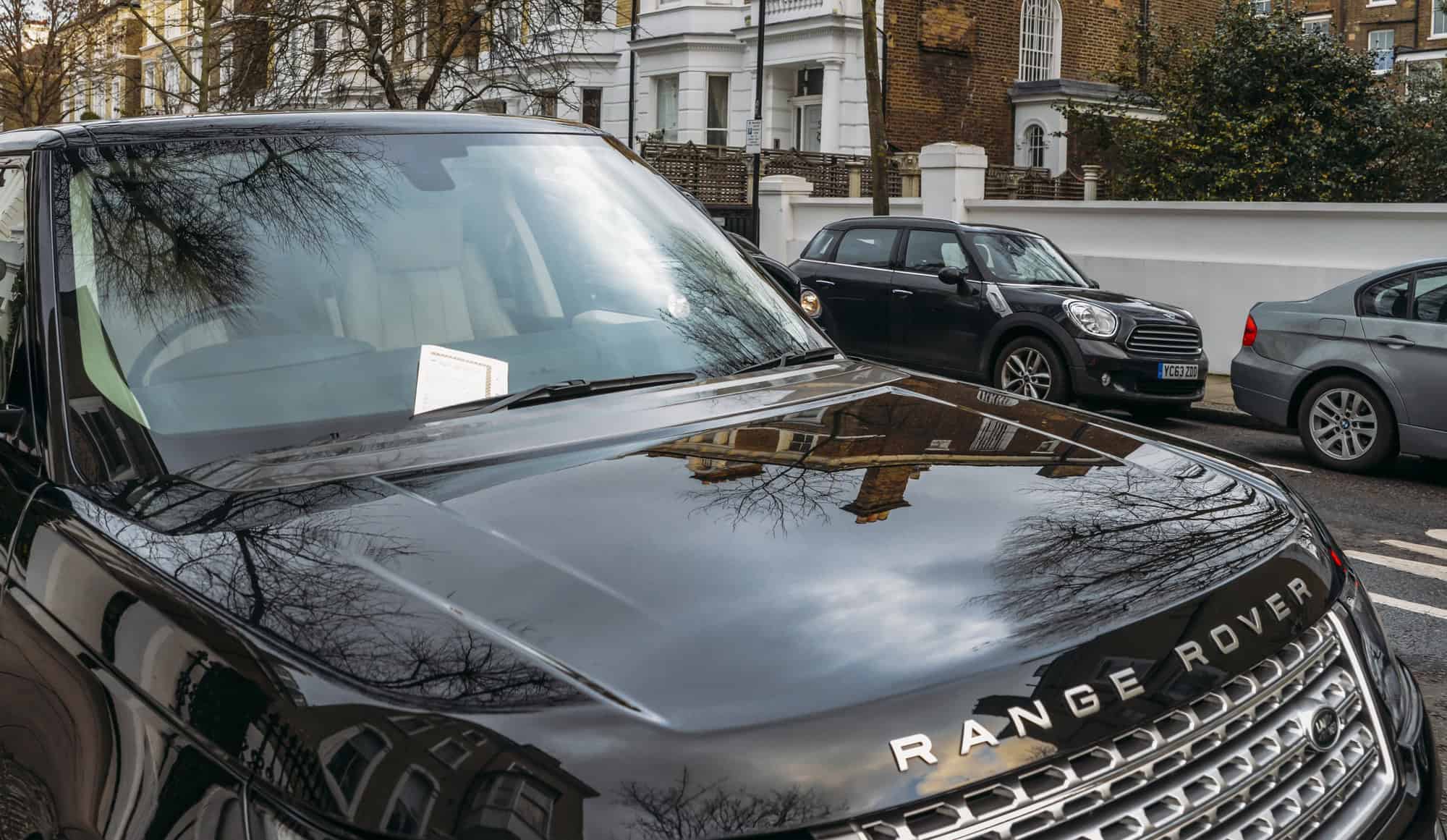
What the Traffic Penalty Tribunal’s 33 Percent Success Rate Means for Every Driver
Trending on Motoring Chronicle
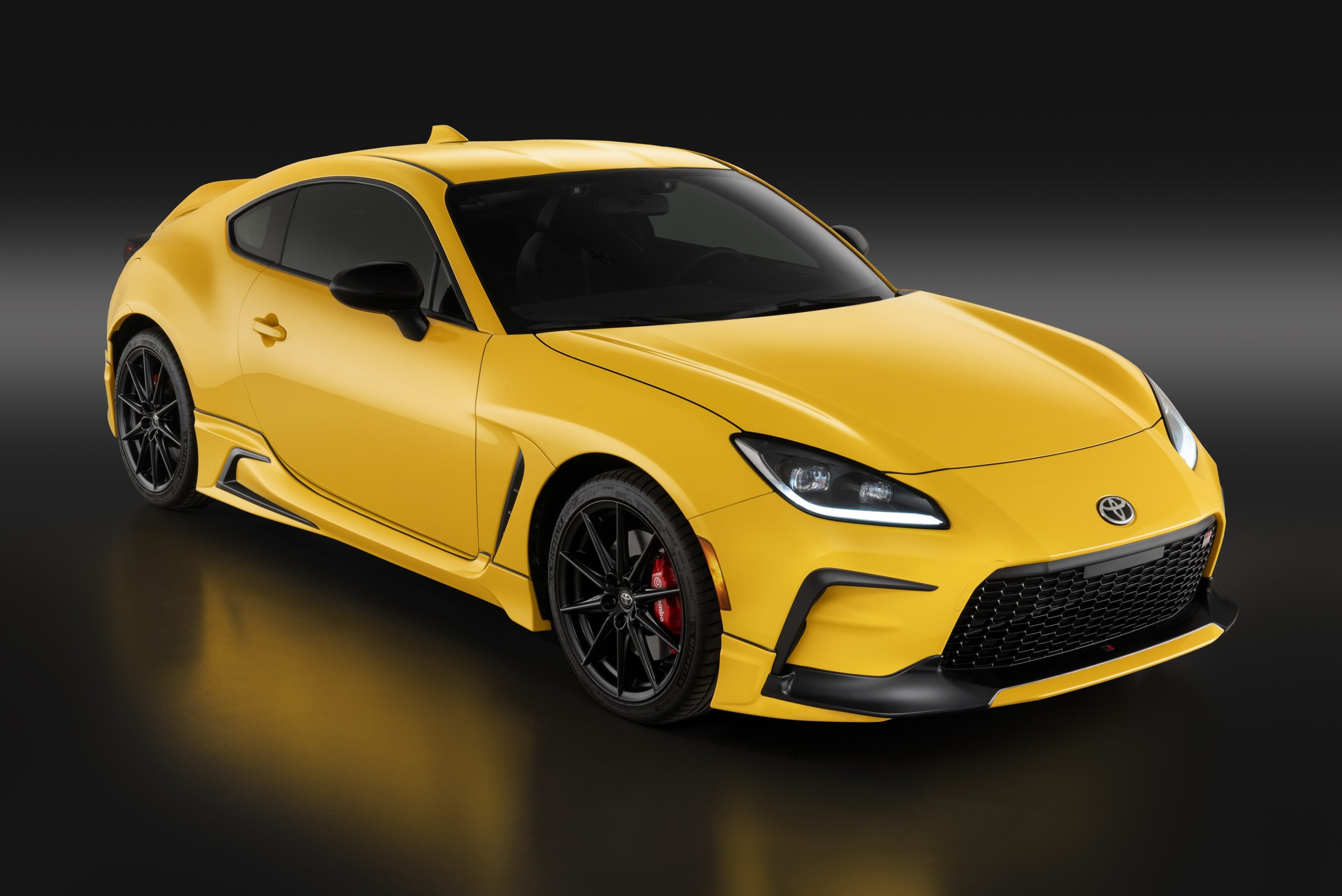
Toyota Brightens the City Streets with New GR86 Yuzu Edition [Photo Gallery]

2027 Kia K5 Priced From $27,690 as EX Trim Is Discontinued
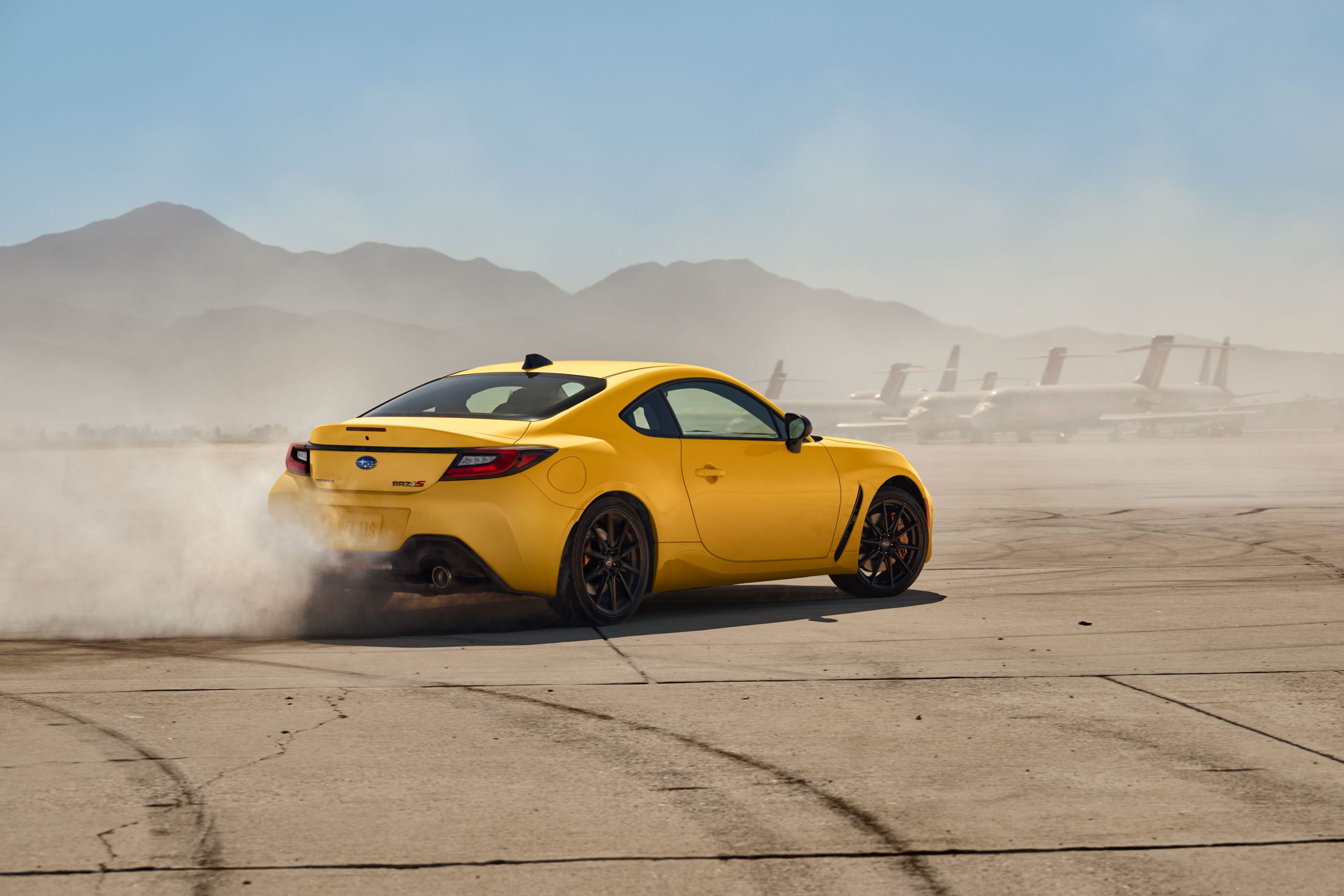
Subaru BRZ earns third consecutive spot on Car and Driver 2026 Editors’ Choice List
Councils Never Contested Most of the Parking Tickets They Lost on Appeal
