How to Challenge a Yellow Box Junction Fine as Councils Bank £60 Million a Year

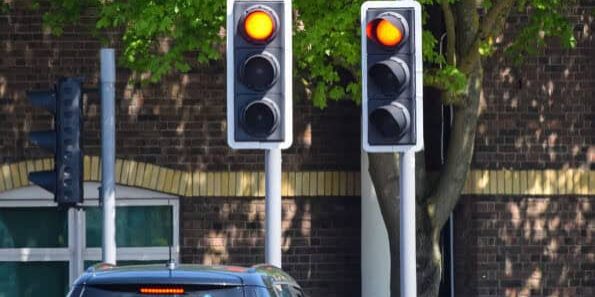
Councils in England are pulling in tens of millions of pounds a year from drivers who stray into a yellow box junction or take a banned turn, and a large share of those drivers did nothing they could reasonably have avoided. Analysis of the cameras now watching junctions across the country suggests local authorities make around £60 million a year from yellow box and no-entry penalties alone, on top of the sums raised from bus lanes. If a Penalty Charge Notice with a photo of your car sitting in a yellow grid has landed on your mat, it is well worth knowing that you can challenge it, often successfully.
The penalties are civil, not criminal, and the appeal system is free to use. Drivers who push back on clear grounds win a meaningful proportion of cases, yet most simply pay because the paperwork looks official and the early-payment discount makes giving up feel like the cheaper option. Here is how the enforcement works, why so many of these fines are unfair, and how to fight one.
The rules councils are enforcing
Since 2022, councils across England outside London have been able to apply for powers to enforce so-called moving traffic contraventions using cameras, without a police officer present. London boroughs have held these powers for far longer. The list of catchable offences includes entering a yellow box junction when your exit is not clear, making a banned turn, driving into a no-entry street, performing an illegal U-turn and ignoring a one-way restriction.
The financial scale is large and growing. Around a million bus-lane Penalty Charge Notices are issued each year, worth an estimated £68 million, and yellow box and no-entry penalties add roughly £60 million more. Outside London, a Penalty Charge Notice typically costs around £70, halved if you pay within the early window. In London the charge can reach £160. Multiply a single busy junction by thousands of vehicles a day and it is easy to see why critics accuse some councils of treating enforcement as a revenue stream rather than a safety measure.
Why so many yellow box fines are unfair
The rule on yellow box junctions, set out in Rule 174 of the Highway Code, is simpler than many drivers think. You must not enter the box until your exit road or lane is clear. There is one important exception: you may move into the box and wait when you want to turn right, and the only thing stopping you is oncoming traffic or other vehicles also waiting to turn right.
The problem is that real junctions rarely behave neatly. A driver can enter a box with a clear exit ahead, only for the car in front to stop unexpectedly, for a pedestrian to step out, or for traffic lights downstream to change and back everything up. In each case the driver is technically stationary in the box, the camera records a contravention, and a notice follows, even though the blockage was beyond the driver’s control. Campaigners and some MPs have argued that a number of these junctions are poorly designed or badly marked, and that drivers are being penalised for congestion they did not cause. Several yellow boxes have been found to be incorrectly painted or larger than the rules allow, which can render a fine invalid.
How to challenge a fine, step by step
The appeals process has clear stages, and using them costs nothing but a little time.
- View the footage first. Every camera-issued PCN comes with access to the video or images online. Watch it before you decide anything. It will show whether your exit was actually clear when you entered and what forced you to stop.
- Make an informal challenge. If you believe the fine is wrong, write to the council promptly setting out why. Do this within the early-payment window where possible, and ask them to freeze the discount deadline while they consider it. Many councils cancel weak cases at this stage.
- Submit formal representations. If the council rejects the informal challenge and issues a Notice to Owner, you can make formal representations against it on the official grounds.
- Take it to the tribunal. If the council still refuses, you can appeal for free to an independent adjudicator: the Traffic Penalty Tribunal for England outside London, or London Tribunals for the capital. The adjudicator is independent of the council, and if they find in your favour the fine is cancelled.
The grounds that actually work
Strong appeals tend to rest on a handful of arguments. The contravention did not occur, for example you only stopped in the box because the vehicle ahead halted without warning after you had committed to a clear exit. The signs or road markings were missing, faded or did not comply with the regulations, which can include a yellow box painted larger than permitted. The penalty exceeded the amount that applies. Or there was a procedural error, such as a notice issued outside the correct time limits. Photographs of poor markings, a dashcam clip, and the council’s own footage are all useful evidence.
It helps to be specific and unemotional. Adjudicators decide on the facts and the law, not on how unfair the situation felt. Set out exactly what happened, point to the relevant ground, and attach your evidence. The same discipline that wins these appeals also applies to the broader rise in camera penalties, from box junctions to the bus lane fines councils now bank by the tens of millions.
What to do right now
If you regularly drive through a junction with a yellow box, treat it with respect even when the road ahead looks clear. Hang back until you are confident you can pass straight through, and never edge in behind a car that might stop. When turning right, you are allowed to wait in the box, but only while oncoming traffic is the sole obstacle.
And if a notice does arrive, do not assume it is unbeatable. Watch the footage, check the markings, and challenge it if the facts are on your side. With councils raising around £60 million a year from these penalties, the system relies on most drivers paying quietly. The drivers who look closely, and appeal when the fine is wrong, are the ones who get their money back.
Some junctions have become notorious. A handful of yellow boxes in London and other cities have each generated hundreds of thousands of pounds in penalties in a single year, prompting questions over whether they are there to keep traffic moving or simply to catch drivers out. Where a box is oversized, faded or sited just beyond a set of lights that regularly backs traffic up, the case for the driver is strong, and councils have quietly refunded large batches of fines when markings were found to breach the rules.
Keep a dashcam running if you drive through such a junction often. A few seconds of footage showing that your exit was clear when you entered, and that you stopped only because the vehicle ahead halted, is frequently enough to overturn a penalty at the tribunal stage. Note the date, time and direction, and request the council’s own camera footage so you can compare the two. The more precise your evidence, the harder it is for an adjudicator to side with the authority.
Act within the deadlines, because they are tight. The discounted rate usually lasts only 14 days from the notice, and the window to make formal representations is short once a Notice to Owner is served. Missing a date can cost you the discount or, worse, see the penalty escalate and pass to enforcement agents. If you intend to challenge, say so in writing at once and ask the council to confirm it will hold the discount open should your appeal fail, which many will.
Sources:
- https://www.northumberlandgazette.co.uk/lifestyle/cars/councils-make-ps60m-a-year-from-yellow-box-and-no-entry-fines-2946456
- https://www.gov.uk/government/publications/the-highway-code/general-rules-techniques-and-advice-for-all-drivers-and-riders-103-to-158
- https://www.trafficpenaltytribunal.gov.uk/

Leave a Comment
More in News

Newcastle Drivers Paid £3.7 Million in Parking Enforcement as Council Income Jumps 23 Percent

Coventry Drivers Paid £5.4 Million in Parking Charges as Council Surplus Jumps 80 Percent

What Your Rights Actually Are When a Garage Overcharges or Botches a Repair
£625 Million of Detected Motor Fraud Costs Honest Drivers, ABI Figures Show

BYD Dolphin-G review: UK’s first plug-in hybrid supermini is a winning package
Trending on Motoring Chronicle

What the Scrapped Four Year MOT Plan Means for Every Car Owner

Mercedes-Benz thrills with historic parade on the hill climb circuit at the Goodwood Festival of Speed 2024 [Photo Gallery]

A Four Door Electric Porsche Has Just Lapped The Nurburgring In 6:55

Volkswagen Amarok Dark Label Special Edition Costs From £47,870