
Councils Banked Over £80 Million in Bus Lane Fines as Camera Penalties Surge

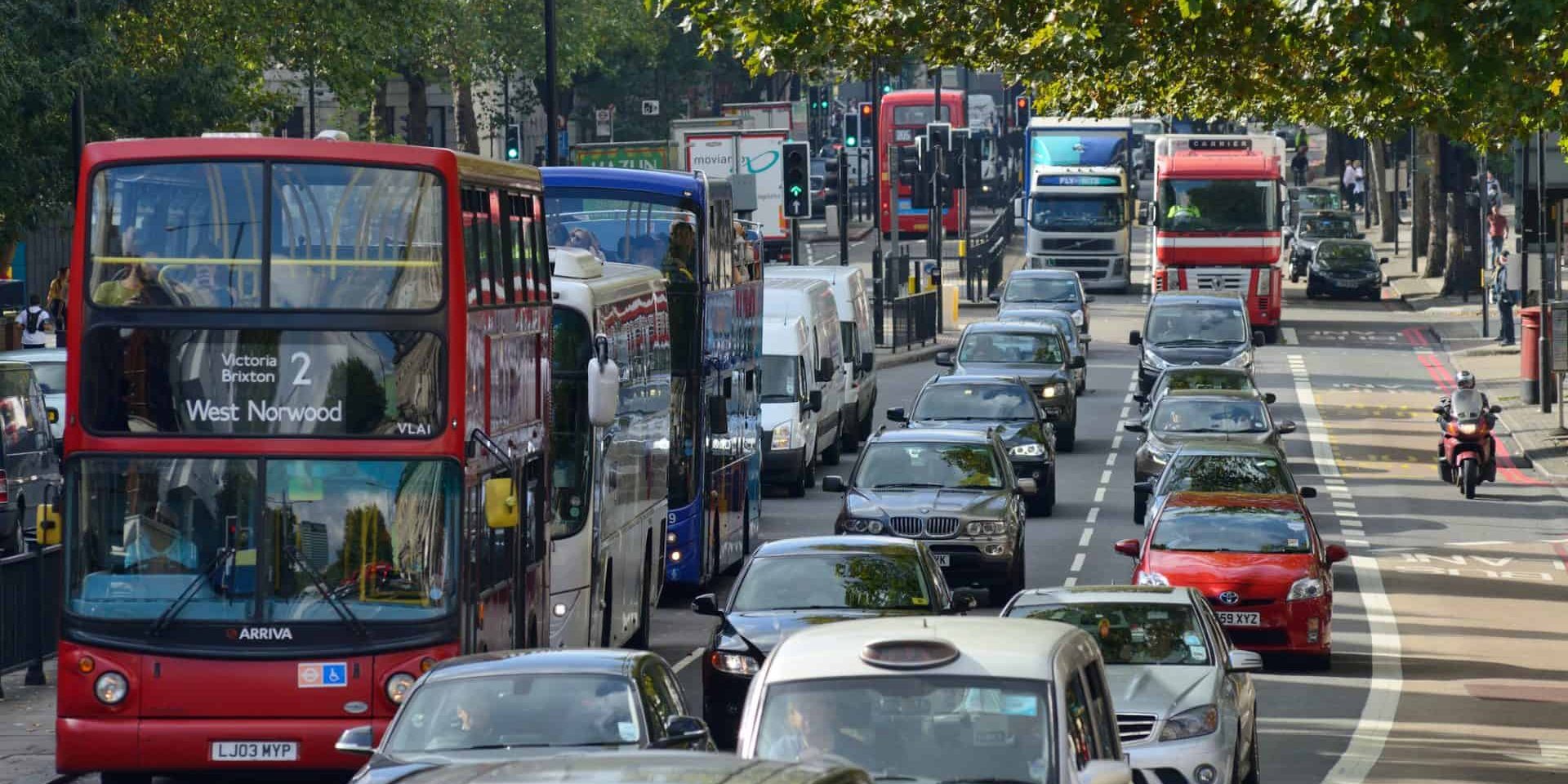
If you have drifted into a bus lane for a few seconds to get around a parked van, or nudged into one a fraction before the operating hours ended, you are exactly the kind of driver councils are now catching in record numbers. Local authorities across England are banking eye-watering sums from bus lane cameras, with some single councils raising six-figure totals from one short stretch of road, and the enforcement net is widening fast in 2026 as more authorities switch on cameras for box junctions, banned turns and yellow box markings. Here is what is driving the surge, how the fines work, and how to challenge one if you believe it was issued unfairly.
How Much Drivers Are Paying
The numbers from individual councils show just how lucrative camera enforcement has become. On one stretch in Gateshead, High West Street, more than 10,000 bus lane penalty charge notices were issued in a single year between April 2024 and March 2025. Durham County Council collected more than 160,000 pounds from around 4,100 fines, while South Tyneside raised over 103,000 pounds from roughly 6,000 penalties. In larger cities the totals run far higher, with one authority issuing more than 227,000 bus lane fines in twelve months. Reports tracking the national picture have put the combined annual take from bus lane penalties in the tens of millions of pounds, and the figure has climbed steadily as cameras multiply.
For the driver on the receiving end, the cost depends on where you are caught. Outside London, a bus lane penalty charge notice is commonly 60 pounds, cut to 30 pounds if you pay within 14 days and rising to around 90 pounds if you ignore it past 28 days. In London the standard penalty is higher, reaching up to 160 pounds, again with a 50 per cent discount for prompt payment. Unlike a speeding ticket, a bus lane fine carries no penalty points and is a civil matter, not a criminal one, so it will not put points on your licence. That is small comfort if you rack up several before you even realise a camera has caught you.
Why So Many Drivers Are Being Caught in 2026
The expansion is being powered by a change in who is allowed to enforce road rules. Under powers in the Traffic Management Act 2004, the government has been handing councils outside London the ability to enforce what are called moving traffic contraventions, which include driving in a bus lane, entering a yellow box junction when the exit is not clear, ignoring no-entry signs and making banned turns. For years only London boroughs and a handful of other authorities could issue these fines using cameras. Now dozens more councils have applied for and received the powers, and many switched their cameras on through 2024 and 2025, with more going live this year.
That is a problem for an ordinary driver because a junction or bus lane you have used for years without consequence can suddenly become a camera-enforced trap, often with little more than new signage to warn you. Most councils run a short grace period of warning letters when a new camera first goes live, typically a few weeks, before real fines begin. After that, the penalties flow automatically. The cameras run day and night and need no officer present, which is why a single location can generate thousands of fines in a matter of months.
Critics, including some motoring groups, argue that a portion of these fines come from confusing layouts, poor signs or bus lanes that operate only at certain times of day, catching drivers who made an honest error rather than a deliberate one. Councils counter that bus lanes keep public transport moving and that the rules are clearly marked. Both things can be true at once, which is why so many fines are challenged, and why a meaningful share are overturned on appeal. This pattern echoes the wider rise in automated enforcement we have covered in our report on new traffic cameras catching drivers making banned turns.
How to Challenge a Bus Lane Fine
You do not have to simply pay up if you think a bus lane penalty charge notice was wrong. The civil enforcement system has a formal appeals route, and using it correctly can get a fine cancelled. The trade-off is that challenging usually means losing the early-payment discount while you wait, so weigh the case first.
- Look at the evidence. Almost every enforcing authority publishes online footage or photographs of the alleged contravention. Enter your PCN number and vehicle registration on the council website to view the clip. Check whether you were actually in the bus lane, and whether it was within its operating hours.
- Check the signs and timing. Many bus lanes only operate at peak times. If the restriction did not apply at the moment you drove through, or the signs were missing, obscured or unclear, that is a strong ground for appeal.
- Make an informal challenge first. Within the first 14 days you can usually make an informal representation to the council explaining why the fine is wrong. If they agree, the matter ends there.
- Escalate to a formal representation. If the council rejects your informal challenge and issues a Notice to Owner, you can submit a formal representation. If that is refused, you receive a Notice of Rejection that tells you how to appeal to an independent tribunal.
- Go to the independent adjudicator. Outside London this is the Traffic Penalty Tribunal, and in London it is London Tribunals. The adjudicator is free to use, independent of the council, and can cancel the fine. Many drivers win at this stage, particularly where signage or evidence is weak.
Keep every letter, screenshot the camera footage, and note the dates. A council that cannot produce clear evidence, or that relies on poorly placed signs, is on weak ground in front of an adjudicator.
How to Avoid the Fine in the First Place
Prevention is simpler than appeal. Treat any solid white line marking a bus lane as a hard boundary and only cross it where the line becomes dashed, which indicates you may enter to turn or pass an obstruction. Read the time plate on bus lane signs carefully, because a lane that is restricted only between 7am and 10am is open to all traffic outside those hours. Be especially careful in unfamiliar town centres and around new developments, where moving traffic cameras are most likely to have appeared recently. If your sat nav or a mapping app warns of a camera or restriction, take it seriously rather than assuming the layout is the same as last time you visited.
It is also worth checking your post regularly and keeping your address up to date with the DVLA. Because bus lane fines arrive by letter rather than on the spot, drivers who have moved house or who are slow to open mail can miss the discount window and end up paying the full amount, or face escalation to bailiffs if the notice goes unanswered entirely.
What Happens Next
The direction of travel is clear. More councils will gain moving traffic enforcement powers through 2026, more cameras will go live, and the total raised from drivers will keep rising. Authorities are legally required to spend any surplus from these fines on transport and road projects rather than general spending, but for the individual driver that is academic. The practical reality is that a momentary lapse at a junction or bus lane now carries a near-certain financial penalty in a growing number of towns and cities. Knowing the rules, reading the signs and challenging any fine that looks unfair are the best defences a driver has.
Sources:
- https://www.gbnews.com/lifestyle/cars/drivers-bus-lane-fines-local-councils
- https://www.gbnews.com/lifestyle/cars/drivers-slapped-fines-councils-north-east
- https://www.citizensadvice.org.uk/scotland/law-and-courts/parking-tickets/charge-notices-for-driving-in-a-bus-lane/
- https://www.kandoo.co.uk/guides/bus-lane-fines-what-drivers-miss

Leave a Comment
More in News
English Councils Banked a Record £1.1 Billion From Every Driver’s Parking Fines Last Year
How DVLA Promises 99% of Licences in Three Days After Admitting Services Fall Short
What to Do in a Motorway Breakdown (and When to Stay Inside)

How to Jump Start a Car Safely (and What a New Battery Costs)

Every Driver Gets Five Minutes Grace as Government Freezes Parking Charges at £100
Trending on Motoring Chronicle

Chery Extends Seven-Year Warranty Cover to More Parts for All UK Owners
Tesla Sued and Federally Probed After a Model 3 Killed a Woman Inside Her Home

Every Part-Worn Tyre Checked in a Police Sting Broke the Law

DfT Bans Calling Cars Self-Driving From January 2027 With Two Year Prison Risk
