
How New York Is Putting Speed Cameras in Nearly Every Work Zone
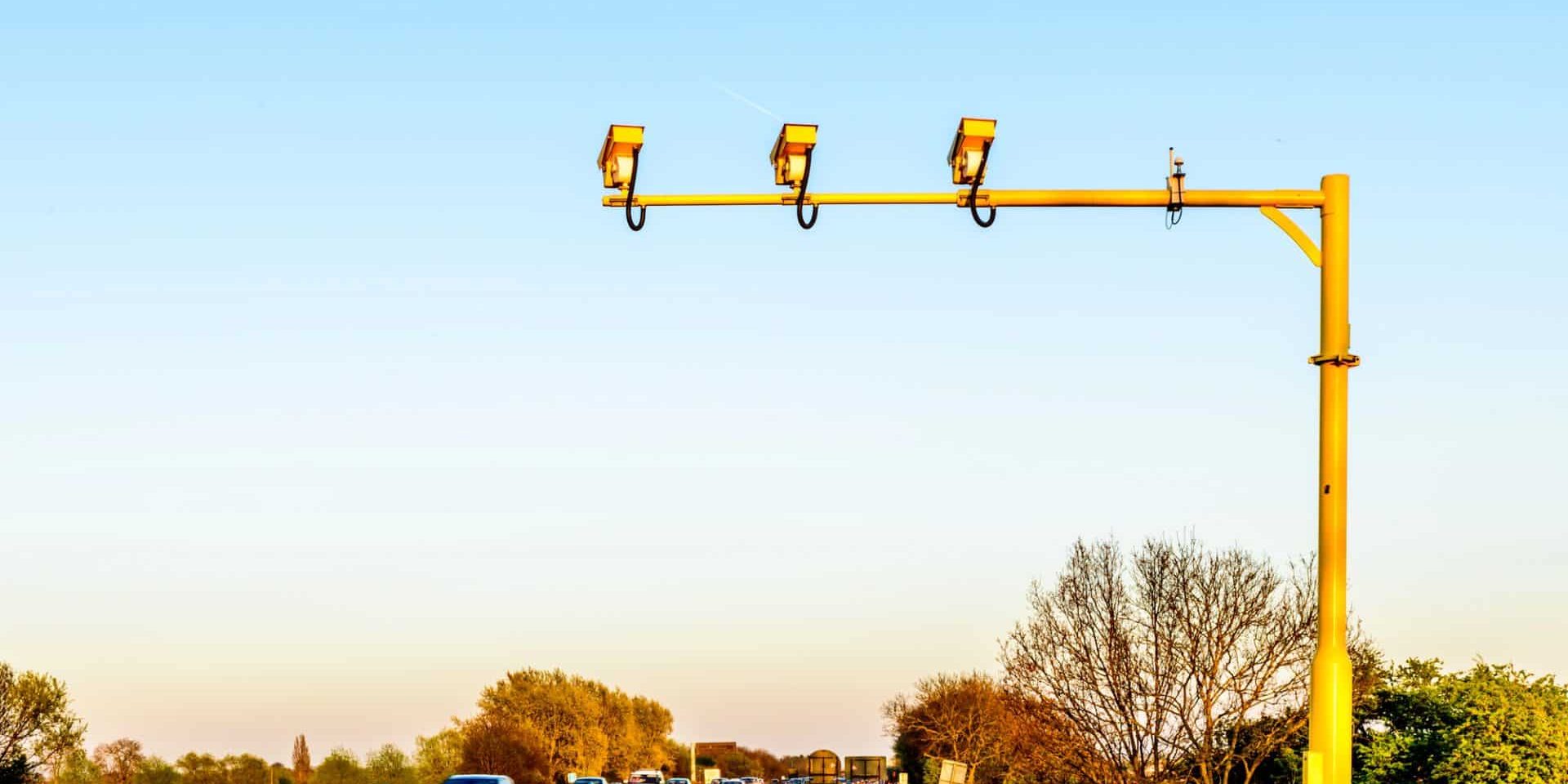
New York has opened the door for automated speed cameras to appear in almost any active highway construction zone in the state, not just the limited stretches of controlled-access highway the program has covered from 2023 onward. State transportation officials announced the change this week, and it marks the widest expansion of work-zone camera enforcement the state has made yet.
The shift comes from an amendment to state Vehicle and Traffic Law included in the 2026 state budget, which broadened the list of roads where the Department of Transportation can legally deploy the cameras. Under the old rules, DOT and Thruway Authority crews could only run cameras on controlled-access highways such as interstates and the Thruway. Now the agency can place cameras in work zones across the state road network it oversees, which covers a far larger share of the roads New Yorkers actually drive every day.
What Changed and Why New York Made the Move
The Automated Work Zone Speed Enforcement program began in 2023 with cameras limited to a small set of work zones on controlled-access highways. It grew in 2024 to cover Metropolitan Transportation Authority bridges and tunnels along with New York State Bridge Authority crossings, but deployments run directly by DOT and the Thruway Authority stayed confined to controlled-access roads until now. The 2026 budget amendment removes that restriction for DOT’s own construction zones statewide.
DOT Commissioner Marie Therese Dominguez said the program has already changed how people drive, pointing to a 30 percent reduction in vehicle speeds inside work zones equipped with cameras. Thruway Authority Executive Director Frank G. Hoare said the lower speeds translate directly into safer conditions for the crews working feet away from live traffic, a group that faces some of the highest occupational injury risk of any road job in the state.
Work zones remain some of the most dangerous stretches of New York’s roads for both drivers and construction crews. State figures show 666 crashes occurred in work zones on DOT-owned roads in 2024, resulting in 30 injuries and two deaths. Those numbers sit behind the political case for widening the camera program: officials argue that a driver’s habit of easing off the gas near a marked zone with a visible camera saves lives, even if a driver never receives a single ticket.
How Big the Program Has Already Gotten
Through May 31 of this year, the program recorded more than 55,000 camera deployments across DOT and Thruway roads. Those deployments captured more than 500,000 notices of liability sent to registered vehicle owners, while more than 8 million vehicles passed through monitored work zones over the same stretch. The scale of that enforcement is part of why the state is confident enough in the technology to widen where it can be used.
Unlike a red-light camera or a standard speed camera tied to a fixed intersection, work-zone units in New York move with the work. Crews set up mobile units at active construction sites, run them while workers are present, and relocate them as projects finish or shift to new phases. That mobility is exactly what the new law is meant to support: a camera can now legally follow a paving crew or a bridge repair team onto a state road that would have been off-limits to the program a year ago.
New York is not alone in pushing camera enforcement into construction zones this year. California’s own work-zone speed camera law took effect in January 2026, covering active Caltrans construction sites, and Washington State has been adding units with a goal of roughly 15 cameras running by 2027, including new coverage planned for the eastern part of the state. The pattern across all three programs is the same: transportation departments have decided that a camera parked where drivers can see it changes behavior faster and more consistently than an officer who cannot be everywhere at once.
What a Violation Actually Costs
New York’s work-zone camera violations are civil penalties tied to the registered owner of the vehicle, not points on a license. A first offense carries a fifty dollar fine. A second violation within 18 months of the first jumps to seventy-five dollars, and a third or later violation in that same 18-month window costs a hundred dollars, with late fees added on top if the bill goes unpaid. These are non-moving infractions, so they do not appear on a driver’s record and are not reported to insurance companies, which sets them apart from a standard speeding ticket issued by an officer.
Cameras only trigger a citation when a vehicle is recorded traveling more than 10 miles per hour over the posted work-zone limit. A registered owner who lives in New York State should expect a notice of liability by mail within 14 business days of the violation, while an out-of-state owner has up to 45 business days before the notice arrives. Drivers can contest a citation, and the state’s online payment and appeal portal walks owners through the process of either paying the fine or disputing it with supporting evidence.
\For repeat offenders, the escalating fine structure is designed to catch attention before a driver becomes a habitual risk to road crews. A single fifty dollar fine rarely changes behavior on its own, which is part of why the state built in the eighteen-month window: a driver who racks up three violations in that span is paying a hundred dollars each time, plus late fees, and repeated notices arriving in the mail tend to land harder than the abstract idea of a camera somewhere down the road. State officials have pointed to the drop in measured speeds as evidence the escalating structure is doing its job, even without points or an insurance surcharge attached.
What Drivers Should Do Now
The practical takeaway for anyone driving in New York is simple: treat every marked work zone as a zone with an active camera, even on state roads that never had one before. The posted limit through a work zone is enforceable the moment a crew and a camera unit are on site, and the state is no longer required to stick to interstates and the Thruway to make that enforcement stick.
Drivers who want to avoid a fine should slow to the posted work-zone limit as soon as they see the orange signage, not just when they spot the camera itself, as units can be positioned anywhere along the marked stretch. Anyone who receives a notice of liability and believes it was issued in error can dispute it through the state’s payment portal at ny.gov/services/pay-work-zone-speeding-fine, which lists both the payment and the appeal process. Keeping a photo or note of the date and location of any construction zone a driver passes through can help if a dispute becomes necessary later.
Commercial fleets and delivery drivers have a bigger reason to pay attention than a typical commuter. A company running dozens of vehicles through the same construction corridor every week can rack up notices quickly once cameras go active on roads that were previously clear, and each notice ties back to whoever the vehicle is registered to, not the individual behind the wheel that day. Fleet managers who route drivers through state road construction zones would do well to check current DOT project maps before assuming a familiar route is still camera-free. A corridor that had no cameras last month could have one running by the time a truck passes through again.
The larger point for New York drivers is that the state has signaled it intends to keep expanding automated enforcement rather than scale it back. Officials have consistently cited the measured drop in work-zone speeds as proof the cameras work as intended, and each new construction season gives DOT another opportunity to add coverage under the broader authority the 2026 budget granted. Drivers who adjust their habits now, rather than after a citation arrives, are the ones least likely to feel the financial effect of the expansion.
Sources:
- Fingerlakes1.com: New York expands work-zone speed cameras to more state roads
- New York State Department of Transportation

Leave a Comment
More in News
English Councils Banked a Record £1.1 Billion From Every Driver’s Parking Fines Last Year
How DVLA Promises 99% of Licences in Three Days After Admitting Services Fall Short
What to Do in a Motorway Breakdown (and When to Stay Inside)

How to Jump Start a Car Safely (and What a New Battery Costs)

Every Driver Gets Five Minutes Grace as Government Freezes Parking Charges at £100
Trending on Motoring Chronicle

Why Hazard Lights Now Trigger Move Over Rules in More States

What Does Sport Mode Do on a Car?

Half of UK Drivers Renewing Car Insurance Are Quoted More Than New Customers

Gas Prices Hit an All-Time Labor Day Record at $4.14 a Gallon
