
Xpeng G6 review: Another serious rival for the Tesla Model Y
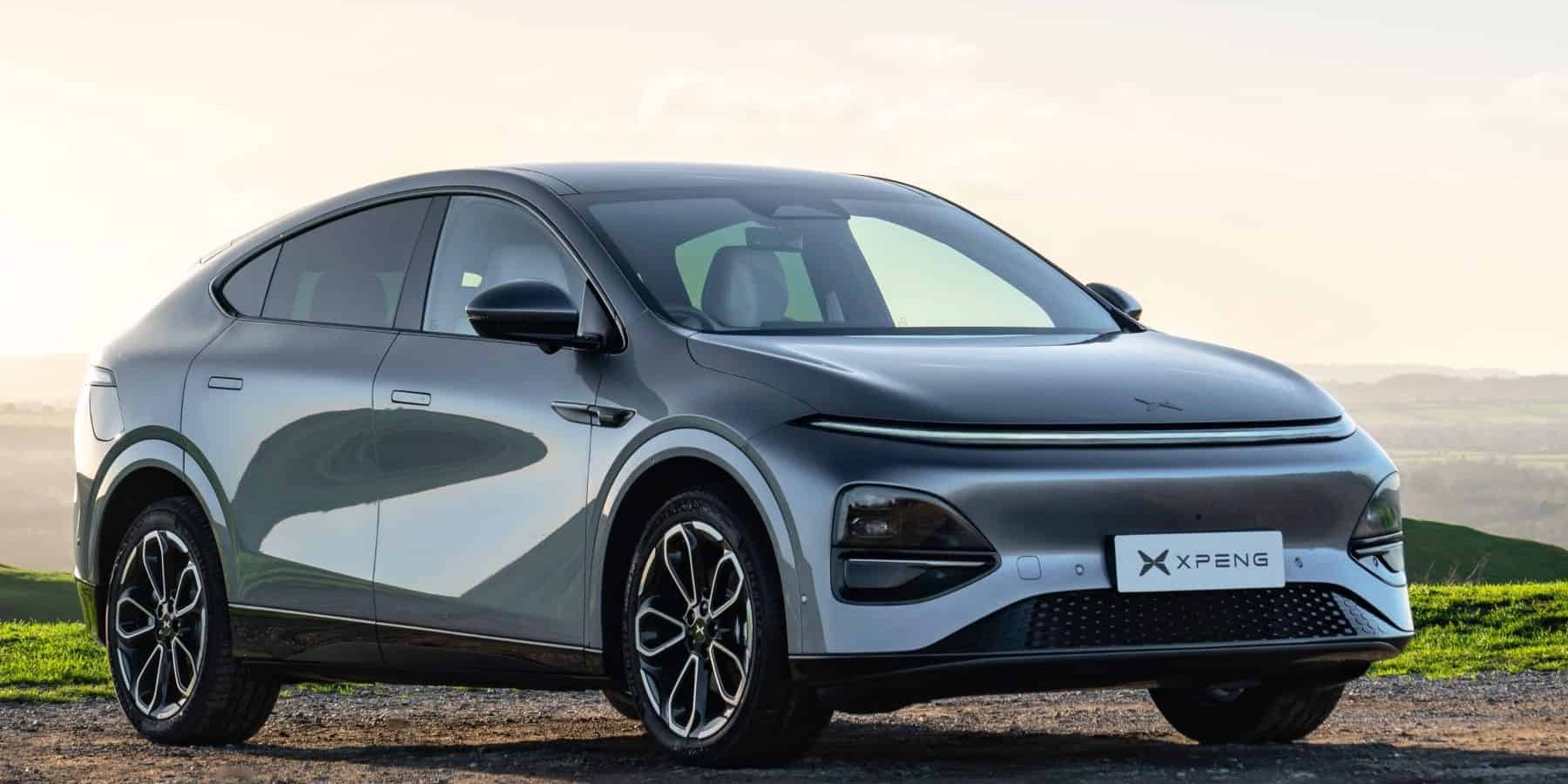

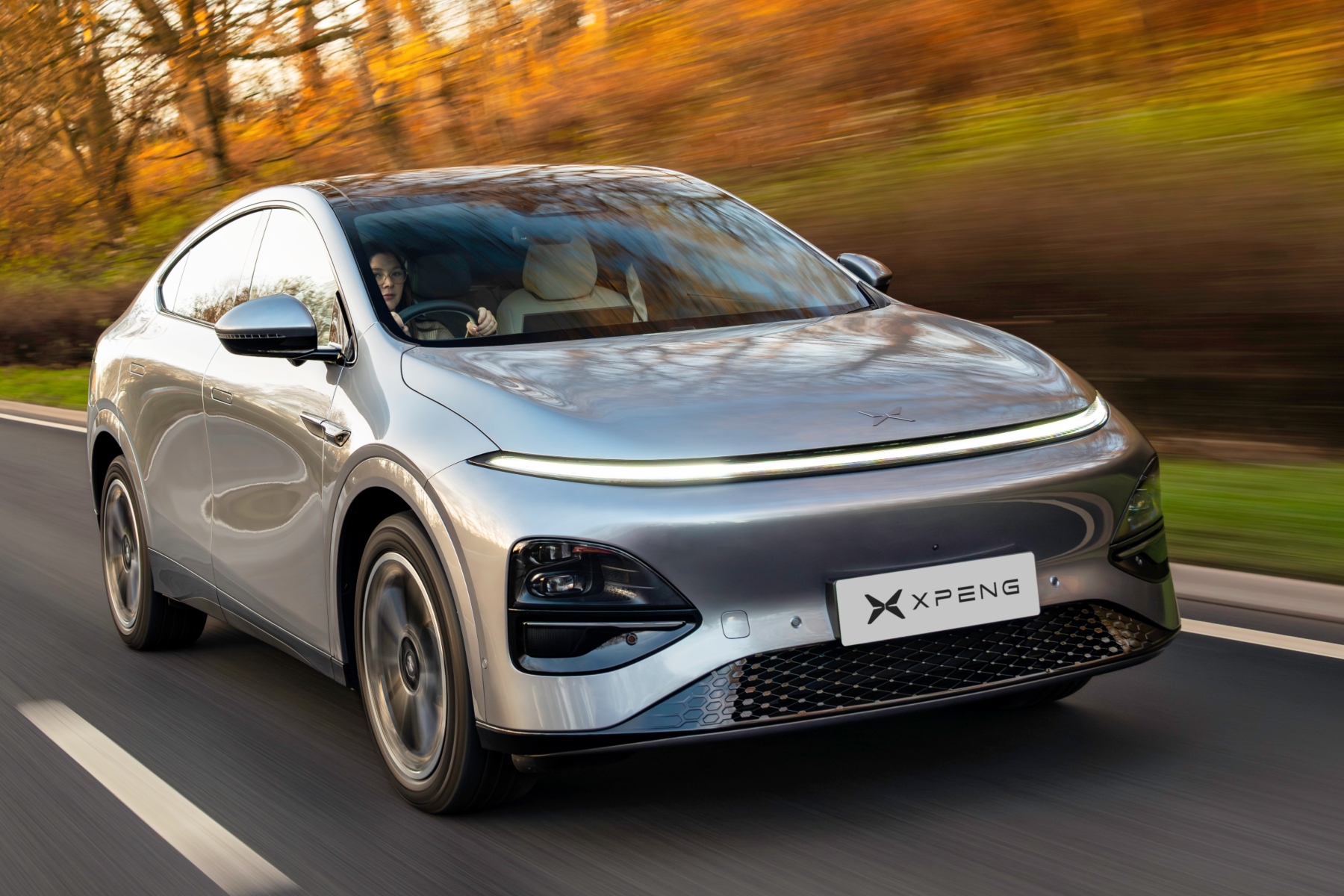
We test drive a new car from a new brand – the all-electric Xpeng G6 mid-sized electric SUV
Xpeng, one of the latest EV brands from China to reach the UK, has its work cut out.
Just for starters, its new family SUV is pitched against the Tesla Model Y – the biggest-selling electric car in the world.
Founded in 2014 by a group of entrepreneurs with a shared vision to transform future mobility with technology, Xpeng launched its first car (the G3 compact SUV) in 2018, followed by others including the P7 saloon in 2019 and the big G9 SUV in 2023.
Xpeng is held in such high regard that Volkswagen formed a partnership with the company in 2024 to jointly develop EVs.
So, is the G6 any good and will it be able to compete with the mighty Tesla Model Y, plus other rivals including the Kia EV6, Hyundai Ioniq 5, Skoda Enyaq, BYD Sealion 7 and MG IM6?
Well, if you just consider the car, then it’s a worthy rival. Whilst I respect the game-changing success of Tesla and the Model Y’s massive sales, I’m not a huge fan of the vehicle itself. In fact, it’s something of an enigma to me.
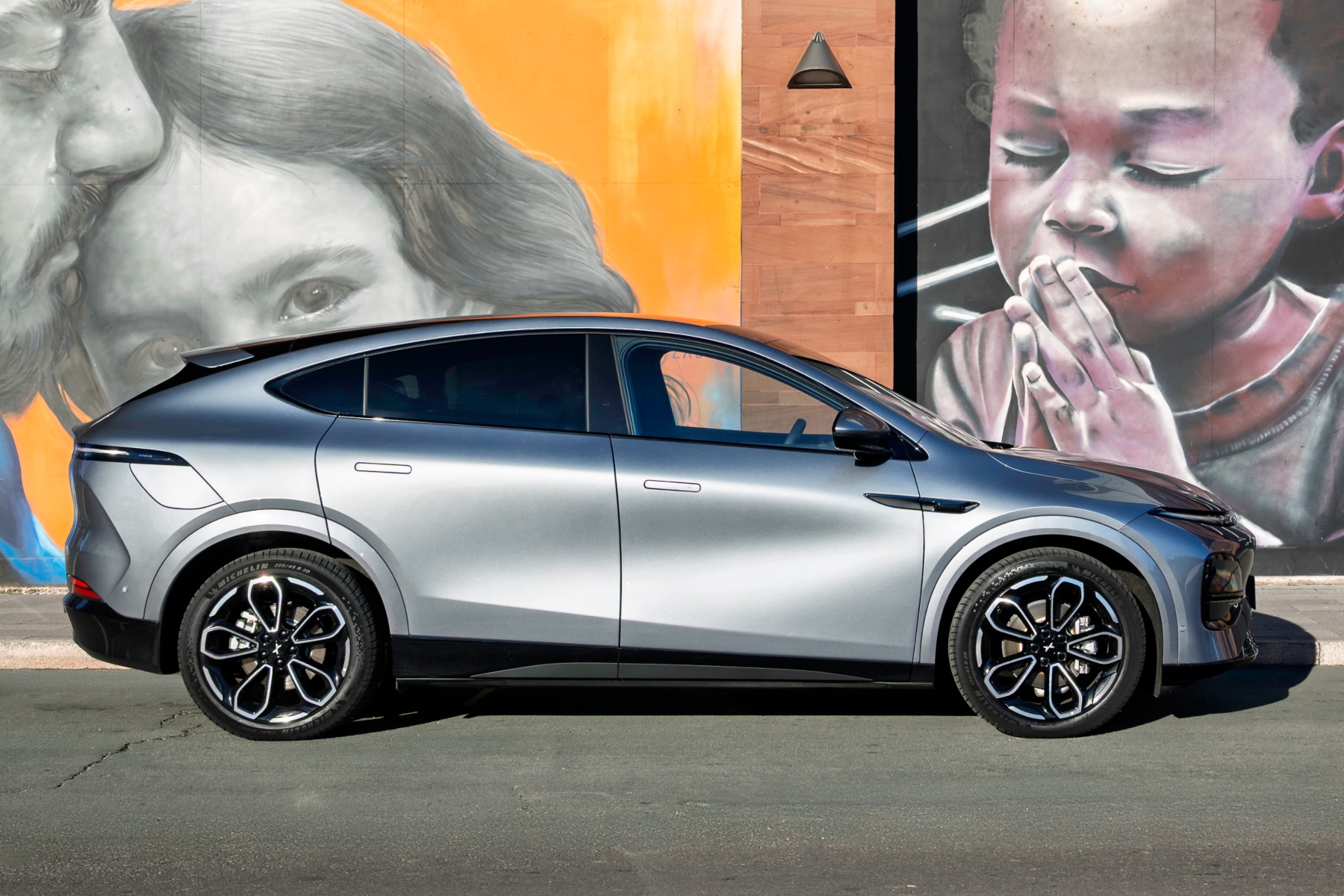
The Xpeng G6 is marketed as an ‘ultra-smart coupe electric SUV’ and is almost identical in size and weight to its American rival. It’s also competitively priced from £39,990.
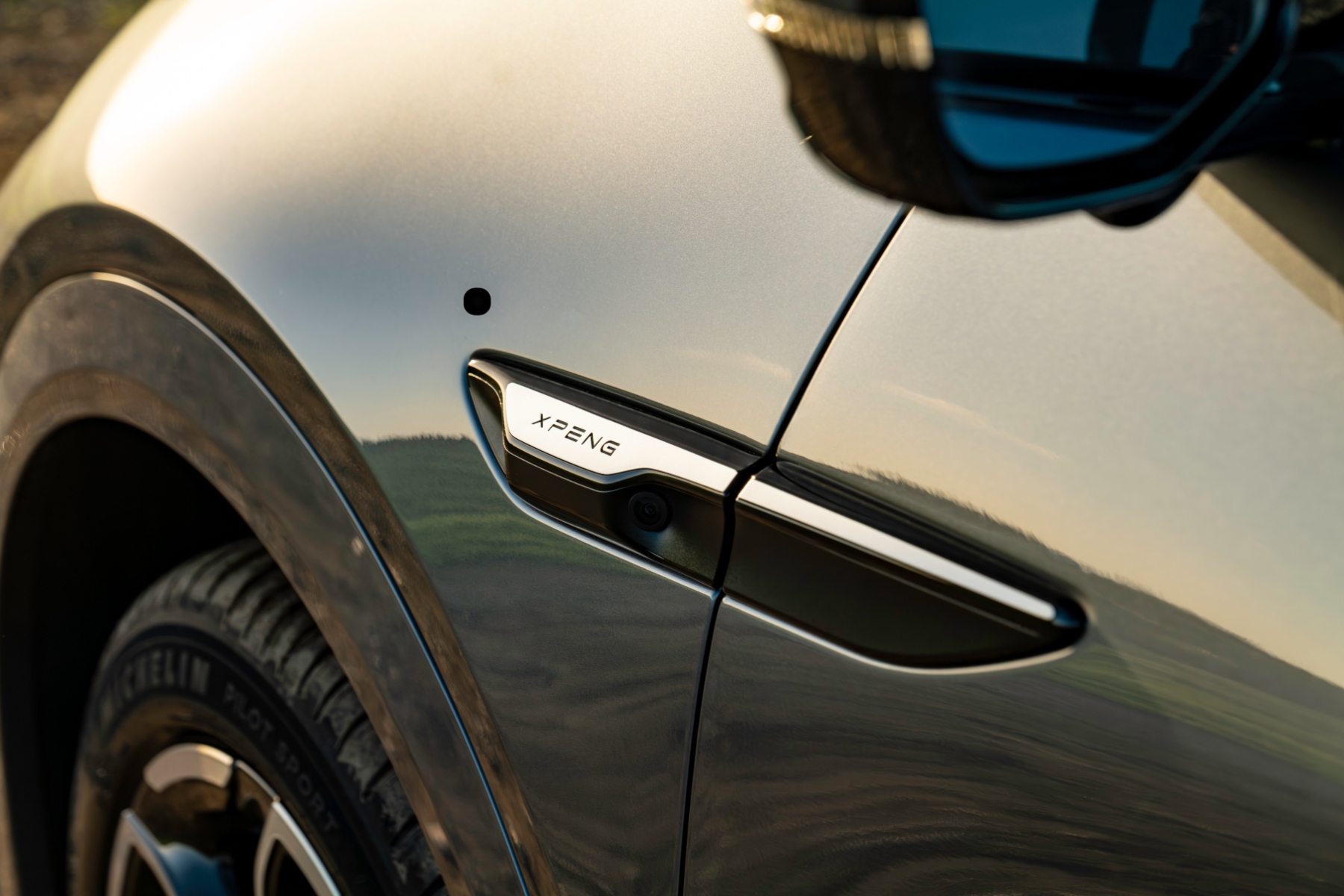
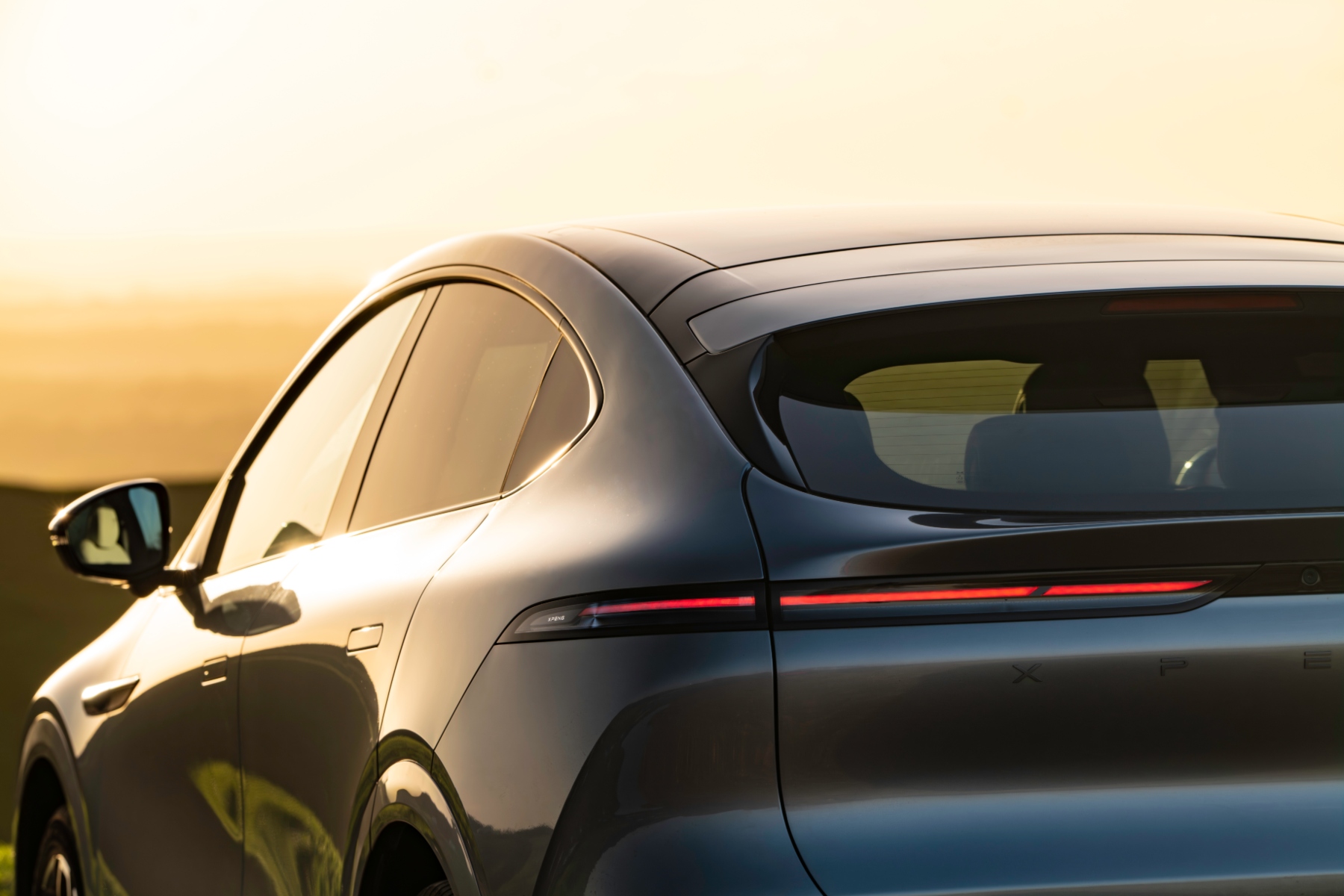
For me, the “robot face” of the Xpeng G6 gives it the edge over the Model Y aesthetically, while its streamlined body shape (which boasts a drag coefficient of just 0.248Cd) is similar to the Tesla and comes complete with pop-out door handles and frameless doors.
Inside, there’s the same minimalist, tech-led feel of the Model Y, but with the welcome addition of a 10.2-inch display ahead of the driver, showing essentials such as speed, battery range and navigation instructions. Beats me why the Model Y and other EVs such as the Volvo EX30, would ditch this necessity and opt for only a central touchscreen.
The Xpeng G6 gets one of those too (15.6 inches, no less) and it works well enough (the graphics aren’t class-leading), but – as ever – there is a high initial learning curve.
Ultimately, just like many other EVs, there are too many necessities controlled via the centre touchscreen, taking your eyes off the road ahead. Everything from drive modes (Standard, Eco, Sport, and All-Terrain), brake regen and steering weight options, wing mirror adjustment and air conditioning are all accessed via the screen.
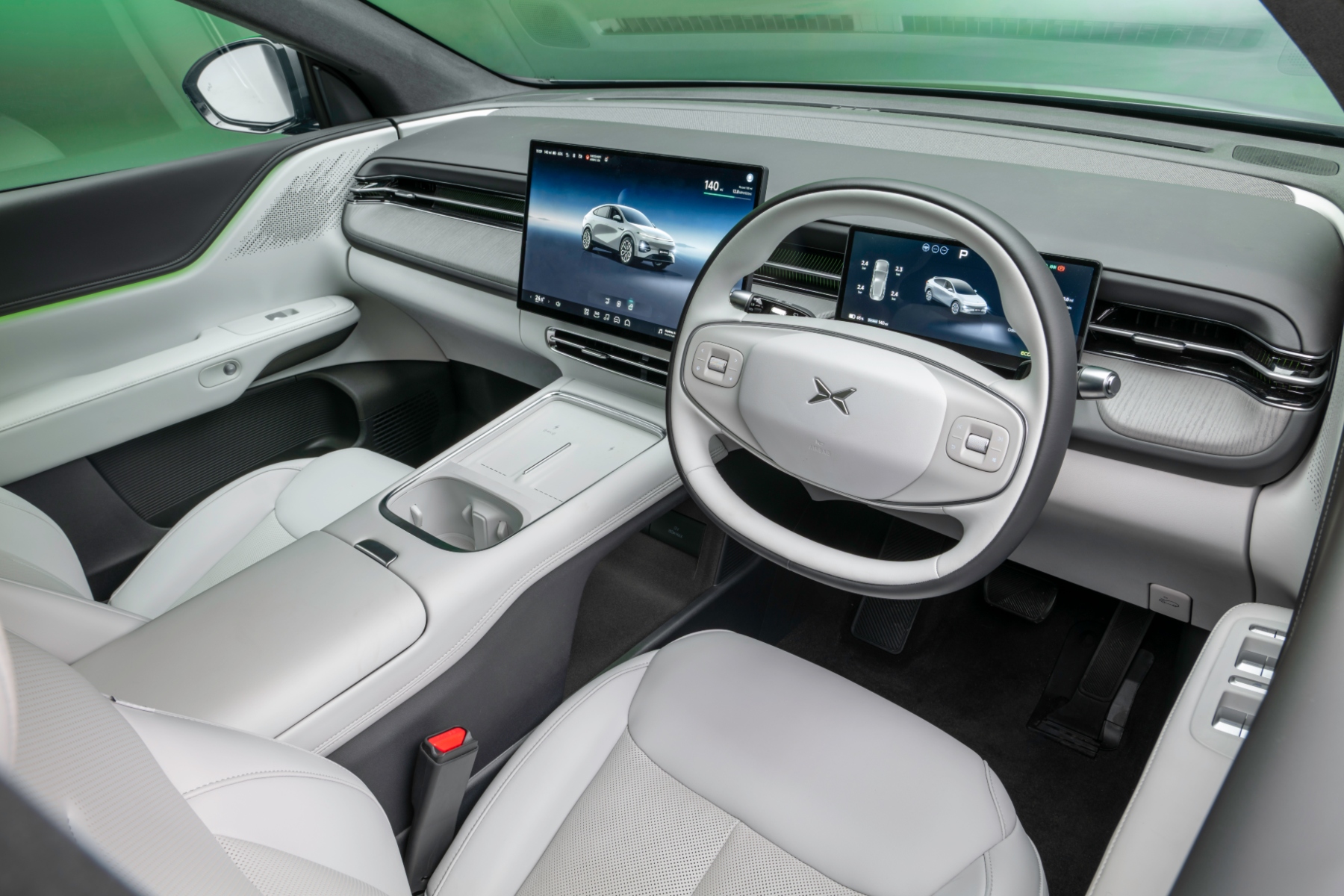
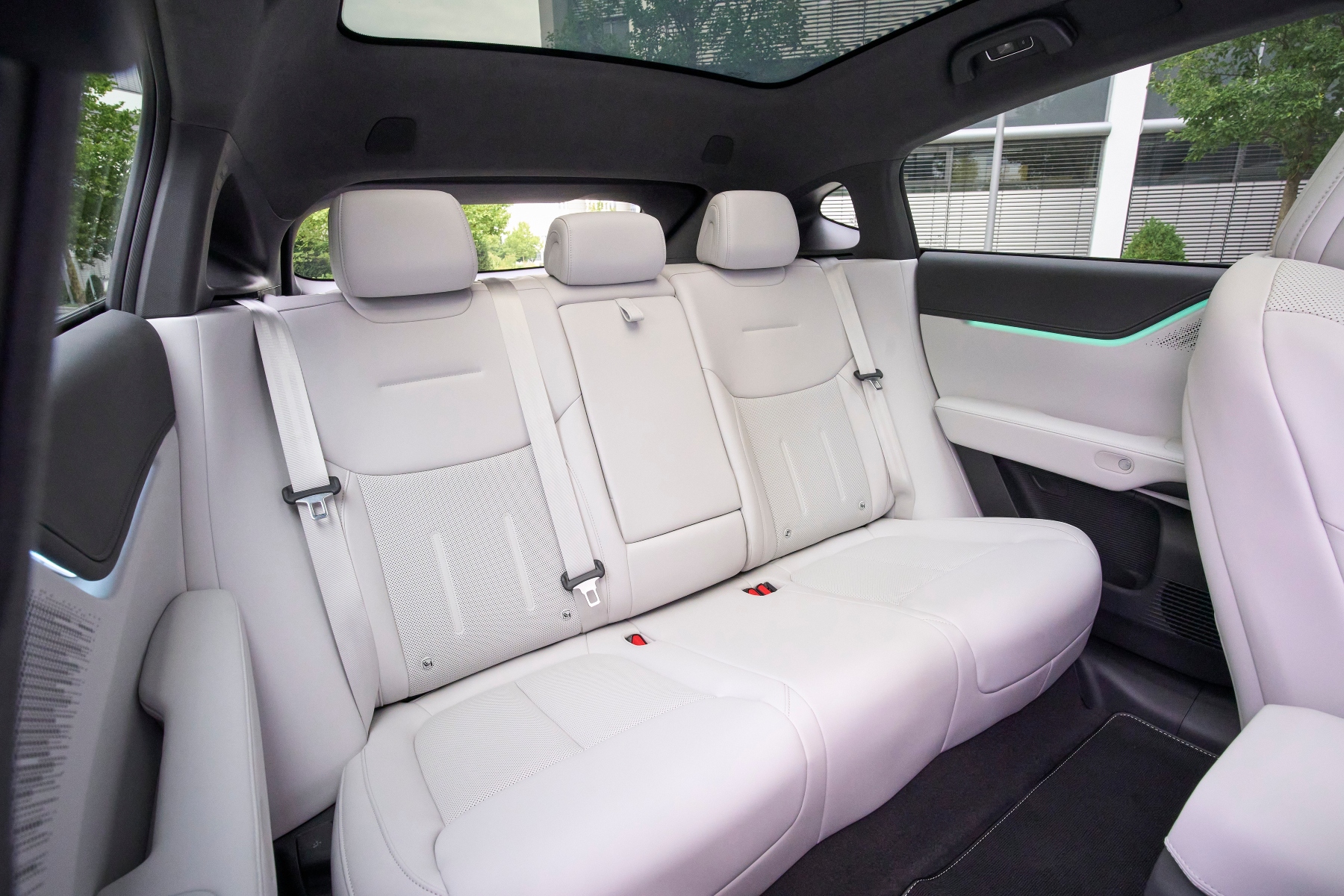
On the plus side, the cabin oozes space front and back, it’s bathed in light thanks to the panoramic sunroof, it’s all well put together and it had a classy feel with the use of quality materials, though delve down in the cabin and there’s still some scratchy black plastic.
Oh, and a special mention for the leatherette seats, which are comfortable and look like they’ll be durable, even if the driving position is a little on the high side for my liking.
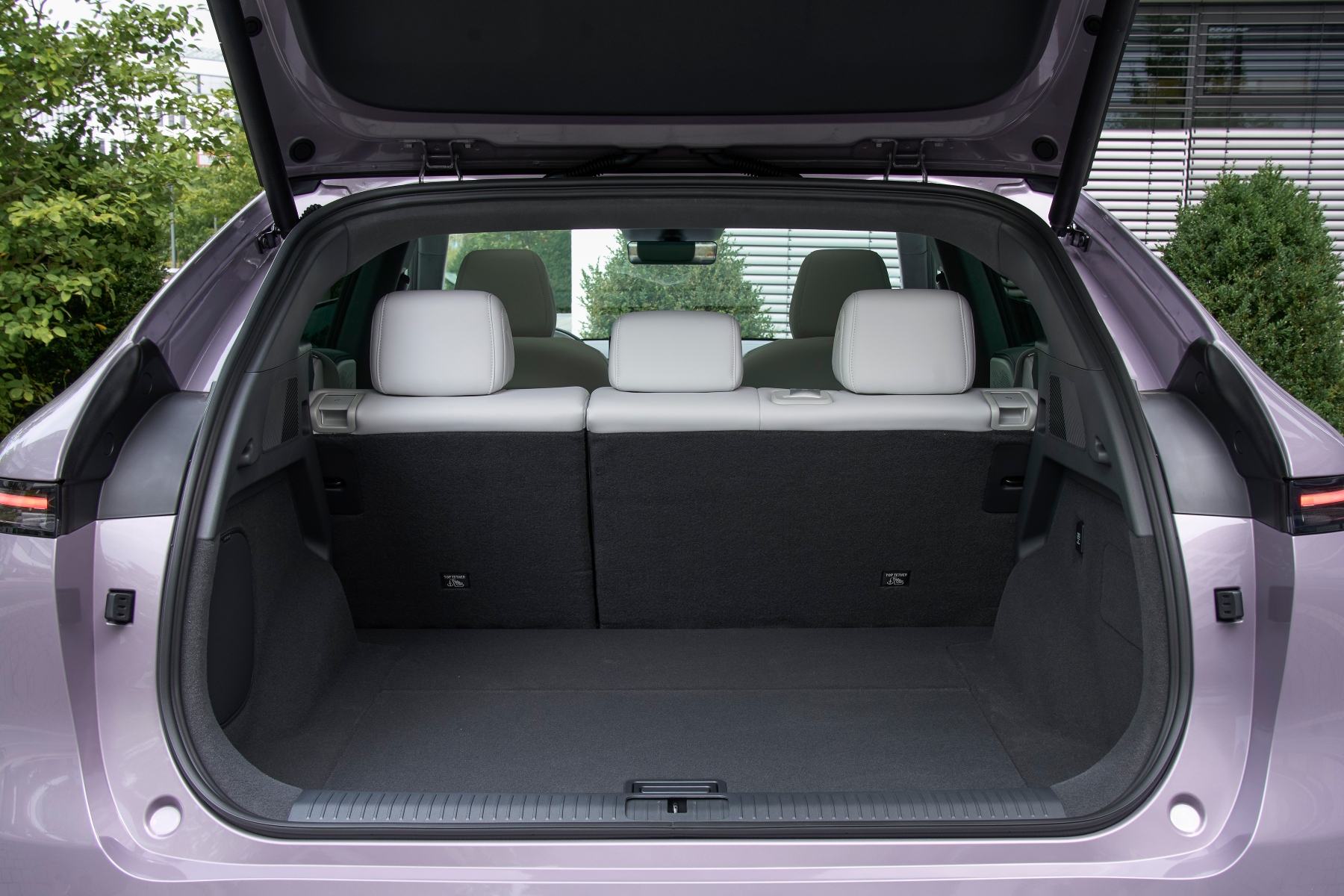
Luggage capacity is a decent, if not class-leading 571 litres, expanding to 1,374 litres with the 60:40 rear seats folded down, though sadly there’s no passenger glovebox.
Three versions of the Xpeng G6 are available. The entry-level RWD Standard range combines a 66kWh battery with a 258bhp rear-wheel-drive motor. The RWD Long Range version gets a larger 80.8kWh battery and slightly more powerful 296bhp motor, while the range-topping dual-motor AWD Performance version uses the same 80.8kWh battery but with 489bhp driving all four wheels.
The RWD Standard range delivers a claimed potential of 292 miles and a 0-62mph time of 6.9 seconds. The RWD Long Range offers an impressive 326 miles of range and a slightly faster sprint time of 6.7 seconds. Finally, the AWD Performance is properly fast (4.1 seconds), though overall range takes a hit (317 miles).
There’s now also a range-topping, stealth-inspired Black edition based on the AWD Performance.
The Xpeng G6 uses state-of-the-art ultra-rapid 800V charging architecture, meaning a 10% to 80% boost can take as little as 12 minutes via a fast enough charger.
I tested the Long Range model, which starts at £44,990, for a week on mixed routes.
On the road, the Xpeng G6 is smooth, refined and swift, so cruising motorways is particularly satisfying. Standard drive mode offers the best balance of efficiency and performance. Sport is fun for overtaking and acceleration demos, but the effort of going into the touchscreen to switch drive modes is likely to mean it will be rarely used.
The ride is firm, which is par for the course with electric SUVs, and body lean is kept in check, even when it’s pushed on more challenging roads.
Weighing in at 2.2 tonnes, it’s no lightweight, and initially, you’re aware of that bulk and its width (1,920 mm), while standard fit Michelin tyres ensure plenty of traction.
The steering is best left in standard (Sport is too heavy) and visibility is good except for the slim rear window. Thankfully there are plenty of cameras and sensors to help with tighter manoeuvres. What’s more, it has a memory-based automatic parking functionality and it can be parked remotely via a smartphone app.
Ultimately, I’d say the G6 is a tad more engaging to drive than the Model Y, so job done.
I averaged around 3-5-3.8 miles per kWh during my time with the G6, and I’d expect a real-world range for the Long Range closer to 280 miles.
The G6 gets a five-year warranty (capped at 75,000 miles), with the usual EV eight-year 100,000 mile battery cover. Oh, and it has a useful maximum towing capacity of 1,500kg.
Verdict: The Xpeng G6 is a welcome addition to the seriously competitive mid-size electric SUV sector. Boldly styled, spacious, well built, comfortable and packed with tech, it’s more than a match for the Tesla Model Y.
Review in association with AutomotiveBlog

Leave a Comment
More in News

What an AdBlue Warning Light Really Means Before Your Diesel Refuses to Restart

How Bus Lane Cameras Earned Councils £37.7 Million by Fining UK Drivers This Year
Every New Car Buyer Could Get Bigger Discounts as Britain Misses Its EV Target

Drivers Using Rapid EV Chargers Pay 79p a kWh, Up 4 Percent, Zapmap Shows
How to Tell DVLA You Sold Your Car (and Avoid the Buyer’s Fines)
Trending on Motoring Chronicle

The Ultimate Seasonal Guide To Tire Maintenance

Why Mitsubishi Recalled 67,146 Outlanders Over a Vanishing Rearview Camera
Councils That Miss This Month’s Pothole Deadline Risk Losing a Third of Their Funding

How many catalytic converters does a car have?
