
How England’s Drink Drive Limit Could Soon Fall to Match Scotland’s Tougher Threshold
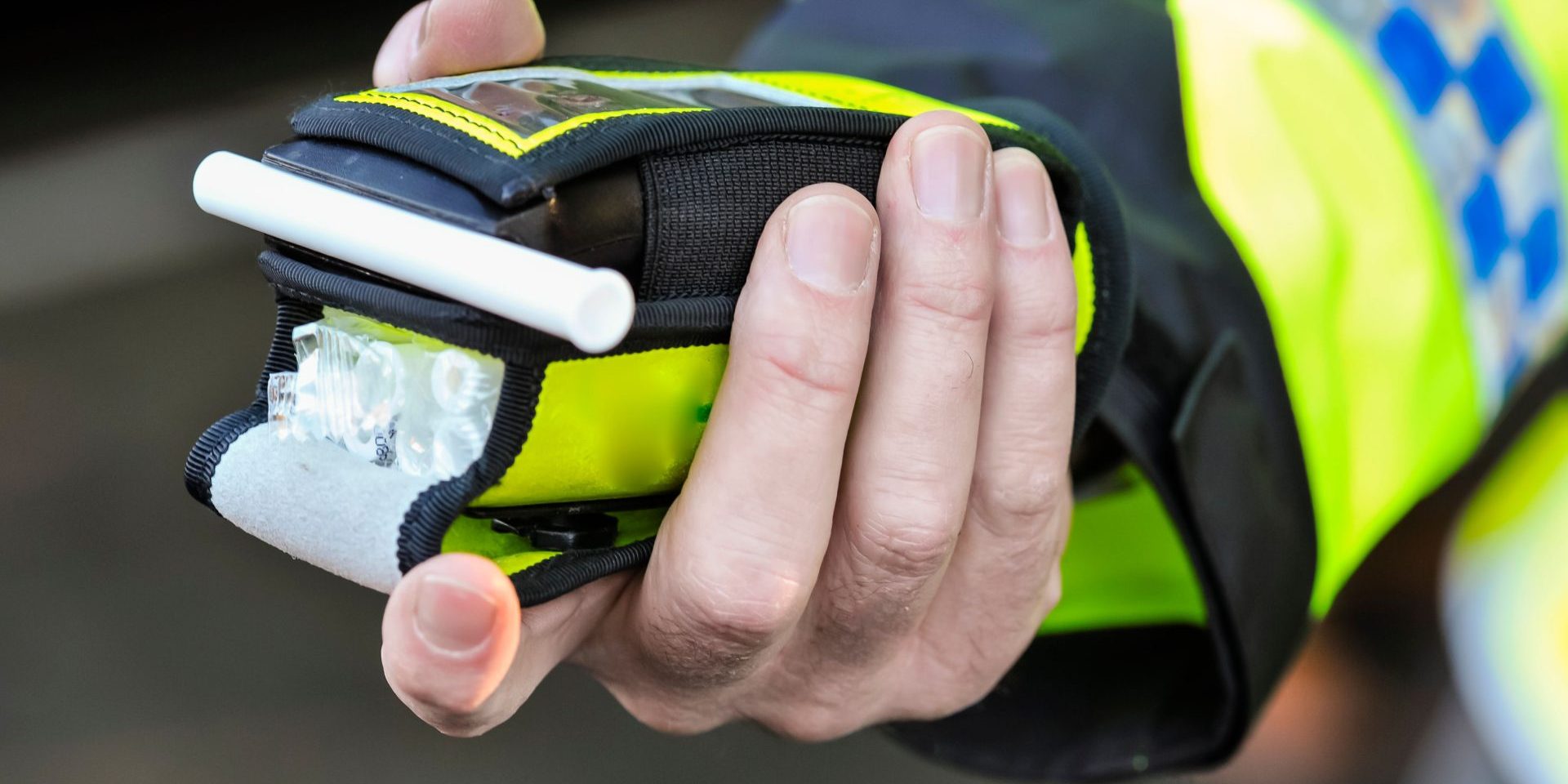
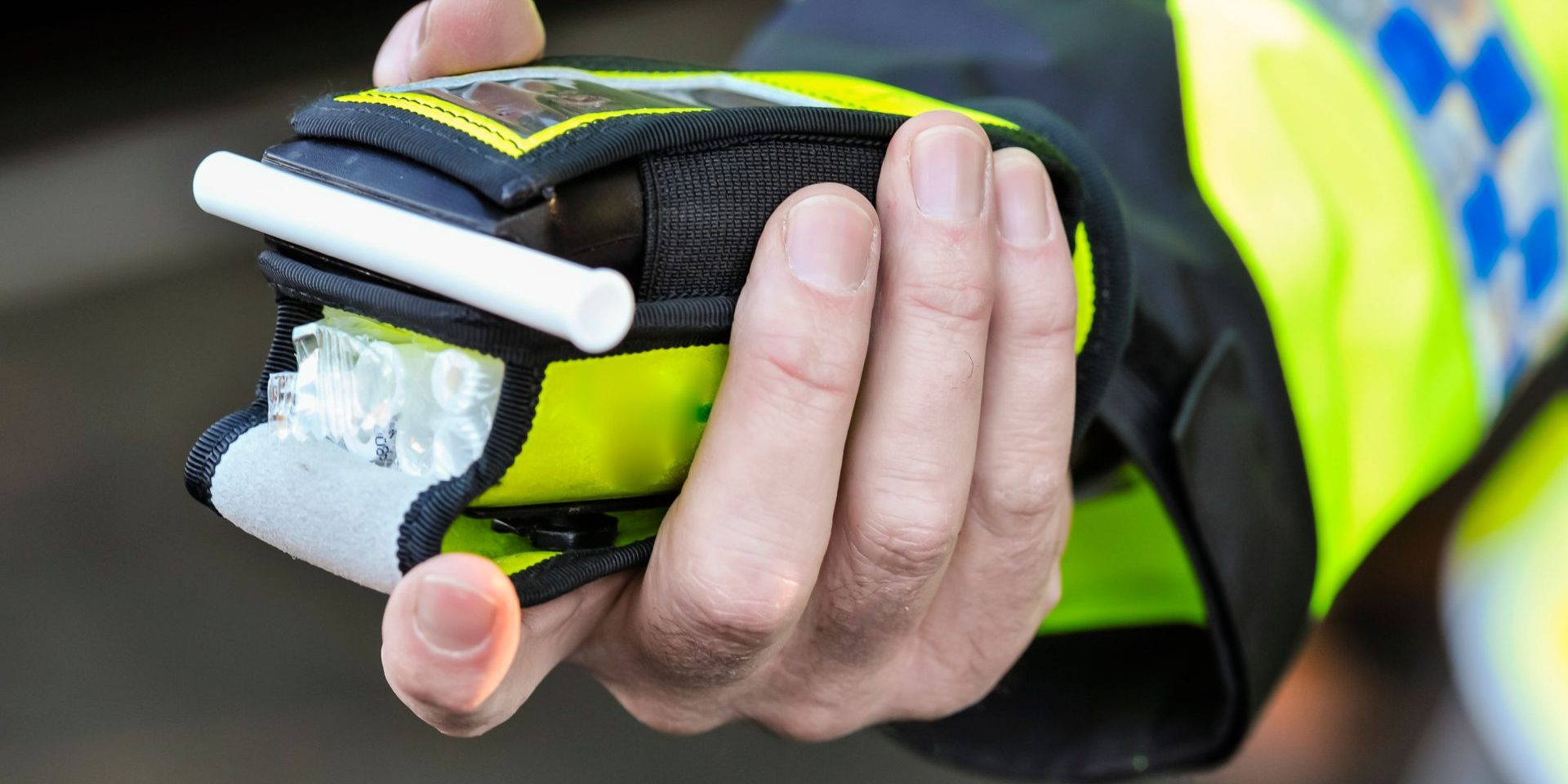
The drink drive limit in England and Wales has not changed in close to sixty years, and it remains the highest in Europe. That could be about to change. The Government’s new Road Safety Strategy has committed to a formal consultation on lowering the limit to bring England and Wales into line with Scotland, alongside tougher measures such as alcohol interlock devices and the power to suspend a suspected drink driver’s licence before they ever reach court. The consultation phase has now closed, and a decision is pending. For drivers, the practical message is the same whether the law changes or not, but the direction of travel is clear.
Here is what the current limit allows, what is being proposed, and what a lower threshold would mean for the millions of people who drive after even a single drink.
What the current limit actually allows
In England and Wales the legal limit is 80 milligrams of alcohol per 100 millilitres of blood, equivalent to 35 micrograms per 100 millilitres of breath. Scotland lowered its limit to 50 milligrams back in 2014, matching the level used across most of Europe. The English and Welsh figure has stood broadly unchanged since the late 1960s, which is why road safety campaigners describe it as dangerously out of step with modern evidence. There is no reliable way to know how much you can drink and stay under it, because alcohol affects people differently depending on weight, sex, metabolism, food and the strength of the drink.
The safest assumption has always been that there is no safe amount of alcohol to drink before driving. Even small quantities slow reaction times and impair judgement. The danger of a higher legal threshold is that it gives some drivers false confidence that a pint or a large glass of wine leaves them fit to drive, when the science says otherwise. In 2023, around one in six road deaths in England and Wales involved a driver who was over the legal limit, a figure that has barely shifted in a decade.
What is being proposed
The Road Safety Strategy, launched in January 2026, is the first major plan of its kind in more than a decade and sets a target of cutting deaths and serious injuries by 65 per cent by 2035. Within it, the Government committed to consulting on lowering the drink drive limit in England and Wales. The most likely outcome under discussion is a reduction to 50 milligrams to match Scotland, although the consultation also explored the case for a stricter near zero limit of the kind used in some European countries.
The strategy goes further than the limit alone. It proposes making alcohol interlock devices, which require a clean breath sample before the engine will start, a condition of returning to the road for some convicted drink drivers. It also floats giving police and courts the power to suspend a driving licence before a case is heard for anyone suspected of a drink or drug driving offence, closing a gap where dangerous drivers can stay on the road for months while their case works through the system. The consultations on these measures closed on 11 May 2026, and the Government is now considering the responses before deciding what to legislate.
It is worth being clear that none of this is law yet. The limit in England and Wales remains 80 milligrams while the proposals are considered. Any change would need to pass through Parliament before it took effect, so drivers should treat a lower limit as a likely future direction rather than a current rule.
Who it would affect and the penalties
A drop to 50 milligrams would not change the penalties, but it would catch more drivers, particularly those who currently believe they are safe after one drink. The consequences of being convicted are already severe. Driving or attempting to drive while over the limit carries a minimum 12 month driving ban, an unlimited fine, up to six months in prison and a criminal record that can affect employment and travel to some countries. A conviction stays on your licence for 11 years.
The financial sting does not end with the fine. A drink drive conviction can more than double a car insurance premium and makes cover far harder to find, with the higher cost lasting for years. Scotland’s experience after 2014 showed that lowering the limit changes behaviour as much as it changes the number of prosecutions, with more people choosing not to drink at all if they planned to drive. The Government will be hoping for a similar cultural shift in England and Wales. Drink and drug driving often go hand in hand as repeat risks, and our report on why drug drivers are five times more likely to reoffend than drink drivers sets out how enforcement is tightening on both fronts.
What to do
The simplest and safest approach is to avoid alcohol entirely if you are driving, and that advice holds whether the limit is 80 or 50 milligrams. Do not rely on rough rules of thumb about how many units you can have, because they ignore the factors that change how your body processes alcohol. Be especially alert to the morning after, when many drivers are caught well above the limit at the school run or commute having drunk the night before. Alcohol leaves the body at a steady rate that cannot be sped up by coffee, food or a cold shower, so a heavy evening can leave you over the limit late into the next morning.
If you are planning a night out, arrange a taxi, public transport or a genuinely sober designated driver in advance. Personal breathalysers can give a rough indication but are not a reliable defence, and being just under any limit still means impaired driving. With a consultation closed and ministers weighing the responses, a lower limit may be on the way. Drivers who already treat any amount of alcohol as incompatible with getting behind the wheel will have nothing to fear from the change.
Scotland’s experience offers a guide to what a lower limit might achieve. After the threshold dropped to 50 milligrams in 2014, surveys found that many drivers simply stopped drinking altogether on nights they planned to drive, treating the safest choice as none at all. Road safety bodies argue the cultural shift is as valuable as the prosecutions, because it removes the grey area where a driver convinces themselves one drink is fine. The harder message for England and Wales is that the current limit is high enough to let some people drive while measurably impaired, which is precisely the gap a reduction is designed to close.
Sources:

Leave a Comment
More in News

2027 Mazda CX-90 Priced From $39,700 With New Two-Row Model

What You Need to Drive Abroad From the UK (and What It Costs)

Volkswagen ID.Polo review: VW’s found its EV mojo with this classy supermini
Every Driver Saves £4 a Tank if Fuel VAT Drops to 15%, Says RAC

Ram Recalls 8,329 Heavy-Duty Trucks Over a Defect That Can Disable Stability Control
Trending on Motoring Chronicle

Why the BYD Ti7 Could Be the Seven-Seat Family SUV Plug-In Hybrid to Beat

Aston Martin Vanquish unveiled with stunning World Premiere in Venice [Photo Gallery]
Smoother Driving Could Save UK Motorists Up to £200 a Year, Experts Say

Kia PV5 Passenger Beats Official Range with 260 Miles in Independent EV Test
