
Why Used Electric Car Sales Just Hit a Record High in Britain
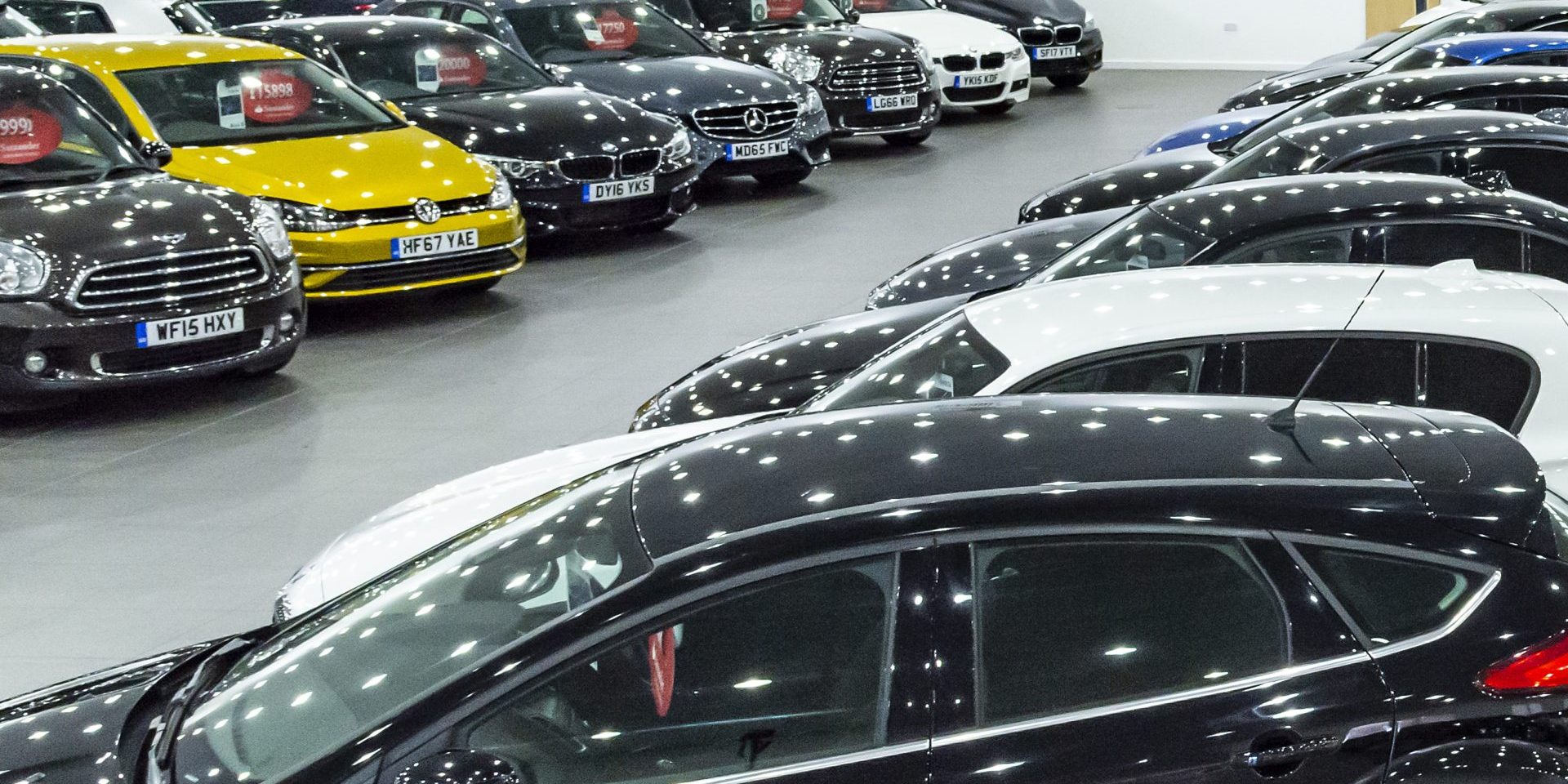
Used electric car sales just hit their highest level on record, and the timing tells its own story. Fuel prices linked to the conflict in Iran pushed petrol and diesel costs sharply higher through the first half of 2026, and drivers are responding by switching to used EVs faster than the market has ever recorded. That rush is good news for anyone trying to cut a fuel bill. It is also creating exactly the conditions where buyers skip the checks that protect them from a used EV with hidden problems, and where dealers holding sought-after stock have little reason to negotiate on price.
The Numbers Behind the Surge
Figures published by the Society of Motor Manufacturers and Traders show battery electric vehicle transactions rose 32 percent in the first quarter of 2026 to 86,943 units, with nearly one in 23 used car buyers (4.3 percent) now choosing electric, up from around one in 30 a year earlier. Hybrid sales climbed 27.6 percent to 128,039 units. Combined, electrified vehicles accounted for 11.7 percent of all used cars sold in the quarter.
The wider used car market barely moved, down just 0.2 percent to 2,016,232 vehicles, as a strong March 2025 comparison flattened the headline figure. Petrol held its position as the most popular fuel type even with a 0.6 percent fall in transactions, and diesel demand dropped 6.7 percent. SMMT chief executive Mike Hawes said the record demand for used electric vehicles reflects growing model choice filtering down from the new car market, and that high fuel prices tied to the Iran conflict “may increase demand even further.”
Why Sellers Hold the Advantage Right Now
A market moving this fast tends to favour whoever is selling, not whoever is buying. When demand for a specific type of used car jumps by a third in a single quarter, dealers with electric stock have buyers competing for the same cars, which removes much of the incentive to negotiate on price or throw in extras like a service plan or an extended warranty. Buyers who feel pressure to secure a car quickly, with fuel costs already stinging and a diesel commute feeling unaffordable, are the ones most likely to skip steps that would normally slow a purchase down.
This risk is bigger with a used EV than with a used petrol car. The single biggest cost risk sits somewhere a buyer cannot see or test in a five-minute drive: the battery. A worn battery does not always show up as an obvious fault. It shows up gradually, as reduced range that only becomes clear months after the car has been bought and the finance agreement signed.
The Battery Question Most Buyers Skip
Unlike an engine, a battery’s health is not something you can judge by listening to it or checking the service book alone. Independent battery health checks, offered by services such as Cinch’s Assurance Pass, Recharge Auto and increasingly by main dealers themselves, measure a battery’s remaining capacity against its original specification and can flag degradation before it becomes a buyer’s problem rather than a seller’s.
Manufacturer battery warranties typically run for eight years or 100,000 miles, whichever comes first, and usually guarantee the battery will retain at least 70 percent of its original capacity within that period. A used EV bought close to the end of that warranty window carries meaningfully more risk than one with several years of cover left, yet that detail is easy to miss when a buyer is focused on monthly running costs rather than the small print on a warranty certificate.
Replacing a battery pack outside warranty can cost several thousand pounds, depending on the model and battery size, a figure that dwarfs anything a typical petrol engine repair would run to. A buyer who skips a health check to secure a car quickly in a competitive market is effectively betting several thousand pounds on a component they never actually tested.
The Age of the Wider Fleet Is Rising Too
SMMT figures show the average age of the UK’s vehicle parc now stands at 9.7 years, up from eight years in 2019. Drivers are holding onto their existing petrol and diesel cars for longer. New car affordability remains stretched, and a healthy new car market is what feeds good used stock, including electric models, into the second-hand market. SMMT has downgraded its 2026 forecast for new battery electric market share to 26.8 percent, down from an earlier estimate of 28.5 percent, after a softer than expected first quarter for new EV sales.
Hawes said every fiscal and policy lever needs to be pulled to keep the new car market healthy enough to deliver zero emission vehicles in the volumes that eventually flow through to used buyers. Until that happens, the used EV market stays a sellers’ market, shaped by a supply pipeline that cannot expand quickly regardless of how many drivers want to switch.
That downgrade has a knock-on effect for used buyers. Fewer new EVs sold today means fewer used EVs available for sale in three or four years, which points toward continued tight supply and firm pricing in the used electric market for some time yet, not a short-lived spike that will ease on its own.
What Dealers Are Not Always Volunteering
Not every seller withholds battery information deliberately. Many independent dealers simply do not carry the equipment or the trained staff to run a proper diagnostic check themselves, and rely instead on a car’s dashboard range estimate, which can be an unreliable guide to true battery health. A dashboard reading affected by driving style, temperature or recent charging habits can look perfectly healthy on the day of a test drive and still hide capacity loss that only shows up over a full charge cycle.
Franchised dealers selling approved used EVs are more likely to have run a manufacturer diagnostic as standard, and that check should be available on request as part of the sale. If a seller cannot produce any record of a battery check, or refuses a request to arrange an independent one before purchase, that reluctance alone is worth treating as a signal.
How to Buy a Used EV Without Getting Caught Out
- Get an independent battery health check before you commit, not after. Several providers now offer mobile testing that can be arranged around a viewing, and the cost is small compared with a battery replacement bill running into thousands of pounds.
- Check exactly how much of the manufacturer’s battery warranty remains, in both years and mileage, rather than assuming the full term still applies.
- Run a standard HPI or equivalent history check that covers outstanding finance, previous write-off status and mileage discrepancies, exactly as you would on a petrol or diesel car.
- Ask for the car’s charging history if the seller has access to it. A pattern of frequent rapid charging can accelerate battery wear faster than home charging alone.
- Resist pressure to decide on the spot when a seller claims “another buyer is interested.” A good used EV at a fair price will still be a good deal after you have had a battery check done.
- Compare the asking price against actual completed sales data, not just other advertised prices, as a hot market inflates what sellers ask before it inflates what buyers actually pay.
The record numbers coming out of the used EV market are a real sign that switching away from petrol and diesel is becoming easier and more affordable for more drivers. But a market moving this quickly rewards buyers who slow down just enough to check the one component that counts most, rather than those who let rising fuel prices rush them into a decision they have not properly tested. A ten-minute battery health check, arranged before you sign anything, is the cheapest insurance available against the single most expensive part of any electric car.
Sources:
- https://www.smmt.co.uk/evs-charge-up-used-car-market-with-record-sales/
- https://www.smmt.co.uk/vehicle-data/used-car-sales/

Leave a Comment
More in News

A £4,300 Vauxhall Made Hagerty’s List of Classic Cars Worth Watching in 2026

Every Company Car Driver Faces a Benefit in Kind Tax Rise This April

Dundee Council Issued 28,667 Parking Tickets and Lost 3,252 of the 6,205 Appeals

Edinburgh Council Issued 40,945 LEZ Fines and Cancelled 2,773 After Driver Challenges

Can a Car Fail Its MOT for an Oil Leak? Not the Leak You Are Worried About
Trending on Motoring Chronicle
Cash Cow To Cashback: How Croydon Drivers Can Reclaim Their Unlawful LTN Fines

Petrol Prices Fall From Their War Peak as the CMA Flags 11p Fuel Margins

Balenciaga | Automobili Lamborghini collaboration launch

Bentley Torcal Revealed as Its Cheapest Model Yet, from £173,300
