
How Police Just Tightened The Speed Awareness Course Rules Against Millions Of UK Drivers
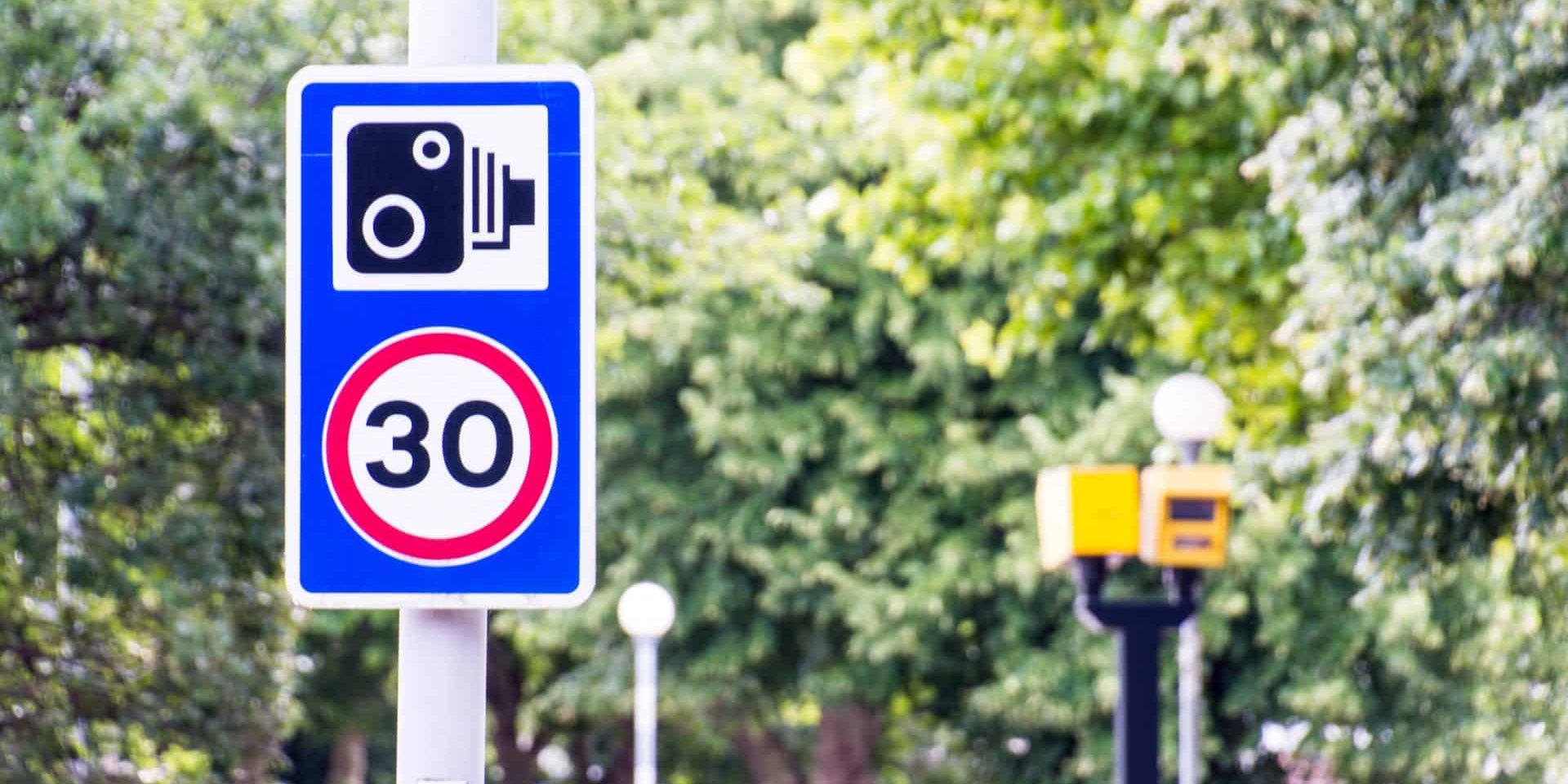
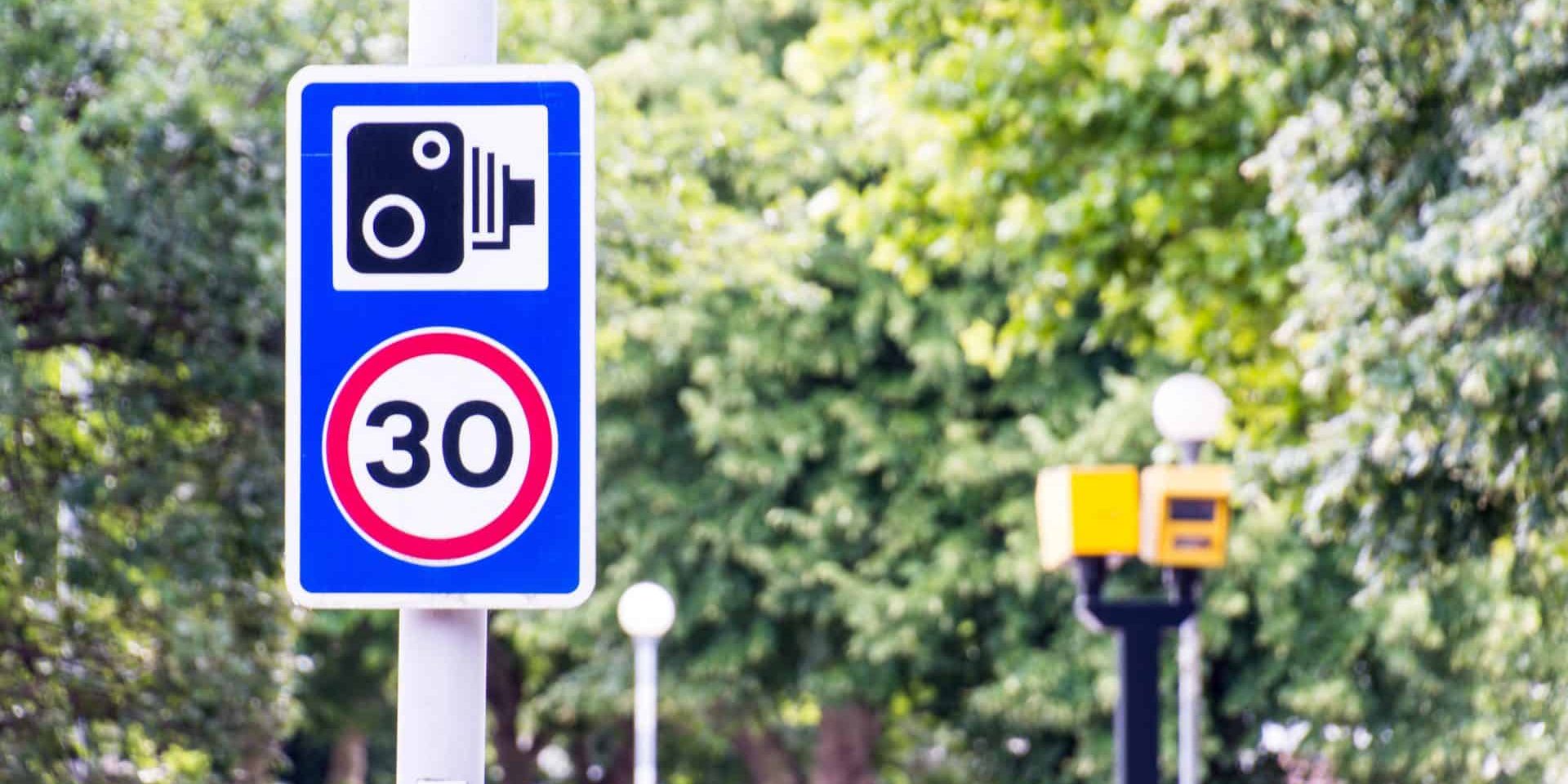
The Speed Awareness Course, the half-day classroom session that has rescued more than 1.4 million British drivers a year from licence points, is being squeezed out from under their feet. Police forces have tightened the rules on who qualifies, the speed at which an offer is made and how often you can use the loophole, and the changes mean tens of thousands of drivers who would have escaped points in 2024 will get a fixed penalty notice through the post instead.
This is the silent half of the speeding enforcement crackdown. The flashy half is the new wave of average speed cameras, AI roadside cameras and radar-based traps now appearing on UK roads. But for the millions of decent drivers who creep over a limit on a clear motorway or miss a 30mph sign on the way out of town, the bigger change is the closing of the educational off-ramp. Here is what has actually shifted, and what it costs you when the door closes.
The Old Deal And Why Drivers Loved It
For roughly 15 years, the National Driver Offender Retraining Scheme has let police offer a paid course in place of three penalty points and a £100 fixed penalty notice. The course typically runs for four hours, costs £80 to £100 depending on the provider, and is delivered online or in person. Pass it, and there are no points on your licence and no premium hike from your insurer. Police forces in England, Scotland and Wales have used it routinely as an alternative to prosecution for low-level speeding.
Around 1.4 million drivers attend annually, and the take-up rate among those offered a course is above 90 per cent. Insurers do not see the offence on a licence, so there is no premium consequence. The cost is roughly the same as the fixed penalty, but the absence of points is the real prize. A driver near the totting-up threshold of 12 points within three years will often pay double or triple to take the course over a normal renewal year because of how much the points themselves would cost.
What Has Actually Changed
Three rules have hardened. The first is the upper limit at which a course can be offered. The unofficial enforcement threshold for many years was 10 per cent plus 9 miles per hour over the posted limit, so 42mph in a 30, 53mph in a 40, 68mph in a 60 and 86mph in a 70. Forces are now reviewing whether to drop that cap. Some have already moved to 10 per cent plus 6mph as the maximum course-eligible speed in problem areas, which would mean a course is no longer on the table at 79mph on a 70mph motorway.
The second change is the once-in-three-years rule, which has been in place for some time but is now being applied more strictly. If you took a Speed Awareness Course inside the last 36 months, you cannot be offered another. The clock runs from the date of the original course, not from the date of the new offence. Police forces are also tightening their checks against the National Course Booking Service database to catch attempts to attend two courses for separate offences in the same eligibility window.
The third change affects repeat offenders. Where a driver has previously declined a course or has multiple recent speed-related convictions, the offer is now more likely to be replaced by a court summons rather than a fixed penalty. The Crown Prosecution Service has been pushing for tougher charging where the speed exceeds 100mph or is on a road with a school or hospital. The upshot for repeat offenders is fewer chances, harder consequences and a higher base fine.
What The New Penalties Look Like
If a course is off the table, you are looking at a fixed penalty notice of £100 and three penalty points as the starting point. Above the course threshold but below the prosecution threshold, the offence rises to a Band A fine of 50 per cent of weekly income (minimum £100, maximum £1,000) plus three to four points. Higher again, you face a Band B fine of 100 per cent of weekly income (minimum £400, maximum £1,000) plus four to six points, with the court able to impose a discretionary disqualification.
The most serious bracket carries a Band C fine of 150 per cent of weekly income (minimum £600, maximum £1,000), six points or a disqualification between seven and 56 days. Drivers caught on the upper edge of this bracket, typically more than 25mph over the limit on a motorway or 21mph over in a 30mph zone, can also be charged with dangerous driving where the case calls for it, which is an either-way offence carrying up to two years’ imprisonment and an obligatory disqualification.
How Much It Hits Your Insurance
The hidden cost is the insurance premium. A single SP30 endorsement adds about 5 per cent to a typical fully-comp policy premium in the year it is added. Two endorsements within the previous three years pushes the loading toward 15 per cent. Three or more, or any SP50 (motorway speeding) endorsement, can shut some insurers out of the quote altogether and routes the driver into specialist convicted-driver schemes where annual premiums of £1,500 to £3,000 are normal.
Confused.com data shows that between August 2025 and January 2026, drivers with one conviction were quoted on average 21 per cent more than those with none. The cumulative cost over three years is often higher than the £80 course fee multiplied many times over. That is the financial argument for taking the course wherever it is still on offer.
Where The Hotspots Are
Halifax tops the list of UK postcodes for drivers with current penalty points at 11.6 per cent, followed by Huddersfield at 10.5 per cent and Leeds at 10.4 per cent. Worthing in West Sussex, Coldstream in the Scottish Borders and Wimborne in Dorset all sit above 20 per cent on more granular measures. Speeding on non-motorway public roads is the single largest cause of penalty points in Britain, with more than two million current endorsements, twice the combined total of every other offence on the books.
Men of all ages are almost twice as likely to be carrying points as women, with the highest density in the 30 to 34 age bracket at 6,522 endorsements per 100,000 drivers. Young men aged 17 to 25 take the next biggest share but skew toward the more serious offences.
What To Do If You Are Offered A Course
Accept the offer as quickly as you can. Course slots are issued in batches and fill up. The conditional offer letter from the police force is time-limited, usually 28 days from the date the notice is sent. Miss the deadline and the offer is automatically withdrawn, leaving you with the standard fixed penalty and three points.
Book the course early enough that you can pick a date and format that suits you. Most providers now run online video courses that take four hours including breaks, with the option of evening or weekend slots. You will need a quiet space, a webcam and a stable internet connection. The course is not a re-test and there is no exam to fail. Attendance and engagement are the only requirements.
If you are close to the totting-up threshold of 12 points within three years, take the course in preference to going to court, because a course adds no points. The exception is where you would lose your licence anyway under the New Drivers Act 1995, which revokes licences for drivers in the first two years after passing their test if they accrue six or more points. New drivers cannot avoid that revocation by taking a course later in the process, only by accepting the course at the first offence and avoiding the second.
What To Do If You Are Not Offered A Course
The first step is to check the fixed penalty notice carefully. The offer is automatic where the speed is in the course-eligible bracket and you have not attended in the previous three years. If neither of those things is true, ring the issuing force and ask for the rationale. Errors happen, particularly where automated systems have wrongly matched a previous course to a different driver of the same name.
Where a court summons replaces the fixed penalty, take legal advice before the first hearing. Many speeding cases can still be resolved without disqualification through careful plea representations, particularly where exceptional hardship can be properly demonstrated. Lawyers who specialise in road traffic offences typically work for fixed fees of £400 to £1,500 for routine speeding hearings, which is much less than the cost of losing a licence.
For more on enforcement coming down the road, see our coverage of the smart motorway speeding refund scheme and the silent radar speed cameras now live in London.
Sources:

Leave a Comment
More in News
English Councils Banked a Record £1.1 Billion From Every Driver’s Parking Fines Last Year
How DVLA Promises 99% of Licences in Three Days After Admitting Services Fall Short
What to Do in a Motorway Breakdown (and When to Stay Inside)

How to Jump Start a Car Safely (and What a New Battery Costs)

Every Driver Gets Five Minutes Grace as Government Freezes Parking Charges at £100
Trending on Motoring Chronicle

How the U.S. Government Aims to Fix Gas Cans

Lamborghini Accademia Neve 2026: performance, innovation, and lifestyle on the Livigno tracks

How Mat Armstrong is going to rebuild the wrecked Bugatti Chiron

UK New Car Market Posts Best May Since 2019 as Private Buyers Return
