
Councils Never Contested Most of the Parking Tickets They Lost on Appeal
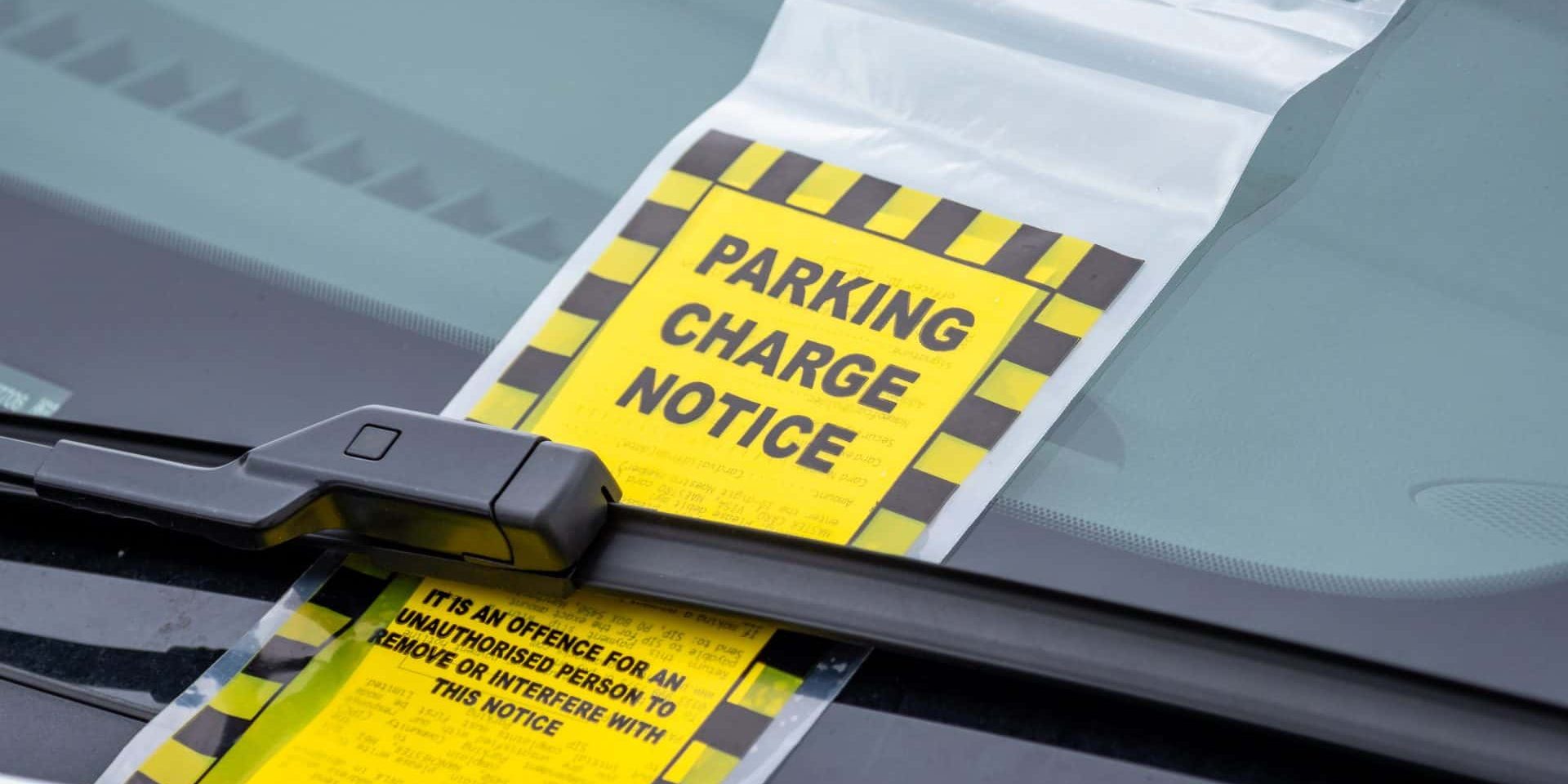
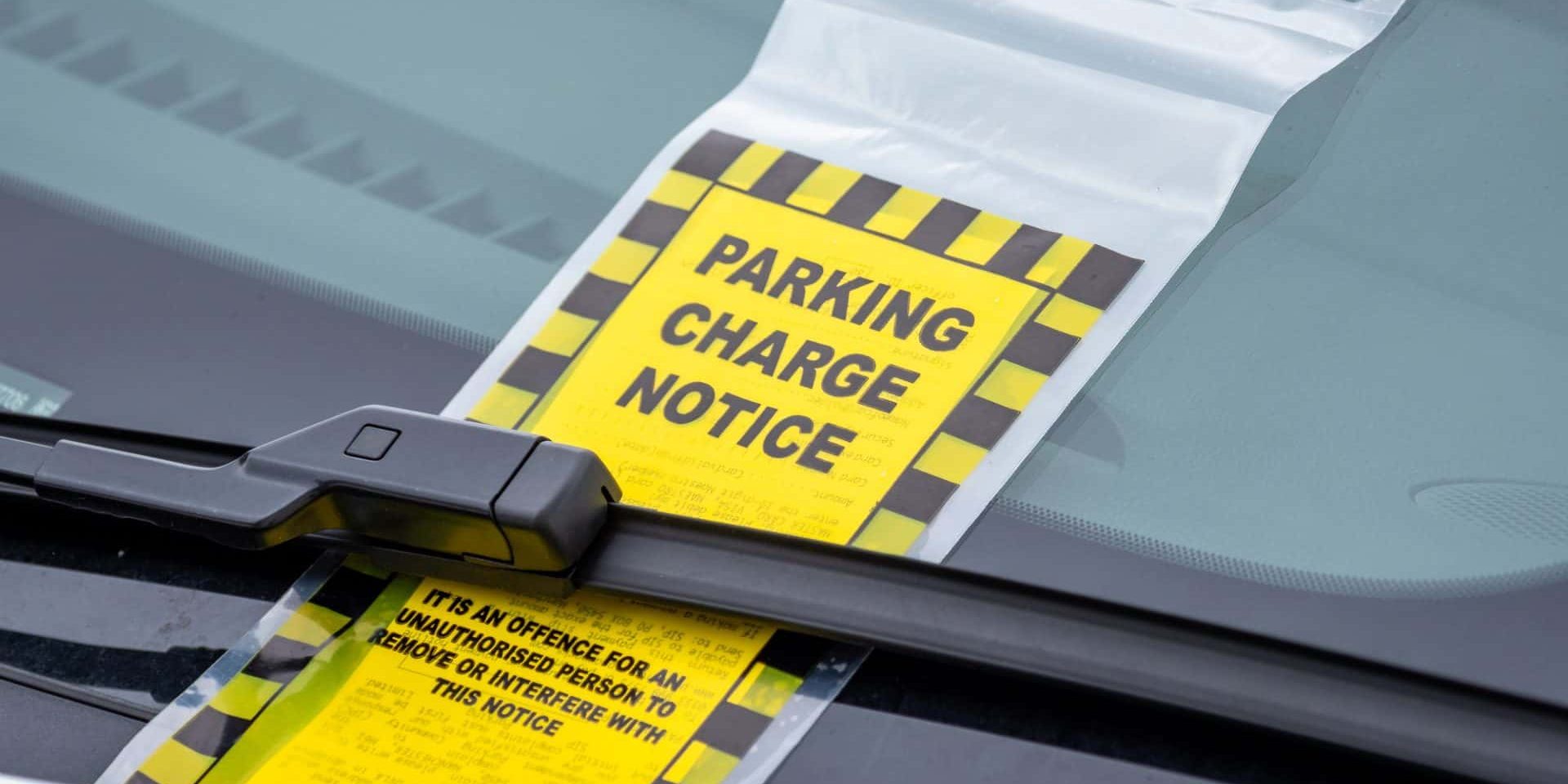
Councils lost half the parking appeals that reached an independent adjudicator last year, and in most of those losses they never bothered to argue their case. Figures from London Tribunals show that of 21,246 parking penalty appeals decided by London’s Environment and Traffic Adjudicators in 2024-25, drivers won 10,496 of them, a success rate of 49.4%. In 6,143 of those wins, 58.5% of the total, the council put up no defence at all once the case reached a judge. The ticket had already been indefensible. The only thing standing between the driver and a cancelled charge was whether they bothered to appeal.
Outside London, the numbers tell the same story. The Traffic Penalty Tribunal, which handles parking, bus lane, moving traffic and clean air zone appeals for councils across England and Wales, has recorded 319,614 appeal outcomes going back to 2013-14. Drivers paid nothing in 54.4% of them. Strip out the Dartford Crossing and Mersey Gateway river-crossing charges, which dominate the tribunal’s caseload and skew the average, and look only at council-issued parking penalties in 2024-25, and the win rate for drivers still sits at 41.9%. Across the tribunal’s full record, 66.3% of driver wins were cases the authority chose not to contest.
A Postcode Lottery for Appeals
Your odds of overturning a ticket depend heavily on which authority issued it. York City Council has allowed 93.8% of the 715 appeals it has faced from 2013-14 onward. Mendip District Council sits at 83%, Milton Keynes at 82.9%, Gloucester City Council at 79.7% and Coventry City Council at 77.3%. At the other end of the table, Walsall Metropolitan Borough Council has allowed just 36.1% of its 613 recorded appeals, Durham County Council 31.4%, Portsmouth City Council 31.2%, Torridge District Council 26.7% and North Northamptonshire Council 24.6%. Two drivers with near-identical circumstances, one in York and one in North Northamptonshire, face wildly different odds for one reason only: where their car was parked.
The tribunal figures also expose how few drivers ever put a council to the test. Birmingham City Council issued 3,737,571 penalty charge notices over the period covered by the data, yet only 19,200 were appealed to the tribunal, roughly one in 195. Of those, 54.4% succeeded. Bristol City Council issued 2,728,031 PCNs and saw 7,769 appeals, about one in 351, winning drivers 57.1% of the time. Reading Borough Council issued 1,513,979 notices with 4,907 appeals reaching the tribunal, a win rate of 59.8%. The pattern repeats across almost every authority with enough data to measure: a tiny fraction of drivers challenge their ticket, and most of those who do walk away paying nothing.
When Parking Becomes a Revenue Line
Councils report their parking income to the Ministry of Housing, Communities and Local Government each year, splitting out how much came from penalty charge notices specifically. For most authorities, fines are a minority of the take. For some, they are close to the entire operation. South Gloucestershire Council drew £463,000 from fines, 91% of its total parking income, with a 42.4% appeal success rate for drivers. Rochdale Borough Council took £973,000 from fines, 73% of its parking income, at a 46.4% success rate. Thurrock Council collected £1.4 million from fines, 70% of its parking income, and lost 62.3% of the appeals it faced. Leeds City Council took £8.6 million from fines, 66% of its parking take, while allowing 48.3% of appeals.
None of this money counts as profit under the law. Section 55 of the Road Traffic Regulation Act 1984 requires any surplus from on-street parking to be spent on transport-related purposes, not general council budgets. That legal restriction has not stopped enforcement becoming a significant income stream for some authorities, nor has it discouraged the practice of issuing tickets that a council later declines to defend.
Why So Few Drivers Bother
The tribunal data points to a simple explanation for these numbers: most drivers assume an appeal is a waste of time and pay the ticket rather than fight it. The figures say otherwise. Across the authorities with enough recorded outcomes to be meaningful, most win more than four in ten appeals, and several win more than six in ten. Yet across England outside London, fewer than one in 200 penalty notices at some councils ever reaches a tribunal.
Private parking charges, issued by companies rather than councils on land such as supermarkets, retail parks and hospitals, follow a different route. Members of the British Parking Association go through the Parking on Private Land Appeals service, which handled more than 107,000 appeals in 2025 and reports that roughly half were cancelled. Operators belonging to the rival International Parking Community use the Independent Appeals Service instead, which does not publish comparable recent statistics, leaving roughly half of Britain’s private parking charges with no published record of how often drivers win.
Enforcement Has Grown Faster Than Oversight
Local councils issued 11.8 million penalty charge notices in 2025, roughly one every two and a half seconds across the year. Formal appeals reached a tribunal in only a small fraction of those cases: fewer than one in 200 at some of the busiest authorities, based on the issuance figures each council supplied to the Traffic Penalty Tribunal. That gap between how many tickets go out and how many ever face independent scrutiny has widened as enforcement has become more automated. Cameras, number plate recognition and outsourced parking contractors now generate penalty notices at a volume no council could have processed by hand a generation ago, while the appeals system itself, staffed by a small number of adjudicators working through a paper and evidence-based process, has not scaled at anything like the same pace.
Private operators face a parallel shift. New rules from the Competition and Markets Authority, covered in our report on why private parking firms have until December to follow their own new rules, take effect for private parking firms by December 2026, tightening requirements on signage, grace periods and the wording used on tickets. Until those rules bite, drivers dealing with a private charge from a supermarket, retail park or hospital car park are relying on the same patchy appeals system described above, split between two competing industry bodies with very different levels of public reporting.
How to Fight Back
A penalty charge notice is not a debt you have to accept at face value. The process gives every driver a genuine route to challenge it, and the figures above show that route works more often than assumed.
- Challenge first at the informal or formal representations stage, directly with the council or operator, before any tribunal is involved. Most successful outcomes are resolved here, and it costs nothing.
- Check the ticket for procedural errors: incorrect dates, unclear or missing signage, a faulty pay-and-display machine, or a penalty sent to the wrong keeper under the Protection of Freedoms Act 2012.
- Keep every piece of evidence: photographs of signage, your paid ticket or app receipt, and timestamps showing how long you were parked.
- If the council rejects your representations, escalate to an independent adjudicator. In London that means the Environment and Traffic Adjudicators through London Tribunals; everywhere else in England and Wales it means the Traffic Penalty Tribunal. Both are free and require no lawyer.
- For a private parking charge, use POPLA if the operator belongs to the British Parking Association, or the Independent Appeals Service if it belongs to the International Parking Community. Check which body applies before you submit anything.
- Note your deadlines. Most representations must be lodged within 28 days of the notice, and appeal windows stay just as tight once a council rejects your case.
The single most useful fact in the data is this: well over half of every appeal a driver wins in London, and two in three outside it, are cases the authority never even tried to defend. That is not a coin flip. It is a strong signal that a meaningful share of the tickets issued every year in Britain would not survive scrutiny, if only more drivers asked for it.
Motoring Chronicle has previously reported on how councils made almost £1.1 billion from parking while nearly half of appeals succeeded, and on how five parking firms account for nearly half of all DVLA keeper requests. Anyone who has recently received a pavement parking notice can also read our guide to how England’s new pavement parking fines will work.
Sources:
- https://www.londontribunals.gov.uk/about/annual-reports-and-appeal-statistics
- https://www.tpt.gov.uk/appeals-data/by-authority/
- https://www.popla.co.uk/news/over-100-000-motorists-appeal-private-parking-charges
- https://www.legislation.gov.uk/ukpga/1984/27/section/55

Leave a Comment
More in News

Why Fake Number Plates Could Leave Any UK Driver With Someone Else’s Fine

How to Check Your Car Before an MOT (and Dodge a Pointless Fail)
How a Hidden Tax Inside Every Car Insurance Bill Earned HMRC £9 Billion
Interest on a Used Car Loan Has Nearly Doubled From 2019 Levels, Data Shows

Why Honda’s Fix for a Million Vehicle Recall Needed Its Own Recall
Trending on Motoring Chronicle

Toyota Recalls 48,280 Tacomas Over Shocks That Can Break Apart While Driving
Why Drug Drivers Are Five Times More Likely to Reoffend Than Drink Drivers
Electric Shock: Used EVs Are Now Britain’s Most Commonly Clocked Cars

Zenvo Aurora Tur Hypercar Targets 1,850bhp and 260mph From a V12 Hybrid
