Why Insurers Are Writing Off Repairable Electric Cars Over £15,000 Battery Bills
- UK businesses face more than £461 million a year in electric car write-off costs, new research from FWD Consulting shows, as insurers lack the equipment to repair damaged batteries.
- Around one in five electric cars involved in a collision is declared a total loss, often after damage that would leave a petrol or diesel car back on the road within days.
- A single battery pack replacement can carry a quote above £15,000, and once a repair bill nears that figure, insurers write the whole car off instead of fixing it.
The £15,000 bill that turns a small bump into a scrapped car
Scrape a kerb, clip a bollard in a car park, or take a low-speed knock in traffic, and a petrol or diesel car usually comes away with a repair bill measured in hundreds of pounds. Do the same thing in an electric car and the outcome can be very different. Insurers across the UK are declaring thousands of electric cars total losses every year after impacts that leave the battery pack, rather than the bodywork, in question, and new industry research puts the annual cost of this problem at more than £461 million.
The figure comes from FWD Consulting, a fleet and mobility research firm, which found that limited repair capacity and a rising number of collisions are combining to push write-off rates on electric cars far above those for combustion vehicles. The firm’s analysis estimates the UK records more than one million vehicle collisions a year, and with business and commercial vehicles making up around 60 percent of the national fleet, roughly 600,000 of those crashes involve a work vehicle. Electric vehicles now make up about 8 percent of that UK business and commercial fleet, a share that is rising every quarter as companies switch over.
Why insurers choose the write-off button over the repair one
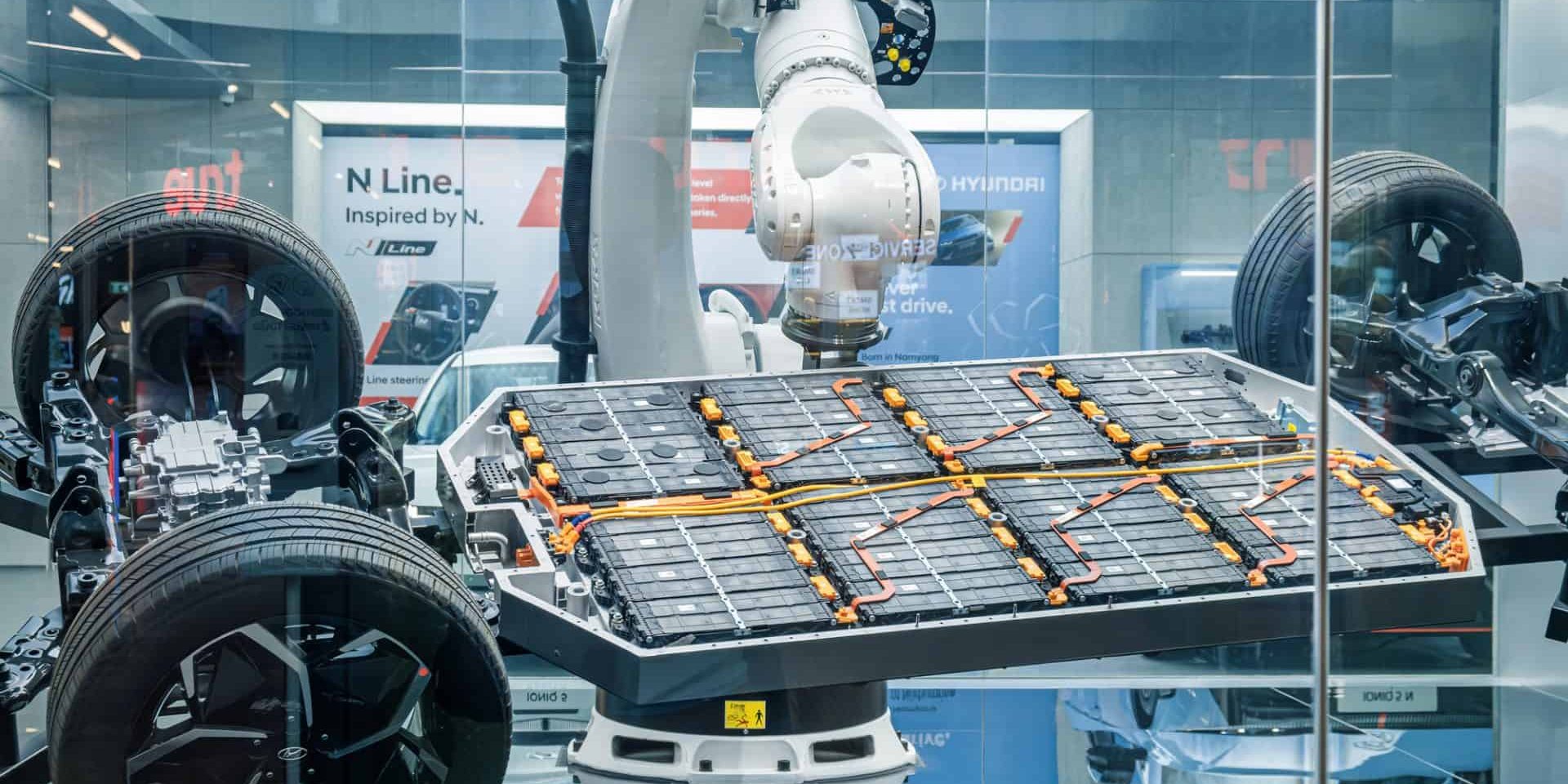
The mechanics of the problem sit inside the battery pack itself. On most electric cars, the pack forms part of the structure of the car, bolted beneath the floor and wired into a high-voltage system that only trained technicians are permitted to touch. Checking whether a pack has suffered internal damage after a crash, even a low-speed one, calls for diagnostic equipment and safety training that most bodyshops do not have. Where a mechanic could once tap a dent out of a wing and send a petrol car on its way, an electric car with the same external damage can need its entire battery pack inspected cell by cell, or replaced outright if that inspection cannot be carried out safely.
Replacement is where the numbers turn against the driver. Battery packs for mainstream electric models are routinely quoted at £10,000 to £15,000 fitted, and pack, labour and diagnostic costs together can push a single claim past £20,000 for a car that might have cost £30,000 new. Once a repair estimate climbs anywhere near the car’s insured value, an insurer’s own economics point one way: write the car off, pay out the market value, and move on. FWD Consulting’s research director, Julian Green, said the industry has focused heavily on charging networks and upfront vehicle costs, but the analysis shows the real pressure point is emerging elsewhere, with collision write-offs rising at a scale that neither fleets nor insurers can absorb long term.
A shortage of specialist repairers, not a shortage of parts
The underlying constraint is capacity, not the availability of components. Battery-safe repair centres, staffed by technicians certified to work on high-voltage systems, remain rare next to the thousands of ordinary bodyshops spread across the UK. Cox Automotive and DHL Supply Chain opened a 35,000 square foot battery repair and remanufacturing centre in Rugby, a facility built specifically to inspect, repair and, where possible, save packs that would otherwise be scrapped. FWD Consulting points to that site as proof the model can work, but argues a single centre cannot serve a national fleet that already runs into the hundreds of thousands of electric vehicles and is growing every month.
Without more sites like it, the research calls for coordinated action between manufacturers, insurers and government to expand safe battery repair capacity and set consistent national standards for assessing pack damage. Right now, an assessor’s decision on whether a pack is fit to repair can depend heavily on which network happens to be contracted to a particular insurer, meaning two identical cars with identical damage can reach opposite outcomes depending on who is paying the claim.
What this means if you already own an electric car
For anyone driving an electric car right now, the practical risk shows up at claim time, not at the point of sale. A write-off after a survivable crash carries three consequences most drivers do not expect. First, the settlement is based on the car’s market value immediately before the crash, which for an electric car can already sit well below the original purchase price given how quickly these models depreciate. Second, any outstanding finance on the vehicle does not disappear when the car is written off, leaving some owners owing more than the settlement covers unless they carry adequate gap cover. Third, a total loss record follows the vehicle identification number permanently, which changes little for the current owner but caps what a replacement electric car of the same age and mileage would fetch if the pattern repeats.
Drivers who want a second opinion on a write-off decision have the right to challenge it. Ask the insurer for the full engineer’s report, including whether the battery pack was physically inspected or written off on the strength of an estimate alone. Independent EV-specialist assessors, including the growing number of battery-safe repair centres, will in some cases inspect a car that an insurer’s own network declared a total loss, and a proportion of these inspections find the pack intact. If an independent report contradicts the insurer’s assessment, that report becomes the basis for an appeal through the Financial Ombudsman Service.
Which cars are most exposed
The exposure is not evenly spread across the electric car market. Models with the battery pack fully built into the floor structure, which describes most mainstream family electric cars sold in the UK, carry the highest write-off risk after a low-speed impact, as the pack sits directly in the crumple zone that would otherwise absorb the hit. Models with the pack mounted higher or separated from structural crash zones tend to fare better in insurers’ own damage assessments, though few buyers are given this information at the point of sale. Fleet buyers who run large numbers of a single electric model are increasingly asking manufacturers directly about battery repairability before placing an order, a question that was rarely asked three years ago and is now becoming standard due diligence.
What to check before you buy your next electric car
Before buying an electric car, ask the dealer or the insurer which network handles battery-safe repairs on that specific model in your area, and how far the nearest certified centre sits from your postcode. A car whose manufacturer has invested in a wide repair network, rather than relying on a handful of regional hubs, carries less risk of an unnecessary write-off if a minor crash ever happens. It is also worth checking whether your insurance policy includes gap cover, or asking your existing insurer to add it, given how far a write-off settlement can fall short of what is still owed on a finance agreement.
None of this is a reason to avoid electric cars. It is a reason to treat a minor prang differently than you would in a petrol car, and to push back, with evidence, on a write-off decision made without a physical inspection of the battery pack.
Sources:

Leave a Comment
More in News

2027 Mazda CX-30 Expands to 21 Models With New Homura Plus Grade
What a Tyre Sealant Kit Actually Does (and How Far You Can Drive)
How to Tell If a Windscreen Chip Fails Your MOT (and Repair Cost)

What NHTSA’s Tesla Robotaxi Petition Over School Zone Speeding Means for You

Why Hyundai Is Telling 94,622 Genesis Owners to Park Outside
Trending on Motoring Chronicle

2027 Kia Seltos Prices Start at $24,990 With Three Powertrain Choices

Home Charging Saves EV Drivers £1,240 a Year Over Diesel, Ofgem Cap Shows
Ford Recalls 419,967 Expeditions and Navigators Over Seat Belts That Can Lock Up

GEM Warns Drivers to Book Eye Test Before Autumn Evenings Get Darker