
Councils Made Almost £1.1 Billion From Parking While Nearly Half of Appeals Succeed
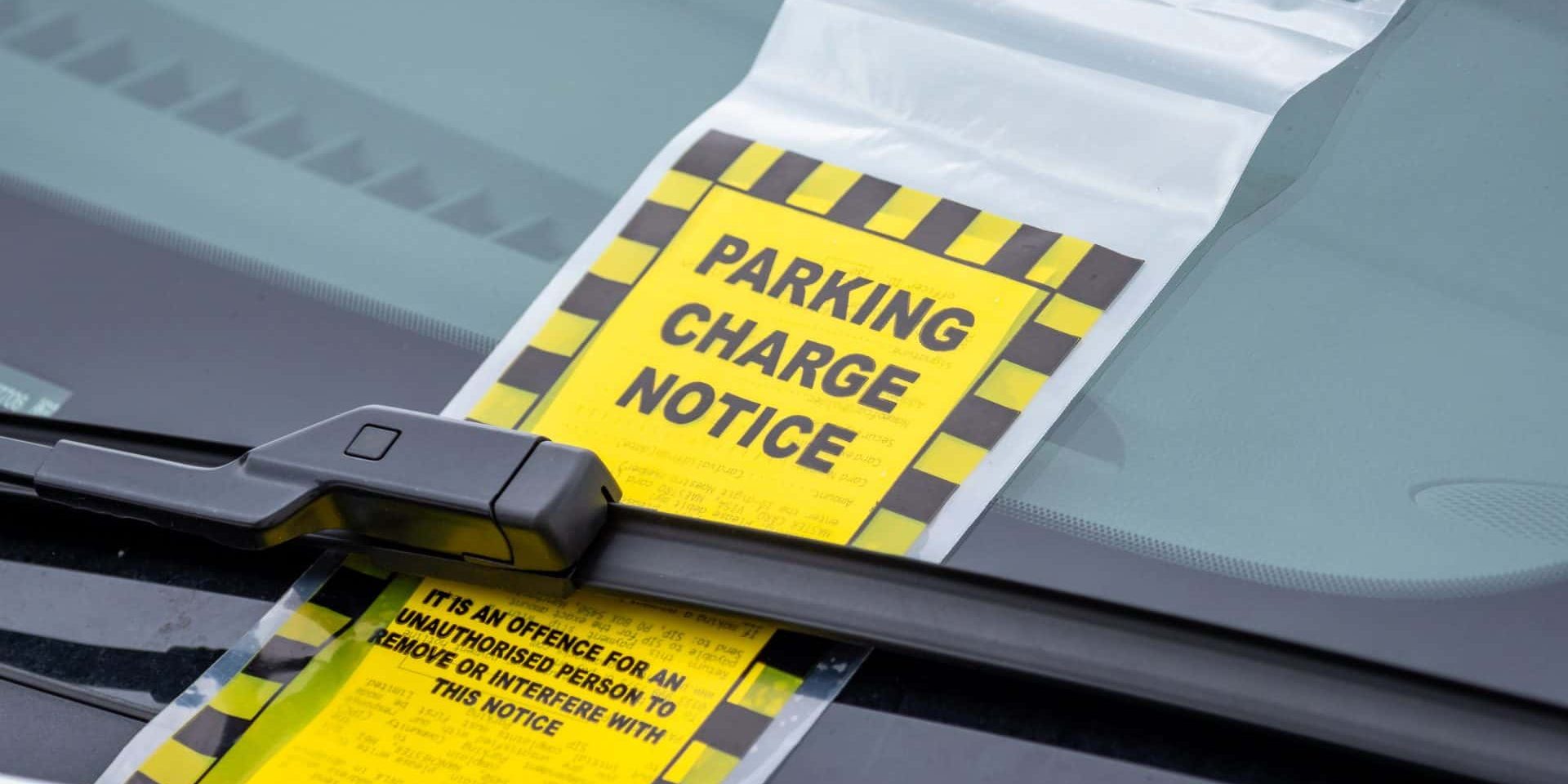
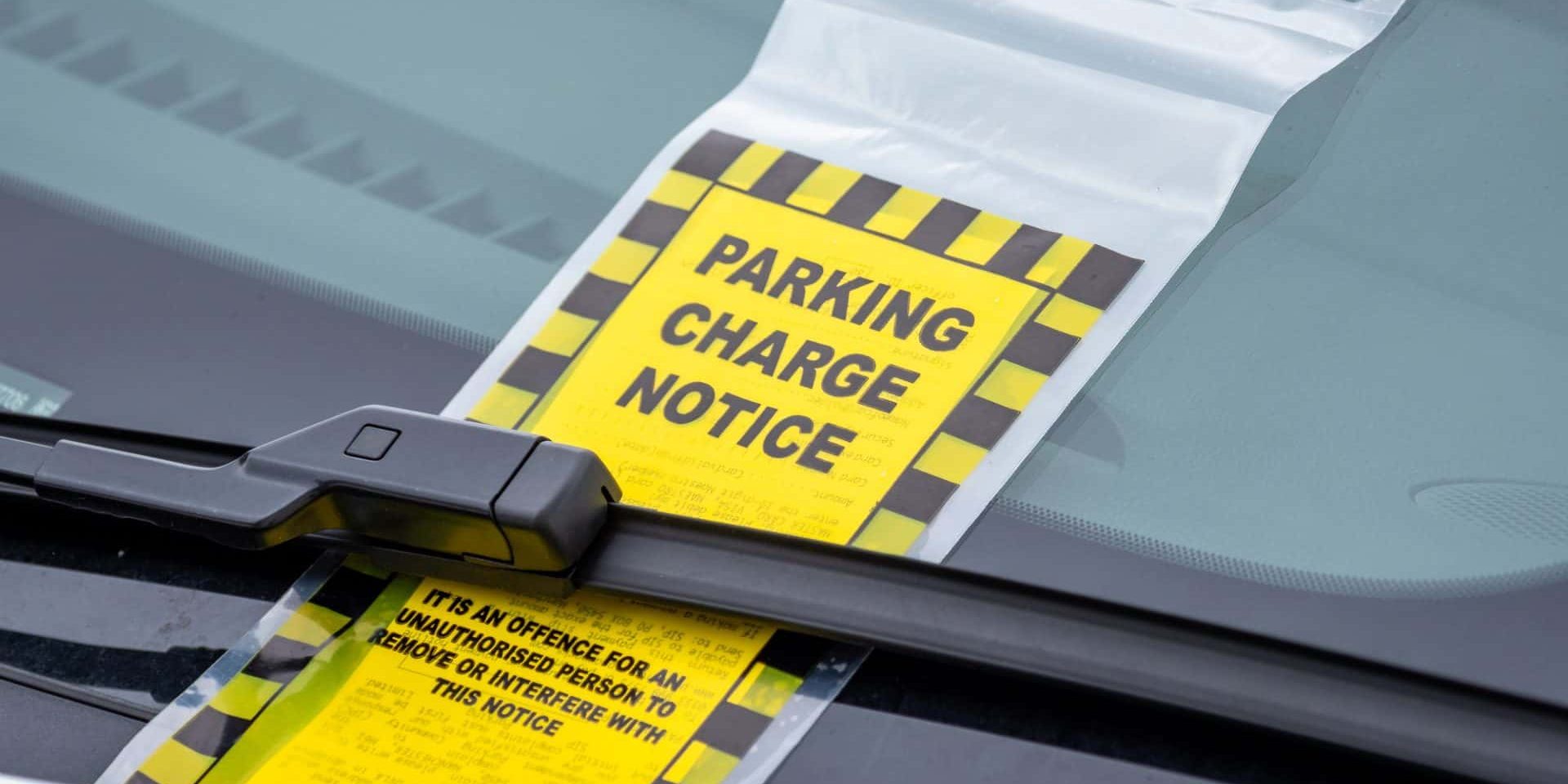
English councils turned parking into a combined profit of almost £1.1 billion last year, and the driver challenging a ticket has close to a coin-flip chance of winning if they take the case all the way to an independent tribunal.
Analysis by the RAC Foundation, based on figures reported to the Ministry of Housing, Communities and Local Government by 295 of England’s 317 local authorities, puts total income from on-street and off-street parking at £2.163 billion in 2024-25. Total expenditure came to £1.07 billion, leaving a surplus of £1.094 billion once running costs, staff and equipment were paid for. That surplus is money councils are legally required to spend only on transport-related projects, not general council budgets, yet the scale of it raises an obvious question: how much of that £1.1 billion came from tickets that should never have been issued.
The Councils Making the Most
Westminster tops the table by a wide margin, generating a parking profit of £90.6 million in 2024-25, up 19.3% on the £75.9 million it made the year before. No other council comes close. Westminster’s income reflects its position as the borough with the highest concentration of paid parking bays, resident permit zones and high-value enforcement cameras anywhere in the country, but the scale of the year-on-year rise, nearly a fifth in a single year, outstrips inflation, wage growth and any reasonable estimate of rising running costs.
Councils are required to publish their parking accounts, and the RAC Foundation’s analysis draws directly from those returns rather than from press releases or council statements. Some authorities have not yet submitted figures for the year, meaning the true national total is likely higher than £1.094 billion once every council reports.
Where the Money Is Meant to Go
Under the Traffic Management Act 2004, any surplus a council makes from on-street parking has to be ring-fenced. It can be spent on highway maintenance, concessionary travel schemes, public transport support or further parking-related projects, but not swept into general council spending on services like bin collections or libraries. Off-street parking surpluses, from council-run car parks, face fewer restrictions, which is part of why the totals published by different councils can look so different once income and spending rules are compared.
The justification most councils give for high parking income is that charges and fines exist to manage demand and keep roads moving, not to raise revenue. Yet a council posting a 19% year-on-year rise in profit from parking is a difficult case to square with that explanation. If charges were purely about managing traffic flow, profit would be expected to stay broadly flat once a stable pricing structure was in place, not climb sharply year after year.
The Appeal Odds Drivers Rarely Hear About
Most drivers who receive a parking charge notice never challenge it. Paying a discounted early fine feels quicker and less stressful than working through an appeals process that can take weeks. Yet the data on outcomes tells a different story about who actually wins when a challenge reaches an independent adjudicator.
At London Tribunals, the body that hears parking appeals for London boroughs once a council rejects a driver’s initial challenge, 49% of appeals were allowed in 2026. For Westminster specifically, 47% of appeals were either allowed outright or not contested by the council, meaning close to half of drivers who pushed a challenge through to an independent hearing had their ticket cancelled.
Those figures only cover drivers who took a case all the way to a tribunal. Councils reject the majority of first-stage appeals made directly to them, and most drivers stop there rather than escalate. The gap between how often a council’s own initial review upholds a ticket and how often an independent adjudicator overturns one suggests a substantial number of valid appeals are being abandoned before they reach a body with no financial stake in the outcome.
A Rising Trend, Not a One-Off
The £1.094 billion figure for 2024-25 continues a pattern rather than marking a sudden spike. Council parking income has climbed most years following the pandemic-era slump, when empty town centres and reduced commuting temporarily cut both traffic and enforcement revenue. As footfall and commuting have recovered, so has ticket volume, but income has grown faster than the return of traffic alone would explain. More cameras, automatic number plate recognition on bus lanes and box junctions, and app-based payment systems that make it easier to catch a missed payment have all expanded councils’ capacity to issue penalty charge notices at a scale that would have needed far more traffic wardens a decade ago.
That technology shift is why the appeal success rate is so significant. A camera does not use judgement about a genuine emergency, a broken payment app or a driver who paid at the wrong machine by mistake. It records a contravention and issues a notice. The human judgement that can catch those edge cases only enters the process once a driver challenges the ticket, which is exactly the stage most drivers skip.
How to Fight Back
Check the ticket for basic errors first. Incorrect dates, an unclear or partially obscured registration plate, a missing or wrongly worded notice, or signage that does not match what the Traffic Regulation Order actually says are all grounds that can get a ticket cancelled at the first stage.
Request the council’s evidence. Councils are required to provide the evidence behind a penalty charge notice, including any camera footage, on request. Gaps or inconsistencies in that evidence, such as a camera that did not capture the full contravention, strengthen an appeal.
Appeal to the council first, in writing, and keep a copy. A council has 56 days to respond to a formal representation. If the appeal is rejected, or if the council does not respond within that window, drivers gain the right to escalate to an independent tribunal, either London Tribunals in London or the Traffic Penalty Tribunal for most councils outside London.
Escalate rather than pay and give up. With London Tribunals data showing close to half of contested appeals succeeding, walking away after a council’s first rejection means abandoning odds that are close to a coin flip. The tribunal stage is free, conducted in writing or by phone in most cases, and does not require legal representation.
Use the ring-fencing rules as a check. If a council is spending its parking surplus on anything other than transport-related projects, that is worth raising with elected councillors or through a Freedom of Information request, as it points to a use of public money that sits outside what the law permits.
Watch for signage and camera consistency. A large share of successful appeals turn on signs that were missing, obscured by parked vehicles or vegetation, or inconsistent with the underlying Traffic Regulation Order. Photographing the relevant signage as soon as a ticket arrives, ideally on a return visit to the same spot, preserves the strongest evidence.
Councils will keep collecting well over a billion pounds a year from parking as long as enforcement remains this intensive and appeal rates remain this low. The tribunal figures suggest that the drivers currently paying up without a fight could be handing over money they were never obliged to pay in the first place.
Sources:

Leave a Comment
More in News

How to Free a Frozen Handbrake (and What a New Cable Costs)

What Winter Tyres Actually Do for UK Drivers (and Whether You Need Them)
Renewing Car Insurance on the Day Cover Ends Costs Drivers £331 More, MoneySupermarket Shows

Every Driver Faces £500 Seatbelt Fines as AI Cameras Flag 19,145 Possible Offences

How to Remove Moisture From Inside Your Headlight Before It Costs You £500
Trending on Motoring Chronicle

What Bristol’s Permanent Camera Enforced Traffic Scheme Means for Drivers

Timeless modernity: the Tourbillon’s debut in Japan and Singapore [Photo Gallery]

Why Connecticut Drivers Cruising in the Left Lane Now Face an $88 Fine
Universal Technical Institute Celebrates 100th Graduating Class from Porsche’s Technology Apprentice Program
