
Why Connecticut Drivers Cruising in the Left Lane Now Face an $88 Fine


- Connecticut drivers who linger in the left lane without passing anyone now risk an $88 fine under new state enforcement that began this month.
- The state has also sharply raised penalties for ignoring a stopped school bus, with fines running from $450 for a first offense up to $1,000 and possible jail time for repeat violations.
- Connecticut joins roughly a dozen states that specifically ticket left-lane campers, with fines elsewhere ranging from $50 in Nevada to as much as $350 in Louisiana.
Cruising in the Left Lane Just Got Expensive in Connecticut
Connecticut has started enforcing two driving rules this October that carry real financial consequences for ordinary habits a lot of drivers do not realize are against the law. The first targets drivers who sit in the left lane without actively passing another car, now a ticketable offense carrying an $88 fine. The second sharply raises the penalty for driving past a stopped school bus with its lights flashing, a change aimed squarely at protecting kids getting on and off the bus.
Neither rule is new in the sense of inventing a law from scratch. Connecticut has long treated the left lane as a passing lane rather than a cruising lane, and the school bus stop requirement has existed for years. What changed is enforcement, following a statewide education campaign the Connecticut Department of Transportation ran in 2025 to warn drivers before the tickets started.
What Counts as Left-Lane Camping
The rule is simple: the left lane on a Connecticut highway is for passing, merging left to let other traffic in, or exiting on the left. A driver who sits in that lane at or near the speed limit, without overtaking anyone, is breaking the law whether or not they are speeding. State troopers can issue the $88 fine on the spot, and CTDOT describes the rule as a safety measure rather than a revenue tool, pointing to the backups and sudden lane changes that left-lane campers cause when faster traffic has to swerve around them.
Connecticut is far from alone here. Nearly every state in the country regulates left-lane use in some form, according to AAA, though the strictness and the fines vary widely. Illinois, Kansas, Kentucky, Louisiana, Maine, Massachusetts and New Jersey all have dedicated passing-only statutes for their fastest lane. Fines range from roughly $50 in Nevada for a first offense up to $130 in Utah, $75 to $150 in Alaska, and as much as $350 in Louisiana, where a repeat offender can also face up to 30 days in jail. Connecticut’s $88 fine lands squarely in the middle of that range.
School Bus Fines Just Tripled for Repeat Offenders
The second change carries a much bigger penalty. A first offense for driving past a stopped school bus with its red lights flashing now costs $450, up sharply from the previous penalty. A second offense within the law’s lookback window jumps to between $500 and $1,000, and can bring up to 30 days in jail on top of the fine. A third offense triggers an automatic six-month license suspension regardless of whether the driver pays the fine.
The law requires drivers approaching a stopped school bus from either direction to stop at least 10 feet from the front or rear of the bus and remain stopped until the flashing lights turn off and the bus resumes moving. That applies on most roads regardless of whether a median separates the lanes, a detail that catches out drivers used to states where oncoming traffic on a divided road does not have to stop.
Why Left-Lane Camping Keeps Drawing Tickets
Highway engineers and state troopers have made the same case for years: a slower car parked in the fastest lane forces faster traffic to pass on the right, the opposite of how the road was designed to flow. That pattern creates sudden lane changes at speed, exactly the kind of maneuver that triggers rear-end and sideswipe crashes. Connecticut’s own crash data, like that of most states with similar laws, shows left-lane obstruction as a contributing factor in a meaningful share of highway collisions involving a sudden lane change.
The habit is often unintentional. Many drivers simply set a cruise control speed they find comfortable and forget to check whether traffic behind them is building up. Connecticut’s $88 fine is designed to interrupt that habit rather than punish an occasional lapse, which is why the state ran a public education campaign for a full year before officers started writing tickets.
Why This Spreads Beyond Connecticut
Left-lane and school bus enforcement tends to spread between neighboring states once one state demonstrates it can reduce crashes without a major backlash from drivers. Massachusetts and New Jersey already run comparable left-lane statutes, and transportation departments in both states have discussed stricter enforcement in recent budget cycles. A driver who spends time in Connecticut, New York and Massachusetts for work should assume the stricter of each state’s rules applies rather than guessing. A habit that draws no attention in one state can cost real money just across the border.
Out-of-state drivers passing through Connecticut on Interstate 95 or the Merritt Parkway are just as exposed as residents. State troopers do not distinguish by license plate when writing either ticket, and an out-of-state fine still has to be paid or contested through Connecticut’s own court system, which can mean extra travel or a mailed payment rather than a quick resolution at home.
How Connecticut Compares on School Bus Penalties
School bus stop violations have drawn tougher penalties across the country in recent years, and Connecticut’s new fine structure puts it near the top of that list rather than in the middle, where its left-lane fine sits. New York fines a first offense $250, rising to $400 and then $750 for a third violation within three years. Virginia caps a first offense at $250 but adds a mandatory minimum fine on top of court costs for any repeat violation. Connecticut’s $450 starting point and escalation to a potential $1,000 fine plus jail time puts the state’s penalty structure well above both.
Part of the reasoning behind the increase traces back to a basic enforcement problem every state faces: a driver who passes a stopped bus is usually gone before anyone can note a plate number, let alone flag down a trooper. Connecticut has leaned on bus-mounted cameras in several districts over the past two years specifically to address that gap, and the sharply higher fines are widely seen as the second half of that enforcement push, designed to make the penalty serious enough to matter once a camera actually catches a violation on video.
What to Do
Set cruise control a notch below the speed of the car directly ahead of you whenever you are in the left lane, a habit that naturally pushes you back to the right lane the moment you have cleared whoever you were passing. Treat the left lane on any Connecticut highway as a lane you move into to pass and move back out of once you have cleared the slower car ahead. If you are not actively overtaking someone, shift right. Around any stopped school bus with flashing red lights, come to a full stop at least 10 feet away and wait for the lights to go dark before moving again, whether the bus is ahead of you or coming toward you on an undivided road. Both habits cost nothing to build and considerably less than $88, or far more if you are stopped for a bus violation a second time.
Sources:

Leave a Comment
More in News
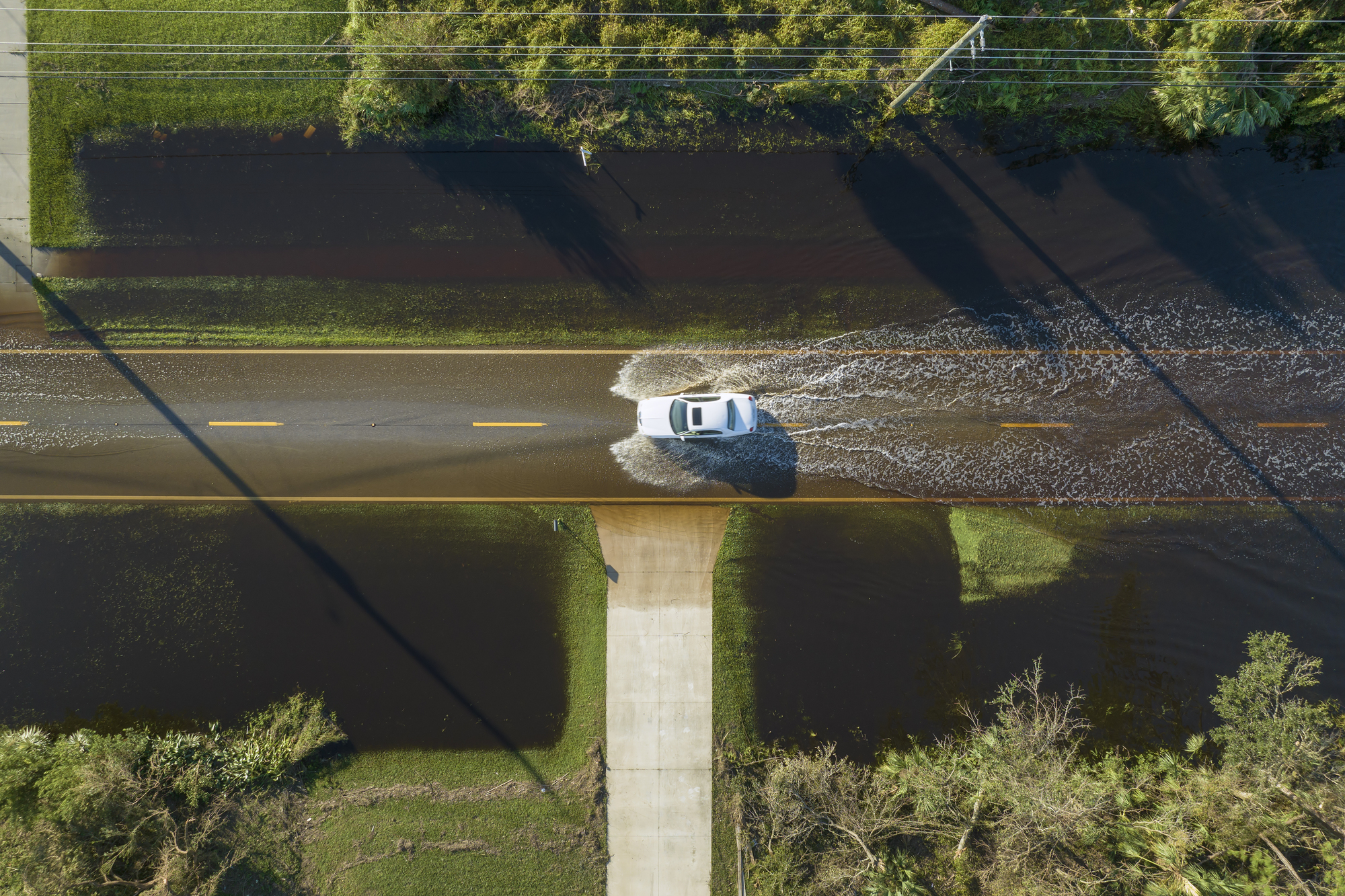
Hurricane Isaias Flooded Thousands of Cars That Could Reach Used Lots

Gas Prices Jump to $4.36 a Gallon as the National Average Rises 40 Percent in a Year

NHTSA Recalls Over 346,000 Vehicles From Ram, Ford, VW and Land Rover

How DVSA Data Reveals Which Driving Test Centres Give You the Best Odds
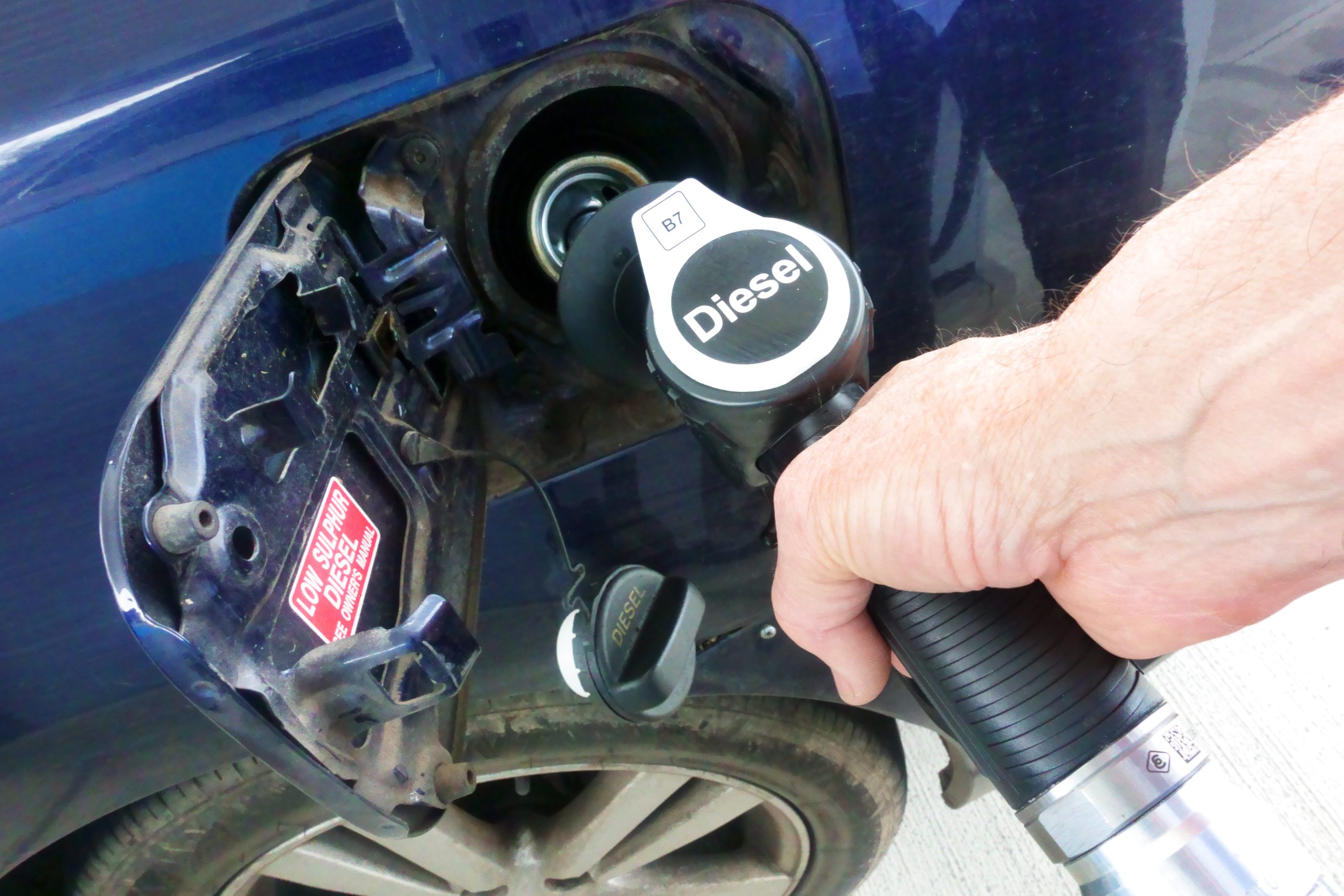
Every UK Driver Faces Two More Fuel Duty Rises Worth 4p by March 2027
Trending on Motoring Chronicle

2026 Kia K4 Hatchback Sets Foot in The Big Apple for Official Debut [Photo Gallery]
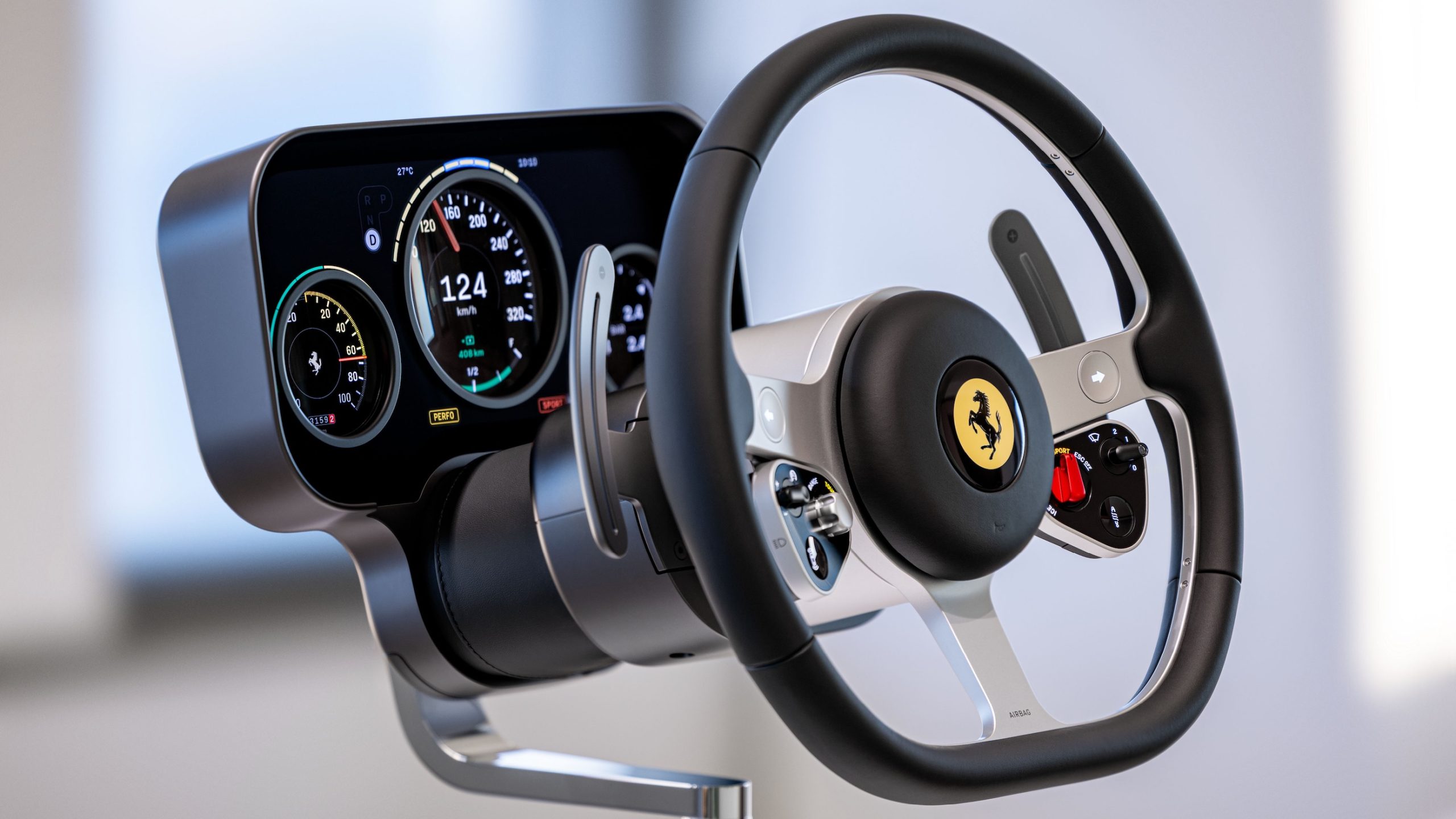
Ferrari Luce: Revealing interior & interface design [Photo Gallery]
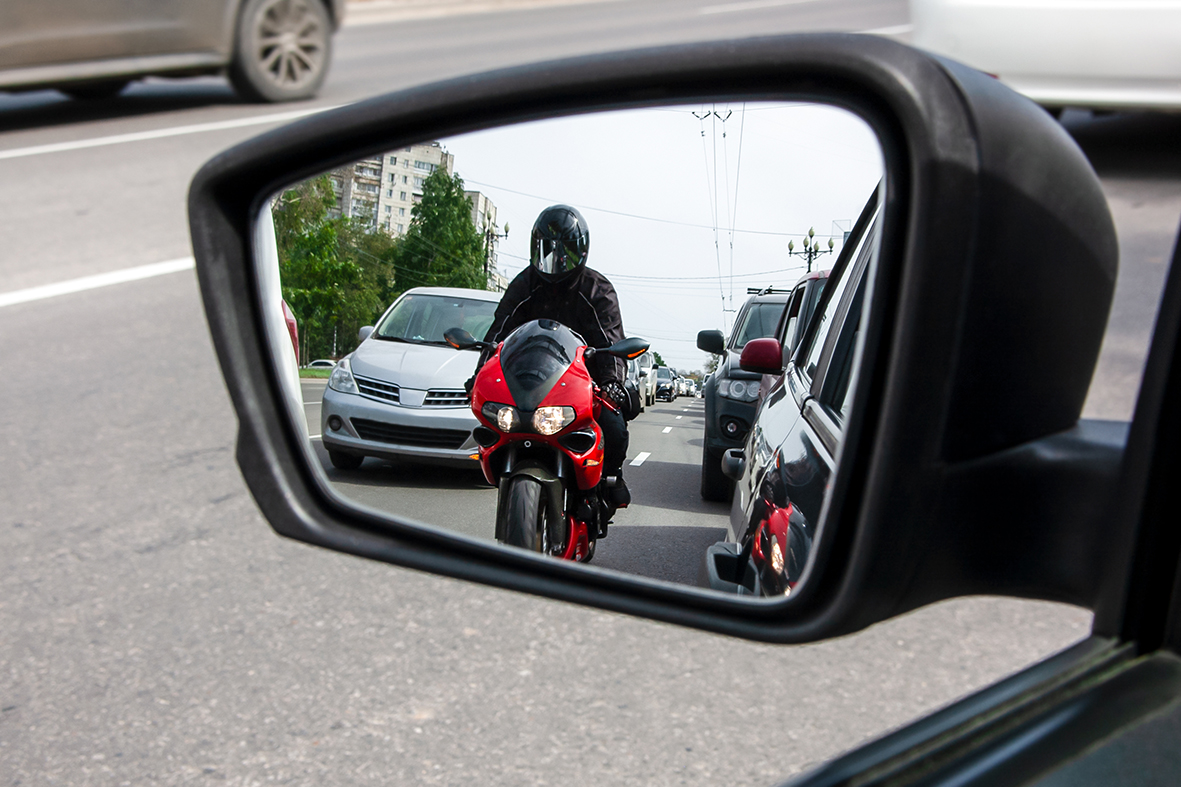
Expect motorcyclists at junctions, GEM warns drivers in bid to reduce collisions
Mind the Kerb: English Councils Get New Powers to Fine Drivers Who Park on Pavements
