
Warming an Electric Car on the Cable Costs Pence, Off It Costs Miles
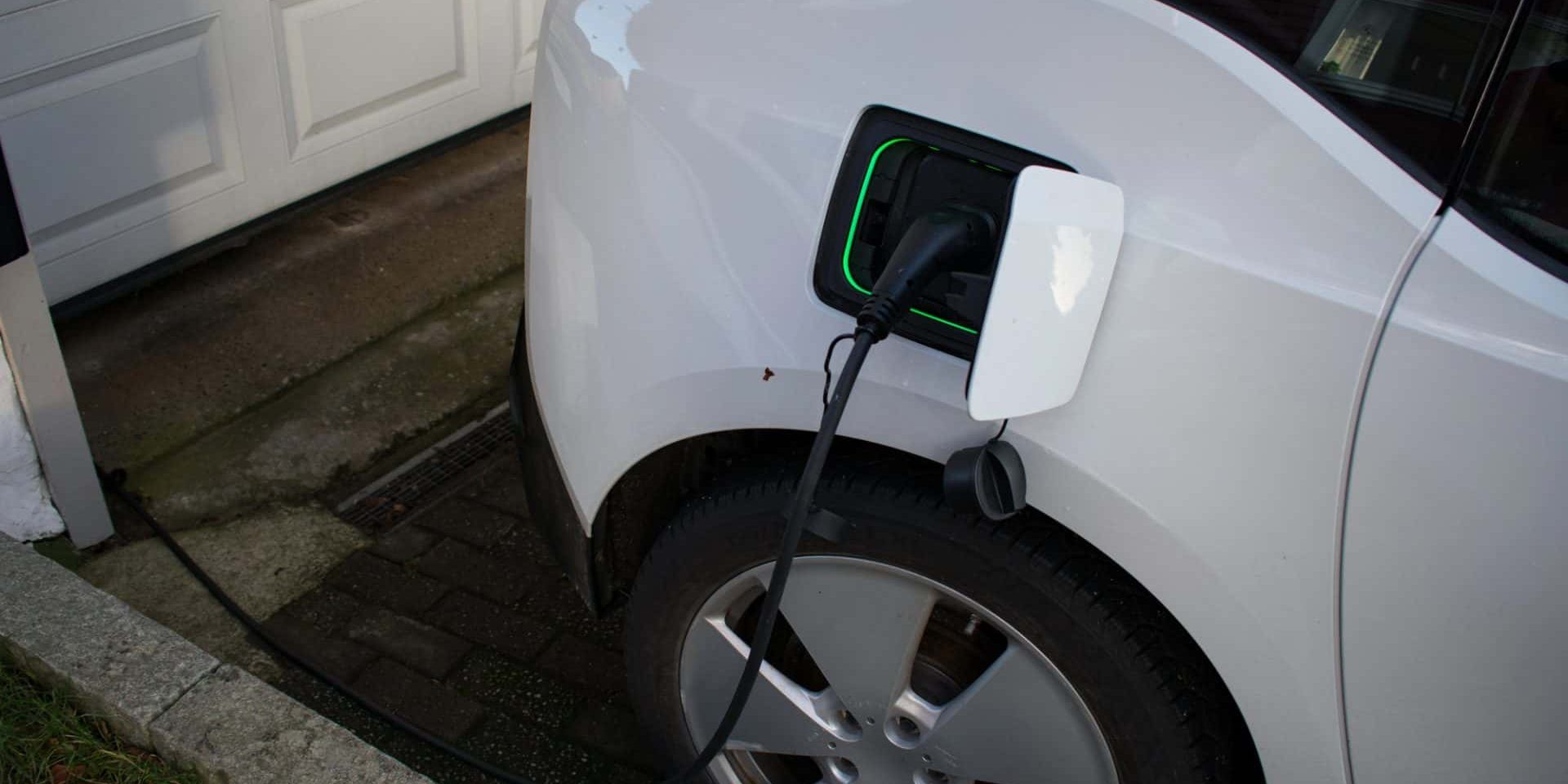

A warm-up that runs with the cable in draws on the supply, and Volkswagen and Nissan both say the battery is left alone. Take the cable out and, where the car allows the warm-up at all, the battery pays, under rules that differ by maker. Nissan’s handbook for the 2023 Leaf allows remote climate control for up to 2 hours on the cable and up to 15 minutes off it.
Key takeaways:
- Volkswagen UK and Nissan’s 2023 Leaf handbook say a warm-up on the cable runs on the supply, not the battery.
- Unplugged, the rules differ: Nissan’s 2023 Leaf handbook allows up to 2 hours of remote climate control on the cable and up to 15 minutes off it.
- On US Department of Energy laboratory heater figures, half an hour of heat costs about 24p to 49p on the cable at the October to December 2026 price cap.
What the Makers Agree On
On the cable, makers describe the same arrangement and a US laboratory measured what it is worth.
Plugged In, the Battery Is Left Alone
Volkswagen UK says: “There is no drain on the battery if the vehicle is still connected to the charging station.” Nissan’s handbook for the 2023 Leaf agrees: “While the charging connector is connected to the vehicle, electric power from the Li-ion battery is not used.” Kia UK says the same of battery preconditioning, Renault of its older Z.E. models.
The battery starts the trip with the charge the cable gave it. A heat pump moves heat rather than making it, so a car with one needs less energy for the same warm-up, and on Peugeot’s own table a heat pump is worth about ten degrees of winter.
Plugged in means the cable seated and the supply delivering. Nissan tells 2023 Leaf owners to confirm the station is available and the charger’s power switch is on before setting the timer, and says a rapid-charge connector that is attached but not charging leaves remote climate control running on the car’s battery. Attached is not the same as supplying.
What the Laboratory Measured
A September 2024 US Department of Energy report used Argonne National Laboratory tests of three 2019 and 2020 electric cars, holding the cabin at 22 degrees for its heating figures. It describes the warm-up energy as coming straight from the grid. In the tests, preconditioning cut energy consumption by 9 to 20 per cent over a 7.5-mile city cycle at minus 7 degrees.
The testing was American and the cycle a short city one, so this is not a UK road test, a motorway figure or the result for any single car. The report credits the saving to the grid supplying the warm-up and to avoiding energy lost to start-up temperature swings, and gives no figure for longer trips.
The same report puts the climate system, battery thermal management included, at 1.8 to 3.7 kW at minus 7 and minus 18 degrees, depending on heater type and conditions. A heated seat takes about 50 watts, while convection heating typically needs 2,000 to 4,000 watts. The sums below start there.
Where the Small Print Differs
The headline holds from maker to maker. The rules for the cable being out do not.
The Same Schedule Behaves Differently Unplugged
Nissan’s UK handbook for the 2023 Leaf, the previous generation, caps remote climate control at 2 hours with the connector in and 15 minutes with it out, when it runs on the car’s own battery. Pull the connector mid-session and the function stops and sends an e-mail.
Tesla’s UK Model Y manual lets a scheduled precondition run unplugged unless the car has entered Low Power Mode. The same manual lists “Preconditioning (when unplugged)” among the energy uses to cut while the car is neither driving nor charging, and tells owners to precondition when plugged in.
Hyundai’s 2022 handbook for the IONIQ 5 sets the charge and cabin temperature together and notes that the car has to be on the cable at the scheduled moment for the scheduled charge. It does not say what the cabin does with the cable out. Kia’s European infotainment manual says: “When a cable is connected, target temperature will be activated according to departure time.”
Each rule belongs to one model year: the 2023 Leaf, the 2022 IONIQ 5, the current Model Y, a generic Kia menu. None carries across a badge, and the handbook for the car on the drive is the authority. A schedule set and the cable forgotten is not the same mistake in each car.
Two Jobs Share One Word, and a Slow Cable Limits Both
Kia UK says battery preconditioning, which readies the pack for a charge, is a different job from warming the interior. Tesla’s manual draws the same line: with no schedule set, the Model Y warms the battery only when it is too chilly to accept a charge, and does not prepare the cabin. Most modern electric cars can start warming the battery before rapid charging once a fast charger is the destination.
Nissan’s 2023 Leaf handbook says a car on the cable can use only what the supply delivers, so the cabin can stay short of a comfortable temperature in extreme weather. Nissan adds that a timer starting while the car is charging lengthens the charge, and in the cold can slow its rate. The battery loses nothing, but it fills more slowly.
A battery charged hours early cools to the air temperature and needs energy to warm up again, so Tesla advises finishing the charge at departure time. Tesla also recommends giving app climate settings 30 to 45 minutes or more before departure, and Kia UK puts battery preconditioning at around 20 to 30 minutes. Those figures describe different jobs on different cars.
What It Costs, and What to Do
The same heat shows up as pence on the bill or miles off the range. Price both, and the routine follows.
The Meter Against the Battery
Half an hour at the Department of Energy’s 1.8 to 3.7 kW is 0.9 to 1.85 kWh. At the Ofgem price cap’s average of 26.32p a kWh for Direct Debit customers from 1 October to 31 December 2026, with zero VAT on home electricity until 31 March 2027, that is about 24p to 49p. That power is laboratory heating of a held cabin, not a measured warm-up from a cold-soaked car, and it moves with the car, the overnight temperature and any heat pump.
Taken from the battery instead, 0.9 to 1.85 kWh is 3.2 to 6.6 miles, at the 3.57 miles a kWh that Volkswagen UK’s combined consumption figure for the ID.4 GTX works out to. Winter consumption is higher, so the real loss is larger.
A cheaper overnight tariff cuts the pence, and a fixed deal sets its own rate, so 26.32p is only the cap’s average. Any tariff slots into the sum for working out home charging costs.
A Routine That Works on Any Car
Set a schedule or timer in the car or app rather than pressing warm-up on the way out. Plug in the night before, cable seated and supply on. Allow the time the maker names: 30 to 45 minutes for Tesla’s app warm-ups, 20 to 30 for Kia’s battery preconditioning. Then read the handbook for what the car does with the cable out.
With no home charger, the warm-up comes off the battery, so keep it short: the 2023 Leaf’s own limit off the cable is 15 minutes, and 30 minutes of heat is the 3.2 to 6.6 miles above. Lean on the seat and wheel heaters first. A seat takes about 50 watts, and what heated seats actually draw sits far below the cabin heater.
Know where the benefit stops. The laboratory saving is for a 7.5-mile city cycle and the report gives no figure for longer trips, so a motorway run cannot be priced from it. On the cable, the one certain change is who pays for the warm-up: the supply, not the battery.
The same warm-up is pence on the cable and miles off it. Which one an owner pays is decided by whether the cable is in, and the supply on, when the schedule fires, and by a rule in the handbook that differs from maker to maker. Read the page for the car on the drive before the first frost, then leave the cable in.
Reviewed by Preetam Gadekar
Want more car content? Add us as a preferred source on Google to your favourites list for the best automotive news and analysis on the internet.
If you enjoyed this article, be sure to follow us on Microsoft Start.

Leave a Comment
More in News

Petrol Is 62.9 Cents a Litre Dearer Than in February, ACCC Finds

Boca Raton School Zone Cameras Start Nov. 9, With $100 Fines After 30 Days

Arizona Voters Approve Photo Radar Ban, but $250 Tempe Camera Tickets Stand

Alabama I-65 Work Zone Cameras Can Mail $250 Tickets No Sooner Than Nov. 16

Why Hogging the Middle Lane Risks a £100 Police Fine and 3 Points
Trending on Motoring Chronicle

Honda Recalls Nearly 4,000 New Pilots and Passports Over Loose Subframe Bolts
Millions of Car Finance Drivers Told to Wait Until 2027 for Compensation

A century of power and influence: the Rolls-Royce Phantom at 100
Eleven Electric Cars Now Qualify for the Full £3,750 Government Grant
