
Every Driver Ignores This Dashboard Light and It Costs Them Their MOT


- The amber engine warning light is classed as a major fault under current MOT rules, which means a car with it lit at the test centre fails automatically, no matter how well the car drives.
- Common triggers include a loose fuel cap, a worn oxygen sensor, a failing catalytic converter, and a faulty mass airflow sensor, ranging from a free fix to a repair bill running into hundreds of pounds.
- A red warning light means stop and check the car immediately, while an amber light means book a check soon, and knowing the difference stops a small problem turning into a breakdown.
Check the Colour Before You Panic
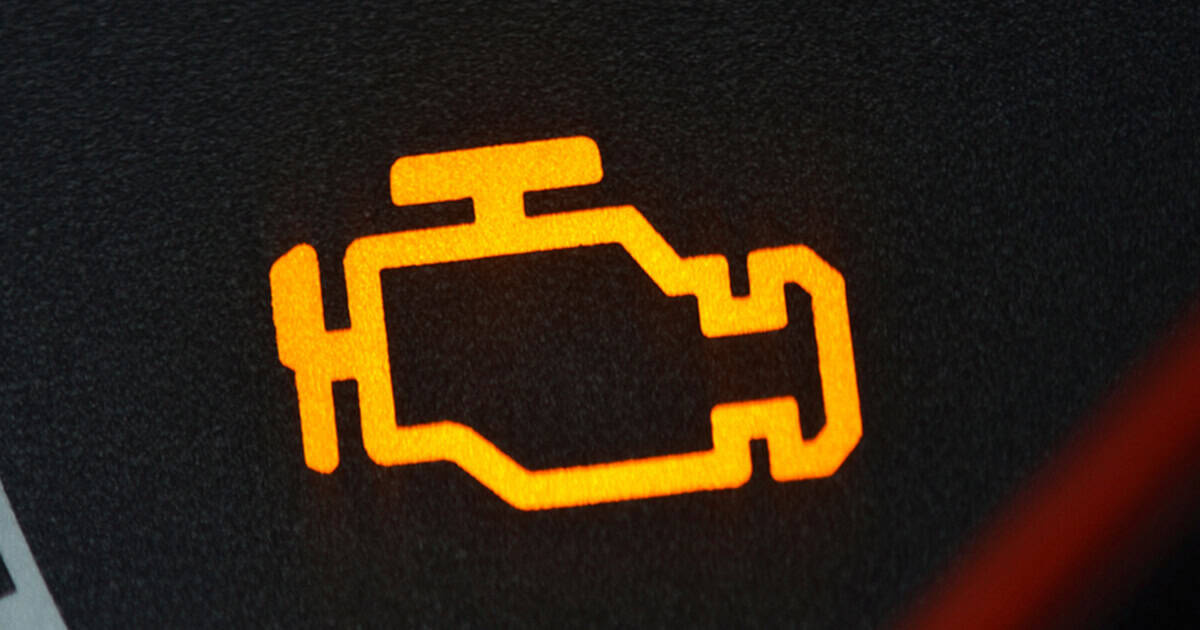
An engine warning light on the dashboard is not one single problem, it is a signal that covers dozens of different faults, and the colour it glows tells a driver most of what they need to know before doing anything else. Amber or yellow means a fault has been detected that needs attention soon but is not putting the car in immediate danger. Red means stop the car safely as soon as possible and get it checked before driving any further. Confusing the two, or ignoring either one for weeks at a time, is how a cheap fix turns into an expensive one.
The specific symbol counts too. A yellow engine outline usually points to the general engine management system, while a red thermometer means overheating, a red oil can means dangerously low oil pressure, and a battery symbol points to a charging fault. Pulling up the exact symbol in the car’s handbook, or searching the make and model plus the words dashboard warning lights, takes under a minute and turns a vague worry into a specific, checkable problem.
The Fault That Fails More MOTs Than Almost Anything Else
The engine warning light, also called the malfunction indicator lamp, is classified as a major fault under current MOT testing rules, and a major fault is a statutory failure. That means a car can be running smoothly, pulling cleanly, and showing no other symptom at all, and still fail its test purely from that one amber light being lit on the dashboard at the moment the tester checks it. Emissions and engine management faults sit consistently among the most common reasons cars fail their MOT each year, and this single warning light accounts for a large share of that total.
That makes the light worth checking well before a test date rather than after a failure certificate arrives. A free MOT history check using a car’s registration number through the government’s official checker shows any advisories or failures recorded at the last test, giving an early hint about whether a car’s emissions system is already borderline and worth a look before the next appointment.
What Is Actually Triggering the Light
A loose or damaged fuel cap is the single cheapest cause, and it is worth checking first. It costs nothing to fix and is often overlooked. The fuel cap forms part of a sealed system that the engine monitors for pressure, and a cap that is not fully tightened, or one with a perished seal, can trigger the same warning light as a far more expensive fault.
Beyond the fuel cap, the most frequent causes are an oxygen sensor that has worn out and is sending inaccurate readings to the engine computer, a catalytic converter that has degraded and is no longer cleaning exhaust gases properly, an EGR valve that has stuck or clogged, a mass airflow sensor giving a false reading, or worn spark plugs affecting how cleanly the engine burns fuel. Costs vary hugely by cause. An oxygen sensor replacement typically runs from around eighty pounds to just over two hundred, while a full catalytic converter replacement can run into four figures on some models. The part is also a common target for thieves, which keeps replacement prices high.
Why Driving on It Costs More the Longer You Wait
A car that continues running with an unresolved engine fault often burns more fuel than it should. The engine computer is working from bad sensor data and adjusting the fuel and air mixture incorrectly to compensate. That inefficiency adds a small but real cost to every tank of fuel, on top of whatever the eventual repair bill turns out to be. A minor sensor fault left unaddressed can also place extra strain on the catalytic converter, turning a moderate repair into the much larger bill of replacing the converter itself.
Garages report that a meaningful share of the engine repairs they see start as a small, cheap fix that was delayed long enough to damage a more expensive part downstream. A fault that would have cost under a hundred pounds to fix when the light first came on can, left for months, escalate into a repair several times that size, all from the same original trigger.
Simple Habits That Keep the Light Off
Filling up with a reputable fuel brand and avoiding running the tank close to empty on a regular basis both reduce the odds of sensor and fuel system faults developing early. A near-empty tank draws in more sediment and air from the bottom of the tank than a fuel system is designed to handle regularly, which over time can affect the fuel pump and the sensors that read fuel and air mixture.
Sticking to the service intervals set out in the car’s handbook, rather than stretching an oil change or a spark plug replacement well past its recommended point, keeps the engine running within the range the management system expects. Spark plugs in particular wear gradually rather than failing all at once, and a car running on old plugs for too long burns fuel less cleanly, which is exactly the kind of change the engine computer is built to flag with a warning light.
What to Do the Moment the Light Comes On
Pull over safely and check the fuel cap first if the light is amber and the car is running normally. Tighten it fully, listening for the clicks that confirm it has sealed, and see if the light clears after a short drive, sometimes taking a few engine cycles to reset. If the light stays on, or came on alongside any unusual noise, smell, or change in how the car drives, book a diagnostic check with a garage rather than waiting for the next scheduled service.
Most garages and many parts stores offer a basic code reading service for a low fee or sometimes free, which reads the specific fault code the engine computer has logged and narrows down the cause before any parts are bought. Getting that code read before agreeing to any repair work gives a driver a clear, specific problem to ask about, rather than paying for guesswork. Checking the full list of faults that fail the most MOT tests in Britain before a test date is a useful next step for any driver trying to avoid an unexpected failure on the day.
Sources:

Leave a Comment
More in News

How to Remove Moisture From Inside Your Headlight Before It Costs You £500
What Red and Amber Warning Lights Actually Mean (and Which Fail an MOT)

How to De-Ice Your Windscreen Fast Without Cracking It (and Staying Legal)

New Cars Face Euro 7 Rules From 29 November With a £264 Price Rise

What the Traffic Penalty Tribunal’s 33 Percent Success Rate Means for Every Driver
Trending on Motoring Chronicle

Honda Recalls 880,514 SUVs and Trucks in 23 States Over Rear Suspension Rust

Buyers of Popular Electric Cars Miss a £3,750 Government Grant Rivals Get

NHTSA Moves to Require Safer Door Handles After 15 Deaths in Teslas
From Coastal Luxury to Marble Hills: Esperienza Terra Versilia [Photo Gallery]
